

 English
 中文简体
中文简体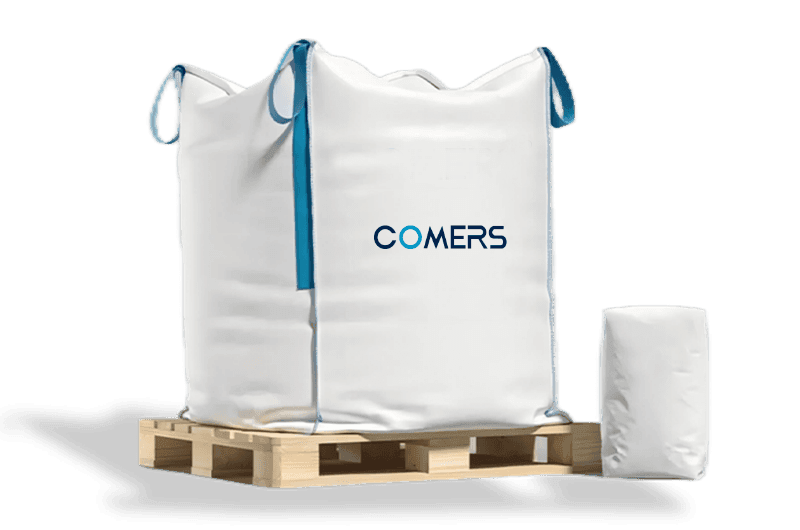
Intertram®FIBC Liners &FFS Liners
Perfect for lithium batteries, mainly used in packaging of positive and negative electrode materials for new energy batteries, such as lithium cobalt oxide, lithium iron phosphate, graphite, etc. We could prevent your products from moisture, oxygen, and provide with Anti-static film effectively avoid ATEX for explosive. Also, we offer high puncture resistance to ensure the packaging might not be damaged on the delivery. Intertram® is available in the form of FFS film on a reel, flat or side gusseted tubular film in a specific size.
We tailor this products to your needs and would be pleased to guide you through the available options. These merits mentioned above have verified that the breakage rate of 10,000 packages is 0 , It is a favorable manifestation of cost reduction and efficiency improvement.
comers® Product advantages
- Effective barrier and product protection
- Can be provided with anti-static features, flexible edge insertion
- For positive/negative electrode materials for lithium batteries
- Nlyon and EVOH ratio can be adjusted
- High puncture resistance
- Sustainable development
- prevent from moisture, oxygen(low WVTR<3.0,OTR<1.0)
- Various film types and thicknesses (Length:1M1-2M2 Thinkness:30-160um)
-
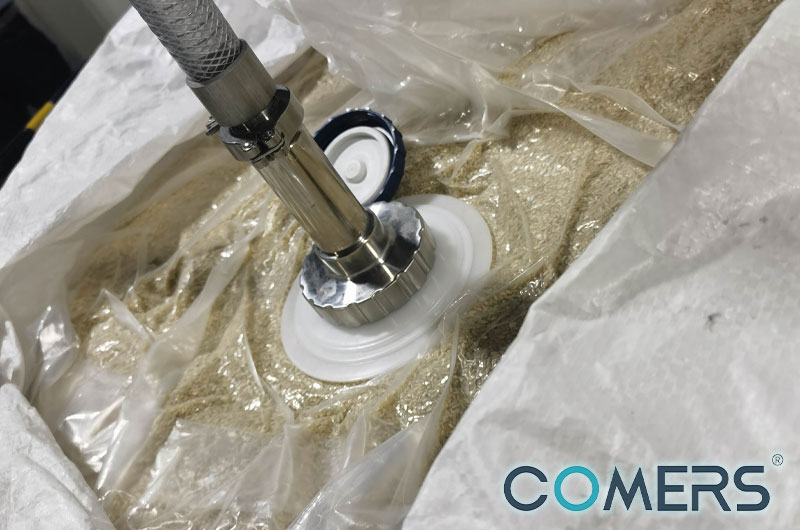
Intertram®FIBC Liners
+ Permanent anti-static / temporary anti-static
+ High barrier performance
+ Single material
+ Prevent from moisture, oxygen(low WVTR<3.0,OTR<1.0)
+ Various film types and thicknesses (Length:1M1-2M2 Thinkness:30-160um)
+ For milk powder/ coffee powder
+ Effective barrier and product protection
+ Strict quality control and safety standards
+ Highly customizable solutions
+ Durable and puncture-resistant
-
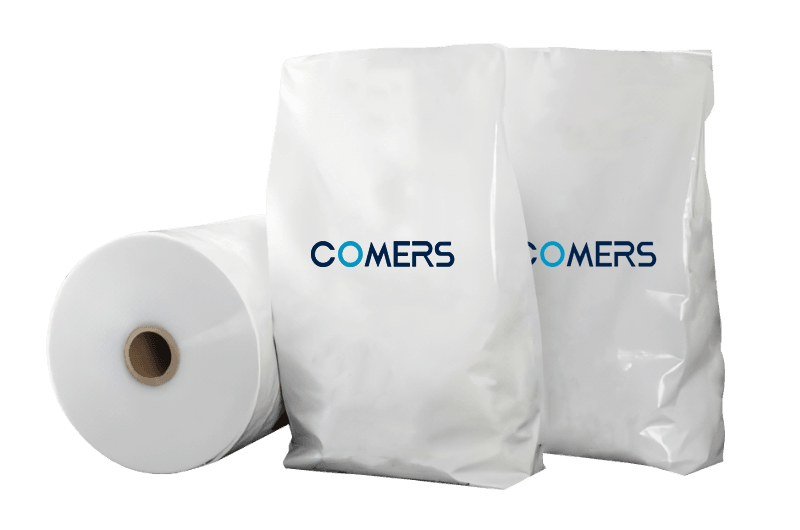
Intertram®FFS Liners
+ high barrier performance
+ prevent from moisture, oxygen(low WVTR<3.0,OTR<1.0)
+ various film types and thicknesses (Length:1M1-2M2 Thinkness:30-160um)
+ can replace Al material
+ High standard in food safety
+ Anti-static film (ATEX prevention)
+ Strict control over contaminants (BPA, Sakazaki-bacillus, etc.)
+ Tailored to customer needs
+ Enhanced product shelf life (approx. 6 months)
-

Washna ® Easy-peel films
+ prevent from moisture, oxygen(low WVTR<3.0,OTR<1.0)
+ various film types and thicknesses (Thickness:45 - 90um)
+ Clean & Safe Delamination
+ smooth sealing layer without wire drawing
+ Optimal Peel Performance
+ Good control level of black dot crystal point, in line with GB/T28117
+ Food contact safety
+ High durability
+ Superior barrier properties
+ Child-friendly opening
+ Clean, residue-free peel -
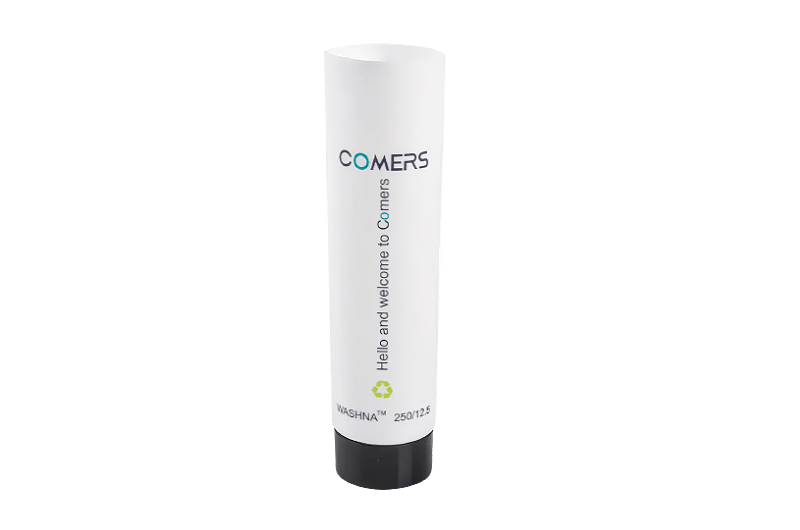
Washna® toothpaste films
+ Suitable for products in paste form
+ High stiffness and good mechanical properties
+ APR approval, Blow-molded in a single blow-molding
+ EVOH≤5%, in line with CEFLEX
+ white/transparent/ultra-white variants (customizable whiteness)
+ Precise thickness control (175−350μm±3%)
+ Excellent puncture resistance
+ Speckle-free surfaces (GB/T 28117 compliant)
+ Reduces environmental impact -

Washna® Laminate films
+ Operates with high-volume film
+ ultimate cost control
+ Good level of crystal point and black point control
+ Customizable with thickness and EVOH ratio
+ Easy-open End (EOE) functionality
+ Preserves freshness and extends shelf life
+ Odor-neutral composition
-

Agometa ® Frozen Vacuum Packaging Bags/Films
+ Excellent transparency
+ Good barrier against water vapor and oxygen
+ Heat sealing performance
+ Adds ultra-high barrier properties
+ high-end food market
+ stable performance, flexible and versatile
+ Good puncture resistance

High-quality products and world-class equipment are OUR COMMITMENT. We can produce 10,000 MT annually in our ISO-8 (Class 100,000) GMP clean rooms. As Side Gusseted Tubular Film Suppliers, we have obtained certifications that are in line with the standards recognized by BRCGS packaging and FSSC 22000. We operate in accordance with the ISO 9001 standard and good manufacturing practices. Supply FIBC Liners for lithium batteries packaging. We offer comprehensive services to develop innovative packaging and product protection solutions, and set standards in terms of sustainability and future feasibility.
-
Latest news
Preventing Pinholes in Vacuum Bags: Puncture Resistance and Structure
The Pinhole That Costs More Than the Bag A single pinhole in a vacuum bag rarely shows up on the line. It shows up two days later, when a distributor opens a case and finds a bag that's lost its collapse around a rack of ribs or a shipment of cheese wedges. By then the product h... -
Latest news
Barrier Degradation in Vacuum Packs: Assessing Shelf-Life Risk
When the Seal Looks Fine but the Barrier Isn't A vacuum-sealed pouch can hold its collapsed shape for weeks and still let the product inside go rancid, discolor, or grow mold. The bag hasn't lost vacuum in any way a warehouse worker would notice, yet the oxygen transmission rate... -
Latest news
Release Liner Recycling: Cost-Benefit Analysis & Material Comparison Guide
What Is Release Liner and Why Does Recycling It Matter? Every year, the global label and packaging industry produces an estimated 3.3 million metric tons of release liner. Roughly 70% of it still ends up in landfills or incinerators. That is a staggering figure, and it means you...
Safety Standards and Regulations for Lithium Battery Material Packaging
Lithium battery active materials—such as lithium cobalt oxide (LCO), lithium iron phosphate (LFP), and graphite—are chemically active powders that present specific risks during storage and transport. Packaging these materials requires compliance with a mix of international and regional regulations, industry standards, and customer specifications to ensure safe handling, prevent contamination, and avoid incidents such as thermal runaway, moisture degradation, or particulate release.
Overview of Regulatory Scope
Regulations governing packaging address multiple aspects: classification of the material (hazard class), permitted container types, protective measures against moisture and static, labeling and documentation, and the need for testing or certification. Compliance is often required by carriers, customs authorities, and major battery manufacturers before materials can move through the supply chain.
Key International and Regional Regulations (Summary)
Several frameworks are commonly referenced when packaging lithium battery materials. They differ by mode of transport (road, rail, sea, air) and by regional enforcement. Below is a concise comparison of major regulatory frameworks and the aspects most relevant to packaging selection and preparation.
| Regulatory Body / Code | Applies To | Packaging/Documentation Focus |
| UN Recommendations on the Transport of Dangerous Goods | Global guidance used as basis for national rules | Classification, testing protocols, packaging groups |
| IATA Dangerous Goods Regulations | Air transport worldwide | Strict limits on state-of-charge, packaging performance, labeling |
| ADR (Europe) / RID (Rail) | Road and rail in Europe | Packaging approvals, vehicle segregation, documentation |
| 49 CFR (U.S. DOT) | Road/air within United States | Classification, packaging requirements, hazmat paperwork |
Material-Specific Packaging Requirements
Different active materials have differing sensitivities: cathode powders can be hygroscopic or reactive to oxygen, while graphite anode powders are highly conductive and susceptible to electrostatic issues. Selection of liners and outer packaging should address: moisture barrier level, anti-static or conductive properties, chemical compatibility, mechanical robustness, and particulate containment.
Practical Compliance Steps (Ordered)
- Classify the material: obtain or verify the material safety data sheet (MSDS/ SDS) and determine UN number and hazard class where applicable.
- Select liner type: choose FIBC liners or FFS liners with appropriate barrier, anti-static, and puncture resistance properties for the specific active material.
- Perform required tests: subject the packaged configuration to moisture ingress testing, ESD (electrostatic) testing, and mechanical stress tests if mandated.
- Apply required markings and documentation: ensure labels, UN packaging codes, and transport documents comply with the applicable regulation for the transport mode.
- Implement handling controls: provide instructions and PPE guidance for loading, unloading, and storage; include segregation rules to avoid incompatible mixing.
- Audit and certification: keep certificates of conformity and, when required, third-party packaging approvals on file for audits and carrier checks.
Testing, Certification and Manufacturer Responsibilities
Packaging manufacturers and fillers share responsibility for ensuring the system meets regulatory and end-customer requirements. Typical actions include material traceability, batch testing of liners for barrier and anti-static properties, drop and vibration testing of filled packages, and maintaining documentation demonstrating conformity with applicable standards.
Labeling, Documentation and Traceability
Clear, regulation-compliant labeling (hazard labels, handling marks, lot codes) and complete transport documentation (SDS, declaration of dangerous goods when needed) are essential. Traceability—from material supplier to final packaged unit—helps in incident investigation and recalls, and is frequently required by OEM customers.
Best Practices for Packaging Design and Quality Control
Adopt a risk-based approach: match liner material performance to the specific chemical and physical risks of the active material, design for ease of inspection and resealing where applicable, and implement routine QC checks on liner integrity, static performance, and moisture control measures such as desiccants or nitrogen blanketing when needed.
Jiangsu Comers Neo Materials Co., Ltd.
No.161 Cailing Road, Linhu Town, Wuzhong District, Suzhou City, Jiangsu Province, China.
+86-0512-66558319
E-mail: [email protected]
