

 English
 中文简体
中文简体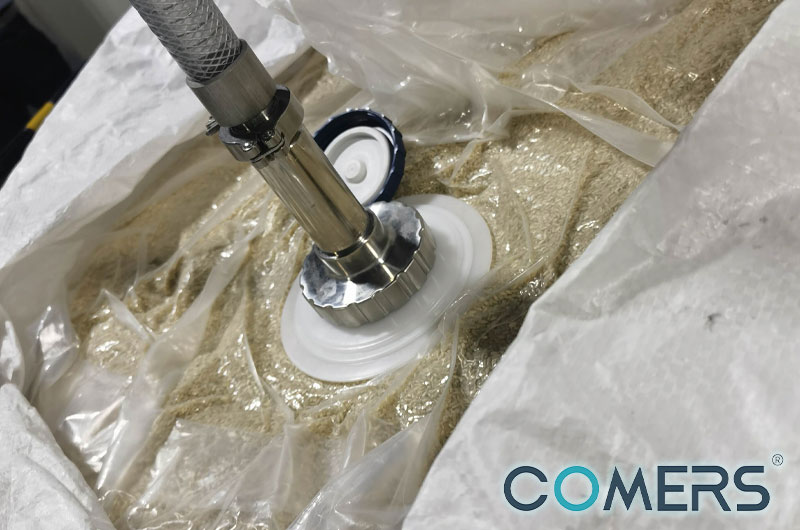
Intertram®FIBC Liners
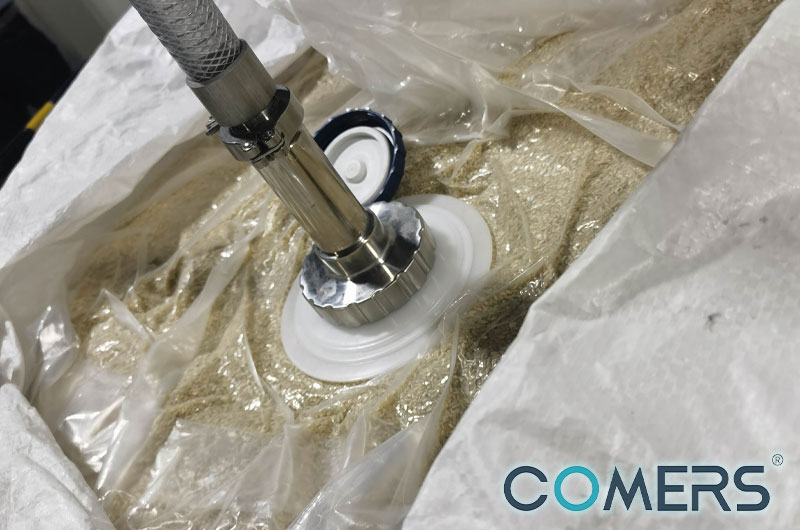
Perfect fit for infant milk powder or other powder, which require high standard in food safety. We could prevent your products from moisture, oxygen, preserve the food for roughly 6 months to enhance product shelf life. Provide with Anti-static film effectively avoid ATEX for explosive. Also,for producing nut film, we offer high puncture resistance to ensure the packaging might not be damaged.
Comers strictly controls BPA, Sakazakibacillus, Helicobacter pylori, insoluble particles and other pollution sources to ensure the food safety of infant milk powder. Flexible and rigorous processing capabilities, meet the requirements of the FCC material, and with the European Union migration test report, from the polymer point of view to eliminate the pollution of precipitates.
We tailor the Intertram products to your needs and would be pleased to guide you through the available options.
comers® Product advantages
- permanent anti-static / temporary anti-static
- high barrier performance
- single material
- can replace Al material
- prevent from moisture, oxygen(low WVTR<3.0,OTR<1.0)
- various film types and thicknesses (Length:1M1-2M2 Thinkness:30-160um)
-
Intertram®FIBC Liners
+ Permanent anti-static / temporary anti-static
+ High barrier performance
+ Single material
+ Prevent from moisture, oxygen(low WVTR<3.0,OTR<1.0)
+ Various film types and thicknesses (Length:1M1-2M2 Thinkness:30-160um)
+ For milk powder/ coffee powder
+ Effective barrier and product protection
+ Strict quality control and safety standards
+ Highly customizable solutions
+ Durable and puncture-resistant
-
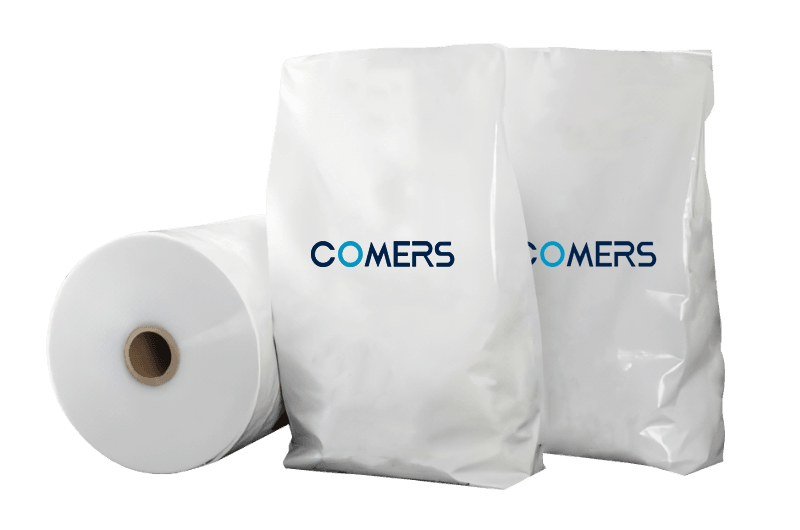
Intertram®FFS Liners
+ high barrier performance
+ prevent from moisture, oxygen(low WVTR<3.0,OTR<1.0)
+ various film types and thicknesses (Length:1M1-2M2 Thinkness:30-160um)
+ can replace Al material
+ High standard in food safety
+ Anti-static film (ATEX prevention)
+ Strict control over contaminants (BPA, Sakazaki-bacillus, etc.)
+ Tailored to customer needs
+ Enhanced product shelf life (approx. 6 months)
-

Washna ® Easy-peel films
+ prevent from moisture, oxygen(low WVTR<3.0,OTR<1.0)
+ various film types and thicknesses (Thickness:45 - 90um)
+ Clean & Safe Delamination
+ smooth sealing layer without wire drawing
+ Optimal Peel Performance
+ Good control level of black dot crystal point, in line with GB/T28117
+ Food contact safety
+ High durability
+ Superior barrier properties
+ Child-friendly opening
+ Clean, residue-free peel -
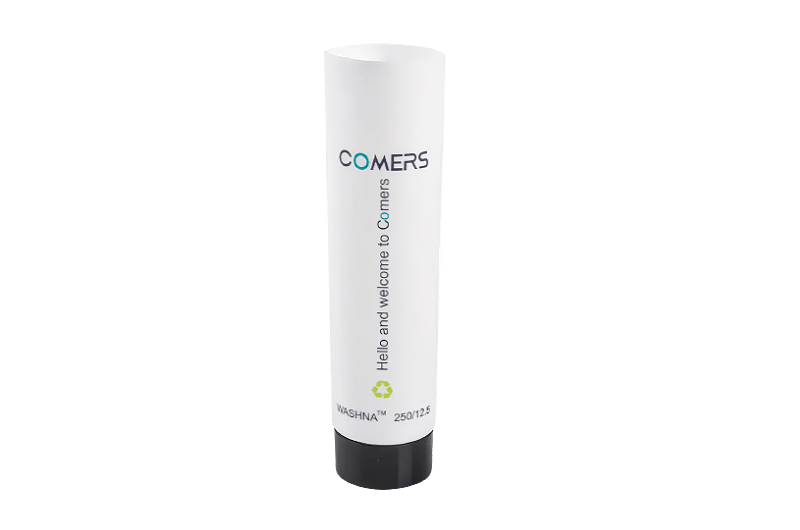
Washna® toothpaste films
+ Suitable for products in paste form
+ High stiffness and good mechanical properties
+ APR approval, Blow-molded in a single blow-molding
+ EVOH≤5%, in line with CEFLEX
+ white/transparent/ultra-white variants (customizable whiteness)
+ Precise thickness control (175−350μm±3%)
+ Excellent puncture resistance
+ Speckle-free surfaces (GB/T 28117 compliant)
+ Reduces environmental impact -
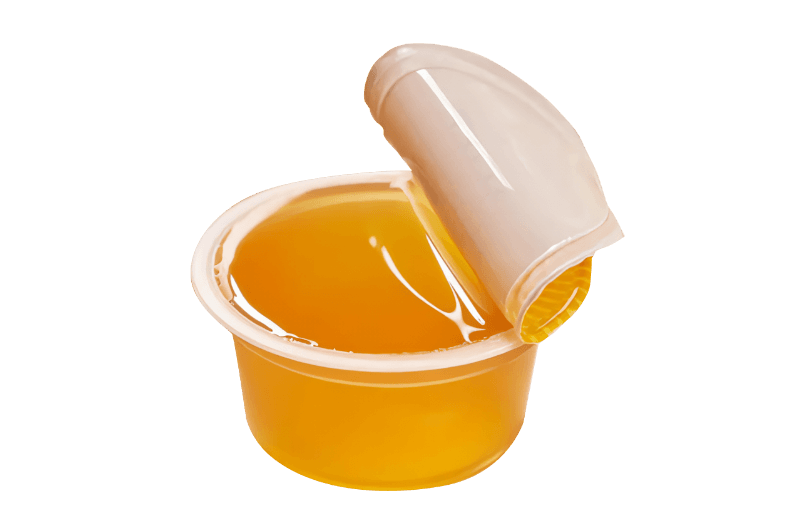
Washna® Laminate films
+ Operates with high-volume film
+ ultimate cost control
+ Good level of crystal point and black point control
+ Customizable with thickness and EVOH ratio
+ Easy-open End (EOE) functionality
+ Preserves freshness and extends shelf life
+ Odor-neutral composition
-
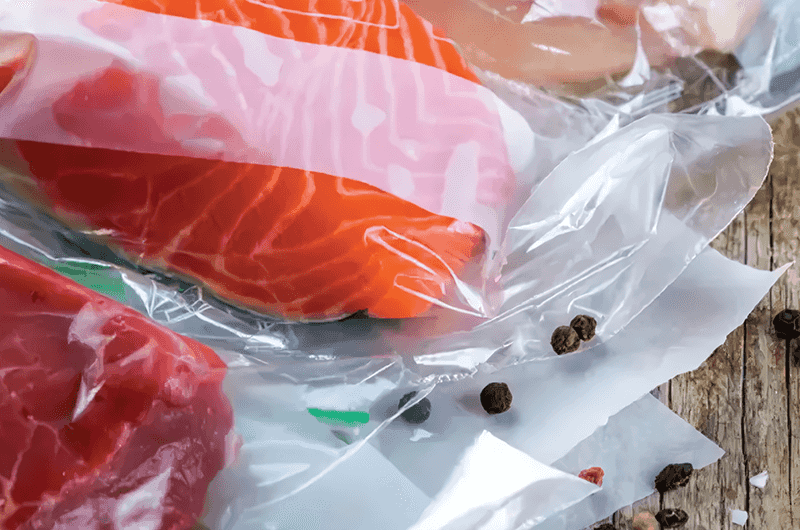
Agometa ® Frozen Vacuum Packaging Bags/Films
+ Excellent transparency
+ Good barrier against water vapor and oxygen
+ Heat sealing performance
+ Adds ultra-high barrier properties
+ high-end food market
+ stable performance, flexible and versatile
+ Good puncture resistance

High-quality products and world-class equipment are OUR COMMITMENT. We can produce 10,000 MT annually in our ISO-8 (Class 100,000) GMP clean rooms. As Infant Milk Powder FIBC Liners Suppliers, we have obtained certifications that are in line with the standards recognized by BRCGS packaging and FSSC 22000. We operate in accordance with the ISO 9001 standard and good manufacturing practices. Supply Custom Bulk Bag Liners. We offer comprehensive services to develop innovative packaging and product protection solutions, and set standards in terms of sustainability and future feasibility.
-
Latest news
Preventing Pinholes in Vacuum Bags: Puncture Resistance and Structure
The Pinhole That Costs More Than the Bag A single pinhole in a vacuum bag rarely shows up on the line. It shows up two days later, when a distributor opens a case and finds a bag that's lost its collapse around a rack of ribs or a shipment of cheese wedges. By then the product h... -
Latest news
Barrier Degradation in Vacuum Packs: Assessing Shelf-Life Risk
When the Seal Looks Fine but the Barrier Isn't A vacuum-sealed pouch can hold its collapsed shape for weeks and still let the product inside go rancid, discolor, or grow mold. The bag hasn't lost vacuum in any way a warehouse worker would notice, yet the oxygen transmission rate... -
Latest news
Release Liner Recycling: Cost-Benefit Analysis & Material Comparison Guide
What Is Release Liner and Why Does Recycling It Matter? Every year, the global label and packaging industry produces an estimated 3.3 million metric tons of release liner. Roughly 70% of it still ends up in landfills or incinerators. That is a staggering figure, and it means you...
I. Overview of FIBC Bags and Applications
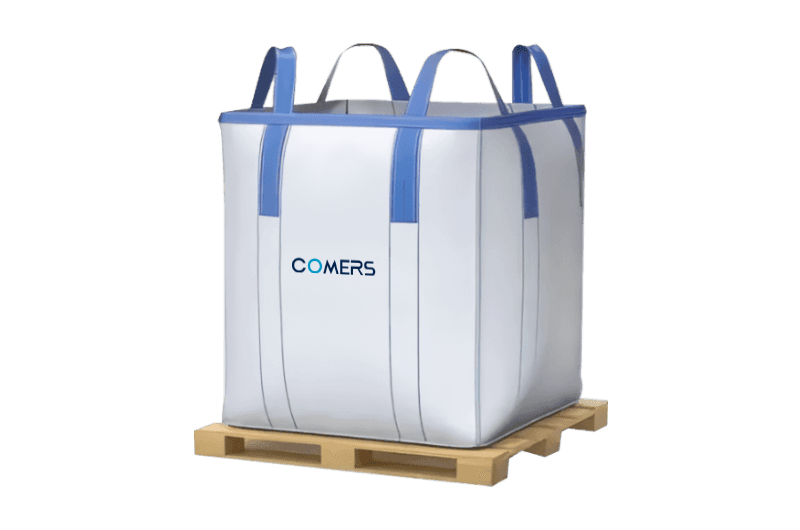
FIBC bags, short for Flexible Intermediate Bulk Container bags, are one of the most efficient and cost-effective solutions for handling bulk materials. Designed to store and transport large volumes of dry goods, these bags are widely recognized for their durability, safety, and versatility.
The demand for FIBC packaging has been rapidly growing as more industries seek packaging solutions that offer higher load capacity, improved efficiency, and reduced environmental impact. From agricultural products such as grains and seeds to chemicals, minerals, and food ingredients, FIBC bags uses are diverse and continuously expanding.
By adopting FIBC packaging, businesses benefit from lower transportation costs, optimized storage, and streamlined supply chain operations. Whether for domestic distribution or international shipping, FIBC bags provide a reliable and secure packaging solution.
II. Materials and Structure of FIBC Bags
One of the key factors behind the reliability of FIBC bags lies in their construction. High-quality FIBC fabric, typically made from woven polypropylene (PP) or polyethylene (PE), offers excellent strength, flexibility, and resistance to tearing. Some variations also include laminated layers for added protection against moisture and contamination.
Different designs of flexible intermediate bulk container bags are available to meet specific industry needs. Top-fill and bottom-discharge options, reinforced lifting loops, and multi-layer structures allow FIBC bags to handle a wide range of materials safely and efficiently.
The structural integrity of FIBC bags ensures consistent performance even under challenging storage and transportation conditions, making them an indispensable packaging choice for businesses that manage bulk goods.
III. The Role of FIBC Liners
To enhance product protection, many FIBC bags are equipped with liners. FIBC liners, also referred to as bulk liner bags or FIBC bulk bag liners, play a critical role in maintaining product integrity throughout storage and transportation.
Liners provide several essential benefits:
Moisture protection: Preventing humidity from damaging sensitive materials
Leak prevention: Keeping fine powders and liquids safely contained
Contamination control: Ensuring products remain clean and compliant with safety regulations
Industries such as food, pharmaceuticals, and chemicals often require FIBC bulk bag liners to maintain the highest standards of hygiene and safety. By combining durable outer FIBC fabric with high-performance liners, businesses gain the flexibility to handle a wider range of materials while ensuring maximum protection.
IV. Importance of Breathability in Packaging
When transporting or storing certain bulk materials, breathability is just as important as strength. The concept of a vented liner highlights the need for controlled airflow within packaging solutions. Proper ventilation prevents clumping, reduces the risk of mold growth, and helps maintain product quality over time.
Breathable packaging is particularly vital in sectors like agriculture, where products such as grains, nuts, and fresh produce require continuous airflow to stay in optimal condition. Similarly, industries handling wood pellets, chemicals, and other moisture-sensitive products also benefit from packaging that promotes natural ventilation.
By integrating breathable solutions into FIBC packaging, companies can better preserve product quality, minimize waste, and ensure consistent delivery performance.
V. The Future of FIBC Packaging and Custom Solutions
As sustainability and efficiency become top priorities across industries, the future of FIBC packaging lies in innovation and customization. Businesses are increasingly seeking eco-friendly solutions such as recyclable materials, reusable designs, and lightweight fabrics to reduce environmental impact without compromising strength and safety.
Customized FIBC packaging is also gaining momentum, offering tailored designs based on specific industry requirements. From choosing the right FIBC fabric and liners to selecting printing options for branding, companies now have the flexibility to create packaging solutions that perfectly match their operational needs.
By investing in innovative and customizable FIBC solutions, businesses can enhance logistics efficiency, protect valuable products, and contribute to a more sustainable future.
Jiangsu Comers Neo Materials Co., Ltd.
No.161 Cailing Road, Linhu Town, Wuzhong District, Suzhou City, Jiangsu Province, China.
+86-0512-66558319
E-mail: [email protected]
