

 English
 中文简体
中文简体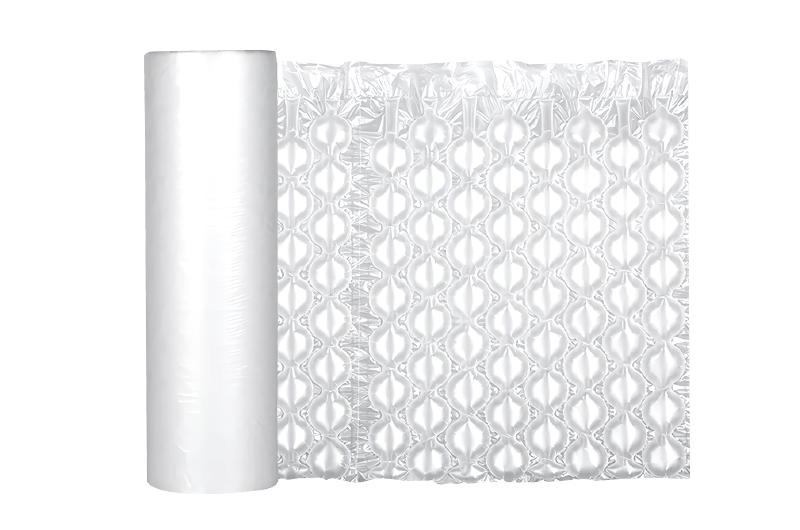
Buffer Air®Air Cushion Packaging Films
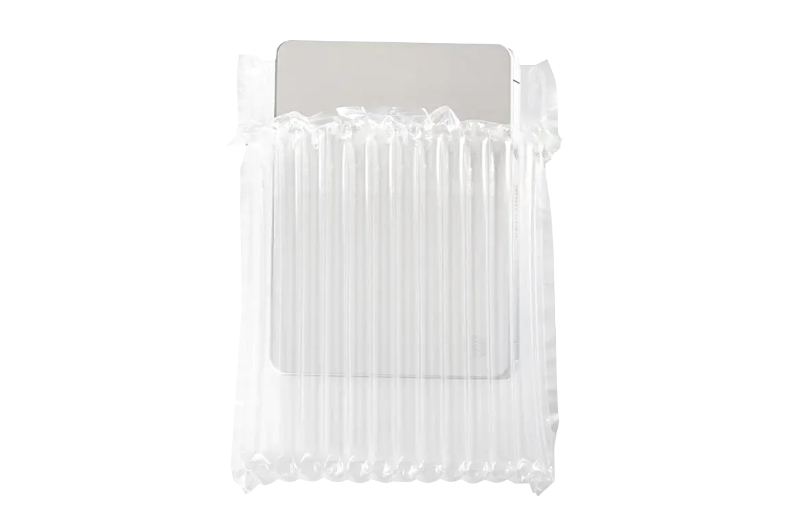
Logistics cushioning packaging solutions, such as air bags, air column films, air column bags, air bubble films, exhibits high transverse and longitudinal tensile strength, superior breaking force, and is well-suited for advanced product protection technologies. Its performance features exceptional sealing, no leakage, pressure resistance, and anti-collision capabilities.
Compared to traditional solutions, Comers has reduced the thickness to 16um and simultaneously met the requirements of mechanics and barrier properties, reducing the impact on the environment. As consumable usage is reduced by 30%, aligning with the principles of sustainable development. Application areas include, and are not limited to, fragile products, daily necessities, kitchen supplies, fresh fruits, and snacks.
We tailor this products to your needs and would be pleased to guide you through the available options.
comers® Product advantages
- Fast, smooth, and gentle inflation for different hoist diameters
- Widely used in fragile products, daily necessities, kitchen supplies.etc
- Super sealing
- Fit the requirement of sustainable development
- Thicknesses as thin as 16 um.
- Typically hold air for at least 180 days
-
Intertram®FIBC Liners
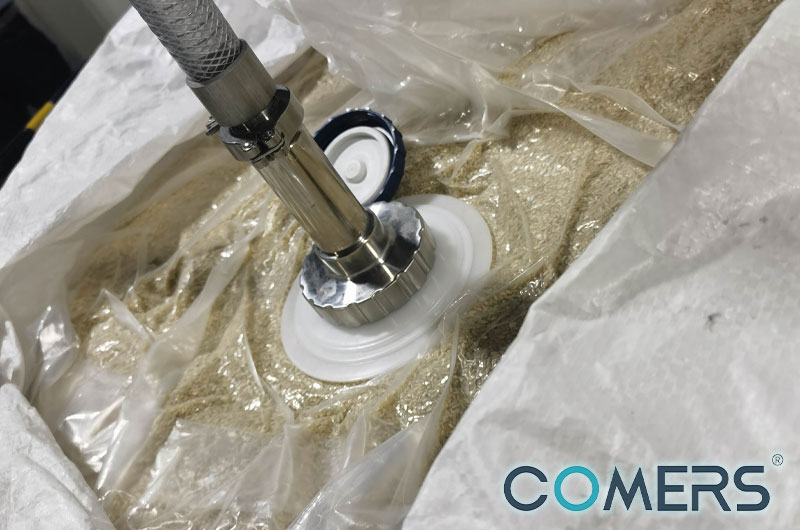
+ Permanent anti-static / temporary anti-static
+ High barrier performance
+ Single material
+ Prevent from moisture, oxygen(low WVTR<3.0,OTR<1.0)
+ Various film types and thicknesses (Length:1M1-2M2 Thinkness:30-160um)
+ For milk powder/ coffee powder
+ Effective barrier and product protection
+ Strict quality control and safety standards
+ Highly customizable solutions
+ Durable and puncture-resistant
-
Intertram®FFS Liners
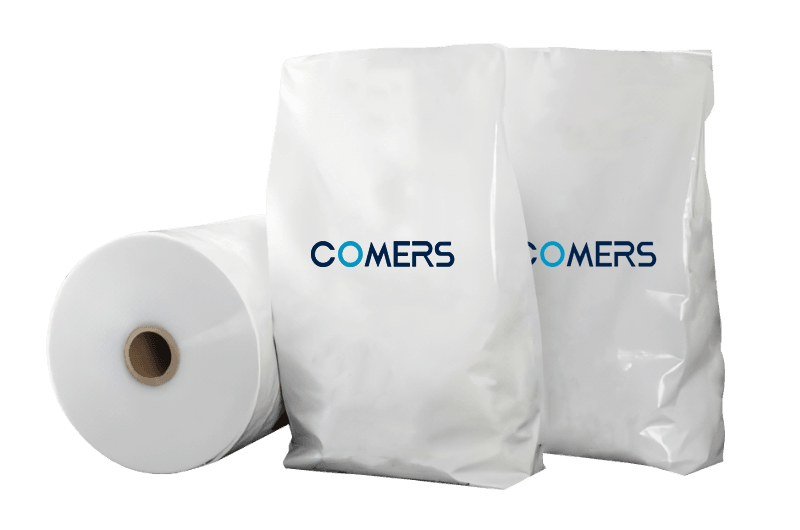
+ high barrier performance
+ prevent from moisture, oxygen(low WVTR<3.0,OTR<1.0)
+ various film types and thicknesses (Length:1M1-2M2 Thinkness:30-160um)
+ can replace Al material
+ High standard in food safety
+ Anti-static film (ATEX prevention)
+ Strict control over contaminants (BPA, Sakazaki-bacillus, etc.)
+ Tailored to customer needs
+ Enhanced product shelf life (approx. 6 months)
-
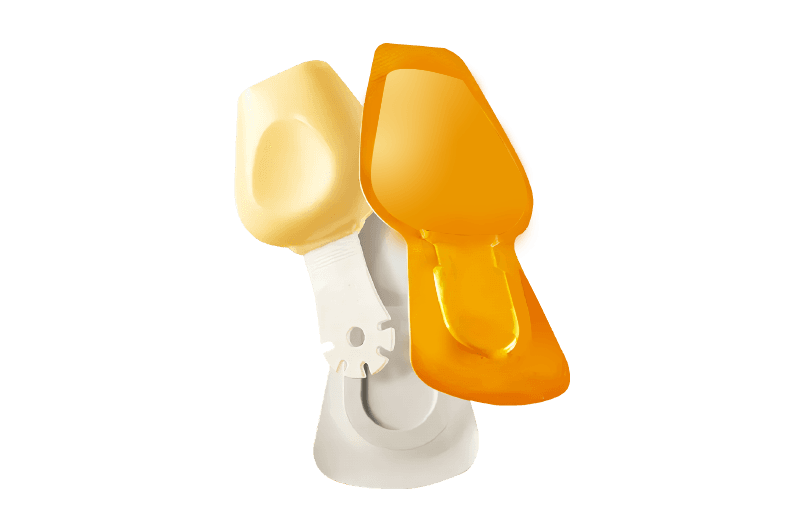
Washna ® Easy-peel films
+ prevent from moisture, oxygen(low WVTR<3.0,OTR<1.0)
+ various film types and thicknesses (Thickness:45 - 90um)
+ Clean & Safe Delamination
+ smooth sealing layer without wire drawing
+ Optimal Peel Performance
+ Good control level of black dot crystal point, in line with GB/T28117
+ Food contact safety
+ High durability
+ Superior barrier properties
+ Child-friendly opening
+ Clean, residue-free peel -
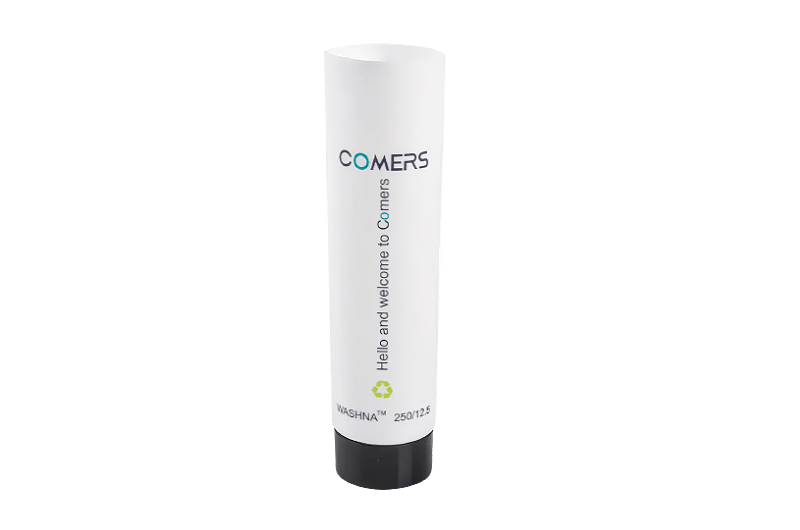
Washna® toothpaste films
+ Suitable for products in paste form
+ High stiffness and good mechanical properties
+ APR approval, Blow-molded in a single blow-molding
+ EVOH≤5%, in line with CEFLEX
+ white/transparent/ultra-white variants (customizable whiteness)
+ Precise thickness control (175−350μm±3%)
+ Excellent puncture resistance
+ Speckle-free surfaces (GB/T 28117 compliant)
+ Reduces environmental impact -
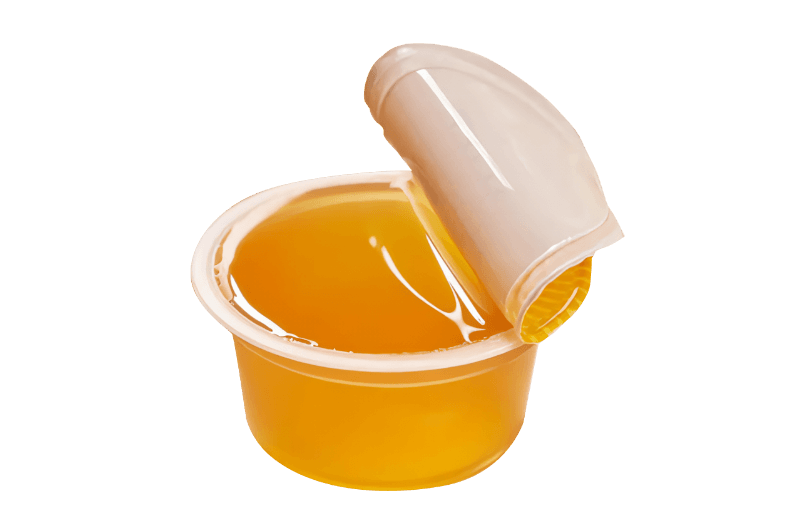
Washna® Laminate films
+ Operates with high-volume film
+ ultimate cost control
+ Good level of crystal point and black point control
+ Customizable with thickness and EVOH ratio
+ Easy-open End (EOE) functionality
+ Preserves freshness and extends shelf life
+ Odor-neutral composition
-
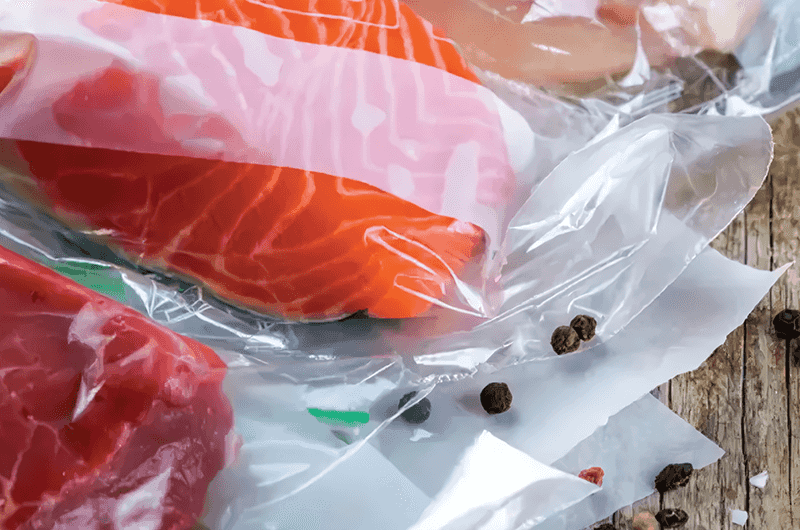
Agometa ® Frozen Vacuum Packaging Bags/Films
+ Excellent transparency
+ Good barrier against water vapor and oxygen
+ Heat sealing performance
+ Adds ultra-high barrier properties
+ high-end food market
+ stable performance, flexible and versatile
+ Good puncture resistance

High-quality products and world-class equipment are OUR COMMITMENT. We can produce 10,000 MT annually in our ISO-8 (Class 100,000) GMP clean rooms. As Custom Air Cushion Gourd Film Bubble Film Factory, we have obtained certifications that are in line with the standards recognized by BRCGS packaging and FSSC 22000. We operate in accordance with the ISO 9001 standard and good manufacturing practices. Supply Custom Bubble Wrap Film. We offer comprehensive services to develop innovative packaging and product protection solutions, and set standards in terms of sustainability and future feasibility.
-
Latest news
Preventing Pinholes in Vacuum Bags: Puncture Resistance and Structure
The Pinhole That Costs More Than the Bag A single pinhole in a vacuum bag rarely shows up on the line. It shows up two days later, when a distributor opens a case and finds a bag that's lost its collapse around a rack of ribs or a shipment of cheese wedges. By then the product h... -
Latest news
Barrier Degradation in Vacuum Packs: Assessing Shelf-Life Risk
When the Seal Looks Fine but the Barrier Isn't A vacuum-sealed pouch can hold its collapsed shape for weeks and still let the product inside go rancid, discolor, or grow mold. The bag hasn't lost vacuum in any way a warehouse worker would notice, yet the oxygen transmission rate... -
Latest news
Release Liner Recycling: Cost-Benefit Analysis & Material Comparison Guide
What Is Release Liner and Why Does Recycling It Matter? Every year, the global label and packaging industry produces an estimated 3.3 million metric tons of release liner. Roughly 70% of it still ends up in landfills or incinerators. That is a staggering figure, and it means you...
Smart & Automated Packaging Equipment — Overview
Automation in cushioning packaging has moved from niche pilot lines to mainstream logistics operations. Automatic inflating machines, high-speed cushion makers, and integrated conveyor systems now form the backbone of modern packaging cells. These machines shorten cycle times, reduce material waste, and enable consistent protective performance for high-volume shipments such as e-commerce parcels and consumer electronics.
Key Equipment Types
Understanding the main categories of equipment helps match capital investment to business needs. Below are the primary types you’ll encounter in production and fulfillment environments.
Automatic Inflating Machines
These machines convert rollstock film into air column bags or bubble channels on demand. They typically control fill pressure, sealing temperature, and cutting length, producing cushions ready for placement or automated insertion. They are ideal where variable package sizes and on-demand buffering reduce inventory and storage costs.
High-Speed Cushion Makers
Designed for continuous, high-throughput lines, high-speed cushion makers produce long runs of air cushion film or interconnected pillow arrays. Their strengths are throughput and minimal operator intervention; their tradeoffs are larger footprint and higher capital cost compared with desktop units.
Inline & Robotic Integration
Robotic arms, pick-and-place systems, and inline conveyors transform cushions into complete packaging stations. Robots can select a pre-inflated air column bag, orient it around a product, and apply tape or film, enabling near-fully automatic packing of fragile items with reproducible protection levels.
Implementation Steps (Practical Roadmap)
Adopting automation is a stepwise process. The ordered list below breaks down typical project phases from assessment through scale-up.
- Assess throughput and variability: measure order profiles, SKUs, and peak volumes to define required cycles per hour.
- Select equipment class: choose between desktop, semi-automatic, or fully automatic based on volume and budget.
- Pilot integration: install equipment on a pilot line to validate cycle times, reliability, and operator training needs.
- Integrate controls & safety: add PLCs, safety guards, and basic HMI; ensure compliance with local machine safety standards.
- Add IoT telemetry: enable remote monitoring, OEE reporting, and predictive maintenance data streams.
- Scale and optimize: replicate successful cells, refine material specifications, and monitor material yield and damage rates.
IoT Integration and Data Flow
IoT is not just a luxury — it transforms packaging equipment into measurable assets. Typical data points include machine uptime, cycle count, air pressure profiles, film consumption, and fault codes. When this data is unified with warehouse WMS or MES systems, teams can correlate packing parameters with damage rates and shipping costs.
Typical telemetry architecture
A lightweight architecture sends machine telemetry to an edge gateway, which forwards aggregated events to cloud dashboards. Alerts (e.g., low film stock, pressure deviations) trigger operator prompts or automatic job changes, improving responsiveness and reducing scrap.
Comparison of Machine Types
| Machine Type | Typical Throughput | Capital Cost | Best Use Case |
| Desktop / On-demand Inflator | Low (tens–hundreds/day) | Low | Low volume e-commerce, returns processing |
| Semi-Automatic Units | Medium (hundreds–thousands/day) | Medium | Mixed SKUs, regional fulfillment centers |
| Fully Automatic / Inline Systems | High (thousands–tens of thousands/day) | High | High volume fulfillment, centralized distribution |
Benefits and Challenges
Automated cushioning delivers consistent protection, lower long-term costs, and faster pack times. It also supports sustainability goals by enabling on-demand production (less stored inventory) and precise material usage. However, challenges include upfront capital, integration complexity, and the need for maintenance skills and spare parts management.
Top benefits
- Reduced damage claims through consistent protective performance.
- Lower material inventory and waste via on-demand production.
- Scalability: replicate automated cells to grow throughput predictably.
Common challenges
- Integration cost and downtime during installation.
- Need for trained technicians and parts inventory for uptime.
- Balancing machine speed with variable product geometries.
Practical Recommendations
Start with a focused pilot on your highest-volume damage category. Measure pre- and post-implementation metrics (damage rate, packing time, film consumption) over a full business cycle. Use those metrics to build a total cost of ownership model that includes downtime, maintenance, and potential carrier savings from lighter, better-packed parcels.
Jiangsu Comers Neo Materials Co., Ltd.
No.161 Cailing Road, Linhu Town, Wuzhong District, Suzhou City, Jiangsu Province, China.
+86-0512-66558319
E-mail: [email protected]
