

 English
 中文简体
中文简体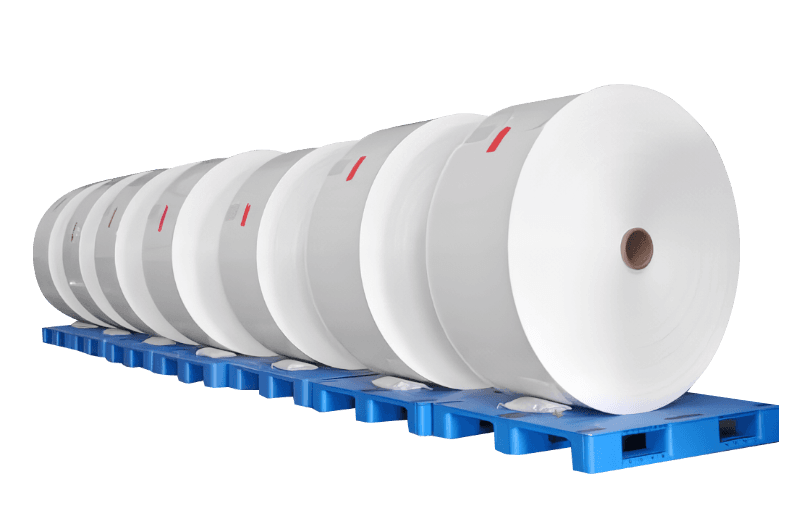
Intertram®FFS Liners
Perfect fit for coffee powder, which require high standard in food safety. We could prevent your products from moisture, oxygen, preserve the food for roughly 6 months to enhance product shelf life. Provide with Anti-static film effectively avoid ATEX for explosive. We offer high puncture resistance to ensure the packaging might not be damaged.Intertram® is available in the form of FFS film on a reel, flat or side gusseted tubular film in a specific size.
Comers strictly controls BPA, Sakazaki-bacillus, Helicobacter pylori, insoluble particles and other pollution sources to ensure the food safety of infant milk powder. Flexible and rigorous processing capabilities, meet the requirements of the FCC material, and with the European Union migration test report, from the polymer point of view to eliminate the pollution of precipitates.
We tailor the Intertram products to your needs and would be pleased to guide you through the available options.
comers® Product advantages
- permanent anti-static / temporary anti-static
- high barrier performance
- single material
- prevent from moisture, oxygen(low WVTR<3.0,OTR<1.0)
- various film types and thicknesses (Length:1M1-2M2 Thinkness:30-160um)
- can replace Al material
-
Intertram®FIBC Liners
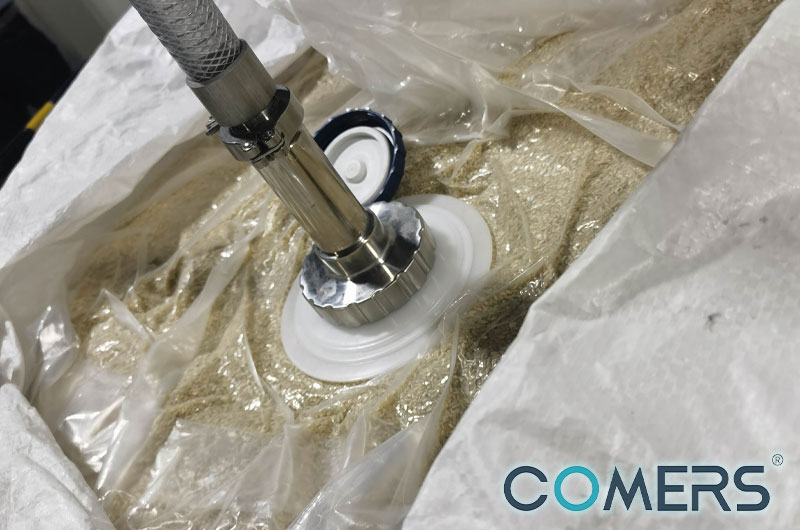
+ Permanent anti-static / temporary anti-static
+ High barrier performance
+ Single material
+ Prevent from moisture, oxygen(low WVTR<3.0,OTR<1.0)
+ Various film types and thicknesses (Length:1M1-2M2 Thinkness:30-160um)
+ For milk powder/ coffee powder
+ Effective barrier and product protection
+ Strict quality control and safety standards
+ Highly customizable solutions
+ Durable and puncture-resistant
-
Intertram®FFS Liners
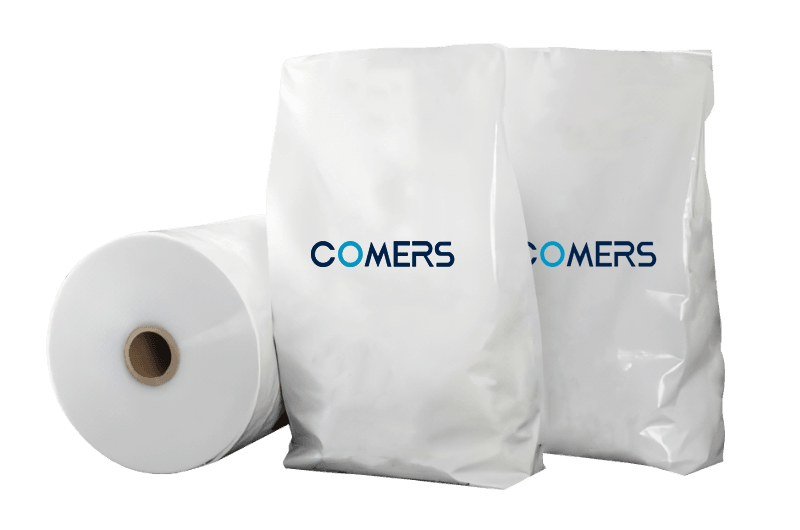
+ high barrier performance
+ prevent from moisture, oxygen(low WVTR<3.0,OTR<1.0)
+ various film types and thicknesses (Length:1M1-2M2 Thinkness:30-160um)
+ can replace Al material
+ High standard in food safety
+ Anti-static film (ATEX prevention)
+ Strict control over contaminants (BPA, Sakazaki-bacillus, etc.)
+ Tailored to customer needs
+ Enhanced product shelf life (approx. 6 months)
-

Washna ® Easy-peel films
+ prevent from moisture, oxygen(low WVTR<3.0,OTR<1.0)
+ various film types and thicknesses (Thickness:45 - 90um)
+ Clean & Safe Delamination
+ smooth sealing layer without wire drawing
+ Optimal Peel Performance
+ Good control level of black dot crystal point, in line with GB/T28117
+ Food contact safety
+ High durability
+ Superior barrier properties
+ Child-friendly opening
+ Clean, residue-free peel -
Washna® toothpaste films
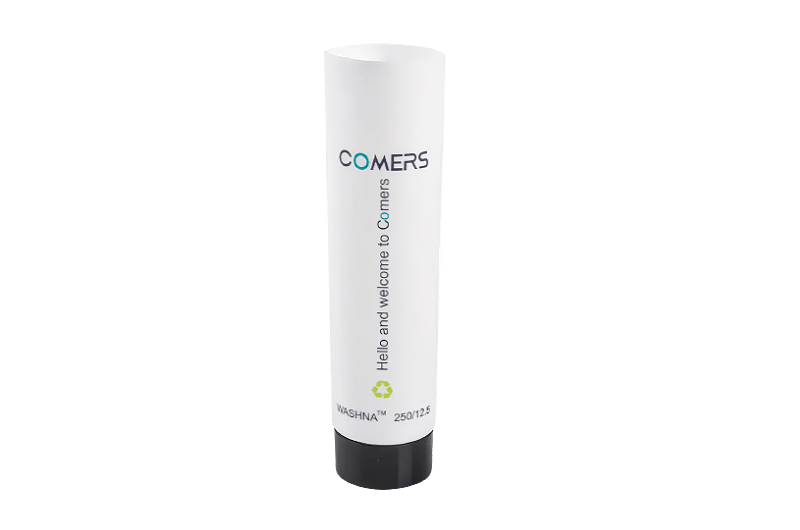
+ Suitable for products in paste form
+ High stiffness and good mechanical properties
+ APR approval, Blow-molded in a single blow-molding
+ EVOH≤5%, in line with CEFLEX
+ white/transparent/ultra-white variants (customizable whiteness)
+ Precise thickness control (175−350μm±3%)
+ Excellent puncture resistance
+ Speckle-free surfaces (GB/T 28117 compliant)
+ Reduces environmental impact -
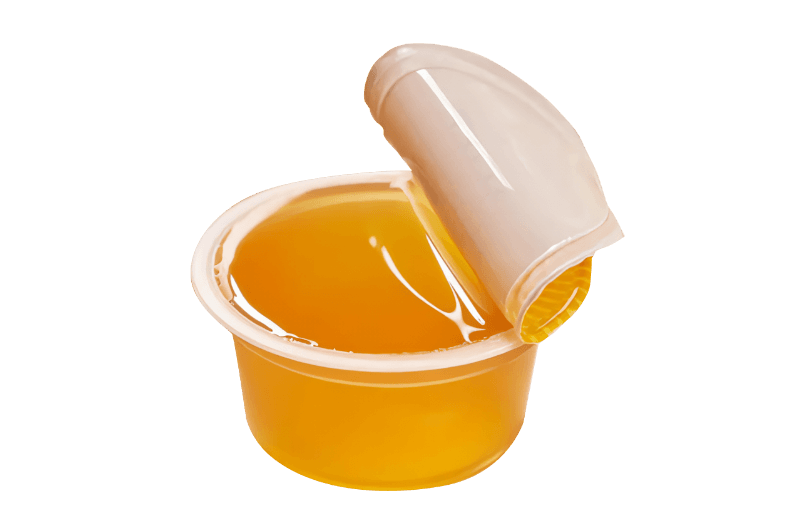
Washna® Laminate films
+ Operates with high-volume film
+ ultimate cost control
+ Good level of crystal point and black point control
+ Customizable with thickness and EVOH ratio
+ Easy-open End (EOE) functionality
+ Preserves freshness and extends shelf life
+ Odor-neutral composition
-
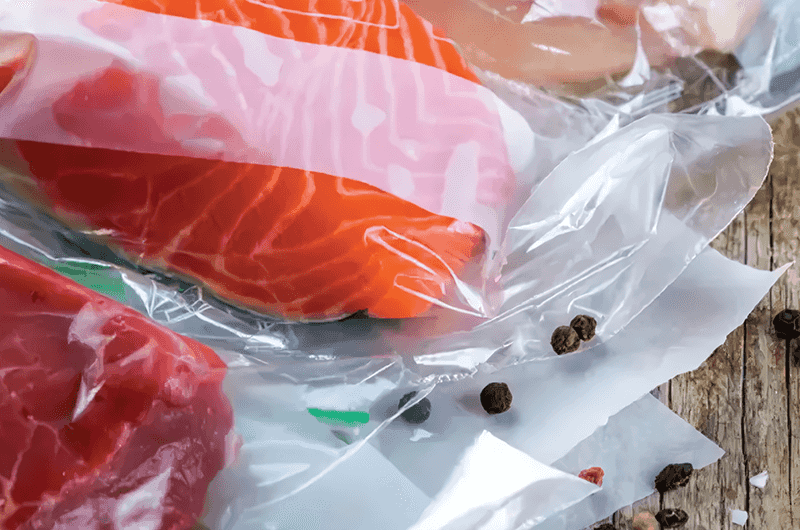
Agometa ® Frozen Vacuum Packaging Bags/Films
+ Excellent transparency
+ Good barrier against water vapor and oxygen
+ Heat sealing performance
+ Adds ultra-high barrier properties
+ high-end food market
+ stable performance, flexible and versatile
+ Good puncture resistance

High-quality products and world-class equipment are OUR COMMITMENT. We can produce 10,000 MT annually in our ISO-8 (Class 100,000) GMP clean rooms. As FFS Liners Factory, we have obtained certifications that are in line with the standards recognized by BRCGS packaging and FSSC 22000. We operate in accordance with the ISO 9001 standard and good manufacturing practices. Supply Custom Single Material Barrier Film. We offer comprehensive services to develop innovative packaging and product protection solutions, and set standards in terms of sustainability and future feasibility.
-
Latest news
Release Liner Recycling: Cost-Benefit Analysis & Material Comparison Guide
What Is Release Liner and Why Does Recycling It Matter? Every year, the global label and packaging industry produces an estimated 3.3 million metric tons of release liner. Roughly 70% of it still ends up in landfills or incinerators. That is a staggering figure, and it means you... -
Latest news
Peelable Lidding Film Selection: Cost vs. Performance for Dairy, Ready Meals & Frozen Foods
What Is a Peelable Lidding Film? Core Definition & Market Drivers A dairy processor recently discovered that their new yogurt lidding film required a 6 N/15mm peel force — customers complained the lid was too hard to remove. A frozen meal brand, meanwhile, saw seal integrity... -
Latest news
Logistics Cushioning Packaging Solutions: Cost, Performance & Sustainability Compared
Why Logistics Cushioning Matters More Than Ever A single crushed shipment of surgical instruments doesn't just cost a warranty claim — it erodes the trust that took three years to earn. In high-volume fulfillment, product damage rates hover between 1% and 3% of total parcels, an...
I. Overview and Applications of FFS Films
Definition and Basic Concept
Form, Fill, and Seal (FFS) films are flexible packaging materials that form, fill, and seal in a continuous automated process. The packaging is created by forming the film into a pouch, filling it with a product, and sealing it to ensure freshness and protection.
Material Properties
FFS films are typically made from polyethylene (PE), polypropylene (PP), or multi-layer materials that offer varying degrees of strength, moisture resistance, and barrier properties. PE is often used for its excellent sealing qualities, while PP provides better resistance to moisture, making it ideal for dry food packaging.
Key Application Areas
FFS films are used in:
Food Packaging: To preserve freshness and extend shelf life.
Pharmaceuticals: Ensuring tamper-evident and sterile conditions.
Industrial Goods: For packaging items like pet food, chemicals, and fertilizers.
II. Types and Benefits of FFS Bags
Types of FFS Bags
FFS bags come in various forms, including:
Vertical Form Fill Seal (VFFS): Ideal for packaging loose, granular products like snacks, rice, or pet food.
Horizontal Form Fill Seal (HFFS): Suited for larger, bulkier items like building materials or chemicals.
Production Process and Technology
The process includes:
Forming the film into a bag.
Filling the bag with the product.
Sealing the bag to secure it.
This high-speed process reduces labor costs and ensures uniform packaging.
Advantages and Market Demand
FFS bags are:
Cost-effective: Cheaper to produce than rigid containers.
Flexible: Customizable in size, shape, and design.
Efficient: Capable of high-speed production for mass packaging needs.
With a growing demand for sustainable packaging, FFS bags are increasingly made from recyclable or biodegradable materials.
III. The Role of FFS Liners in Packaging
Definition and Functionality of FFS Liners
FFS liners are protective layers placed inside FFS bags to enhance product protection. These liners act as an additional barrier, preventing moisture and contaminants from affecting the contents, especially for sensitive products like food, chemicals, and powders.
Common Application Scenarios
FFS liners are used in:
Food Packaging: Protecting products like grains, flour, and powdered milk from moisture.
Chemicals and Bulk Goods: Safeguarding items like fertilizers and industrial chemicals from environmental exposure.
Petrochemicals: Preventing leaks and ensuring the integrity of liquids and oils.
Integration with FFS Bags
FFS liners are inserted into FFS bags, enhancing the overall packaging’s barrier properties and keeping products safe throughout the packaging and transportation process.
IV. Market Trends and Innovations in Flexible Film Sacks
Advantages of Flexibility and Functionality
Flexible film sacks are made from PE, PP, or multi-layer films, offering:
Lightweight: Reducing shipping and handling costs.
Cost-effective: Less expensive than rigid alternatives.
Customizable: Suitable for various shapes, sizes, and designs.
Industry Development Trends
Recyclability: Manufacturers are focusing on making flexible film sacks more recyclable to reduce environmental impact.
Biodegradable Materials: The use of plant-based plastics and other eco-friendly materials is increasing in flexible packaging.
Smart Packaging: Innovations like moisture sensors or temperature indicators are becoming more common, adding value to flexible sacks.
Future Innovations
The future of flexible film sacks will likely include further advancements in bio-based plastics, smart packaging technologies, and more sustainable production methods. These innovations aim to improve both product protection and environmental responsibility
Jiangsu Comers Neo Materials Co., Ltd.
No.161 Cailing Road, Linhu Town, Wuzhong District, Suzhou City, Jiangsu Province, China.
+86-0512-66558319
E-mail: [email protected]
