

 English
 中文简体
中文简体Wrinkling or Delamination After Retort: Causes, Diagnosis & Fixes
Content
Retort sterilization subjects flexible packaging to temperatures between 121°C and 135°C for 30 to 40 minutes — one of the harshest conditions any laminated film must endure. Two of the most common and costly defects that emerge from this process are wrinkling and delamination. While they often appear together, they have different root causes, different risk profiles, and require different corrective actions. Understanding the distinction is the first step toward reliable retort packaging performance.
What Are Wrinkling and Delamination in Retort Packaging?
Wrinkling refers to surface creases, ripples, or distortions that appear on the pouch after the retort cycle. In mild cases, the bag looks uneven or buckled. In severe cases, wrinkles concentrate near the seal zone and compromise the integrity of the heat seal itself, creating potential leak paths.
Delamination is a structurally more serious defect. It occurs when the bonded layers of a laminated film — typically combinations of PET, BOPA, AL foil, and CPP or RCPP — begin to separate. It can appear as visible bubbles, cloudy patches, or large-scale peeling after the bag is removed from the retort. Even partial delamination destroys the barrier function of the packaging, rendering an entire batch unsellable.
Both defects share an important characteristic: their root causes are embedded long before the retort cycle begins — during material selection, printing, lamination, and aging — but the problem only becomes visible under high-temperature sterilization stress. This delayed manifestation is precisely what makes them so damaging for food manufacturers. For a broader overview of the materials involved, see our guide on flexible packaging materials for food products.
Root Causes of Wrinkling After Retort
Wrinkling is primarily a mechanical mismatch problem. When the individual film layers in a laminate shrink at different rates under heat, internal stress builds up and the structure buckles rather than lying flat. Several specific factors drive this:
- Mismatched thermal shrinkage between layers. Each film material — PET, BOPA, CPP — has a different coefficient of thermal expansion. When these rates diverge significantly, the composite structure cannot relax uniformly during retort, and wrinkling results. Structures using BOPA (biaxially oriented polyamide) are especially prone to this because nylon absorbs moisture rapidly, and moisture changes its wet-heat shrinkage rate unpredictably.
- Residual solvent or moisture in the adhesive layer. Ethyl acetate used as a solvent in dry lamination must be fully expelled during the drying tunnel. If moisture content in the solvent exceeds 200 ppm, or if alcohol impurities are present, the curing agent in the adhesive is partially consumed before the two components can fully cross-link. The result is an adhesive layer with reduced heat resistance — one that cannot hold the film flat under thermal stress.
- Incomplete adhesive curing. Two-component polyurethane adhesives require adequate curing time — typically 48 to 72 hours — at the correct temperature before the laminate can be slitted, converted, or filled. Rushing this step leaves unreacted resin in the bond layer, which softens and flows under retort heat, allowing layers to shift and wrinkle.
- BOPA film moisture absorption. Nylon film absorbs moisture from the environment extremely quickly, especially when ambient humidity exceeds 80%. Moisture-saturated BOPA film swells and contracts differently from adjacent dry layers, generating uneven internal tension that wrinkles the finished bag after retort.
Seasonal conditions significantly amplify these risks. In summer, high ambient temperature and humidity accelerate moisture uptake by film and solvents alike, making wrinkling complaints far more frequent during warm months.
Root Causes of Delamination After Retort
Delamination has a wider range of root causes, spanning material chemistry, surface preparation, adhesive formulation, and process control. Understanding which layer is separating — and at which interface — is essential for correct diagnosis.
- Adhesive with insufficient heat and moisture resistance. Most retort adhesives are based on polyurethane resins, which contain ester and urethane groups. These groups are susceptible to hydrolysis — the chemical breakdown of bonds by water at high temperature. Under retort conditions at 121°C, a standard adhesive may lose adhesion rapidly. Retort-grade laminates require adhesives specifically formulated to resist hydrolysis and maintain bond strength above 40 to 50 Newtons after sterilization.
- Incorrect hardener ratio. Polyurethane adhesives are two-component systems. If the hardener (curing agent) is under-dosed, cross-linking between the resin and hardener is insufficient, and the adhesive layer lacks the structural integrity needed at high temperatures. Counter-intuitively, over-dosing the hardener is equally harmful: excessive cross-linking increases internal stress in the adhesive layer, can damage cohesive strength, and causes shrinkage that leads to delamination at the film interfaces.
- Inadequate film surface treatment. For strong adhesion, the film surface must have sufficient surface energy — generally above 38 dynes/cm for standard lamination, and above 50 dynes/cm for BOPA used in retort structures. If corona treatment has degraded due to long storage or improper handling, the adhesive cannot form the intermolecular and chemical bonds needed to survive retort heat. Weak adhesion that passes acceptance testing at room temperature can fail completely at 121°C.
- Wrong adhesive type for the packaged content. Products with high acidity, high salt content, or significant oil content — such as pickles, kimchi, sauces, or marinades — require adhesives specifically rated for media resistance. Using a standard adhesive for these applications will cause the packaged content to chemically attack the adhesive layer during retort, causing delamination even if all other parameters are correct.
- Ink layer incompatibility. Printing inks sit between the outer film and the adhesive layer. If the ink's resin system is not rated for retort conditions, or if the ink releases plasticizers or additives at high temperature that migrate into the adhesive, the ink-to-adhesive and ink-to-film bonds can both fail, causing interfacial delamination that begins at the printed area.
Detailed guidance on selecting the right film structure for barrier performance is available in our food packaging films selection guide.
How to Fix and Prevent These Defects
Addressing wrinkling and delamination requires interventions at multiple stages of the production chain. There is rarely a single fix — the solution must match the confirmed root cause.
Material Selection
Use RCPP (retort-grade cast polypropylene) as the inner sealing layer for any pouch that will undergo retort processing above 100°C. Standard CPP does not have adequate heat resistance for true retort conditions and is a frequent source of both bag failure and delamination at the inner layer. For structures containing aluminum foil in contact with acidic or alkaline contents, add a PA (polyamide) composite layer between the foil and the RCPP to prevent chemical attack on the foil. Always verify that all layers in the laminate have matching or closely similar wet-heat shrinkage rates.
For media-contact adhesives, confirm whether the packaged product is aqueous, oily, acidic, or alkaline — then select an adhesive specifically formulated and tested for that media class. Do not assume that a retort-rated adhesive is automatically media-resistant for all contents.
Process Control During Lamination
Monitor solvent quality — ethyl acetate moisture content should remain below 200 ppm, and alcohol content should be tracked separately. In high-humidity summer conditions, check solvent barrels and adhesive trays for dew-point condensation before use. Control workshop temperature and relative humidity actively; facilities without environmental controls should increase quality inspection frequency during hot and humid months.
Ensure the drying tunnel provides sufficient heat and airflow to fully expel solvent from the adhesive before winding. Insufficient drying is one of the most direct — and most underestimated — causes of post-retort delamination and wrinkling. After lamination, allow the full curing cycle (typically 48 to 72 hours at 40–50°C) before converting or filling. Rushing curing to meet delivery schedules is a primary source of batch-level failures.
Surface Treatment Verification
Check corona treatment quality on every roll of BOPA film before it enters production, particularly after long storage or in humid conditions. For BOPA used in retort structures such as BOPET//BOPA//RCPP, require double-sided corona treatment with surface tension confirmed at no less than 50 dynes/cm. Rolls that do not meet this threshold should not be used for retort applications, even if they appear adequate for standard lamination work. Providing effective moisture barrier packaging depends as much on interface integrity as on the barrier properties of the film itself.
Ink and Adhesive Compatibility
Run full compatibility testing whenever ink, adhesive, or film suppliers are changed — even when the new batch comes from the same supplier. Different production batches can have measurably different additive profiles that affect adhesion after high-temperature cooking. Compatibility testing should simulate the actual retort conditions: 121°C for 40 minutes is the standard benchmark, with peeling force measured before and after.
Quality Testing Before Mass Production
No retort packaging structure should move to mass production without completing a simulated retort test under realistic fill and process conditions. The standard test protocol involves filling pouches with the actual product (or a representative surrogate such as 4% acetic acid, 1% sodium sulfide, 5% sodium chloride, or vegetable oil depending on the product type), exhausting air before sealing, and cooking at the target sterilization temperature and time in a calibrated retort.
After cooling to ambient temperature, each sample should be inspected for: visible wrinkling or distortion; any sign of delamination, bubbling, or layer separation; heat seal integrity; and the following measurable parameters:
- Peel strength — measure before and after retort; calculate the decline rate. A decline of more than 30% is a warning signal requiring root cause investigation.
- Heat seal strength — for retort pouches, the minimum requirement is typically 40 to 50 Newtons; confirm with the equipment specification.
- Tensile strength and elongation at break — post-retort values should remain within acceptable thresholds defined by GB/T 10004-2008 or equivalent applicable standards.
A minimum of 12 samples per structure per condition is recommended — at least six under steam retort and six under water immersion — to obtain statistically meaningful results. Only structures that pass all criteria under simulated conditions should be approved for mass production runs. This confirmation step, while adding time before launch, is far less costly than a batch failure after filling.
For repeat production, establish a receiving inspection procedure that verifies key incoming material parameters — surface tension, solvent moisture content, adhesive curing agent ratio, and film shrinkage rates — before each production campaign. Material from a different supplier batch should trigger a fresh compatibility test regardless of previous approval history.
-
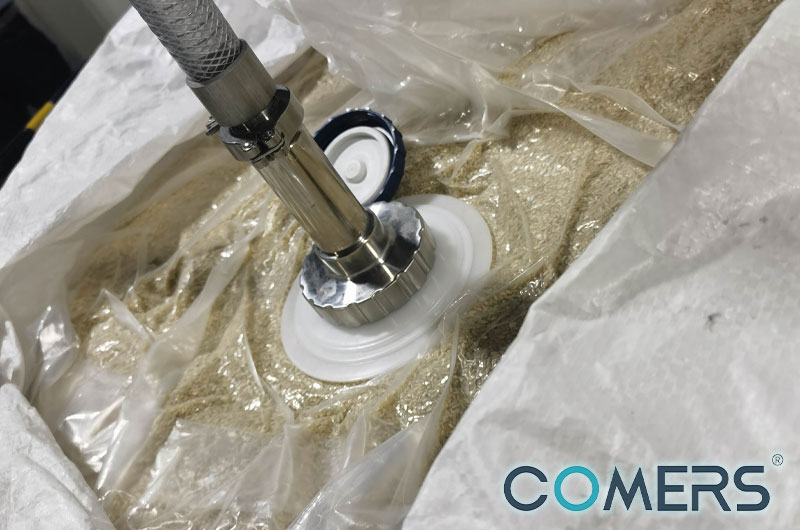
Intertram®FIBC Liners
+ Permanent anti-static / temporary anti-static
+ High barrier performance
+ Single material
+ Prevent from moisture, oxygen(low WVTR<3.0,OTR<1.0)
+ Various film types and thicknesses (Length:1M1-2M2 Thinkness:30-160um)
+ For milk powder/ coffee powder
+ Effective barrier and product protection
+ Strict quality control and safety standards
+ Highly customizable solutions
+ Durable and puncture-resistant
-
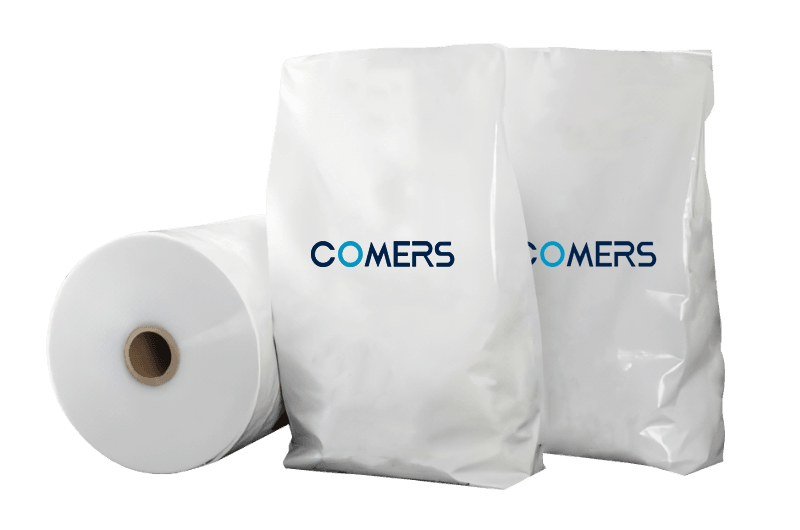
Intertram®FFS Liners
+ high barrier performance
+ prevent from moisture, oxygen(low WVTR<3.0,OTR<1.0)
+ various film types and thicknesses (Length:1M1-2M2 Thinkness:30-160um)
+ can replace Al material
+ High standard in food safety
+ Anti-static film (ATEX prevention)
+ Strict control over contaminants (BPA, Sakazaki-bacillus, etc.)
+ Tailored to customer needs
+ Enhanced product shelf life (approx. 6 months)
-

Washna ® Easy-peel films
+ prevent from moisture, oxygen(low WVTR<3.0,OTR<1.0)
+ various film types and thicknesses (Thickness:45 - 90um)
+ Clean & Safe Delamination
+ smooth sealing layer without wire drawing
+ Optimal Peel Performance
+ Good control level of black dot crystal point, in line with GB/T28117
+ Food contact safety
+ High durability
+ Superior barrier properties
+ Child-friendly opening
+ Clean, residue-free peel -
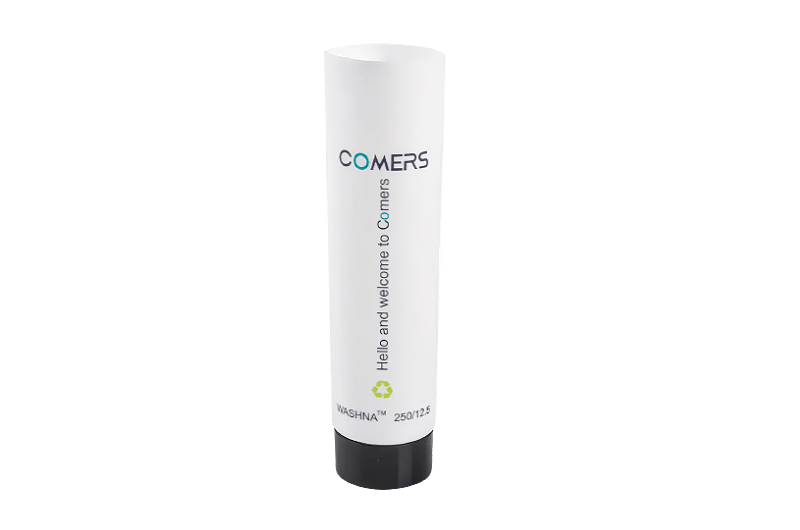
Washna® toothpaste films
+ Suitable for products in paste form
+ High stiffness and good mechanical properties
+ APR approval, Blow-molded in a single blow-molding
+ EVOH≤5%, in line with CEFLEX
+ white/transparent/ultra-white variants (customizable whiteness)
+ Precise thickness control (175−350μm±3%)
+ Excellent puncture resistance
+ Speckle-free surfaces (GB/T 28117 compliant)
+ Reduces environmental impact -
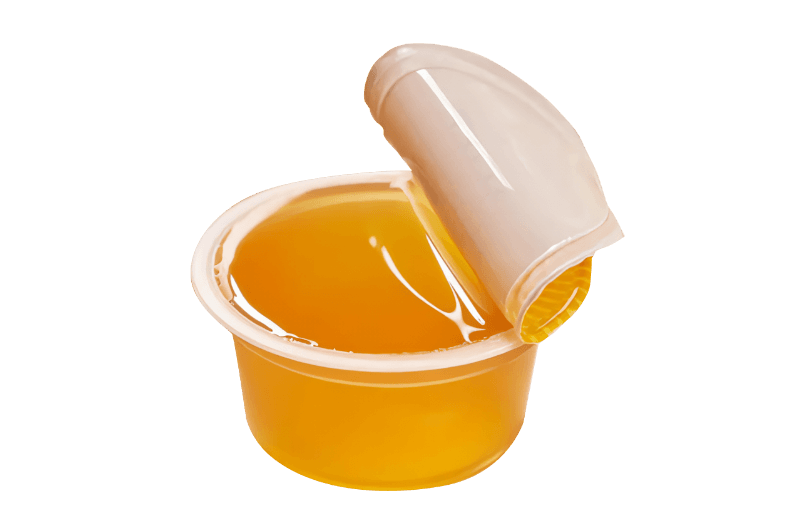
Washna® Laminate films
+ Operates with high-volume film
+ ultimate cost control
+ Good level of crystal point and black point control
+ Customizable with thickness and EVOH ratio
+ Easy-open End (EOE) functionality
+ Preserves freshness and extends shelf life
+ Odor-neutral composition
-
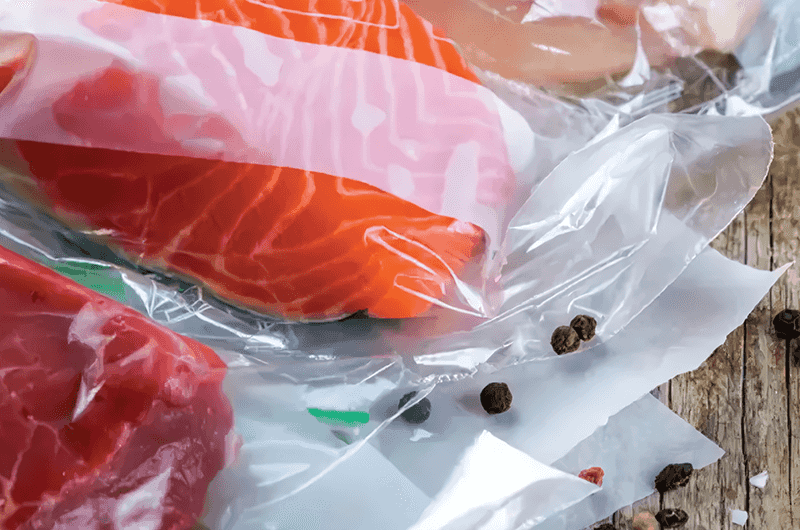
Agometa ® Frozen Vacuum Packaging Bags/Films
+ Excellent transparency
+ Good barrier against water vapor and oxygen
+ Heat sealing performance
+ Adds ultra-high barrier properties
+ high-end food market
+ stable performance, flexible and versatile
+ Good puncture resistance
Jiangsu Comers Neo Materials Co., Ltd.
No.161 Cailing Road, Linhu Town, Wuzhong District, Suzhou City, Jiangsu Province, China.
+86-0512-66558319
E-mail: [email protected]
