

 English
 中文简体
中文简体Food Packaging Films: Materials, Performance & Selection Guide
Content
- 1 Practical overview: what "food packaging films" means for product teams
- 2 Core film materials and their properties
- 3 How film structure determines performance: single- vs multi-layer
- 4 Testing and verification you must run before launch
- 5 Manufacturing constraints and conversion processes
- 6 Regulatory & food safety checkpoints
- 7 Sustainability: practical tradeoffs and claims
- 8 Quick comparative table: common film choices
- 9 Practical vendor/spec request template (use with suppliers)
- 10 Checklist for pilot runs and scale-up
- 11 Conclusion: balancing performance, cost, and sustainability
Practical overview: what "food packaging films" means for product teams
Food packaging films are thin polymeric layers used as the primary or secondary barrier between food and the environment. They control gas and moisture exchange, protect against light and mechanical damage, and influence shelf life, safety, and consumer perception. For product developers and packaging engineers this article focuses on actionable details: how to choose materials and structures, what tests to run, manufacturing constraints, regulatory checkpoints, and sustainable end-of-life options.
Core film materials and their properties
Understanding the base polymers and functional barrier layers is essential. Below are the common film families, their practical strengths, and typical weaknesses you will encounter in specification and procurement.
Polyethylene (PE)
Low-density (LDPE) and linear low-density (LLDPE) offer excellent sealability and toughness at low cost. PE is the default for moisture barrier needs (e.g., frozen foods, bakery) but has poor oxygen and aroma barrier compared with other materials and lower temperature resistance.
Polypropylene (PP)
Biaxially oriented polypropylene (BOPP) gives high stiffness, good heat resistance for hot-fill and some retort uses, and excellent printability. Its moisture barrier is similar to PE, with somewhat better clarity and heat tolerance.
Polyethylene terephthalate (PET)
PET is used when strength, high-temperature stability and dimensional stability are needed (e.g., microwaveable trays, high-clarity lidding). PET is a good oxygen barrier when metallized or coated, but unmodified PET is not an effective aroma barrier.
EVOH and barrier coatings
Ethylene-vinyl alcohol (EVOH) provides outstanding oxygen and aroma barrier when dry (but degrades when exposed to high moisture unless protected by PE/PP layers). Barrier coatings (silicon oxide, aluminum oxide, PVDC alternatives) can dramatically boost barrier without bulk but add processing complexity.
Biobased/biodegradable options (PLA, cellulose)
Polylactic acid (PLA) and regenerated cellulose appeal for compostable claims. They commonly require additional coatings or multilayer structures to approach the barrier of conventional plastics; expect tradeoffs: lower heat resistance and variable compostability based on industrial vs home conditions.
How film structure determines performance: single- vs multi-layer
A film's performance is more about structure than a single polymer. Multilayer films combine different polymers to achieve: sealability, mechanical strength, barrier, and printability. Key practical considerations for specifying structure include lamination compatibility, sealing temperature windows, and peel/seal force targets for packaging lines.
Design checklist for multilayer films
- Determine required barrier metrics: target oxygen transmission rate (OTR, cc/m²·day), water vapor transmission rate (WVTR, g/m²·day), and aroma retention over expected shelf life.
- Select inner sealant layer with a seal window that matches your equipment (heat, dwell time, pressure).
- Choose a structural layer (PET, PA) for puncture / abrasion resistance when the product contains sharp edges or rigid components.
- Consider barrier layer placement (center vs outer) to protect hygroscopic barriers like EVOH from moisture.
Testing and verification you must run before launch
Lab metrics translate directly into real-world shelf life. Below are minimum tests packaging and R&D teams should perform for each candidate film.
Essential barrier & mechanical tests
- Oxygen Transmission Rate (OTR) — measured at defined temperature and relative humidity; critical for oxygen-sensitive foods.
- Water Vapor Transmission Rate (WVTR) — for moisture-sensitive products like crackers, chips, and dehydrated goods.
- Heat seal strength and seal integrity under production speeds and conditions.
- Puncture resistance, tensile strength, and elongation at break to assess transport and consumer handling risks.
Accelerated shelf-life and challenge testing
Run accelerated shelf-life tests (e.g., elevated temperature/humidity) and real-time trials with the actual food to validate predictive models. Include sensory panels for aroma and off-flavor detection when using new barrier coatings or recycled content.
Manufacturing constraints and conversion processes
Film selection must match available converting lines: cast film, blown film, BOPP extrusion, co-extrusion, lamination, and metallization each impose limits on thickness, orientation, and post-processing. Be explicit with suppliers about allowable tensile direction, heat-setting requirements, and whether inline printing or metallization is needed.
Seal processes and equipment compatibility
Different sealant chemistries require specific sealer types: impulse, constant heat, or ultrasonic. Provide target seals per inch (N/25 mm) and desired open/peel behavior (easy-peel vs. tamper-evident) to avoid surprises at scale.
Regulatory & food safety checkpoints
Regulatory compliance is non-negotiable. Ensure all film layers and inks have documented food contact approvals for the markets you sell in (e.g., FDA 21 CFR in the U.S., EU Regulation (EU) No 10/2011 for plastics). Migration testing and documentation must be traceable to specific film lot numbers.
Minimum documentation to request from suppliers
- Declaration of Compliance (DoC) listing applicable regulations and maximum use conditions.
- Specific migration test results for target food simulants and temperatures.
- Lot traceability and Certificates of Analysis (COA) for barrier and mechanical properties.
Sustainability: practical tradeoffs and claims
Sustainable claims (recyclable, compostable, bio-based) are attractive but must align with local waste infrastructure and test results. "Recyclable" only has value where appropriate collection and streams exist; "compostable" often requires industrial composting and may not degrade in home systems.
When to choose recycled content vs. compostable films
- Recycled content (PCR) is best when the film will enter established plastic recycling streams (e.g., mono-PE or mono-PP structures).
- Compostable films suit products sold with an industrial composting program (e.g., fresh produce in regions with municipal composting).
- Hybrid approaches (recyclable outer layer + compostable inner liner) exist but complicate end-of-life and claims.
Quick comparative table: common film choices
| Material | Best for | Key limits | End-of-life |
| LDPE/LLDPE | Moisture barrier, seals, flexibility | Low oxygen barrier | Widely recyclable where collected |
| BOPP | Print clarity, snacks, labels | Moderate barrier vs oxygen | Recyclable in some paper/film streams |
| PET (met/coat) | Rigid lidding, high-clarity trays | Requires coating for aroma barrier | Recyclable via PET streams if mono |
| EVOH (in multilayer) | High oxygen barrier needs | Moisture-sensitive—needs protection | Complex to recycle—often downcycled |
| PLA / Cellulose | Compostable claims, fresh produce | Lower heat resistance, variable barrier | Industrial composting (check local rules) |
Practical vendor/spec request template (use with suppliers)
When requesting quotes, include the following minimal specification to get accurate technical responses and samples:
- Target OTR and WVTR (state units & test conditions), required mechanical properties (tensile, puncture), and desired gauge (microns).
- Production process (vertical form fill seal, flow wrap, thermoform lidding), sealing equipment details and seal temperatures available.
- Regulatory markets (list countries) so supplier can provide specific migration and compliance documentation.
- End-of-life claim you plan to make (recyclable, compostable) and any sustainability certifications required.
Checklist for pilot runs and scale-up
Before full-scale launch, run a controlled pilot that validates: machine runnability at target speed, seal integrity across ambient temperature variations, real product shelf-life, and print/brand appearance after packing. Capture lot-level film certificates and align QA acceptance criteria for incoming film (e.g., OTR tolerance, seal force range).
Conclusion: balancing performance, cost, and sustainability
Selecting the right food packaging film is a multi-dimensional optimization: barrier and mechanical performance dictate shelf life and product quality; manufacturing compatibility determines feasibility and cost; regulatory and end-of-life requirements shape claims and consumer trust. Use the practical tests, vendor checklist, and selection table above to reduce risk and accelerate time-to-market.
If you want, I can convert these requirements into a one-page technical specification template you can send to suppliers, or a sample test matrix tailored to a specific product (ready-to-eat salad, fresh bakery, snack chip, etc.). Tell me which product and I’ll produce the template.
-
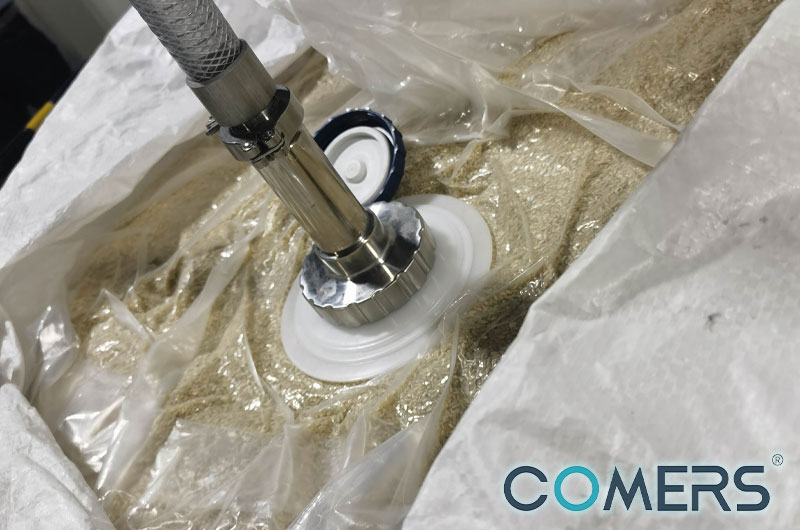
Intertram®FIBC Liners
+ Permanent anti-static / temporary anti-static
+ High barrier performance
+ Single material
+ Prevent from moisture, oxygen(low WVTR<3.0,OTR<1.0)
+ Various film types and thicknesses (Length:1M1-2M2 Thinkness:30-160um)
+ For milk powder/ coffee powder
+ Effective barrier and product protection
+ Strict quality control and safety standards
+ Highly customizable solutions
+ Durable and puncture-resistant
-
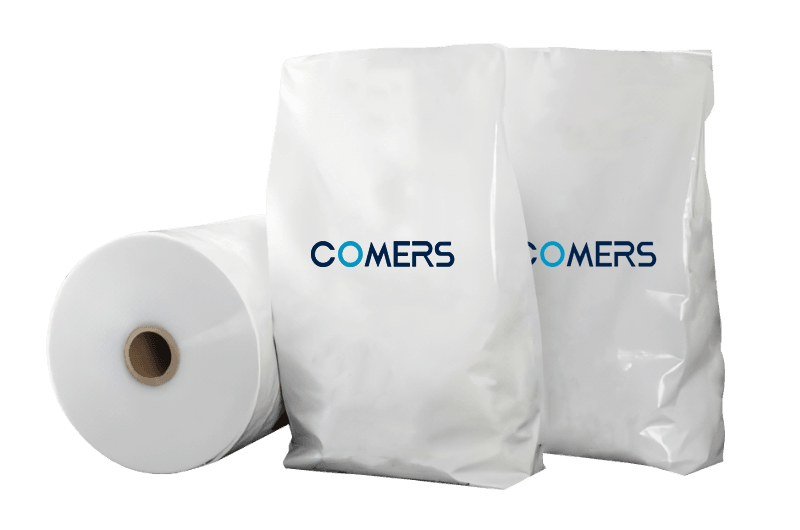
Intertram®FFS Liners
+ high barrier performance
+ prevent from moisture, oxygen(low WVTR<3.0,OTR<1.0)
+ various film types and thicknesses (Length:1M1-2M2 Thinkness:30-160um)
+ can replace Al material
+ High standard in food safety
+ Anti-static film (ATEX prevention)
+ Strict control over contaminants (BPA, Sakazaki-bacillus, etc.)
+ Tailored to customer needs
+ Enhanced product shelf life (approx. 6 months)
-

Washna ® Easy-peel films
+ prevent from moisture, oxygen(low WVTR<3.0,OTR<1.0)
+ various film types and thicknesses (Thickness:45 - 90um)
+ Clean & Safe Delamination
+ smooth sealing layer without wire drawing
+ Optimal Peel Performance
+ Good control level of black dot crystal point, in line with GB/T28117
+ Food contact safety
+ High durability
+ Superior barrier properties
+ Child-friendly opening
+ Clean, residue-free peel -
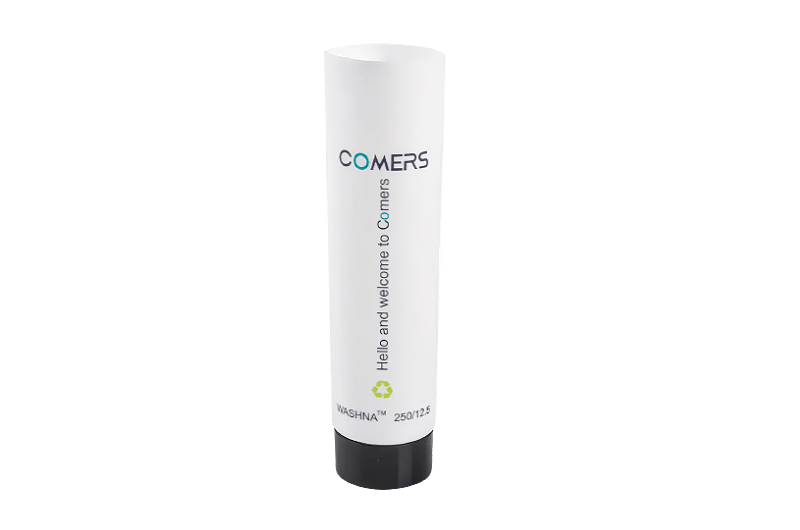
Washna® toothpaste films
+ Suitable for products in paste form
+ High stiffness and good mechanical properties
+ APR approval, Blow-molded in a single blow-molding
+ EVOH≤5%, in line with CEFLEX
+ white/transparent/ultra-white variants (customizable whiteness)
+ Precise thickness control (175−350μm±3%)
+ Excellent puncture resistance
+ Speckle-free surfaces (GB/T 28117 compliant)
+ Reduces environmental impact -
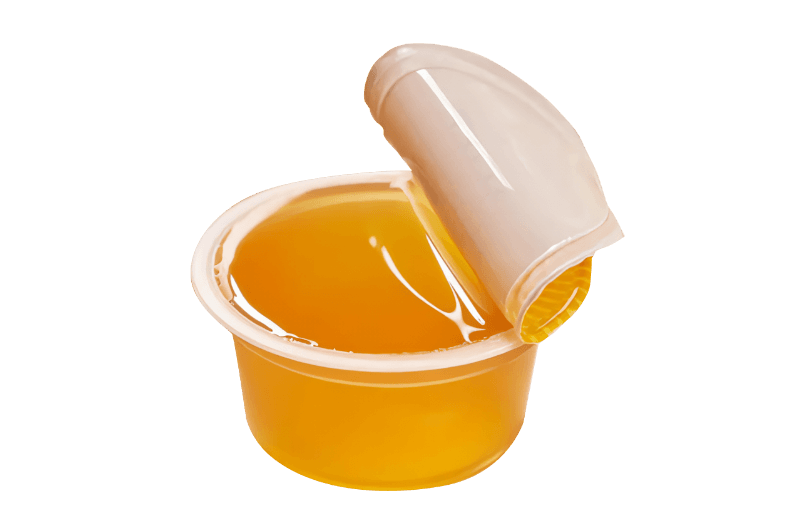
Washna® Laminate films
+ Operates with high-volume film
+ ultimate cost control
+ Good level of crystal point and black point control
+ Customizable with thickness and EVOH ratio
+ Easy-open End (EOE) functionality
+ Preserves freshness and extends shelf life
+ Odor-neutral composition
-
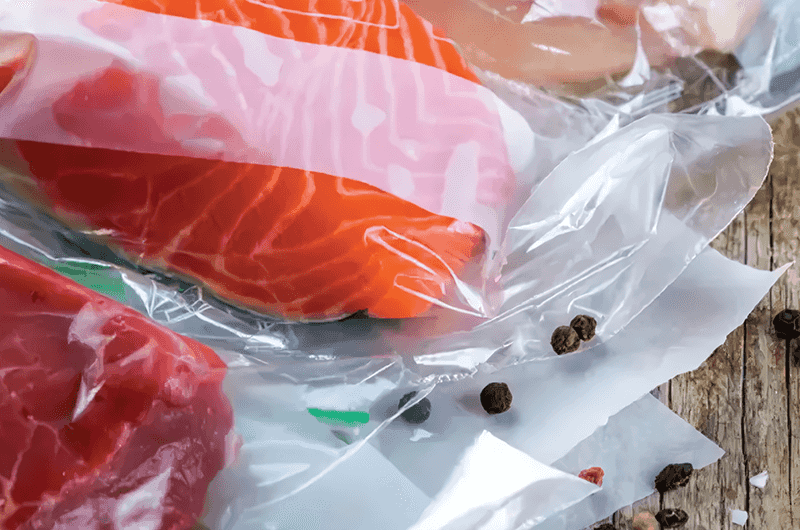
Agometa ® Frozen Vacuum Packaging Bags/Films
+ Excellent transparency
+ Good barrier against water vapor and oxygen
+ Heat sealing performance
+ Adds ultra-high barrier properties
+ high-end food market
+ stable performance, flexible and versatile
+ Good puncture resistance
Jiangsu Comers Neo Materials Co., Ltd.
No.161 Cailing Road, Linhu Town, Wuzhong District, Suzhou City, Jiangsu Province, China.
+86-0512-66558319
E-mail: [email protected]
