

 English
 中文简体
中文简体Film and Vapor Moisture Barrier Packaging Guide
Content
- 1 Practical overview of film barrier, moisture barrier, and vapor barrier packaging
- 2 Key barrier materials and how they work
- 3 Common film constructions and tradeoffs
- 4 Quantifying barrier performance: MVTR, WVTR, and OTR
- 5 Material comparison table (typical performance ranges)
- 6 Design considerations and practical tips
- 7 Manufacturing processes that affect barrier properties
- 8 Testing, standards, and quality control
- 9 Applications and specific recommendations
- 10 Sustainability, recycling and regulatory considerations
- 11 Storage, handling and process control to protect barrier integrity
- 12 Selection checklist for specifying a moisture/vapor barrier film
- 13 Summary: practical next steps
Practical overview of film barrier, moisture barrier, and vapor barrier packaging
Film barrier packaging refers to flexible polymer or laminated materials engineered to limit transfer of gases, moisture (water vapor), and aromas between the packaged product and the outside environment. "Moisture barrier" and "vapor barrier" are often used interchangeably in packaging; both emphasize restricting water vapor transmission rate (WVTR or MVTR). This article focuses on practical selection, performance metrics, manufacturing methods, testing, and end-use considerations for food, pharma, electronics and industrial products.
Key barrier materials and how they work
Barrier films combine base polymers, metallized layers, polymer coatings, or foil to create multi-functional films. The mechanisms that reduce vapor transfer are:
- Dense polymer matrix — polymers like PET and polyamide reduce permeation by presenting a tight molecular structure.
- High-barrier polymers — EVOH and PVDC provide exceptionally low oxygen and moisture transmission when dry and properly oriented or coated.
- Metallization or foil — aluminum foil or vacuum-deposited aluminum on PET creates an almost impervious vapor barrier for most packaging needs.
- Coatings and adhesives — silicon oxide (SiOx) and aluminum oxide (AlOx) coatings, or EVOH coatings, enhance barrier properties without full metalization.
Common film constructions and tradeoffs
Selecting a construction balances barrier performance, sealability, mechanical strength, optics and cost. Typical constructions include:
- Aluminum foil laminates — excellent WVTR/OTR, ideal for long shelf life; limited transparency and more difficult to recycle.
- Metallized PET / BOPP — lower cost than foil, good barrier for many foods, preserves some printability and appearance.
- EVOH / adhesive / PE or PA multilayer — very low gas and aroma transmission but sensitive to moisture (EVOH performance drops if high humidity reaches it from outside layers).
- PVDC coated films — excellent moisture and oxygen barrier with robust performance across humidities, but PVDC has environmental/regulatory issues in some regions.
Quantifying barrier performance: MVTR, WVTR, and OTR
The single most important specification for moisture control is MVTR or WVTR (moisture vapor transmission rate), typically expressed in g/m²/day at a defined temperature and relative humidity (for example 23°C / 85% RH). Oxygen transmission rate (OTR) is expressed in cc/m²/day and matters for oxidation-sensitive products. Practical guidance:
- Always specify the test conditions (temperature, RH) when comparing WVTR numbers — WVTR increases with temperature and humidity.
- For long shelf life of dry foods or electronics, target WVTR values below 0.5 g/m²/day; for short-term or humid products, higher WVTR may be acceptable.
- Check both WVTR and OTR — a film with low WVTR but high OTR may still allow oxidation and aroma loss.
Material comparison table (typical performance ranges)
| Material / Construction | Typical WVTR (g/m²/day) | Notes |
| Aluminum foil laminate | ~0 — 0.01 | Near-perfect barrier; opaque; heavyweight |
| Metallized PET | 0.01 — 0.5 | Good cost/performance for snacks, dry goods |
| EVOH multilayer | 0.005 — 0.2 | Excellent gas barrier, moisture sensitivity if exposed |
| CPP/PE single layer | 1 — 10+ | Low cost, breathable; used as sealant layer |
Design considerations and practical tips
When specifying vapor/moisture barrier films, focus on system performance (film + seals + closures) rather than just film WVTR. A high-barrier film with poor seals will fail. Key practical tips:
- Define the target shelf life with controlled tests — estimate moisture ingress over time and its effect on product quality.
- Specify required test conditions (e.g., WVTR at 38°C / 90% RH) that reflect the worst expected storage environment.
- Include seal integrity tests (peel strength, seal strength at intended sealing temperatures) as part of acceptance criteria.
- Consider barrier liners or secondary packaging (cartons, barrier pouches) when primary film cannot meet extreme barrier needs.
Manufacturing processes that affect barrier properties
The way a film is produced strongly influences its barrier performance and machinability:
- Extrusion and coextrusion — allow tailor-made multilayer structures combining sealant, barrier and strength layers.
- Orientation (BOPET, BOPP) — biaxial orientation improves mechanical strength and optical properties but can change permeation rates.
- Vacuum deposition (metallization) and coating — add barrier without thick laminates; metallized films can be reworked on high-speed form-fill-seal lines.
Testing, standards, and quality control
Use standardized test methods for reliable comparisons. Common tests and standards include:
- ASTM F1249 — determines WVTR using a gravimetric or infrared sensor method at specified temp/RH.
- ASTM D3985 — measures oxygen transmission rate (OTR) using coulometric sensors.
- Seal strength and leak testing — e.g., bubble leak tests, vacuum decay, or dye penetration for package integrity.
Applications and specific recommendations
Below are targeted recommendations by industry application:
Food: snacks, powdered foods, coffee
For oxygen and moisture sensitive snacks and instant coffee, use metallized PET or EVOH multilayer laminates with robust outer layers to prevent pinholes. Include oxygen scavengers or desiccants if necessary to extend shelf life.
Pharmaceuticals and medical devices
Pharma demands validated barrier performance and traceable test records. Foil laminates or high-performance coated films paired with tamper evidence are common. Consider cold chain needs and sterilization compatibility.
Electronics and hygroscopic components
Electronics require ultra-low WVTR packaging often combined with desiccants and humidity indicator cards. Use metalized pouches or aluminum barrier bags and ensure hermetic seals.
Sustainability, recycling and regulatory considerations
Barrier films frequently use multilayer constructions that challenge recycling. Practical approaches include:
- Design for recyclability — where possible choose mono-polymer or compatible layers to enable mechanical recycling.
- Explore chemically recyclable or mono-material barrier options (e.g., metallized mono-PET with compatible sealant).
- Track regulatory restrictions (e.g., PVDC usage, fluorinated coatings) and provide compliant documentation for food or medical contact.
Storage, handling and process control to protect barrier integrity
Barrier films can be damaged by abrasion, folding, or high humidity during storage. Best practices:
- Store rolls in original packaging, on pallets, in climate-controlled areas to prevent moisture uptake before converting.
- Inspect converted pouches for pinholes, wrinkles and seal defects; perform inline leak tests where possible.
- Document lot-by-lot WVTR and seal test results for traceability when required by the customer or regulator.
Selection checklist for specifying a moisture/vapor barrier film
- Define product sensitivity (moisture and oxygen limits) and required shelf life.
- Specify WVTR/OTR test conditions that reflect worst-case storage and transit environments.
- Confirm sealant compatibility with filling/sealing equipment and required seal strength.
- Evaluate recyclability and regulatory constraints for target markets.
- Request representative samples and accelerated shelf life tests before full scale production.
Summary: practical next steps
To move from concept to production: request WVTR and OTR test certificates at specified conditions, run pilot trials on your filling/sealing line, and include package integrity testing in your quality plan. Balance barrier performance with recyclability and cost, and always validate shelf life under realistic storage conditions.
-
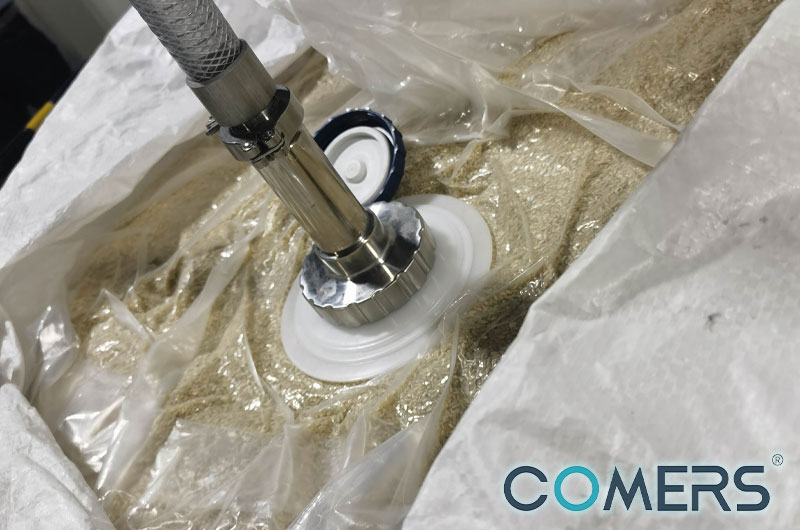
Intertram®FIBC Liners
+ Permanent anti-static / temporary anti-static
+ High barrier performance
+ Single material
+ Prevent from moisture, oxygen(low WVTR<3.0,OTR<1.0)
+ Various film types and thicknesses (Length:1M1-2M2 Thinkness:30-160um)
+ For milk powder/ coffee powder
+ Effective barrier and product protection
+ Strict quality control and safety standards
+ Highly customizable solutions
+ Durable and puncture-resistant
-
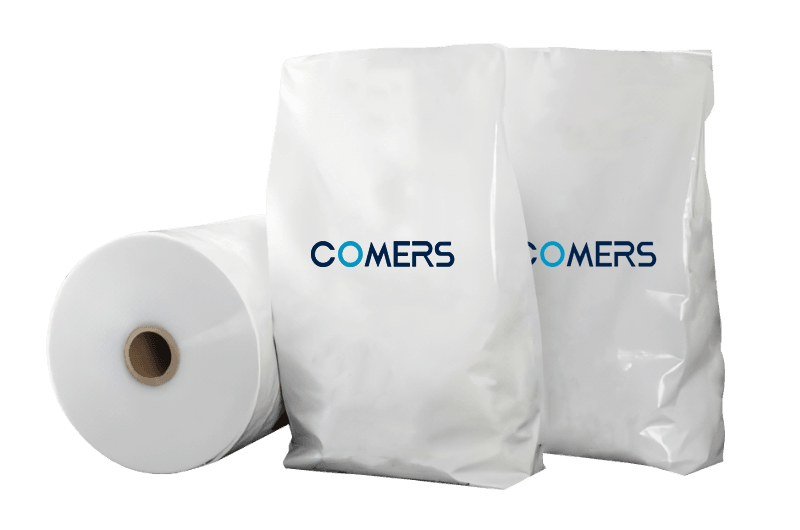
Intertram®FFS Liners
+ high barrier performance
+ prevent from moisture, oxygen(low WVTR<3.0,OTR<1.0)
+ various film types and thicknesses (Length:1M1-2M2 Thinkness:30-160um)
+ can replace Al material
+ High standard in food safety
+ Anti-static film (ATEX prevention)
+ Strict control over contaminants (BPA, Sakazaki-bacillus, etc.)
+ Tailored to customer needs
+ Enhanced product shelf life (approx. 6 months)
-

Washna ® Easy-peel films
+ prevent from moisture, oxygen(low WVTR<3.0,OTR<1.0)
+ various film types and thicknesses (Thickness:45 - 90um)
+ Clean & Safe Delamination
+ smooth sealing layer without wire drawing
+ Optimal Peel Performance
+ Good control level of black dot crystal point, in line with GB/T28117
+ Food contact safety
+ High durability
+ Superior barrier properties
+ Child-friendly opening
+ Clean, residue-free peel -
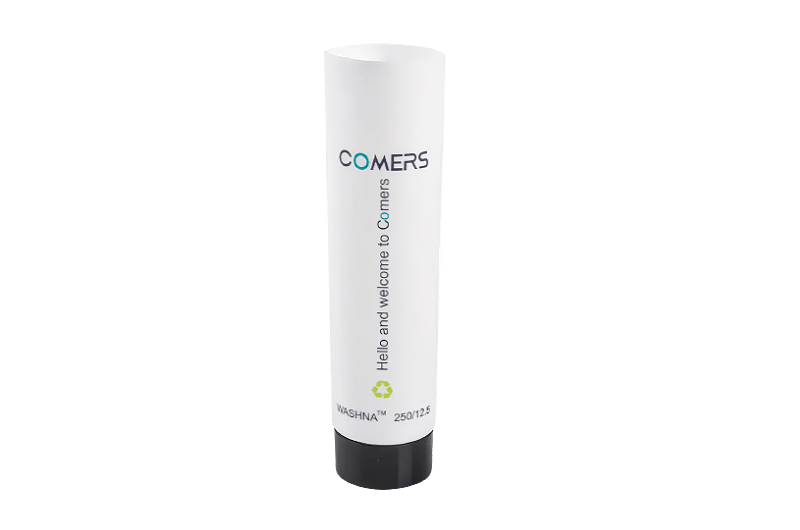
Washna® toothpaste films
+ Suitable for products in paste form
+ High stiffness and good mechanical properties
+ APR approval, Blow-molded in a single blow-molding
+ EVOH≤5%, in line with CEFLEX
+ white/transparent/ultra-white variants (customizable whiteness)
+ Precise thickness control (175−350μm±3%)
+ Excellent puncture resistance
+ Speckle-free surfaces (GB/T 28117 compliant)
+ Reduces environmental impact -
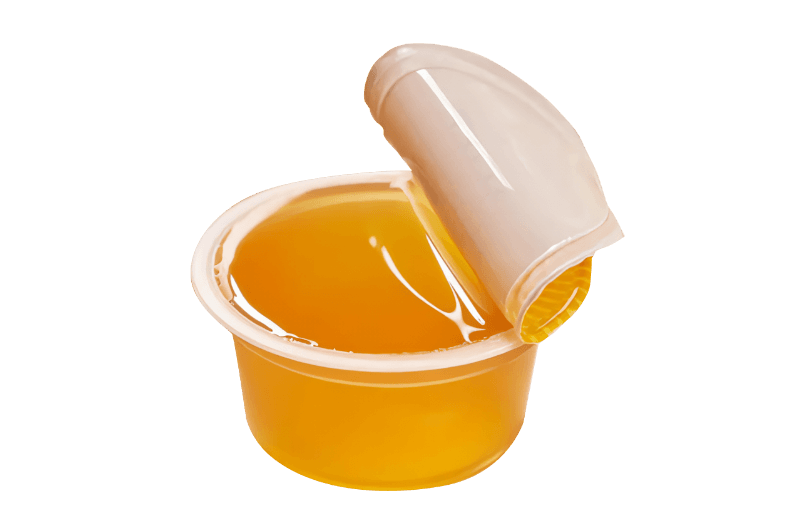
Washna® Laminate films
+ Operates with high-volume film
+ ultimate cost control
+ Good level of crystal point and black point control
+ Customizable with thickness and EVOH ratio
+ Easy-open End (EOE) functionality
+ Preserves freshness and extends shelf life
+ Odor-neutral composition
-
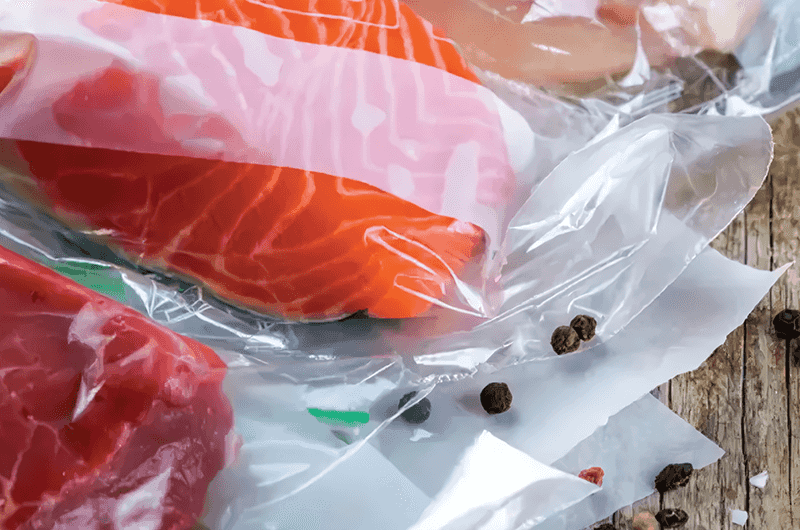
Agometa ® Frozen Vacuum Packaging Bags/Films
+ Excellent transparency
+ Good barrier against water vapor and oxygen
+ Heat sealing performance
+ Adds ultra-high barrier properties
+ high-end food market
+ stable performance, flexible and versatile
+ Good puncture resistance
Jiangsu Comers Neo Materials Co., Ltd.
No.161 Cailing Road, Linhu Town, Wuzhong District, Suzhou City, Jiangsu Province, China.
+86-0512-66558319
E-mail: [email protected]
