

 English
 中文简体
中文简体From Alu-Lam to Recyclable Structures: How to Replace Tube Materials
Content
Aluminum barrier laminate (ABL) tubes have dominated flexible tube packaging for decades. Their exceptional barrier performance made them the default choice for pharmaceuticals, cosmetics, and food products requiring long shelf life. But that era is ending. Tightening regulations, brand sustainability commitments, and advances in barrier film technology are all pushing manufacturers to find recyclable alternatives — without sacrificing the functional properties that ABL provided.
This article explains what makes ABL hard to replace, maps the realistic alternatives available today, and offers a practical framework for matching the right material structure to your product and application.
What Is Alu-Lam and Why Is It Being Phased Out
An aluminum barrier laminate tube — commonly called Alu-Lam or ABL — is a multi-layer structure that typically combines an inner polyethylene (PE) layer for product contact, one or more aluminum foil layers for barrier performance, and outer PE or printed layers for structure and decoration. The aluminum layer is what gives ABL its outstanding protection: it blocks oxygen, moisture, light, and volatile compounds with a level of effectiveness that few other materials can match.
For pharmaceutical ointments and creams subject to regulatory approval, or for cosmetic products with complex active ingredients, this performance has been indispensable. ABL tubes typically achieve oxygen transmission rates (OTR) below 0.01 cm³/m²/day — far better than most plastic alternatives — which is why they became the standard in sensitive applications.
The problem is recyclability. Because ABL fuses aluminum and plastic into an inseparable composite, standard mechanical recycling streams cannot process it. In most markets, ABL tubes are either incinerated, downcycled into low-grade materials, or sent to landfill. In Europe, around 38% of the estimated 11.5 billion tubes produced annually are laminate tubes, the majority being ABL — and virtually none of these are recycled in existing facilities.
Regulatory pressure is accelerating the transition. The EU Packaging and Packaging Waste Regulation (PPWR), which requires all packaging to be recyclable by 2030, puts ABL tubes in a difficult position. Brands with public sustainability targets are moving ahead of the regulatory timeline, actively reformulating packaging to qualify for recyclable material streams. The result is a fast-growing demand for tube structures that maintain credible barrier performance while being processable in existing or near-future recycling infrastructure.
The Main Alternatives to ABL Tube Structures
No single material replaces ABL in every situation. The right alternative depends on the barrier requirements of your product, the recycling stream available in your target market, and cost constraints. Three principal directions have emerged as realistic replacements, each with different technical trade-offs:
- Mono-material tubes — extruded from a single polymer family (typically PE or PP), often with an integrated EVOH barrier layer. These qualify as recyclable in polyolefin streams if the non-polyolefin content remains below 5%.
- Coextruded barrier film tubes (PBL) — plastic barrier laminates made by coextruding multiple layers of compatible polymers with an EVOH or PVDC core. They offer substantially better barrier than standard mono-material tubes and are increasingly accepted in recycling streams.
- Paper-based and hybrid structures — tubes incorporating paper layers for a reduced plastic footprint and a sustainability communication advantage, though with significant limitations in moisture-sensitive applications.
Understanding the capabilities and constraints of each is essential before making a substitution decision. For brands managing product portfolios across multiple categories, the answer is rarely one material across the board — it is a strategic mapping of product requirements to material architecture. Guidance on broader flexible packaging materials and their functional trade-offs can help frame this decision at the category level.
Mono-Material PE and PP Tubes: The Simplest Swap
Mono-material tubes represent the most straightforward path to recyclability. By constructing the entire tube from one polymer family — most commonly high-density polyethylene (HDPE) for the shoulder and low-density polyethylene (LDPE) for the flexible body — the finished tube can enter standard polyolefin recycling streams without separation.
For products with moderate barrier needs, a well-designed mono-PE tube may be sufficient. Oxygen permeability through a standard LDPE tube wall is typically in the range of 2,000–4,000 cm³/m²/day — adequate for products like hand creams, hair conditioners, or body wash that are consumed quickly and do not require protection from oxidation over long periods.
When barrier requirements are more demanding, an EVOH (ethylene vinyl alcohol) layer can be incorporated into the extruded structure as a tie-layer sandwich. EVOH is one of the most effective polymer-based oxygen barriers available, with OTR values as low as 0.01–0.1 cm³/m²/day depending on layer thickness. To maintain recyclability, the EVOH layer must remain below 5% of the total tube weight — a threshold recognized by major European recycling guidelines for polyolefin compatibility.
The limitations of mono-material tubes are real. They cannot match the moisture barrier of aluminum, making them unsuitable for highly hygroscopic products or pharmaceuticals that require water vapor transmission rates (WVTR) below 0.5 g/m²/day. They also have lower stiffness than ABL, which affects shelf presentation and consumer perception of product quality. For brands making the switch, tube design — wall thickness, shoulder geometry, and cap system — must often be re-engineered alongside the material change.
Coextruded Barrier Films: Performance Without Aluminum
Coextruded barrier film structures — the foundation of plastic barrier laminate (PBL) tubes — offer a middle path between the recyclability of mono-material tubes and the barrier performance of ABL. Rather than bonding separate film layers through adhesive lamination, coextrusion produces a unified multilayer film in a single manufacturing step, with all layers extruded simultaneously through a multi-channel die.
A typical coextruded tube film for demanding applications uses five to nine layers: inner and outer polyolefin layers for sealing, structural integrity, and printability; one or more tie layers to bond incompatible polymers; and a central EVOH barrier core. Because all layers are chemically bonded during extrusion rather than adhesively laminated, the structure is more homogeneous and contains no adhesive residue — a factor that simplifies material recovery.
Well-designed coextruded structures can achieve OTR values of 0.1–1.0 cm³/m²/day, which meets the barrier requirements of a broad range of cosmetic and personal care formulations, as well as many food tube applications. This represents a significant step up from standard mono-material PE and places coextruded films in direct competition with the lower end of ABL's performance range.
From a production efficiency standpoint, coextrusion offers advantages over both traditional lamination and ABL manufacturing. The elimination of separate lamination steps reduces energy consumption, shortens the production cycle, and lowers the risk of delamination defects — a known failure mode in adhesively bonded ABL structures under stress or temperature variation. For tube manufacturers, this translates into tighter quality control and more predictable batch-to-batch consistency.
Recyclability of coextruded PBL structures depends on composition. Films built primarily from polyolefins with a low-content EVOH core qualify for PE recycling streams under current European guidelines. As recycling infrastructure for multi-material flexible films continues to develop, the acceptance criteria are expected to broaden — making today's coextruded tube films well-positioned for the regulatory environment of 2028–2030.
Paper-Based and Hybrid Tube Structures
Paper-based tube structures have gained significant consumer-facing appeal as brands seek to communicate environmental responsibility at the point of sale. A paper outer layer creates a tactile, natural aesthetic that resonates with sustainability-conscious consumers, and paper is broadly understood by the public as a recyclable material.
In practice, paper tube structures used for liquid or semi-liquid products almost always incorporate an inner polymer lining — typically PE or PP — to provide moisture resistance and product compatibility. This inner layer is necessary for any product with meaningful water content, as uncoated paper has essentially no moisture barrier. The result is a hybrid material that, while appearing paper-based, requires the same separation challenges as any paper-plastic composite to achieve high-quality recycling.
Purely paper-based tubes without an inner polymer liner are limited to dry or solid products — stick formats for deodorants, lip balm, or solid cosmetics — where moisture contact with the tube wall is minimal and barrier performance is not a critical requirement. In these applications, paper tubes are genuinely recyclable and represent a credible sustainable choice.
For wet-fill tube applications, paper-based structures should be evaluated carefully against their actual end-of-life path in the target market. A tube that looks recyclable but enters the residual waste stream due to the absence of a processing route provides no real environmental benefit over an ABL tube, and may generate misleading sustainability claims. Brands considering paper-based tube formats should verify collection and sorting infrastructure in each market before committing to the format.
Choosing the Right Replacement by Application
The decision to replace ABL should begin with a clear specification of the barrier performance your product actually requires — not the performance ABL happened to deliver. Many products currently packed in ABL tubes were specified to that standard out of convention rather than necessity. A rigorous shelf-life study using the target replacement material often reveals that mono-material or coextruded structures are sufficient.
Several practical steps should accompany any material transition. First, conduct accelerated shelf-life testing with the replacement structure under conditions that reflect worst-case storage and transport. Second, review compatibility between the tube inner layer and the product formulation — some active ingredients interact differently with PE versus aluminum-lined surfaces. Third, confirm the recyclability claims of your chosen structure against the specific sorting and collection infrastructure in your primary markets, as acceptance criteria vary significantly between regions.
Finally, work with film and tube suppliers who can provide full material documentation, including layer composition, additive declarations, and recycling guideline compliance certificates. Transparent supply chain documentation is increasingly required by retail customers and is essential for regulatory compliance under evolving extended producer responsibility (EPR) schemes. The shift from Alu-Lam is not just a materials engineering decision — it is a supply chain redesign that rewards early, well-documented action.
-
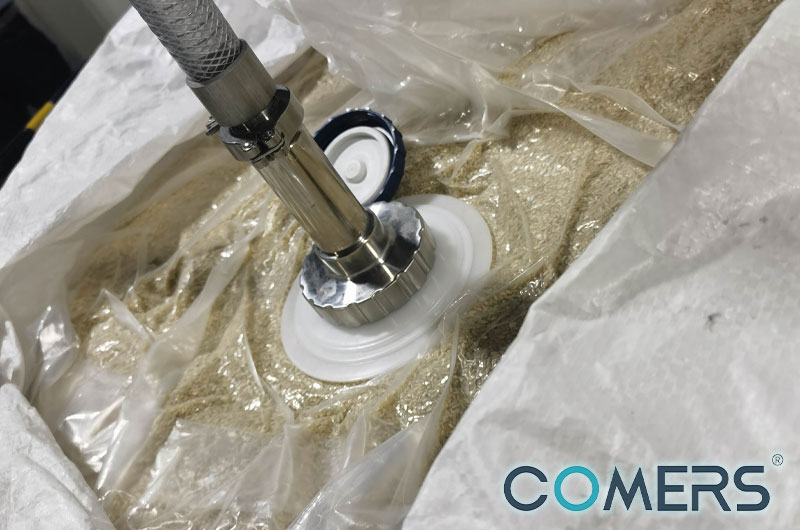
Intertram®FIBC Liners
+ Permanent anti-static / temporary anti-static
+ High barrier performance
+ Single material
+ Prevent from moisture, oxygen(low WVTR<3.0,OTR<1.0)
+ Various film types and thicknesses (Length:1M1-2M2 Thinkness:30-160um)
+ For milk powder/ coffee powder
+ Effective barrier and product protection
+ Strict quality control and safety standards
+ Highly customizable solutions
+ Durable and puncture-resistant
-
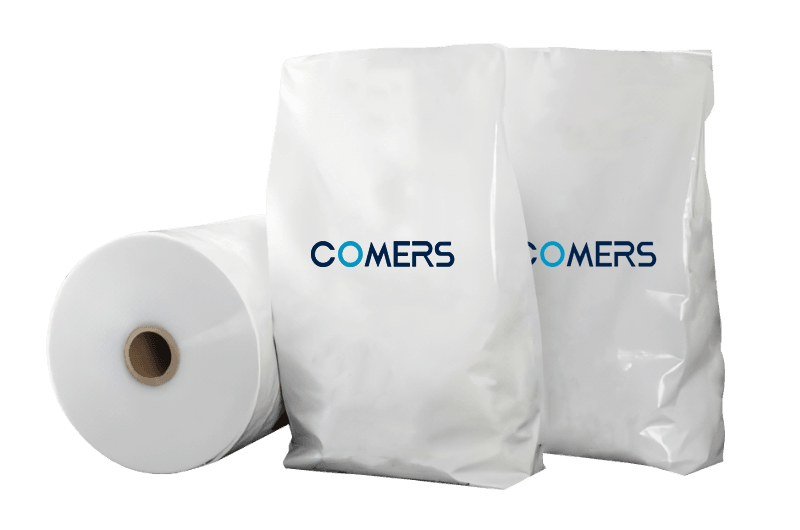
Intertram®FFS Liners
+ high barrier performance
+ prevent from moisture, oxygen(low WVTR<3.0,OTR<1.0)
+ various film types and thicknesses (Length:1M1-2M2 Thinkness:30-160um)
+ can replace Al material
+ High standard in food safety
+ Anti-static film (ATEX prevention)
+ Strict control over contaminants (BPA, Sakazaki-bacillus, etc.)
+ Tailored to customer needs
+ Enhanced product shelf life (approx. 6 months)
-

Washna ® Easy-peel films
+ prevent from moisture, oxygen(low WVTR<3.0,OTR<1.0)
+ various film types and thicknesses (Thickness:45 - 90um)
+ Clean & Safe Delamination
+ smooth sealing layer without wire drawing
+ Optimal Peel Performance
+ Good control level of black dot crystal point, in line with GB/T28117
+ Food contact safety
+ High durability
+ Superior barrier properties
+ Child-friendly opening
+ Clean, residue-free peel -
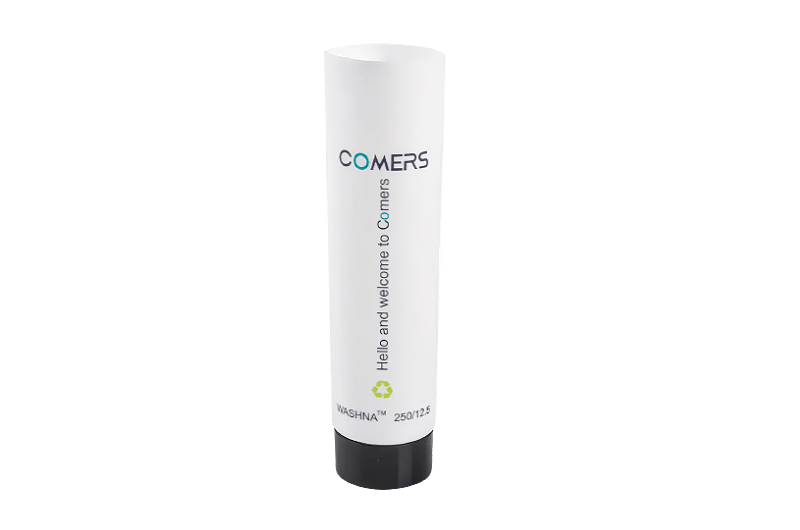
Washna® toothpaste films
+ Suitable for products in paste form
+ High stiffness and good mechanical properties
+ APR approval, Blow-molded in a single blow-molding
+ EVOH≤5%, in line with CEFLEX
+ white/transparent/ultra-white variants (customizable whiteness)
+ Precise thickness control (175−350μm±3%)
+ Excellent puncture resistance
+ Speckle-free surfaces (GB/T 28117 compliant)
+ Reduces environmental impact -
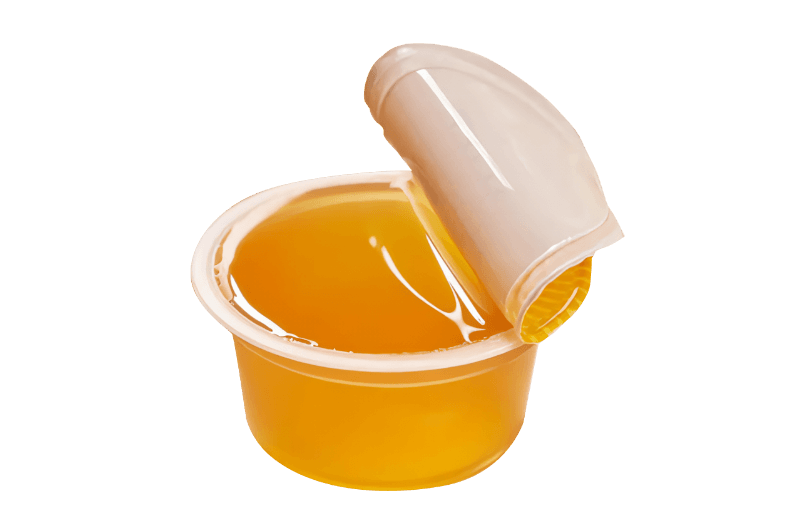
Washna® Laminate films
+ Operates with high-volume film
+ ultimate cost control
+ Good level of crystal point and black point control
+ Customizable with thickness and EVOH ratio
+ Easy-open End (EOE) functionality
+ Preserves freshness and extends shelf life
+ Odor-neutral composition
-
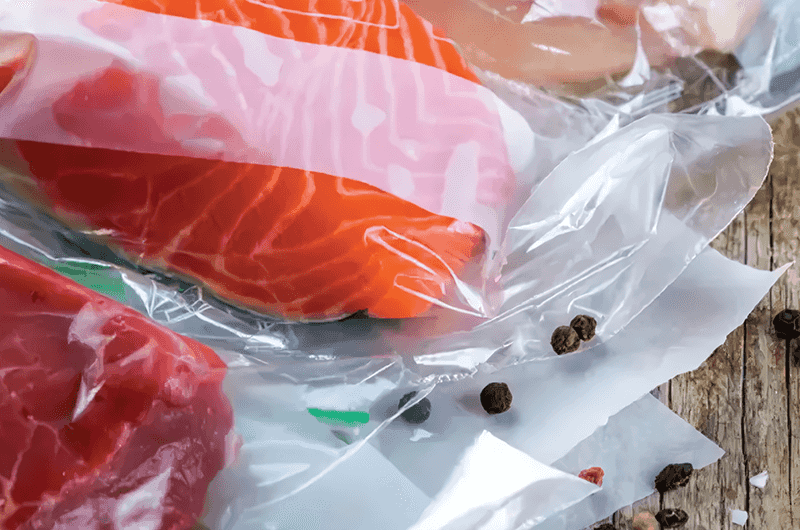
Agometa ® Frozen Vacuum Packaging Bags/Films
+ Excellent transparency
+ Good barrier against water vapor and oxygen
+ Heat sealing performance
+ Adds ultra-high barrier properties
+ high-end food market
+ stable performance, flexible and versatile
+ Good puncture resistance
Jiangsu Comers Neo Materials Co., Ltd.
No.161 Cailing Road, Linhu Town, Wuzhong District, Suzhou City, Jiangsu Province, China.
+86-0512-66558319
E-mail: [email protected]
