

 English
 中文简体
中文简体Flexible Packaging Materials for Food Products: A Deep Dive
Introduction
The food packaging industry has undergone a profound transformation in recent years. One of the most significant developments has been the rise of flexible packaging materials. These materials offer numerous benefits, such as extended shelf life, cost-effectiveness, and the ability to provide enhanced consumer experiences. As global demand for convenience, sustainability, and innovation in food packaging grows, flexible packaging is increasingly becoming the preferred choice for manufacturers.
This article explores the diverse range of flexible packaging materials used for food products, their advantages, key trends, and the sustainability challenges and innovations shaping their future.
What Is Flexible Packaging?
Flexible packaging refers to materials that can be easily molded into different shapes and sizes. Unlike rigid containers, such as glass bottles or metal cans, flexible packaging includes products like pouches, bags, wraps, and films. These materials are primarily made from plastic, paper, metal, or a combination of these, and they offer superior adaptability in terms of shape, size, and material properties.
Flexible packaging is commonly used for a wide variety of food products, ranging from snacks and beverages to frozen meals and dairy products. The versatility of flexible materials allows manufacturers to meet the unique demands of the food industry, such as lightweight design, space efficiency, and ease of storage and transport.
Types of Flexible Packaging Materials
Flexible packaging can be crafted from a range of materials, each with distinct properties suited for specific types of food products. Below are some of the most common materials:
1. Plastic Films
Plastic films are perhaps the most ubiquitous form of flexible packaging, thanks to their flexibility, durability, and cost-effectiveness. Types of plastic films include:
Polyethylene (PE): Commonly used for packaging snacks, bread, and produce due to its moisture resistance and flexibility.
Polypropylene (PP): Often used for ready-to-eat meals and frozen foods, offering heat resistance and clarity.
Polyester (PET): Known for its strength and barrier properties, PET is frequently used for snack foods, confectioneries, and beverages.
2. Paper-Based Materials
Paper-based flexible packaging is increasingly popular for its sustainability. Paper provides a biodegradable alternative to plastic, especially when combined with a thin layer of plastic or aluminum for moisture resistance. Some key examples include:
Kraft Paper: Often used for dry foods like cereals, pasta, and snacks.
Coated Paper: A combination of paper and a thin plastic or foil layer, often used for high-quality packaging of items like coffee or tea.
3. Aluminum Foil
Aluminum is an excellent barrier material, protecting food products from light, air, and moisture. It is commonly used in combination with other materials, such as plastic films, for applications like retort pouches for ready-to-eat meals or stand-up pouches for snacks.
4. Composite Materials
Many flexible packaging solutions use a combination of different materials to optimize performance. Composite materials often combine multiple layers of plastic, paper, and metal to provide excellent barrier properties, strength, and flexibility. They are commonly found in the packaging of products like sauces, powdered beverages, and candy.
Advantages of Flexible Packaging
The growing popularity of flexible packaging is driven by several key advantages:
1. Cost-Effectiveness
Flexible packaging materials are typically less expensive to produce than rigid packaging alternatives. The materials themselves are lightweight, which reduces the cost of shipping, storage, and transportation. Additionally, the manufacturing process for flexible packaging is less energy-intensive.
2. Extended Shelf Life
Flexible packaging often offers better protection against environmental factors, such as oxygen, moisture, and light, which can lead to spoilage. By extending the shelf life of food products, flexible packaging helps to reduce waste and improve product quality.
3. Consumer Convenience
Flexible packaging is highly adaptable to consumer preferences, offering resealable features, easy-to-pour spouts, and convenient, space-efficient designs. Pouches, for example, are lightweight and easy to carry, making them a popular choice for on-the-go snacks and beverages.
4. Branding and Customization
Flexible packaging materials can be easily printed with vibrant, high-quality graphics that help food brands stand out on store shelves. The versatility of flexible materials allows manufacturers to create unique shapes and sizes that cater to specific consumer needs.
5. Space Efficiency
Flexible packaging requires significantly less space during storage and transport than rigid containers. This can translate into reduced storage costs and a smaller environmental footprint, as more products can fit in a shipping container or retail space.
Sustainability Challenges and Innovations in Flexible Packaging
While flexible packaging offers numerous advantages, its environmental impact is a growing concern, especially given the high reliance on plastic materials. As the demand for sustainable packaging grows, manufacturers are innovating to address these challenges.
1. Recyclability and Biodegradable Materials
The food packaging industry is exploring new ways to make flexible packaging materials more sustainable. Biodegradable plastics and recyclable multilayer films are emerging as promising alternatives to traditional plastic films. Monomaterial packaging, which uses a single type of material to enhance recyclability, is also gaining popularity.
2. Eco-Friendly Inks and Coatings
Innovations in water-based inks, soy-based inks, and eco-friendly coatings are helping reduce the environmental impact of flexible packaging. These alternatives to conventional inks are less toxic, require fewer resources to produce, and are often more biodegradable.
3. Reducing Food Waste
Packaging that extends the shelf life of food can play a significant role in reducing food waste. As flexible packaging technologies continue to improve, manufacturers are finding more ways to optimize the preservation of food without compromising on sustainability.
4. Circular Economy and Closed-Loop Systems
To further reduce the environmental impact of flexible packaging, some brands are investing in closed-loop systems that allow materials to be reused and recycled. This circular economy approach not only benefits the environment but also reduces the need for virgin materials.
Trends Shaping the Future of Flexible Packaging
As the demand for convenience and sustainability grows, several key trends are emerging in the flexible packaging industry:
1. Smart Packaging
The integration of smart technologies into flexible packaging is on the rise. Packaging with sensors can track the freshness of food products, notify consumers of expiry dates, or even provide interactive experiences through QR codes and augmented reality.
2. Lightweight and Minimalist Packaging
Consumers are increasingly seeking lightweight and minimalist packaging that is easier to handle and dispose of. This trend has led to the rise of ultra-lightweight pouches and bags, which provide maximum product protection with minimal material use.
3. Transparency and Traceability
With growing interest in product transparency, flexible packaging is evolving to incorporate traceability features. Brands are integrating barcodes, QR codes, and even blockchain technology to provide consumers with more information about the sourcing, production, and sustainability of their food products.
Conclusion
Flexible packaging materials have revolutionized the way food products are packaged, offering manufacturers and consumers an array of benefits that go beyond traditional packaging methods. From cost savings and extended shelf life to consumer convenience and branding opportunities, flexible packaging continues to evolve to meet the ever-changing demands of the food industry.
As sustainability remains a critical focus, innovations in materials, recycling methods, and smart packaging are shaping the future of the industry. For brands, embracing these advancements will not only help meet consumer demands for eco-friendly solutions but also position them as leaders in an increasingly competitive market.
-
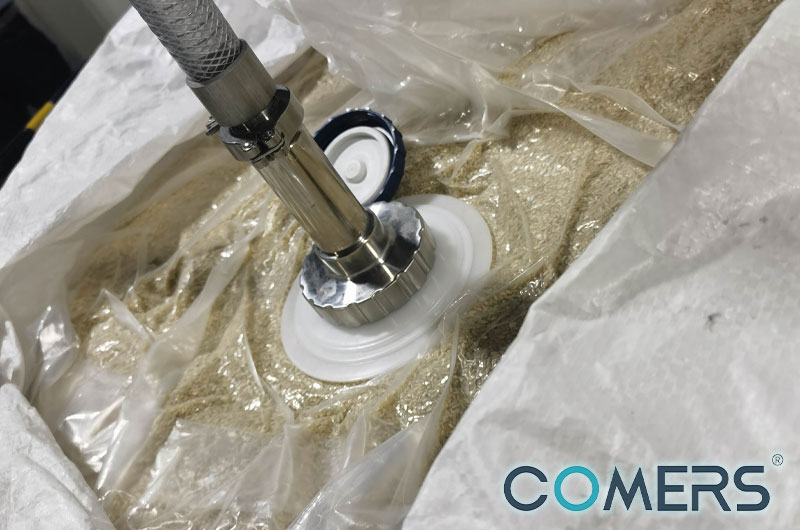
Intertram®FIBC Liners
+ Permanent anti-static / temporary anti-static
+ High barrier performance
+ Single material
+ Prevent from moisture, oxygen(low WVTR<3.0,OTR<1.0)
+ Various film types and thicknesses (Length:1M1-2M2 Thinkness:30-160um)
+ For milk powder/ coffee powder
+ Effective barrier and product protection
+ Strict quality control and safety standards
+ Highly customizable solutions
+ Durable and puncture-resistant
-
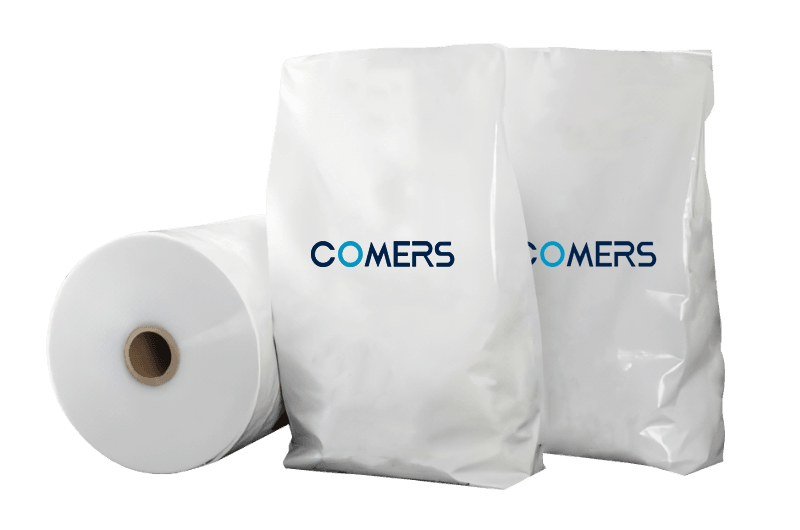
Intertram®FFS Liners
+ high barrier performance
+ prevent from moisture, oxygen(low WVTR<3.0,OTR<1.0)
+ various film types and thicknesses (Length:1M1-2M2 Thinkness:30-160um)
+ can replace Al material
+ High standard in food safety
+ Anti-static film (ATEX prevention)
+ Strict control over contaminants (BPA, Sakazaki-bacillus, etc.)
+ Tailored to customer needs
+ Enhanced product shelf life (approx. 6 months)
-

Washna ® Easy-peel films
+ prevent from moisture, oxygen(low WVTR<3.0,OTR<1.0)
+ various film types and thicknesses (Thickness:45 - 90um)
+ Clean & Safe Delamination
+ smooth sealing layer without wire drawing
+ Optimal Peel Performance
+ Good control level of black dot crystal point, in line with GB/T28117
+ Food contact safety
+ High durability
+ Superior barrier properties
+ Child-friendly opening
+ Clean, residue-free peel -
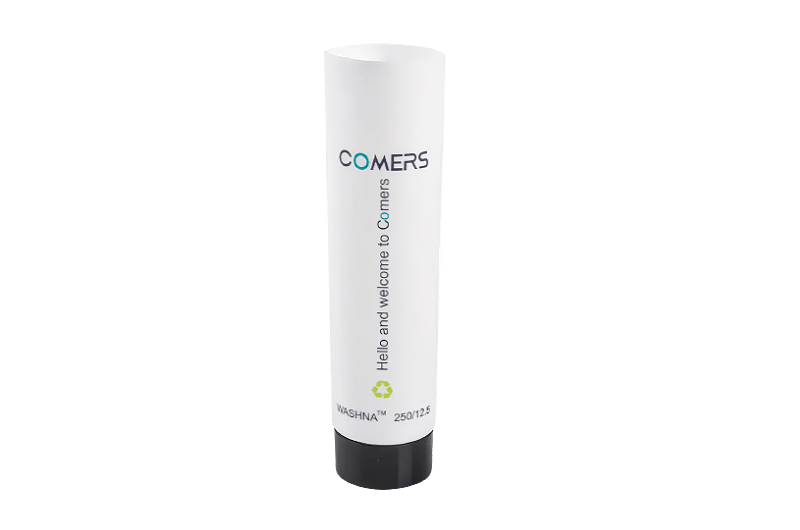
Washna® toothpaste films
+ Suitable for products in paste form
+ High stiffness and good mechanical properties
+ APR approval, Blow-molded in a single blow-molding
+ EVOH≤5%, in line with CEFLEX
+ white/transparent/ultra-white variants (customizable whiteness)
+ Precise thickness control (175−350μm±3%)
+ Excellent puncture resistance
+ Speckle-free surfaces (GB/T 28117 compliant)
+ Reduces environmental impact -
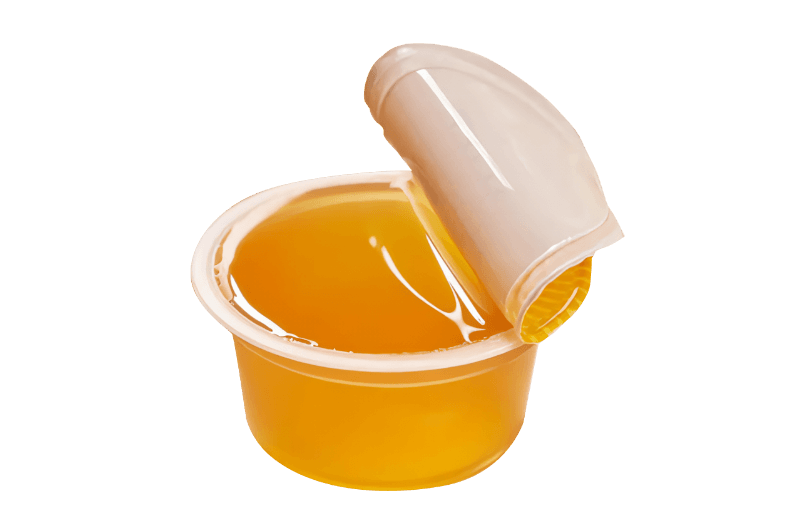
Washna® Laminate films
+ Operates with high-volume film
+ ultimate cost control
+ Good level of crystal point and black point control
+ Customizable with thickness and EVOH ratio
+ Easy-open End (EOE) functionality
+ Preserves freshness and extends shelf life
+ Odor-neutral composition
-
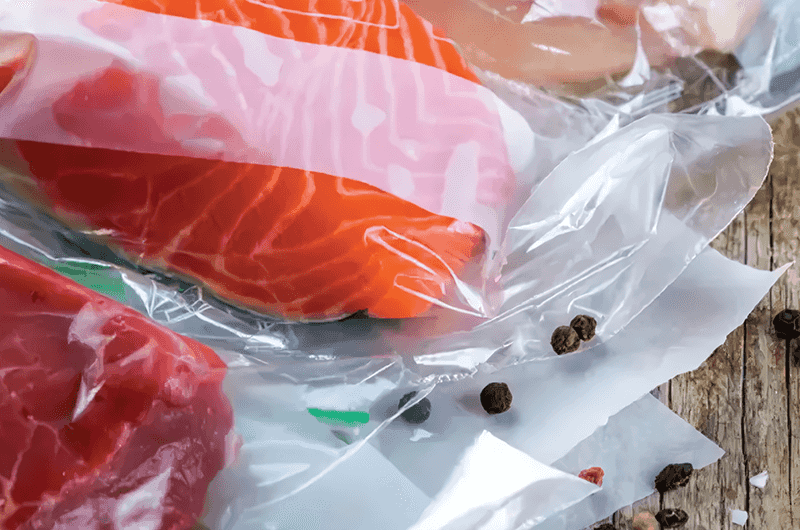
Agometa ® Frozen Vacuum Packaging Bags/Films
+ Excellent transparency
+ Good barrier against water vapor and oxygen
+ Heat sealing performance
+ Adds ultra-high barrier properties
+ high-end food market
+ stable performance, flexible and versatile
+ Good puncture resistance
Jiangsu Comers Neo Materials Co., Ltd.
No.161 Cailing Road, Linhu Town, Wuzhong District, Suzhou City, Jiangsu Province, China.
+86-0512-66558319
E-mail: [email protected]
