

 English
 中文简体
中文简体Moisture-Barrier Bulk Powder Packaging: From Operating Conditions to Structure
Content
- 1 Why Moisture Is the Primary Risk for Bulk Powders
- 2 Defining Your Operating Conditions Before Selecting a Structure
- 3 Key Performance Metrics: WVTR and What the Numbers Mean
- 4 Film Structures for Bulk Powder Packaging: From Basic to High-Barrier
- 5 Sealing, Liners, and Desiccants: Completing the Moisture-Barrier System
- 6 Matching Structure to Application: A Practical Decision Guide
Why Moisture Is the Primary Risk for Bulk Powders
For bulk powder products — from food ingredients and pharmaceutical actives to industrial chemicals — moisture is the single most destructive environmental factor during storage and transit. Unlike rigid products, powders present an enormous surface area relative to their mass, which means even a modest rise in relative humidity can trigger rapid moisture uptake.
The consequences are well-documented. Hygroscopic powders such as milk powder, protein isolates, and excipient blends begin to clump once moisture content exceeds a critical threshold, often as low as a water activity of 0.3–0.4. Beyond caking, prolonged moisture exposure accelerates Maillard browning in food powders, degrades API potency in pharmaceutical formulations, and promotes microbial growth in organic materials. In bulk quantities — FIBC bags, large liners, multi-wall sacks — even a small percentage of compromised product can represent significant financial and regulatory risk.
Moisture damage in bulk powder packaging rarely announces itself visually. Water vapor permeates slowly and invisibly through inadequate packaging films, making proper barrier specification — not reactive sampling — the only reliable defense.
Defining Your Operating Conditions Before Selecting a Structure
A common mistake in packaging specification is leading with material preference rather than operational reality. The correct starting point is a thorough audit of the conditions the package will face from filling line to end use. Four dimensions matter most:
- Ambient humidity and temperature range: Warehouses in tropical climates or coastal ports regularly exceed 80% RH and 35 °C. Cold-chain transitions create condensation risk even inside otherwise sealed packages. Define the worst-case humidity and temperature corridor your product will traverse.
- Shelf life and transit duration: A product stored for 6 months requires a substantially lower Water Vapor Transmission Rate (WVTR) than one consumed within 4 weeks. Longer dwell times demand tighter barrier specifications because permeation is cumulative.
- Fill weight and liner geometry: Large FIBC bags (500–1,500 kg) expose a much greater film surface area than small pouches. Higher surface area means a larger absolute moisture ingress even at the same WVTR, so bulk-specific calculations are essential.
- Mechanical stress during handling: Forklift loading, container stacking, and vibration during sea freight flex the film repeatedly. Barrier integrity must be maintained under dynamic stress, not just static conditions.
Documenting these four parameters before approaching a film supplier eliminates guesswork and prevents over- or under-specification — both of which carry cost penalties.
Key Performance Metrics: WVTR and What the Numbers Mean
Moisture barrier performance is quantified primarily by the Water Vapor Transmission Rate (WVTR), sometimes reported as MVTR (Moisture Vapor Transmission Rate). It measures the mass of water vapor that passes through a unit area of film per unit time, typically expressed as g/m²/day or g/100 in²/day, measured at standardized conditions (commonly 38 °C / 90% RH per ASTM F1249).
Lower WVTR values indicate stronger barriers. For bulk powder applications, the following reference ranges provide a practical starting framework. Refer to our broader moisture barrier packaging guide for full test method comparisons.
| Application Scenario | Typical WVTR Target (g/m²/day) | Notes |
|---|---|---|
| Dry food ingredients (cereals, starch) | 1.0 – 3.0 | Moderate barrier; standard laminate sufficient |
| Milk powder / infant formula | ≤ 0.5 | High barrier; foil laminate or EVOH multilayer required |
| Pharmaceutical APIs / excipients | ≤ 0.1 | Ultra-high barrier; validated foil structures, GMP environment |
| Industrial chemical powders | 0.5 – 2.0 | Dependent on hygroscopicity; inner layer compatibility critical |
| Nutraceutical / protein powders | ≤ 1.0 | Combined oxygen and moisture barrier often needed |
Note that WVTR is measured on flat film under laboratory conditions. Real-world performance also depends on seal integrity, pinhole frequency, and film thickness uniformity — factors that require production-line validation, not just material data sheets.
Film Structures for Bulk Powder Packaging: From Basic to High-Barrier
Film structure — the layered combination of polymers, coatings, and metal layers — determines both the moisture barrier level and the mechanical durability of the package. Understanding the barrier properties of food packaging materials helps narrow structure choices to those that genuinely match the operating conditions defined earlier. Four structural categories are relevant for bulk powder liners and bags:
- Single-layer PE (Polyethylene): The simplest and most economical option. Low-density or linear low-density PE provides adequate moisture resistance for short-term storage of non-hygroscopic powders in low-humidity environments. WVTR typically falls in the 5–15 g/m²/day range — insufficient for sensitive applications but acceptable for dry aggregates or mineral fillers.
- PET/PE laminate: Combining biaxially oriented PET as a structural layer with a PE sealant improves moisture barrier to approximately 2–5 g/m²/day while adding puncture and abrasion resistance. Suitable for food ingredients and animal feed powders with moderate shelf life requirements.
- Aluminum foil laminate (e.g., PET/AL/PE or BOPP/AL/PE): Aluminum foil is inherently impermeable to water vapor. Laminated structures incorporating a foil layer achieve WVTR values below 0.05 g/m²/day, making them the standard for milk powder, infant formula, and pharmaceutical bulk packaging. The foil layer also provides a full light barrier and excellent oxygen resistance.
- EVOH multilayer co-extrusion: Ethylene Vinyl Alcohol (EVOH) delivers outstanding oxygen and gas barrier performance when kept dry. In a multilayer co-extruded structure (e.g., PE/tie/EVOH/tie/PE), moisture barrier depends primarily on the outer PE layers. EVOH barrier performance degrades significantly if the layer itself absorbs moisture, so it must be sandwiched between hydrophobic layers — a critical design consideration for humid operating environments.
Sealing, Liners, and Desiccants: Completing the Moisture-Barrier System
No film structure — however well specified — delivers its rated barrier performance if the package system has weak points. Three system elements deserve equal attention alongside film selection.
Liner design in FIBC bags: For bulk bags, the liner is the true moisture barrier; the outer woven polypropylene shell provides structural support, not vapor protection. Liner geometry (form-fit vs. tube), gauge, and how the liner is sealed at the top discharge spout all determine whether the barrier remains intact after filling, transportation, and stacking. Poorly sealed liner tops are the most common source of moisture ingress in FIBC liners used for powder applications.
Seal integrity: Heat sealing parameters — temperature, dwell time, and pressure — must be validated against the specific film structure. Films containing fine powder residues at the seal zone are particularly vulnerable to incomplete fusion. Structures with advanced inner sealant layers engineered to seal through powder contamination offer meaningful practical advantages in high-throughput filling environments.
Desiccants as a secondary moisture control: When a package must maintain internal humidity below a specific threshold despite ambient fluctuations, desiccant sachets (silica gel or molecular sieves) placed inside the sealed package absorb residual moisture. Desiccant sizing should be calculated from package internal volume, expected moisture ingress over shelf life, and the powder's critical water activity — not selected arbitrarily.
Matching Structure to Application: A Practical Decision Guide
Translating operating conditions and WVTR targets into a film structure specification is the final step. The following scenarios reflect the most common bulk powder packaging decisions encountered across food, pharmaceutical, and industrial applications. For a broader review of film selection logic, the food packaging films selection guide provides complementary detail on test methods and supplier qualification.
- Food ingredient powders (starch, sugar, flour) — short supply chain: PET/PE laminate liner inside a standard FIBC bag. WVTR target of 2–3 g/m²/day is achievable at moderate cost. Focus on seal quality and liner fit.
- Milk powder, infant formula, protein concentrates — 12+ month shelf life: Foil laminate liner (PET/AL/PE or BOPA/AL/PE) inside FIBC or multi-wall bag. WVTR ≤ 0.5 g/m²/day. GMP production environment required; validate seal settings per batch.
- Pharmaceutical bulk APIs — validated cold chain or ambient: Ultra-high barrier foil laminate with validated heat seal process. WVTR ≤ 0.1 g/m²/day. Full WVTR testing per ASTM F1249 and seal integrity testing per ASTM F2095 at minimum. Desiccant sizing per ICH Q1A stability guidelines.
- Hygroscopic industrial chemicals — export shipping, tropical routing: Aluminum foil or high-barrier EVOH multilayer liner. Include humidity indicator cards inside sealed package for incoming quality verification at destination. Confirm inner layer chemical compatibility before finalizing structure.
The most costly packaging decisions are under-specified ones. A film structure that fails mid-supply chain — allowing moisture ingress into a 1,000 kg FIBC of pharmaceutical-grade excipient — costs far more than the incremental investment in a validated high-barrier liner. Map your operating conditions first, set your WVTR target second, and only then select the film structure that delivers both performance and economic efficiency at bulk scale.
-
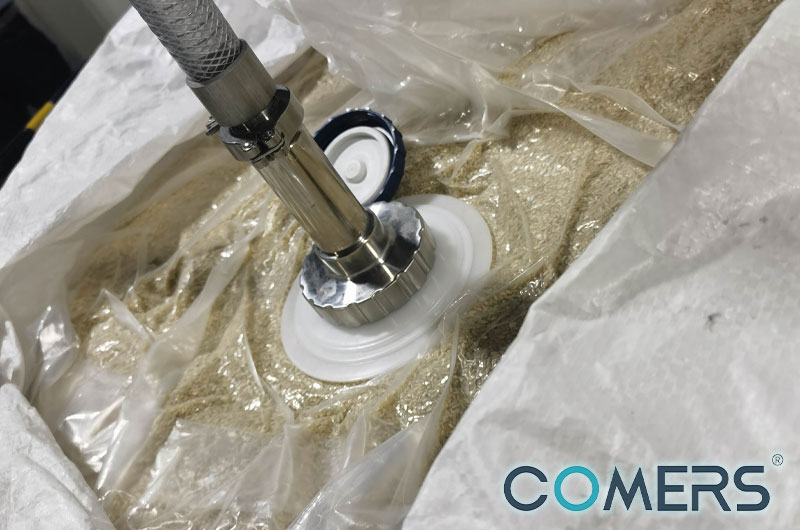
Intertram®FIBC Liners
+ Permanent anti-static / temporary anti-static
+ High barrier performance
+ Single material
+ Prevent from moisture, oxygen(low WVTR<3.0,OTR<1.0)
+ Various film types and thicknesses (Length:1M1-2M2 Thinkness:30-160um)
+ For milk powder/ coffee powder
+ Effective barrier and product protection
+ Strict quality control and safety standards
+ Highly customizable solutions
+ Durable and puncture-resistant
-
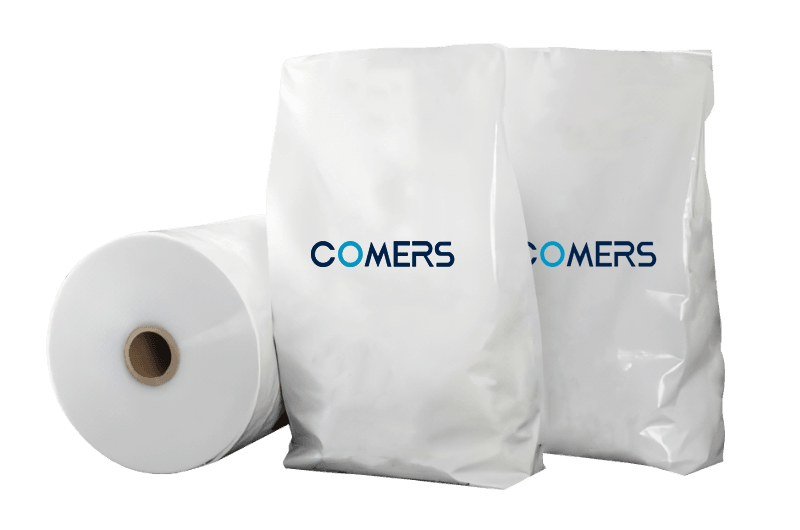
Intertram®FFS Liners
+ high barrier performance
+ prevent from moisture, oxygen(low WVTR<3.0,OTR<1.0)
+ various film types and thicknesses (Length:1M1-2M2 Thinkness:30-160um)
+ can replace Al material
+ High standard in food safety
+ Anti-static film (ATEX prevention)
+ Strict control over contaminants (BPA, Sakazaki-bacillus, etc.)
+ Tailored to customer needs
+ Enhanced product shelf life (approx. 6 months)
-

Washna ® Easy-peel films
+ prevent from moisture, oxygen(low WVTR<3.0,OTR<1.0)
+ various film types and thicknesses (Thickness:45 - 90um)
+ Clean & Safe Delamination
+ smooth sealing layer without wire drawing
+ Optimal Peel Performance
+ Good control level of black dot crystal point, in line with GB/T28117
+ Food contact safety
+ High durability
+ Superior barrier properties
+ Child-friendly opening
+ Clean, residue-free peel -
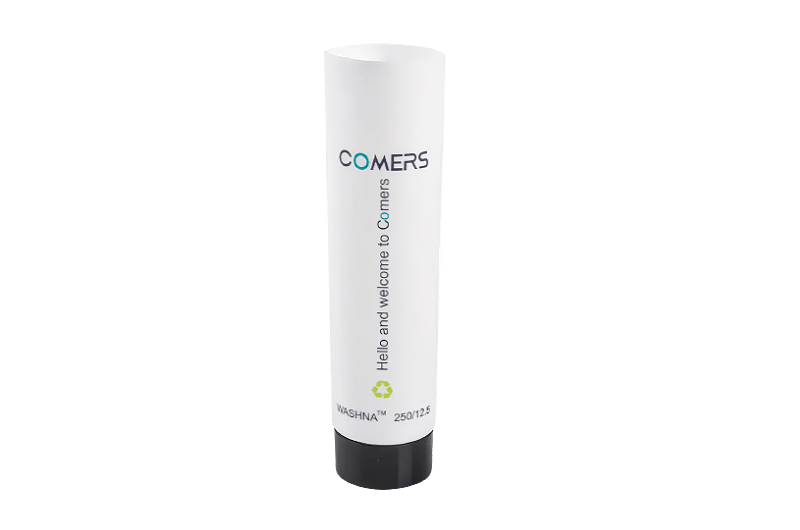
Washna® toothpaste films
+ Suitable for products in paste form
+ High stiffness and good mechanical properties
+ APR approval, Blow-molded in a single blow-molding
+ EVOH≤5%, in line with CEFLEX
+ white/transparent/ultra-white variants (customizable whiteness)
+ Precise thickness control (175−350μm±3%)
+ Excellent puncture resistance
+ Speckle-free surfaces (GB/T 28117 compliant)
+ Reduces environmental impact -
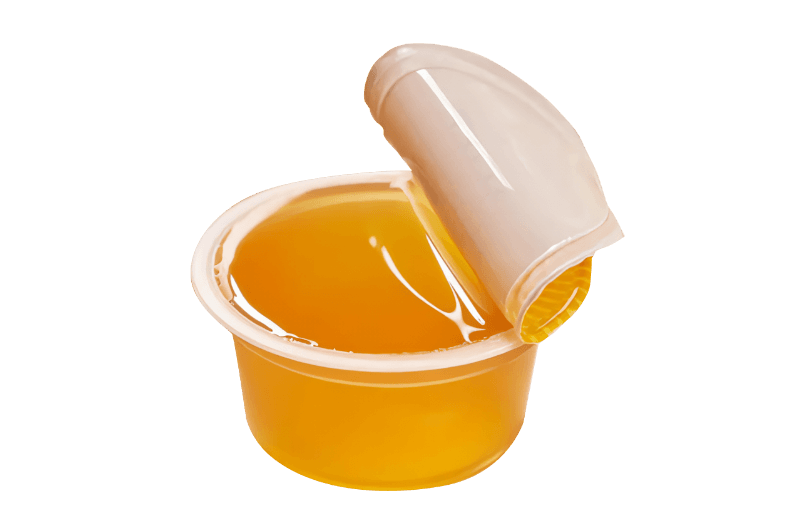
Washna® Laminate films
+ Operates with high-volume film
+ ultimate cost control
+ Good level of crystal point and black point control
+ Customizable with thickness and EVOH ratio
+ Easy-open End (EOE) functionality
+ Preserves freshness and extends shelf life
+ Odor-neutral composition
-
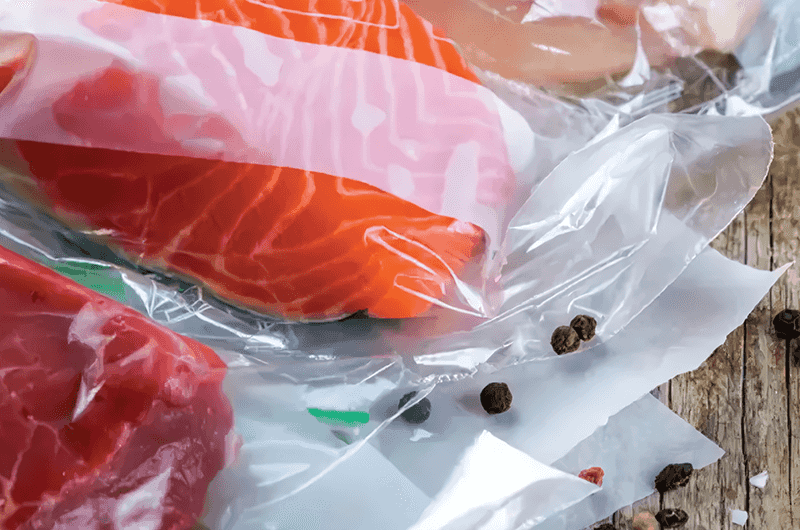
Agometa ® Frozen Vacuum Packaging Bags/Films
+ Excellent transparency
+ Good barrier against water vapor and oxygen
+ Heat sealing performance
+ Adds ultra-high barrier properties
+ high-end food market
+ stable performance, flexible and versatile
+ Good puncture resistance
Jiangsu Comers Neo Materials Co., Ltd.
No.161 Cailing Road, Linhu Town, Wuzhong District, Suzhou City, Jiangsu Province, China.
+86-0512-66558319
E-mail: [email protected]
