

 English
 中文简体
中文简体Unstable Sealing in Lidding Films: Seal Window & Process Checks
Content
A lidding seal that holds perfectly at the start of a production run — then fails intermittently two hours later — is one of the most frustrating problems on a packaging line. The film hasn't changed. The tray hasn't changed. Yet reject rates climb, and every operator has a different theory. In most cases, the answer lies not in the material itself but in a misunderstood or drifting seal window.
This guide breaks down what the seal window actually means in practice, why it shifts during production, and how to run a structured process check that gets seals back under control — fast.
What Is the Seal Window and Why Does It Drift?
The seal window is the usable temperature range between two critical thresholds: the seal initiation temperature (SIT) — the minimum temperature at which the sealant layer begins to melt and bond — and the upper limit, where excess heat causes film distortion, lidding warp, or loss of peel integrity. A well-formulated lidding film might offer a window of 20–40°C; a narrow-window film might tolerate only 10°C of variation before problems appear.
For an overview of how different lidding film types and their food packaging applications affect base material choice and sealing behavior, it helps to understand the film's structural role before diving into process parameters.
Why does the window drift mid-production? Several mechanisms are at play. Sealing dies and platens lose calibration as they cycle through thousands of contacts — thermocouple accuracy degrades, and actual bar temperature diverges from the displayed setpoint. Switching between film batches introduces subtle SIT variation, since sealant layer formulations are rarely identical across production lots. Line speed increases compress dwell time, effectively shrinking the usable window from the lower end. Ambient temperature and humidity changes in the plant affect how quickly the film reaches sealing temperature at the tray flange. Any one of these factors alone may be manageable; in combination, they push the process outside its window without any single obvious trigger.
The Three Parameters That Define Every Seal
Heat sealing is controlled by three interdependent variables: temperature, dwell time, and pressure. Adjusting any one changes the effect of the others — which is why troubleshooting by instinct often introduces new problems rather than solving the original one.
Temperature drives sealant melt and flow. Too low, and the sealant never fully activates, producing weak, peelable seals that fail in distribution. Too high, and the film distorts, the sealant bleeds past the flange, or the lidding delaminates. For processes requiring a clean peel — dairy cups, fresh produce trays, pharmaceutical blisters — temperature overshoot is especially damaging because it converts a controlled peel layer into a locked weld.
Dwell time is the duration the sealing tool remains in contact with the lidding. Longer dwell time compensates for lower temperature, and vice versa — but only within limits. On high-speed rotary lines, dwell time can drop below 0.3 seconds per station, leaving almost no margin for temperature fluctuation. Understanding this relationship is central to any heat seal vs cold seal comparison — cold seal systems eliminate temperature dependency entirely, which is why they suit heat-sensitive products.
Pressure ensures intimate contact between the lidding sealant and the tray flange, allowing heat to transfer efficiently and the bond to form under compression. Insufficient pressure produces inconsistent contact — especially on trays with warped flanges or slight dimensional variation — resulting in channel leaks and partial seals. Excessive pressure, by contrast, thins the sealant layer and can crack rigid tray rims.
Common Root Causes of Unstable Lidding Seals
Process parameter drift explains many instability issues, but several root causes sit upstream of the sealing station itself.
Material incompatibility is the most fundamental. Lidding sealant chemistry must be matched to the tray substrate — PE sealant to PE trays, PP sealant to PP trays. Mismatches produce adhesion failure even at correct temperature settings, because the two surfaces never develop true molecular bonding. This is especially critical when trays are sourced separately from the lidding film.
Flange contamination is the most common cause of localized seal failures that appear random. Product splashback, oils from filling equipment, condensation, and overfilled containers all deposit residue on the tray rim. Even thin contamination layers break the sealant-to-substrate bond. Seal failures that cluster near fill stations or appear only on overfilled units almost always trace back to this cause.
Mono-material lidding films — increasingly used for recyclability — are significantly more heat-sensitive than conventional PET/PE laminates. Their narrower seal windows demand tighter machine calibration, often requiring reductions in temperature setpoint and dwell time simultaneously. Lines transitioning from conventional laminates to mono-material films must re-validate all sealing parameters from scratch rather than making incremental adjustments.
Tooling wear and flatness are underappreciated contributors. Sealing dies that have accumulated micro-deformations from repeated cycling apply uneven pressure across the flange, creating thin spots in the seal bead. This typically shows up as consistent leaks at the same position relative to the tray — a pattern that distinguishes tooling problems from process parameter issues, which tend to produce more random failure distribution.
A Five-Step Process Check for Seal Stability
When seals become unstable, systematic elimination of variables beats trial-and-error adjustment. The following sequence moves from equipment verification to in-process validation.
Step 1 — Calibrate the sealing equipment. Verify actual bar or platen temperature using an independent calibrated thermocouple, not the machine's built-in display. Document the difference between setpoint and measured temperature at multiple positions across the sealing surface. Replace or recalibrate thermocouples that show more than ±3°C deviation. Check die flatness with a precision straightedge.
Step 2 — Confirm the seal window for the current film lot. Request the technical datasheet for the current lidding film batch, including SIT, upper seal limit, and recommended dwell time range. If the previous batch had a different SIT, recalculate temperature setpoints accordingly. For high-barrier films on specialized equipment, the guide to sealing equipment compatibility for high-barrier films provides additional guidance on parameter adjustment by film structure.
Step 3 — Run a temperature sweep at startup. Before full production, seal test samples at three temperature points: setpoint −10°C, setpoint, and setpoint +10°C, keeping dwell time and pressure constant. Perform peel tests on all three groups. The resulting seal strength curve confirms whether the process is centered within the window or operating near its edges.
Step 4 — Implement in-line seal checks. Pull sealed samples at defined intervals — every 30 minutes on fast lines, every hour on slower ones — and perform visual inspection plus peel tests. Tracking seal strength over time reveals drift before it crosses the rejection threshold. Sudden drops in strength at constant settings typically point to film batch variation or tooling wear; gradual decline suggests thermocouple drift.
Step 5 — Analyze failure mode, not just failure rate. When a seal fails, the failure pattern carries diagnostic information. Adhesion failure (clean separation at the film-tray interface) indicates insufficient temperature, pressure, or a contamination issue. Cohesive failure (tearing within the sealant layer) indicates over-sealing. Delamination (failure within the lidding laminate) points to an incompatible or defective film structure. Documenting failure mode alongside failure location accelerates root-cause identification significantly.
EVOH-containing structures deserve special attention during process setup: moisture and vapor barrier performance of packaging films explains how EVOH's susceptibility to moisture absorption can affect barrier consistency — a factor that interacts with seal integrity over shelf life.
When to Test, and What to Measure
Seal stability cannot be confirmed by visual inspection alone. A seal that looks complete — no wrinkles, no visible gaps — can still fail a peel test at half the required strength. Structured testing at defined intervals is the only reliable method.
ASTM F88 is the standard framework for measuring seal strength in flexible barrier materials. It defines three test configurations (unsupported, 90° hand-supported, and 180° rigid-backed) and requires a tensile tester to measure both average and peak peel force. For most lidding applications, a minimum seal strength of 2–5 N/15mm is required for easy-peel lids; hermetic seals targeting tamper evidence typically require above 15 N/15mm. The ASTM F88 standard for seal strength of flexible barrier materials provides full procedural specifications for process validation and ongoing quality control programs.
Hot tack strength is a separate — and often overlooked — measurement that matters on high-speed lines. It measures bond strength immediately after sealing, before the sealant has fully cooled. On rotary lines where sealed trays are discharged and stacked within seconds of leaving the die, insufficient hot tack causes seal failure before the bond sets, even when cold peel strength is adequate.
Interpreting failure mode is as important as measuring force. Adhesion failure — where the peel happens cleanly at the film-tray interface — means the bond never fully formed. Cohesive failure — tearing within the sealant layer itself — indicates over-sealing. Substrate failure — where the tray flange pulls apart rather than the seal — means the seal is stronger than the container, which can be desirable for tamper evidence but problematic for easy-open formats. For a deeper look at how barrier layer construction interacts with peel behavior and long-term integrity, the guide to barrier property measurement and improvement offers complementary analysis on film structure and performance consistency.
Seal quality control is not a one-time validation — it is an ongoing process. Batch-to-batch film variation, equipment drift, and environmental changes mean that any production line running lidding films will eventually face seal instability. The lines that manage it best are the ones with a documented check sequence already in place when it happens.
-
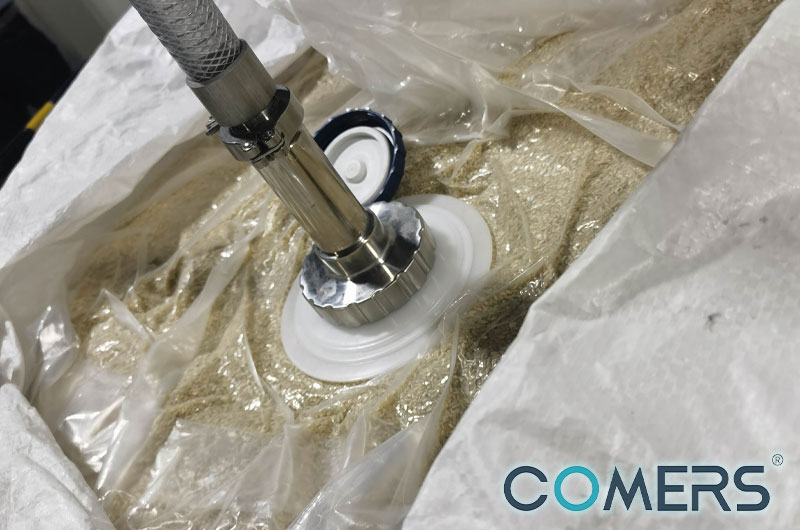
Intertram®FIBC Liners
+ Permanent anti-static / temporary anti-static
+ High barrier performance
+ Single material
+ Prevent from moisture, oxygen(low WVTR<3.0,OTR<1.0)
+ Various film types and thicknesses (Length:1M1-2M2 Thinkness:30-160um)
+ For milk powder/ coffee powder
+ Effective barrier and product protection
+ Strict quality control and safety standards
+ Highly customizable solutions
+ Durable and puncture-resistant
-
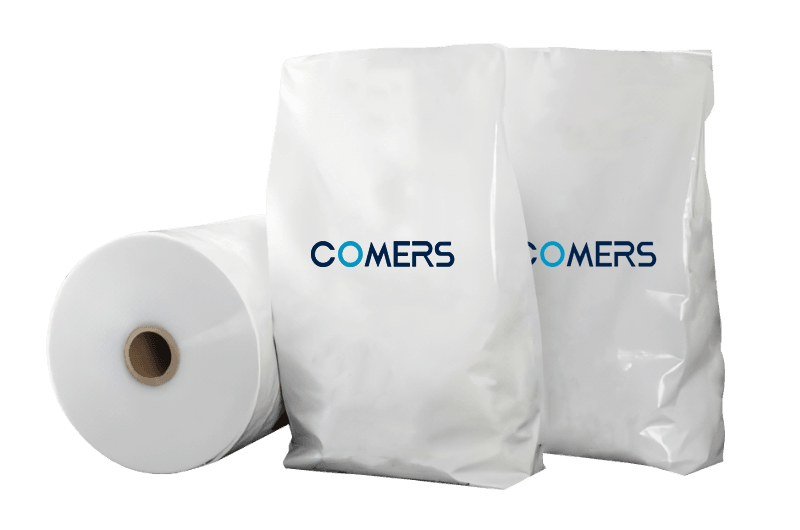
Intertram®FFS Liners
+ high barrier performance
+ prevent from moisture, oxygen(low WVTR<3.0,OTR<1.0)
+ various film types and thicknesses (Length:1M1-2M2 Thinkness:30-160um)
+ can replace Al material
+ High standard in food safety
+ Anti-static film (ATEX prevention)
+ Strict control over contaminants (BPA, Sakazaki-bacillus, etc.)
+ Tailored to customer needs
+ Enhanced product shelf life (approx. 6 months)
-

Washna ® Easy-peel films
+ prevent from moisture, oxygen(low WVTR<3.0,OTR<1.0)
+ various film types and thicknesses (Thickness:45 - 90um)
+ Clean & Safe Delamination
+ smooth sealing layer without wire drawing
+ Optimal Peel Performance
+ Good control level of black dot crystal point, in line with GB/T28117
+ Food contact safety
+ High durability
+ Superior barrier properties
+ Child-friendly opening
+ Clean, residue-free peel -
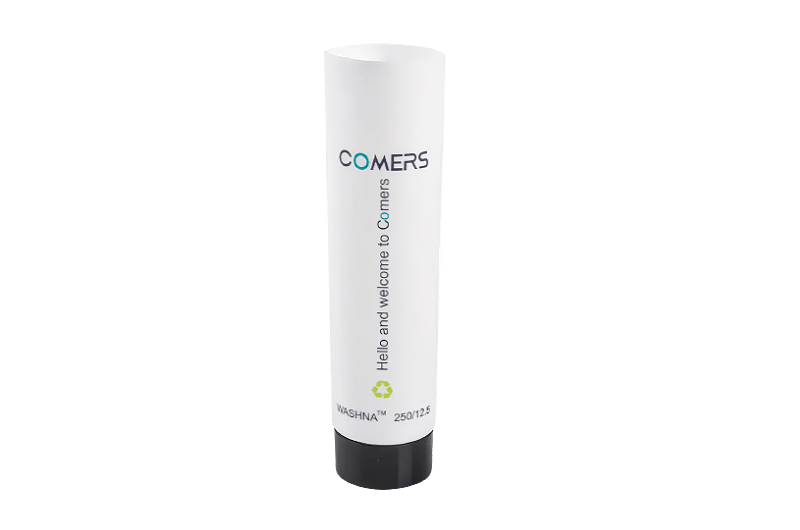
Washna® toothpaste films
+ Suitable for products in paste form
+ High stiffness and good mechanical properties
+ APR approval, Blow-molded in a single blow-molding
+ EVOH≤5%, in line with CEFLEX
+ white/transparent/ultra-white variants (customizable whiteness)
+ Precise thickness control (175−350μm±3%)
+ Excellent puncture resistance
+ Speckle-free surfaces (GB/T 28117 compliant)
+ Reduces environmental impact -
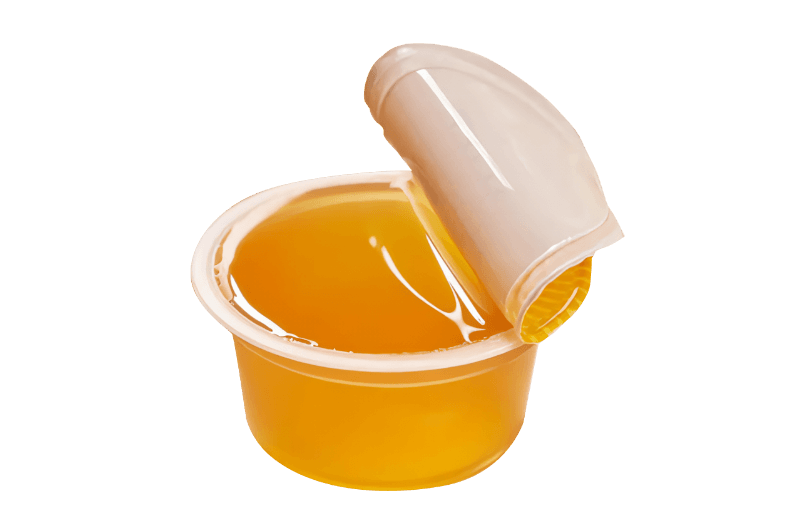
Washna® Laminate films
+ Operates with high-volume film
+ ultimate cost control
+ Good level of crystal point and black point control
+ Customizable with thickness and EVOH ratio
+ Easy-open End (EOE) functionality
+ Preserves freshness and extends shelf life
+ Odor-neutral composition
-
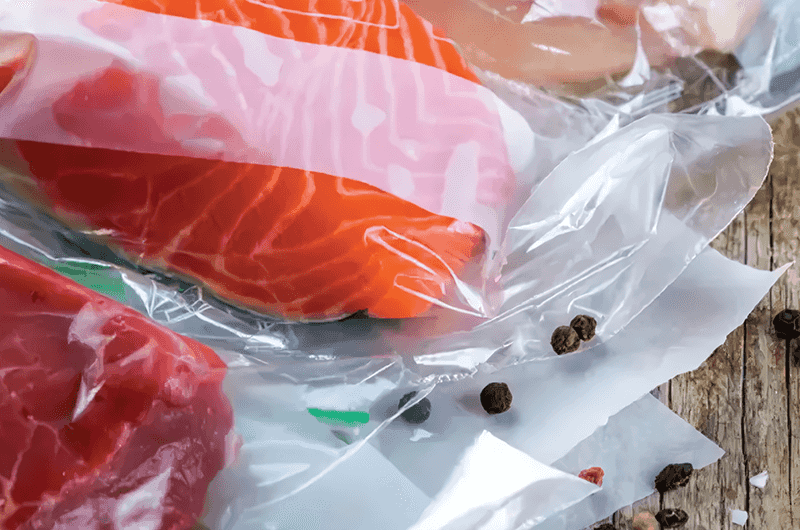
Agometa ® Frozen Vacuum Packaging Bags/Films
+ Excellent transparency
+ Good barrier against water vapor and oxygen
+ Heat sealing performance
+ Adds ultra-high barrier properties
+ high-end food market
+ stable performance, flexible and versatile
+ Good puncture resistance
Jiangsu Comers Neo Materials Co., Ltd.
No.161 Cailing Road, Linhu Town, Wuzhong District, Suzhou City, Jiangsu Province, China.
+86-0512-66558319
E-mail: [email protected]
