

 English
 中文简体
中文简体Cold Seal vs Heat Seal: Key Differences in Packaging Technology
Content
What is Cold Sealing?
Cold sealing is a packaging process that uses pressure-sensitive adhesives (PSAs) to bond two materials together at room temperature. Unlike heat sealing, cold sealing does not require heat to form a secure seal. This method is fast and energy-efficient, making it ideal for certain products that are sensitive to temperature changes.
How Cold Sealing Works
In cold sealing, the adhesive is applied to a substrate, and the surfaces are pressed together. The bond forms as the adhesive activates under pressure. The process happens almost instantly, ensuring a quick, strong seal without the need for heat.
What is Heat Sealing?
Heat sealing is a thermoplastic bonding process where heat and pressure are used to melt and fuse materials together. This process works by softening or melting the surface of the material to create a permanent seal once cooled.
How Heat Sealing Works
Heat sealing requires both heat and pressure to bond materials. The materials are heated to their melting point, then pressed together to form a durable seal. This method is often used for products that can withstand higher temperatures.
Cold Sealing vs. Heat Sealing
Key Differences
Cold sealing and heat sealing differ in the application of temperature and pressure:
- Cold sealing uses pressure-sensitive adhesives and does not require heat.
- Heat sealing uses high temperature to melt and fuse materials together.
Comparison Table
| Feature | Cold Sealing | Heat Sealing |
| Temperature Requirement | No heat required | Requires heat |
| Materials | Pressure-sensitive adhesives | Thermoplastic materials |
| Seal Strength | Generally weaker | Stronger, durable seals |
Advantages and Disadvantages of Cold Sealing
Cold Sealing Advantages
- Does not require heat, making it ideal for heat-sensitive products.
- Faster process, reducing production time.
- Lower energy consumption compared to heat sealing.
Cold Sealing Disadvantages
- Limited material compatibility, requiring special adhesives.
- The bond may not be as strong as heat seals, especially in high-stress environments.
Advantages and Disadvantages of Heat Sealing
Heat Sealing Advantages
- Creates strong, durable seals.
- Ideal for a wide range of materials, including thermoplastics.
- Provides high resistance to external factors like moisture and temperature.
Heat Sealing Disadvantages
- Requires higher energy consumption due to heating equipment.
- May damage heat-sensitive products.
- Longer processing time compared to cold sealing.
Applications of Cold and Heat Sealing
Cold Sealing Applications
Cold sealing is commonly used in industries where heat-sensitive products are involved, such as:
- Food packaging (e.g., snacks, chocolates, cookies)
- Pharmaceutical packaging
- Flexible packaging for consumer goods
Heat Sealing Applications
Heat sealing is used where strong, durable seals are necessary, including:
- Food and beverage packaging (e.g., vacuum-sealed meats, beverages)
- Medical product packaging
- Industrial and heavy-duty packaging
Which Sealing Method to Choose?
Considerations for Selecting the Right Sealing Method
Choosing between cold sealing and heat sealing depends on the product and its packaging needs. Consider these factors:
- Heat sensitivity of the product
- Required seal strength
- Energy consumption and cost considerations
- Material compatibility
-
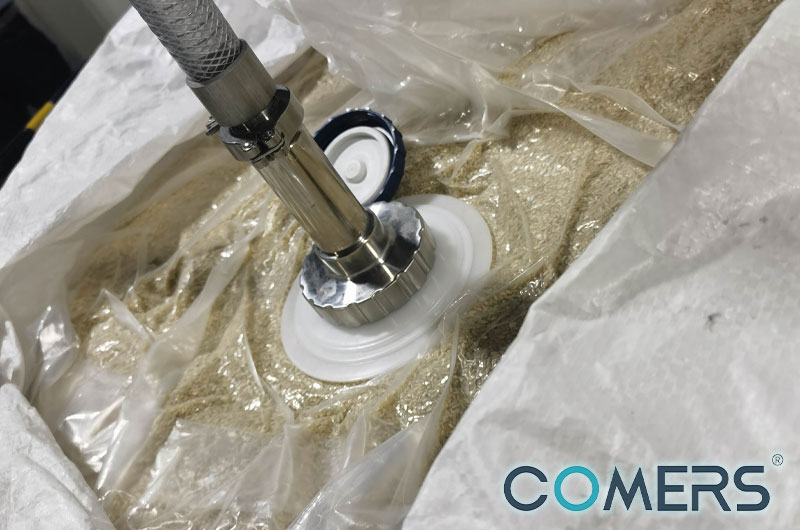
Intertram®FIBC Liners
+ Permanent anti-static / temporary anti-static
+ High barrier performance
+ Single material
+ Prevent from moisture, oxygen(low WVTR<3.0,OTR<1.0)
+ Various film types and thicknesses (Length:1M1-2M2 Thinkness:30-160um)
+ For milk powder/ coffee powder
+ Effective barrier and product protection
+ Strict quality control and safety standards
+ Highly customizable solutions
+ Durable and puncture-resistant
-
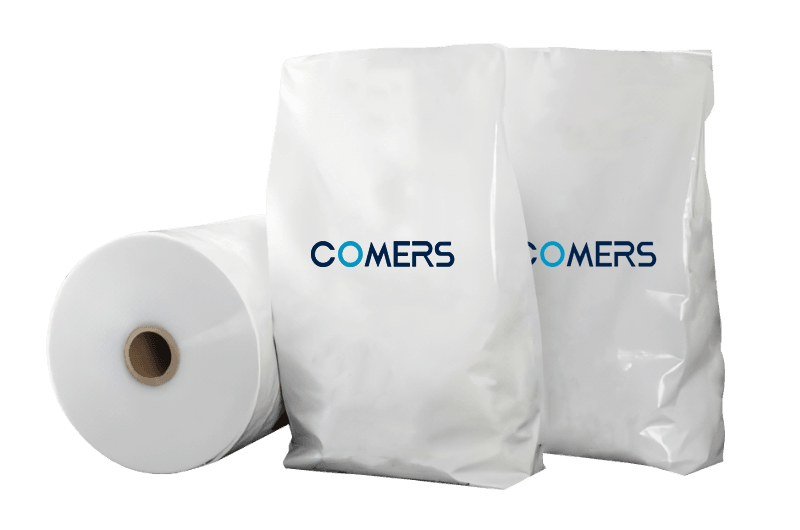
Intertram®FFS Liners
+ high barrier performance
+ prevent from moisture, oxygen(low WVTR<3.0,OTR<1.0)
+ various film types and thicknesses (Length:1M1-2M2 Thinkness:30-160um)
+ can replace Al material
+ High standard in food safety
+ Anti-static film (ATEX prevention)
+ Strict control over contaminants (BPA, Sakazaki-bacillus, etc.)
+ Tailored to customer needs
+ Enhanced product shelf life (approx. 6 months)
-

Washna ® Easy-peel films
+ prevent from moisture, oxygen(low WVTR<3.0,OTR<1.0)
+ various film types and thicknesses (Thickness:45 - 90um)
+ Clean & Safe Delamination
+ smooth sealing layer without wire drawing
+ Optimal Peel Performance
+ Good control level of black dot crystal point, in line with GB/T28117
+ Food contact safety
+ High durability
+ Superior barrier properties
+ Child-friendly opening
+ Clean, residue-free peel -
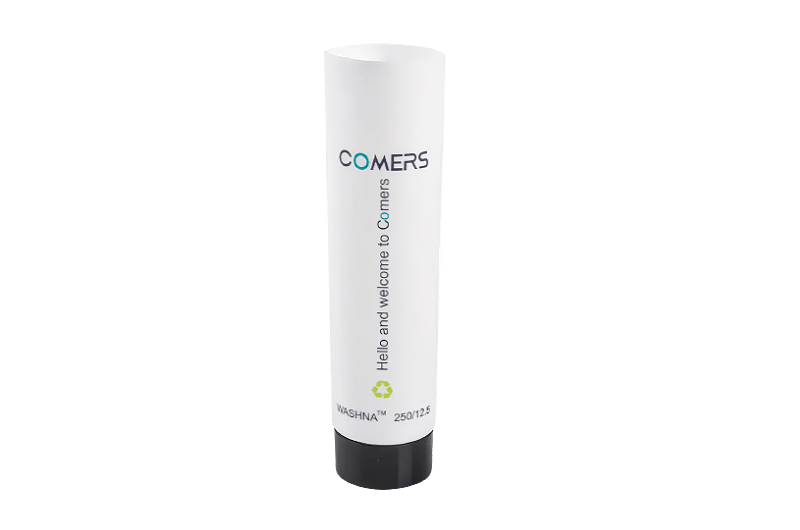
Washna® toothpaste films
+ Suitable for products in paste form
+ High stiffness and good mechanical properties
+ APR approval, Blow-molded in a single blow-molding
+ EVOH≤5%, in line with CEFLEX
+ white/transparent/ultra-white variants (customizable whiteness)
+ Precise thickness control (175−350μm±3%)
+ Excellent puncture resistance
+ Speckle-free surfaces (GB/T 28117 compliant)
+ Reduces environmental impact -
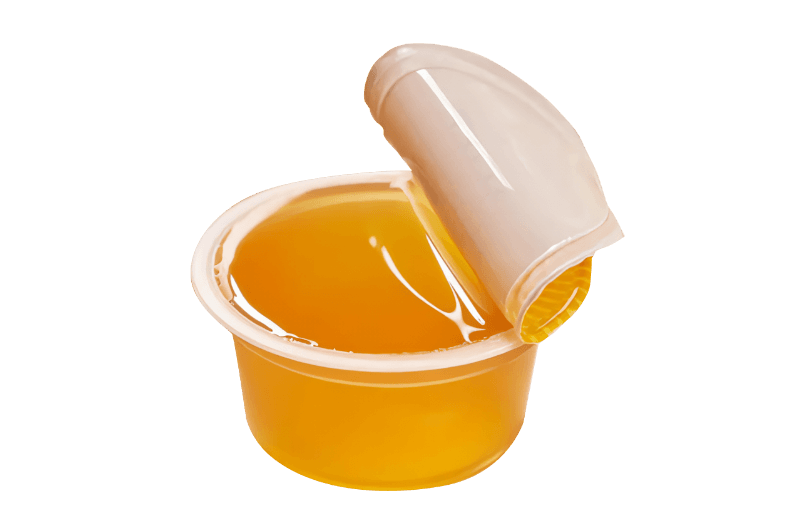
Washna® Laminate films
+ Operates with high-volume film
+ ultimate cost control
+ Good level of crystal point and black point control
+ Customizable with thickness and EVOH ratio
+ Easy-open End (EOE) functionality
+ Preserves freshness and extends shelf life
+ Odor-neutral composition
-
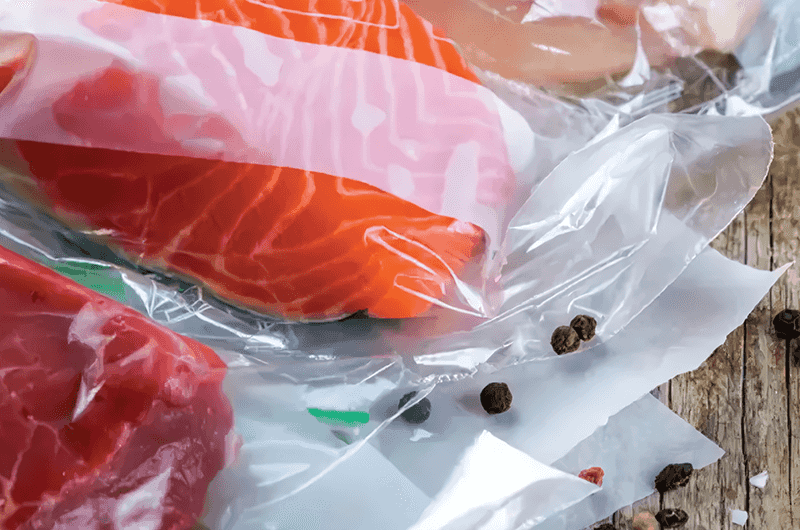
Agometa ® Frozen Vacuum Packaging Bags/Films
+ Excellent transparency
+ Good barrier against water vapor and oxygen
+ Heat sealing performance
+ Adds ultra-high barrier properties
+ high-end food market
+ stable performance, flexible and versatile
+ Good puncture resistance
Jiangsu Comers Neo Materials Co., Ltd.
No.161 Cailing Road, Linhu Town, Wuzhong District, Suzhou City, Jiangsu Province, China.
+86-0512-66558319
E-mail: [email protected]
