

 English
 中文简体
中文简体Barrier Properties: Measurement & Improvement
Content
- 1 Understanding Barrier Properties: Key Concepts
- 2 How Barrier Performance Is Quantified
- 3 Material Choices and Typical Barrier Ranges
- 4 Design Variables That Influence Barrier Performance
- 5 Practical Strategies to Improve Barrier Performance
- 6 Selecting a Barrier Specification: A Practical Checklist
- 7 Quick Troubleshooting: When Barrier Performance Fails
- 8 Conclusion: Applying Barrier Knowledge to Real Projects
Understanding Barrier Properties: Key Concepts
Barrier properties describe how well a material resists the passage of gases, water vapor, aromas, and liquids. They are critical for packaging, membranes, protective coatings, and electronic encapsulation. Practically, barrier performance is expressed as permeability or transmission rate under defined conditions; these numbers guide material selection, specification, and quality control.
How Barrier Performance Is Quantified
Engineers and product developers rely on a few standard metrics and test methods to quantify barrier properties. Knowing which metric to request from a supplier avoids costly mis-specification.
Common metrics
The main numerical expressions you will encounter are permeability and transmission rates. Permeability is an intrinsic material property normalized to thickness; transmission rate is the flux through a specific sample at set conditions.
- WVTR (Water Vapor Transmission Rate) — mass of water vapor passing through area per time (e.g., g/m²·24h).
- OTR (Oxygen Transmission Rate) — volume or mass of oxygen passing per area per time (e.g., cc/m²·24h).
- Gas permeability (e.g., for CO₂, N₂) — often reported in Barrer or cm³·mm/m²·day·atm.
- Permeability coefficient — normalized to thickness, useful for comparing intrinsic material resistance.
Standardized test methods (practical note)
When specifying barrier targets ask for test method and conditions (temperature, relative humidity, sample orientation). Common standards include ASTM and ISO variants for WVTR and OTR; without test conditions the numbers are not comparable.
Material Choices and Typical Barrier Ranges
Different base materials and barrier technologies give dramatically different performance. Use the table below as a practical comparison when narrowing material choices for packaging, medical films, or EMI/moisture protection.
| Material / Structure | Typical WVTR (g/m²·24h) | Typical OTR (cc/m²·24h) | Application notes |
| Polyethylene (PE) — mono | High (poor barrier) | High | Economical; needs lamination/coating for food/medical use. |
| PET (biaxially oriented) | Moderate | Moderate | Good mechanical strength; often metallized or coated for higher barrier. |
| EVOH (layer) | Low (excellent to moisture-sensitive) | Very low | Excellent oxygen barrier when dry; requires moisture barrier layer in humid environments. |
| PVdC / PVDC-coated | Low | Low | Used in food packaging; chemical concerns limit some applications. |
| Aluminum foil | Near zero | Near zero | Ultimate barrier but not transparent; sensitive to pinholes. |
| SiOx / AlOx coatings | Very low | Very low | Thin, transparent barrier coatings applied to PET or PP films; can crack if flexed excessively. |
Design Variables That Influence Barrier Performance
Barrier performance is not an immutable property — it depends on structure, processing, environment, and time. Controlling these variables during design and production yields predictable, repeatable results.
Material-level factors
- Polymer chemistry — polar polymers generally have higher gas/water uptake and higher permeability.
- Crystallinity and orientation — higher crystallinity and biaxial orientation reduce free volume and lower permeability.
- Additives and plasticizers — can increase chain mobility and raise permeability; choose low-migration additives for food/medical use.
Structural and process factors
- Thickness — thicker films reduce transmission rate linearly in many cases; specify required thickness vs cost trade-offs.
- Lamination and multi-layer structures — combine films (e.g., PET/EVOH/PE) to get balanced mechanical and barrier properties.
- Coatings and metallization — barrier coatings (oxide layers, PVdC, varnishes) dramatically reduce permeability when applied defect-free.
Practical Strategies to Improve Barrier Performance
Improving barrier performance is usually a combination of material selection, structure, surface treatments, and quality control. Below are actionable strategies with trade-offs.
Material and structure tactics
- Use high-barrier layers (EVOH, PVdC) within a multilayer stack to target specific gases.
- Add continuous inorganic coatings (SiOx/AlOx) for transparency and low gas permeability; manage flex fatigue to avoid microcracks.
- Employ metallized films or aluminum foil for near-impermeable solutions where appearance and recyclability constraints allow.
Process and quality controls
- Control coating deposition parameters to avoid pinholes and ensure uniform thickness.
- Implement in-line leak/pinhole testing (e.g., high-voltage, bubble, helium leak) for critical assemblies.
- Specify and test under end-use conditions (temperature and humidity) rather than only standard lab conditions.
Selecting a Barrier Specification: A Practical Checklist
When you write a specification or request quotes, use this checklist to ensure suppliers deliver comparable, fit-for-purpose data.
- State target WVTR/OTR with test method and test conditions (temperature, RH, sample area, thickness).
- Ask for tolerance or statistical distribution (average ± SD) and sample size for reported numbers.
- Request real-world aging data if the product will face heat, UV, or mechanical flexing over time.
- Confirm compatibility of adhesives, inks, and sealants with barrier layers to avoid degradation.
Quick Troubleshooting: When Barrier Performance Fails
If a delivered product does not meet barrier targets, follow a structured troubleshooting approach to identify root causes quickly.
Practical steps
- Verify test conditions and repeat tests with calibrated equipment to rule out measurement error.
- Inspect for visible defects: pinholes, delamination, coating cracks, and incomplete seals.
- Check raw material batch differences (resin MFI, additive content) and processing records (temperature, line speed).
- Perform accelerated aging to determine whether barrier loss is immediate (manufacturing) or progressive (environmental attack).
Conclusion: Applying Barrier Knowledge to Real Projects
Effective use of barrier properties requires matching the right metric to the application, specifying test conditions, and combining material science with robust process control. Use the practical tips and checklist above to write precise specifications, evaluate suppliers, and design assemblies that meet both performance and cost targets.
-
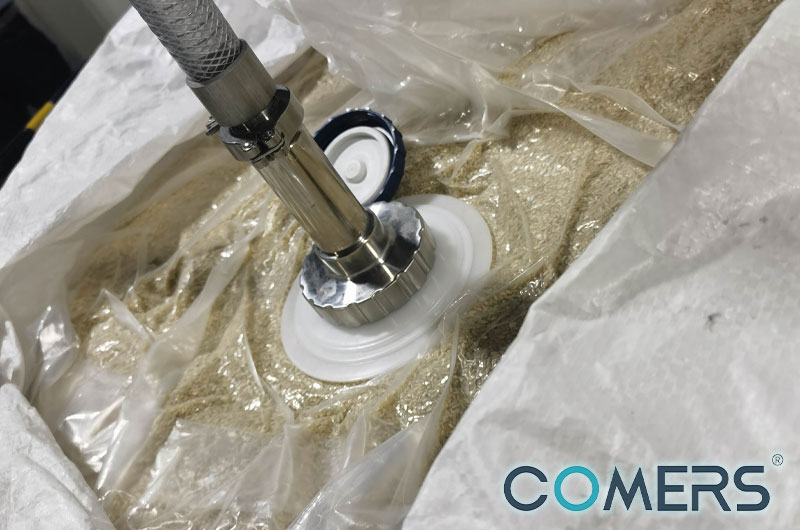
Intertram®FIBC Liners
+ Permanent anti-static / temporary anti-static
+ High barrier performance
+ Single material
+ Prevent from moisture, oxygen(low WVTR<3.0,OTR<1.0)
+ Various film types and thicknesses (Length:1M1-2M2 Thinkness:30-160um)
+ For milk powder/ coffee powder
+ Effective barrier and product protection
+ Strict quality control and safety standards
+ Highly customizable solutions
+ Durable and puncture-resistant
-
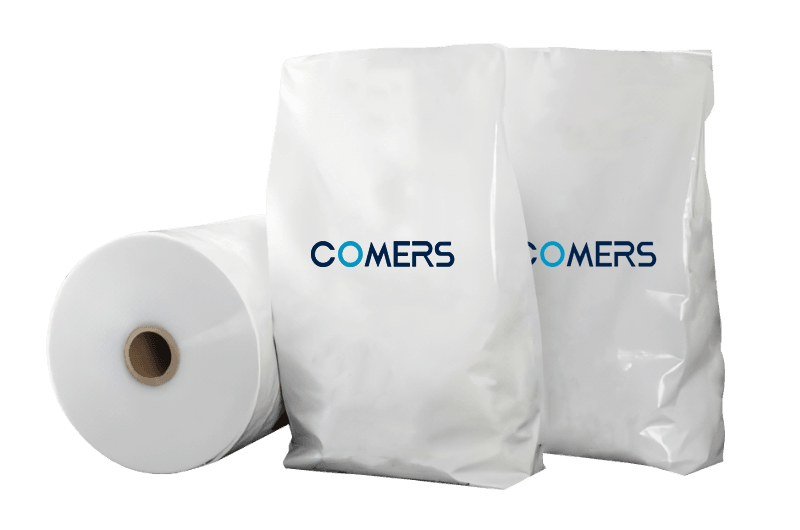
Intertram®FFS Liners
+ high barrier performance
+ prevent from moisture, oxygen(low WVTR<3.0,OTR<1.0)
+ various film types and thicknesses (Length:1M1-2M2 Thinkness:30-160um)
+ can replace Al material
+ High standard in food safety
+ Anti-static film (ATEX prevention)
+ Strict control over contaminants (BPA, Sakazaki-bacillus, etc.)
+ Tailored to customer needs
+ Enhanced product shelf life (approx. 6 months)
-

Washna ® Easy-peel films
+ prevent from moisture, oxygen(low WVTR<3.0,OTR<1.0)
+ various film types and thicknesses (Thickness:45 - 90um)
+ Clean & Safe Delamination
+ smooth sealing layer without wire drawing
+ Optimal Peel Performance
+ Good control level of black dot crystal point, in line with GB/T28117
+ Food contact safety
+ High durability
+ Superior barrier properties
+ Child-friendly opening
+ Clean, residue-free peel -
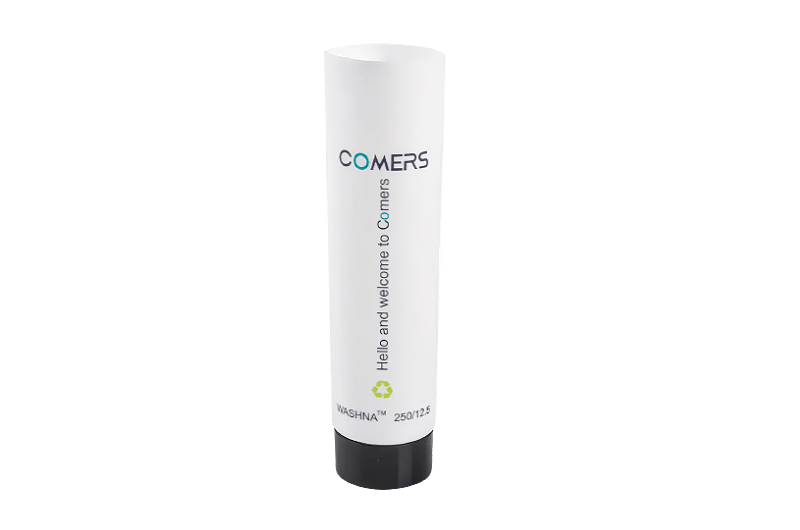
Washna® toothpaste films
+ Suitable for products in paste form
+ High stiffness and good mechanical properties
+ APR approval, Blow-molded in a single blow-molding
+ EVOH≤5%, in line with CEFLEX
+ white/transparent/ultra-white variants (customizable whiteness)
+ Precise thickness control (175−350μm±3%)
+ Excellent puncture resistance
+ Speckle-free surfaces (GB/T 28117 compliant)
+ Reduces environmental impact -
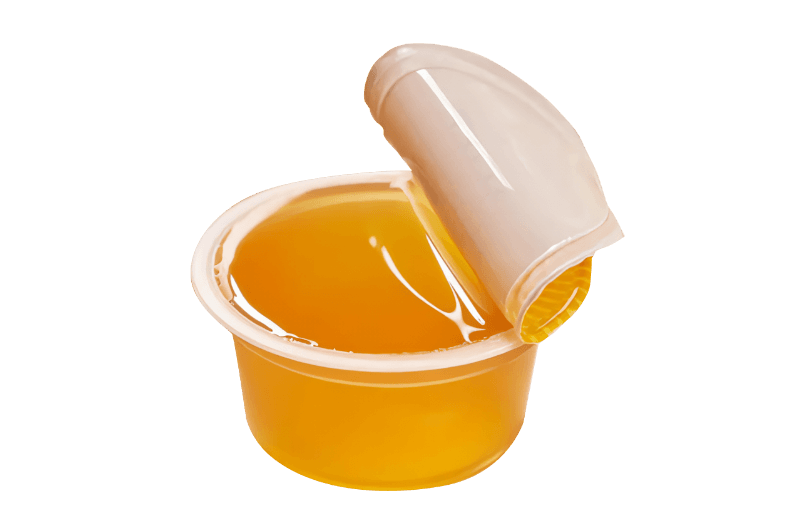
Washna® Laminate films
+ Operates with high-volume film
+ ultimate cost control
+ Good level of crystal point and black point control
+ Customizable with thickness and EVOH ratio
+ Easy-open End (EOE) functionality
+ Preserves freshness and extends shelf life
+ Odor-neutral composition
-
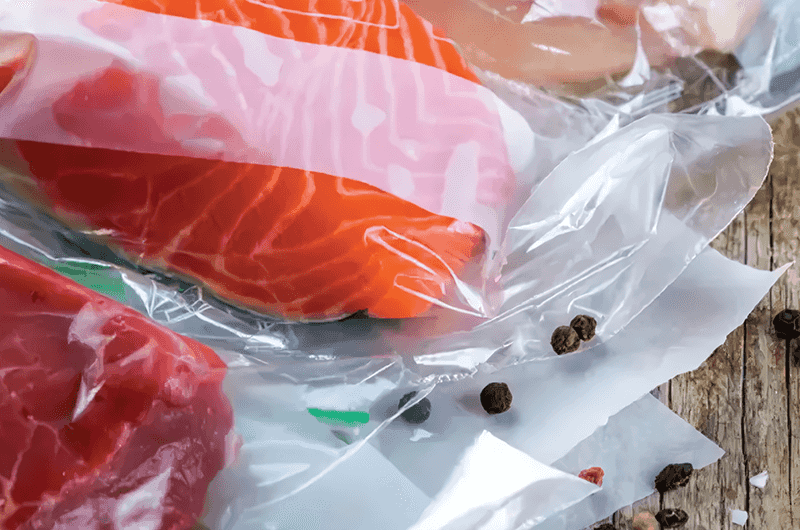
Agometa ® Frozen Vacuum Packaging Bags/Films
+ Excellent transparency
+ Good barrier against water vapor and oxygen
+ Heat sealing performance
+ Adds ultra-high barrier properties
+ high-end food market
+ stable performance, flexible and versatile
+ Good puncture resistance
Jiangsu Comers Neo Materials Co., Ltd.
No.161 Cailing Road, Linhu Town, Wuzhong District, Suzhou City, Jiangsu Province, China.
+86-0512-66558319
E-mail: [email protected]
