

 English
 中文简体
中文简体High-Barrier Liner Selection for Powders: How to Read WVTR & OTR Values
When powder products fail prematurely—caking, oxidizing, or losing potency—the root cause is almost always a barrier failure. Yet many packaging engineers still specify liners based on material name alone, without ever checking the two numbers that actually determine protection: WVTR (Water Vapor Transmission Rate) and OTR (Oxygen Transmission Rate). This guide shows you how to read those values correctly and translate them into a confident liner selection decision.
Why WVTR and OTR Are the Two Numbers That Control Powder Shelf Life
Powders are uniquely vulnerable to their environment. Unlike solid tablets or liquids, loose powder particles have a high surface-area-to-volume ratio, meaning moisture and oxygen can interact with the product at an accelerated rate. A single moisture pathway through a liner can cause protein powder to clump, pharmaceutical excipients to degrade, or infant formula to exceed its water activity limit within weeks.
WVTR quantifies how much water vapor migrates through a liner film over 24 hours per unit area. OTR measures the equivalent rate for oxygen gas. Together, they define the two most common failure mechanisms for powder packaging:
- Moisture ingress — causes caking, microbial growth, reduced flowability, and label claim violations for moisture-sensitive formulations.
- Oxygen ingress — causes lipid oxidation, vitamin degradation, off-flavors, and color change, especially in products containing fats, oils, or active compounds.
Selecting a liner without verified WVTR and OTR data is essentially specifying protection by guesswork. These two metrics remove the guesswork entirely.
Matching Liner Specs to Your Powder: A Practical Decision Framework
Use the following three-step process to move from product profile to liner specification:
- Define your product's critical limits. Work with your formulation team to identify the maximum allowable moisture content increase and the maximum oxygen exposure over the target shelf life. For regulated products (infant formula, pharmaceuticals), these limits are often defined in your product specification or regulatory filing.
- Calculate required barrier performance. Using your target shelf life, expected storage temperature and humidity, and liner surface area, back-calculate the maximum permissible WVTR and OTR. This calculation accounts for the fact that the entire product volume sits behind the liner—a small transmission rate compounded over 18 months can still represent a significant total moisture pickup.
- Match to a material, then validate. Select a liner structure whose published WVTR and OTR values sit comfortably below your calculated limits. Request a Certificate of Analysis (COA) confirming barrier performance at the relevant test conditions. Then run an accelerated shelf-life test with the actual product to validate before committing to production volumes.
For bulk powder applications in FIBC (flexible intermediate bulk container) formats, this process is especially important because liner surface area is large and small per-unit-area transmission rates can add up to meaningful moisture ingress. Our detailed guide on moisture barrier FIBC liner specifications and QC covers how to apply this framework to large-format bulk packaging. If you handle infant formula or other high-sensitivity powders at scale, the INTERTRAM high-performance liners are engineered specifically for these applications, with verified WVTR < 3.0 and OTR < 1.0 at production scale.
Common Mistakes When Specifying Barrier Liners for Powders
Even experienced buyers make avoidable errors when sourcing high-barrier liners. The following patterns account for the majority of field failures:
- Comparing WVTR values tested at different conditions. A supplier quoting 0.8 g/m²·day at 23°C/85% RH and another quoting 1.2 g/m²·day at 38°C/90% RH are not giving you comparable data. The second supplier's liner may actually perform better in tropical conditions. Always normalize to the same test condition before comparing.
- Ignoring seal integrity as a barrier component. Even a liner with OTR of 0.05 cc/m²·day provides zero protection if the top seal has a pinhole leak. The liner and the closure system must be validated together. Barrier film performance and seal performance are separate specifications—both must meet requirements.
- Specifying by material name rather than structure. "EVOH liner" can mean anything from 3% EVOH content in a 3-layer film to 15% EVOH in a 9-layer engineered structure. The OTR difference between these two is enormous. Always specify the full film structure or require a COA with tested values.
- Failing to account for fine powder interference at the seal. Fine powders (D50 < 50 µm) can contaminate heat-seal zones during filling, dramatically reducing seal strength and creating micro-channels for gas transmission. For fine powders, liners with wider seal margins or form-fit designs that keep the seal zone clear of powder contact are essential.
- Over-specifying for cost-sensitive applications. An aluminum foil laminate offers near-zero permeability—but if your product has a 6-month shelf life and distributes only in a climate-controlled region, a mid-barrier co-extruded film may deliver the same outcome at a fraction of the cost. Right-sizing barrier to actual product needs is as important as meeting the minimum threshold.
WVTR and OTR are not abstract laboratory metrics—they are the two most actionable data points in your liner selection process. Once you can read them correctly, normalize them to consistent test conditions, and map them against your product's actual sensitivity profile, liner selection becomes a systematic engineering decision rather than a supplier-dependent guess. Start with the numbers, validate with testing, and build in a margin that accounts for real-world variability in sealing, handling, and storage.
-
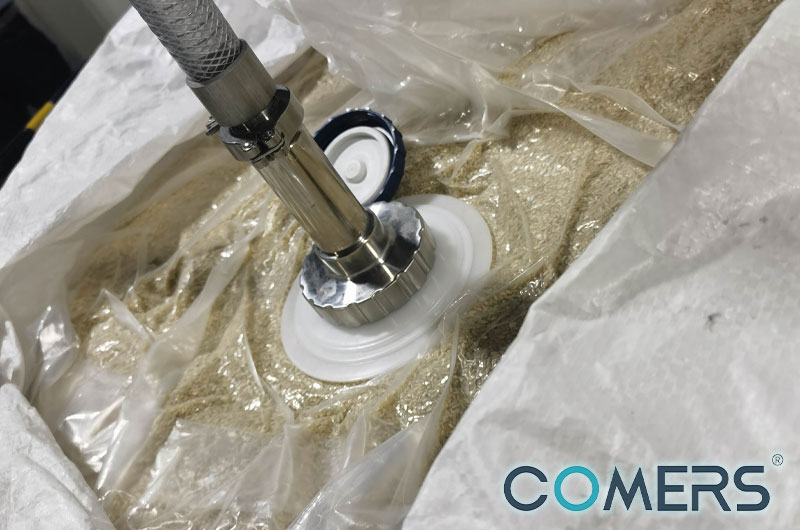
Intertram®FIBC Liners
+ Permanent anti-static / temporary anti-static
+ High barrier performance
+ Single material
+ Prevent from moisture, oxygen(low WVTR<3.0,OTR<1.0)
+ Various film types and thicknesses (Length:1M1-2M2 Thinkness:30-160um)
+ For milk powder/ coffee powder
+ Effective barrier and product protection
+ Strict quality control and safety standards
+ Highly customizable solutions
+ Durable and puncture-resistant
-
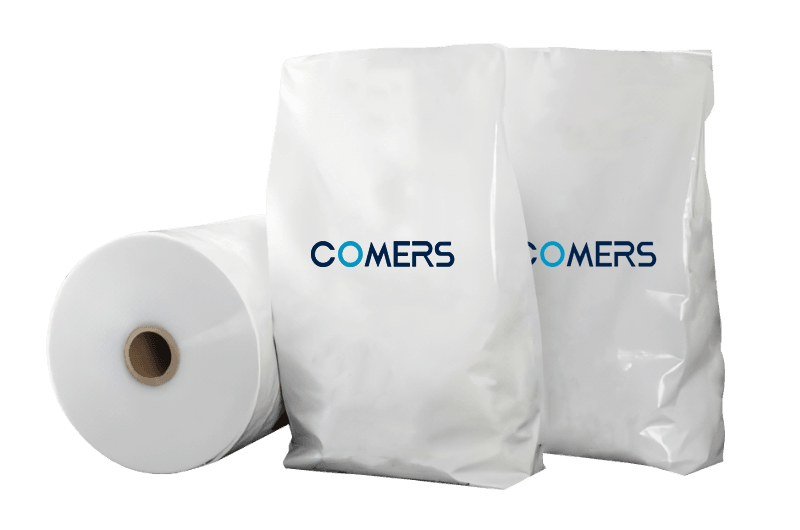
Intertram®FFS Liners
+ high barrier performance
+ prevent from moisture, oxygen(low WVTR<3.0,OTR<1.0)
+ various film types and thicknesses (Length:1M1-2M2 Thinkness:30-160um)
+ can replace Al material
+ High standard in food safety
+ Anti-static film (ATEX prevention)
+ Strict control over contaminants (BPA, Sakazaki-bacillus, etc.)
+ Tailored to customer needs
+ Enhanced product shelf life (approx. 6 months)
-
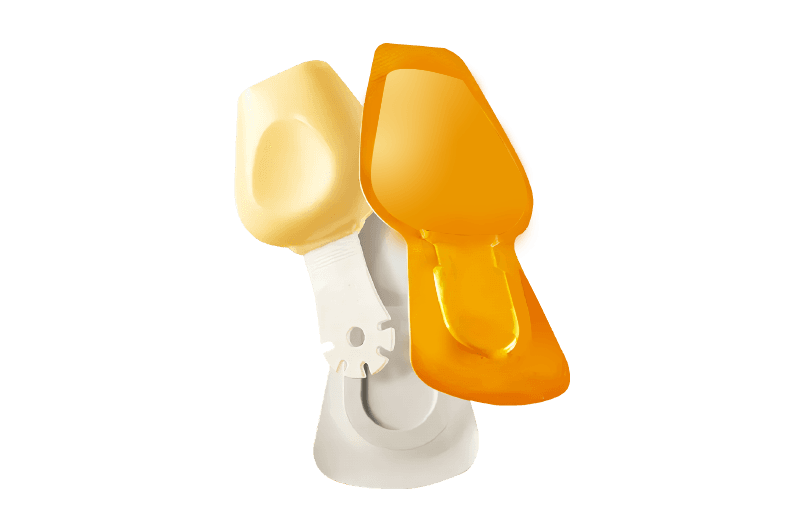
Washna ® Easy-peel films
+ prevent from moisture, oxygen(low WVTR<3.0,OTR<1.0)
+ various film types and thicknesses (Thickness:45 - 90um)
+ Clean & Safe Delamination
+ smooth sealing layer without wire drawing
+ Optimal Peel Performance
+ Good control level of black dot crystal point, in line with GB/T28117
+ Food contact safety
+ High durability
+ Superior barrier properties
+ Child-friendly opening
+ Clean, residue-free peel -
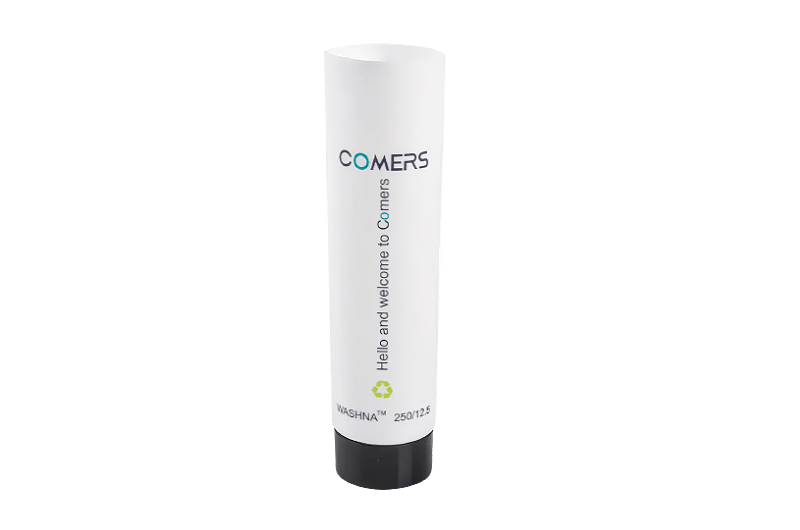
Washna® toothpaste films
+ Suitable for products in paste form
+ High stiffness and good mechanical properties
+ APR approval, Blow-molded in a single blow-molding
+ EVOH≤5%, in line with CEFLEX
+ white/transparent/ultra-white variants (customizable whiteness)
+ Precise thickness control (175−350μm±3%)
+ Excellent puncture resistance
+ Speckle-free surfaces (GB/T 28117 compliant)
+ Reduces environmental impact -
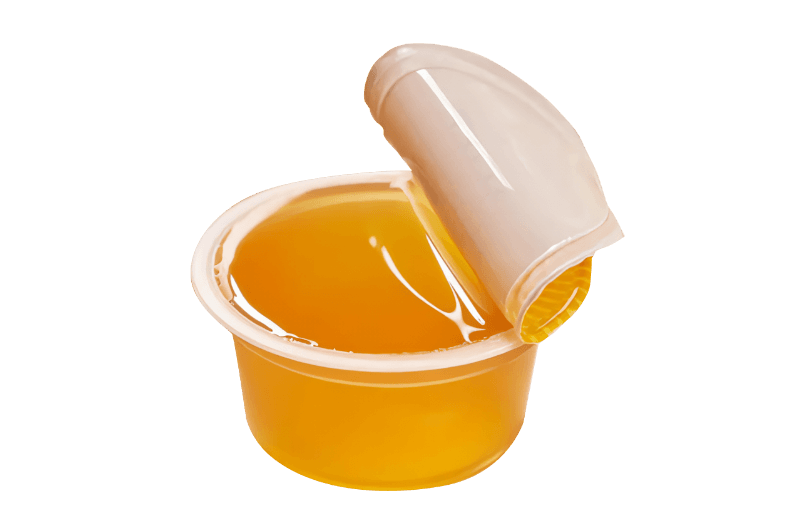
Washna® Laminate films
+ Operates with high-volume film
+ ultimate cost control
+ Good level of crystal point and black point control
+ Customizable with thickness and EVOH ratio
+ Easy-open End (EOE) functionality
+ Preserves freshness and extends shelf life
+ Odor-neutral composition
-
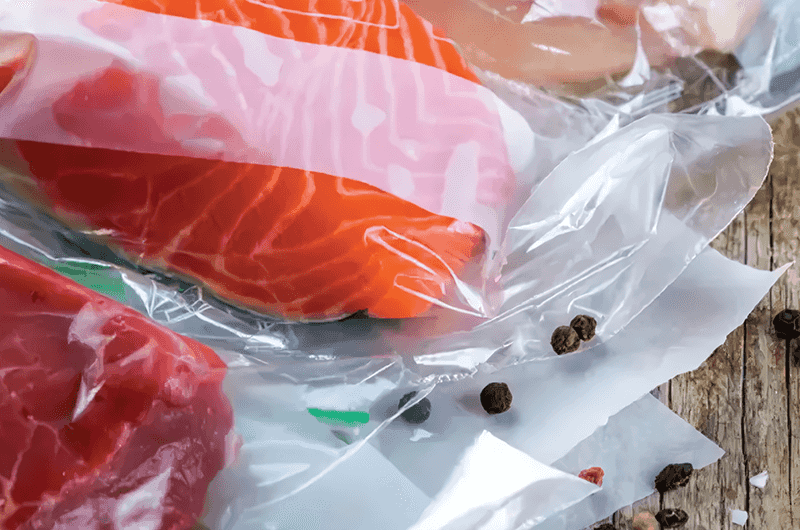
Agometa ® Frozen Vacuum Packaging Bags/Films
+ Excellent transparency
+ Good barrier against water vapor and oxygen
+ Heat sealing performance
+ Adds ultra-high barrier properties
+ high-end food market
+ stable performance, flexible and versatile
+ Good puncture resistance
Jiangsu Comers Neo Materials Co., Ltd.
No.161 Cailing Road, Linhu Town, Wuzhong District, Suzhou City, Jiangsu Province, China.
+86-0512-66558319
E-mail: [email protected]
