

 English
 中文简体
中文简体Barrier Properties of Food Packaging Materials: Key Factors for Preservation and Shelf Life
Food packaging plays a crucial role in the preservation and protection of food products throughout the supply chain, from manufacturing to consumption. One of the primary functions of packaging is to act as a barrier against external factors that could lead to food spoilage, contamination, or quality degradation. These external factors include moisture, oxygen, light, temperature fluctuations, and microbial growth. To ensure the longevity, safety, and quality of food, packaging materials must possess specific barrier properties.
What Are Barrier Properties in Food Packaging?
Barrier properties refer to the ability of packaging materials to resist or limit the transmission of substances such as gases (oxygen and carbon dioxide), moisture, light, and microorganisms into or out of the packaging. These properties are essential in preventing the degradation of food and maintaining its freshness and nutritional value.
Types of Barrier Properties in Food Packaging
Oxygen Barrier:
Oxygen is one of the most critical factors contributing to food spoilage. It can cause the oxidation of fats, leading to rancidity, and can promote the growth of aerobic microorganisms like molds and yeasts. In many cases, packaging with good oxygen barrier properties can significantly extend the shelf life of food, especially for products like meat, dairy, and baked goods.
Materials with strong oxygen barrier properties include:
Metalized films: These are thin layers of metal (often aluminum) applied to plastic films, which offer an excellent barrier to oxygen.
Polyvinylidene chloride (PVDC): Often used in combination with other materials, PVDC provides a strong oxygen barrier.
EVOH (Ethylene Vinyl Alcohol): Known for its superior oxygen barrier, EVOH is commonly used in multilayered packaging structures.
Moisture Barrier:
Moisture control is vital for preventing food spoilage, especially for dry products such as cereals, powdered foods, and snacks. On the other hand, some foods, like fruits and vegetables, require moisture to be retained for freshness. Moisture-sensitive packaging prevents the loss or gain of moisture, thus preserving texture, flavor, and nutritional quality.
Materials with excellent moisture barrier properties include:
Polyethylene (PE): Commonly used in food packaging, PE is known for its moisture resistance, although its barrier properties can vary depending on thickness.
Polypropylene (PP): Used for products like ready meals, PP provides a moderate moisture barrier.
Aluminum foil: Aluminum provides a nearly complete barrier to moisture, which is why it is often used in products like chips, coffee, and confectionery.
Light Barrier:
Exposure to light, especially ultraviolet (UV) light, can cause photo-oxidation, which degrades the quality and safety of food. The process of light degradation can result in off-flavors, loss of vitamins (like vitamin C), and the breakdown of color pigments. This is particularly important for products like juices, dairy products, and oils, which are sensitive to light exposure.
Materials that effectively block light include:
Opaque packaging: Dark-colored glass or plastic containers can block light, thereby preserving the product inside.
Aluminum foil: Offers a full barrier against light and is commonly used for products that are sensitive to light exposure.
UV-blocking additives: Certain plastic films can be treated or enhanced with UV-blocking substances to prevent light penetration.
Microbial Barrier:
Microbial contamination is one of the main causes of foodborne illness. Packaging materials that offer an effective barrier against bacteria, mold, and yeast are essential in preserving food safety. Materials that prevent contamination from the external environment, or that can inhibit microbial growth, are widely used for perishable food products.
Microbial barriers are often achieved through:
Antimicrobial coatings: Some packaging materials are coated with antimicrobial agents to prevent the growth of harmful bacteria.
Vacuum and Modified Atmosphere Packaging (MAP): These packaging technologies remove or replace air (especially oxygen) with gases like nitrogen or carbon dioxide, reducing the chances of microbial growth.
Multilayer Packaging: Combining Barrier Properties for Optimal Protection
To address the different barrier needs for various types of food, manufacturers often use multilayer packaging structures, which combine materials with complementary properties. For instance:
A multilayer film might combine an inner layer of ethylene vinyl alcohol (EVOH) for oxygen barrier, an intermediate layer of polyethylene (PE) for moisture resistance, and an outer layer of polypropylene (PP) for durability and light protection.
This approach maximizes the performance of each material, creating a packaging system that can effectively protect food from multiple forms of degradation.
Factors Affecting Barrier Properties of Food Packaging
Several factors influence the barrier properties of packaging materials, including:
Temperature: The barrier properties of materials like polyethylene and polypropylene can degrade at higher temperatures.
Humidity: High humidity levels can reduce the moisture barrier properties of certain materials, leading to leakage or contamination.
Thickness: Generally, the thicker the material, the better the barrier. However, this can affect the flexibility and overall cost of packaging.
Time: Over time, exposure to environmental factors like UV light, oxygen, and moisture can degrade the barrier properties of packaging, reducing its effectiveness.
Advancements in Barrier Packaging Technology
In recent years, there have been significant advancements in food packaging technology to improve barrier properties. Some notable innovations include:
Active packaging: Packaging that interacts with the contents of the package, such as releasing antioxidants, controlling moisture, or absorbing oxygen, to extend shelf life.
Biodegradable materials: With growing concerns about environmental impact, biodegradable materials are being developed that combine strong barrier properties with sustainability.
Materials like plant-based polymers, such as PLA (polylactic acid) and PHA (polyhydroxyalkanoates), are being used more frequently in food packaging. These materials offer the possibility of strong barrier protection while reducing environmental harm.
Conclusion: The Critical Role of Barrier Properties in Food Packaging
The barrier properties of food packaging materials are integral to maintaining the quality, safety, and shelf life of food products. As consumer demand for longer-lasting, fresh food grows, manufacturers and packaging designers continue to innovate new materials and technologies to meet these needs. Whether through enhanced oxygen, moisture, or light protection, the evolution of barrier packaging ensures that food can stay fresher for longer, reducing waste and supporting sustainability in the food industry.
-
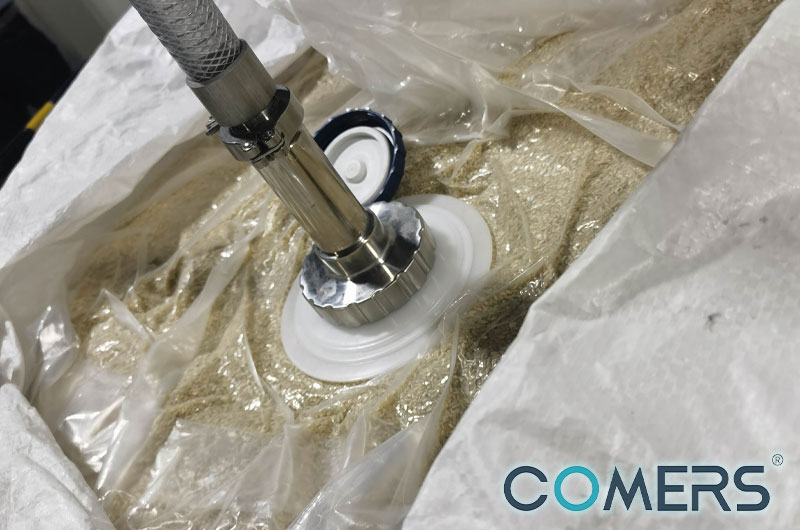
Intertram®FIBC Liners
+ Permanent anti-static / temporary anti-static
+ High barrier performance
+ Single material
+ Prevent from moisture, oxygen(low WVTR<3.0,OTR<1.0)
+ Various film types and thicknesses (Length:1M1-2M2 Thinkness:30-160um)
+ For milk powder/ coffee powder
+ Effective barrier and product protection
+ Strict quality control and safety standards
+ Highly customizable solutions
+ Durable and puncture-resistant
-
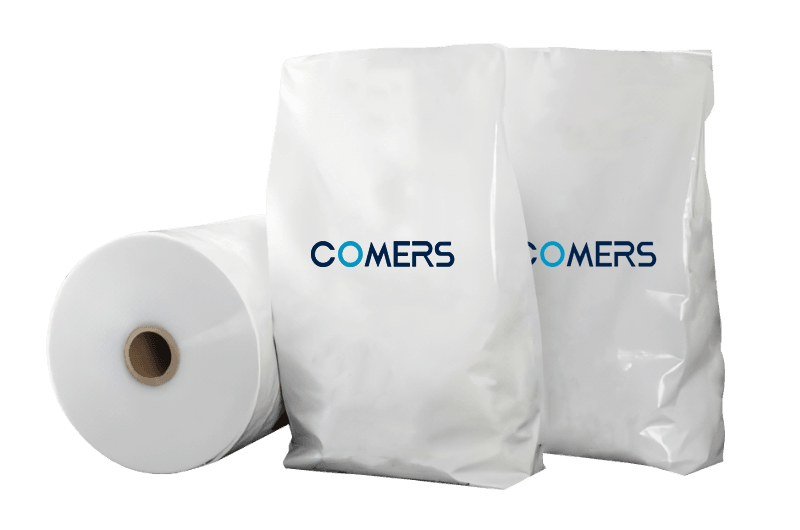
Intertram®FFS Liners
+ high barrier performance
+ prevent from moisture, oxygen(low WVTR<3.0,OTR<1.0)
+ various film types and thicknesses (Length:1M1-2M2 Thinkness:30-160um)
+ can replace Al material
+ High standard in food safety
+ Anti-static film (ATEX prevention)
+ Strict control over contaminants (BPA, Sakazaki-bacillus, etc.)
+ Tailored to customer needs
+ Enhanced product shelf life (approx. 6 months)
-

Washna ® Easy-peel films
+ prevent from moisture, oxygen(low WVTR<3.0,OTR<1.0)
+ various film types and thicknesses (Thickness:45 - 90um)
+ Clean & Safe Delamination
+ smooth sealing layer without wire drawing
+ Optimal Peel Performance
+ Good control level of black dot crystal point, in line with GB/T28117
+ Food contact safety
+ High durability
+ Superior barrier properties
+ Child-friendly opening
+ Clean, residue-free peel -
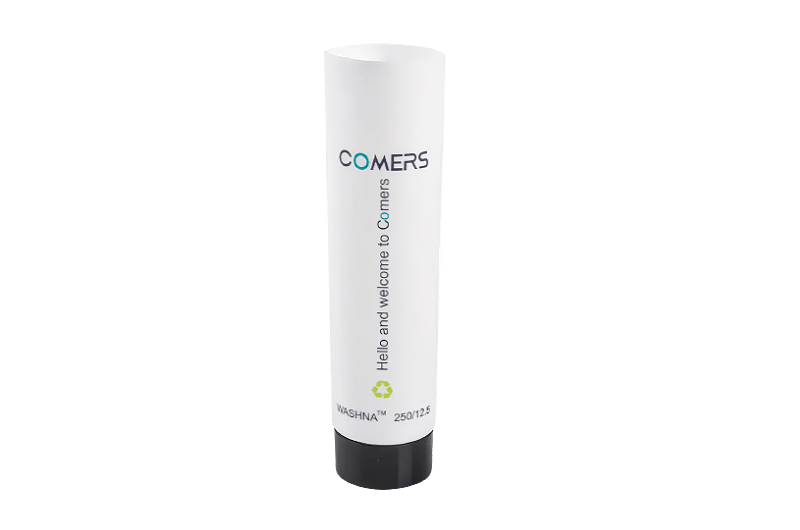
Washna® toothpaste films
+ Suitable for products in paste form
+ High stiffness and good mechanical properties
+ APR approval, Blow-molded in a single blow-molding
+ EVOH≤5%, in line with CEFLEX
+ white/transparent/ultra-white variants (customizable whiteness)
+ Precise thickness control (175−350μm±3%)
+ Excellent puncture resistance
+ Speckle-free surfaces (GB/T 28117 compliant)
+ Reduces environmental impact -
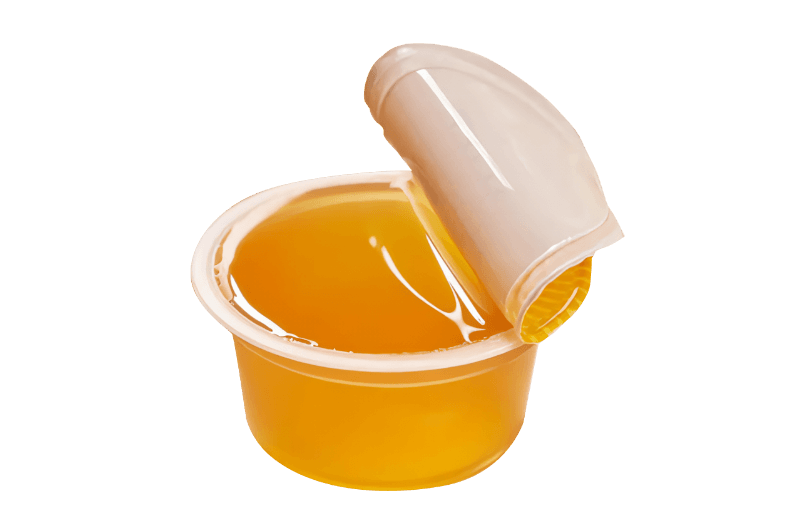
Washna® Laminate films
+ Operates with high-volume film
+ ultimate cost control
+ Good level of crystal point and black point control
+ Customizable with thickness and EVOH ratio
+ Easy-open End (EOE) functionality
+ Preserves freshness and extends shelf life
+ Odor-neutral composition
-
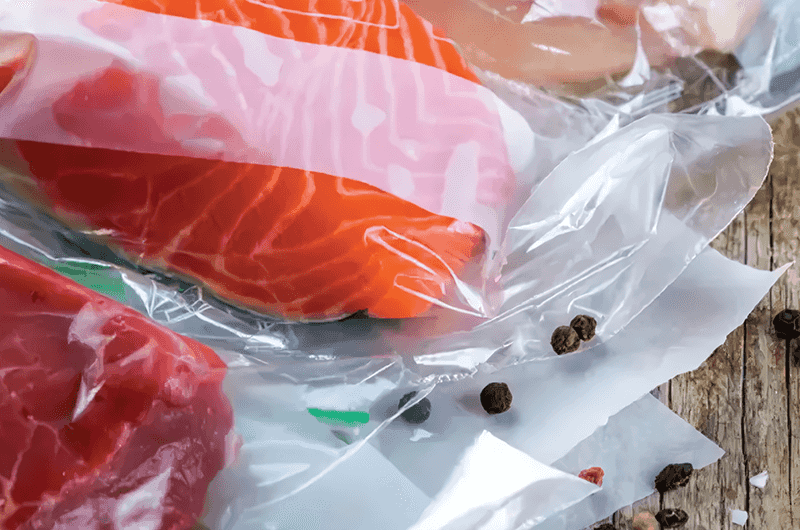
Agometa ® Frozen Vacuum Packaging Bags/Films
+ Excellent transparency
+ Good barrier against water vapor and oxygen
+ Heat sealing performance
+ Adds ultra-high barrier properties
+ high-end food market
+ stable performance, flexible and versatile
+ Good puncture resistance
Jiangsu Comers Neo Materials Co., Ltd.
No.161 Cailing Road, Linhu Town, Wuzhong District, Suzhou City, Jiangsu Province, China.
+86-0512-66558319
E-mail: [email protected]
