

 English
 中文简体
中文简体Ready-Meal Packaging: From Frozen Storage to Microwave Heating
Content
- 1 The Packaging Problem No One Talks About
- 2 What Frozen Storage Actually Does to Packaging
- 3 The Multi-Layer Structure Behind Every Frozen Meal
- 4 From Freezer to Microwave: The Transition Challenge
- 5 Materials That Make Microwaving Safe
- 6 Sustainability Is Now Part of the Equation
- 7 What This Means for Food Brands and Packaging Buyers
Pull a frozen ready meal from your freezer tonight, and in five minutes it will be steaming hot on your table. That sequence feels unremarkable — but the packaging that makes it possible is quietly performing one of the more demanding feats in materials engineering. It starts life in a blast freezer at -18°C, survives months in cold storage, endures vibration and stacking through the supply chain, and then — without any transfer to another vessel — goes straight into a microwave and withstands localized temperatures exceeding 100°C. Very few materials can do all of that reliably, safely, and at commodity price points.
The story of ready-meal packaging is really a story about extreme engineering operating in plain sight. And as consumer demand for frozen convenience food continues to grow, the technical, regulatory, and sustainability pressures on that packaging are intensifying together.
The Packaging Problem No One Talks About
Most everyday products encounter only one thermal environment. A coffee cup handles heat; a freezer bag handles cold. Ready-meal packaging must handle both — sequentially, in the same unit, with no consumer involvement between transitions. This creates what engineers sometimes call a dual-extreme challenge: the material must remain flexible and structurally sound at cryogenic storage temperatures, yet remain chemically stable and non-migrating under rapid, intense microwave heating.
The challenge is compounded by the frozen food supply chain itself. Before a meal even reaches a consumer's microwave, it has likely been frozen, stacked on pallets, transported in refrigerated trucks, briefly warmed during retail handling, and re-frozen at home. Each of those transitions stresses the packaging in different ways. A film that survives all of them — and then performs correctly in the microwave — has earned its shelf space.
What Frozen Storage Actually Does to Packaging
At subzero temperatures, most polymers lose ductility and become brittle. A film that flexes easily on a warm production floor can crack or fracture when exposed to the mechanical stresses of cold-chain logistics — forklift impacts, pallet compression, and the expansion forces of freezing food contents. This brittle-cracking risk is why material selection for frozen food packaging is far more constrained than for ambient or refrigerated applications.
Beyond brittleness, frozen storage introduces the problem of freezer burn. Oxygen doesn't become inert at low temperatures — it continues to oxidize fats and proteins, slowly degrading flavor and texture over months. Moisture vapor can also migrate out of the food and form ice crystals inside the package, causing dehydration and textural damage. measuring and improving barrier properties against both oxygen and water vapor is therefore a central discipline in frozen food packaging design — not a secondary consideration.
There's also a mechanical argument for strong barrier performance. Ice expansion within poorly sealed packaging can delaminate multi-layer films or rupture heat seals, breaking the protective atmosphere and accelerating quality degradation. The seal integrity that looks adequate at room temperature may prove inadequate when subjected to repeated freeze-thaw cycles across a six-month shelf life.
The Multi-Layer Structure Behind Every Frozen Meal
A modern frozen ready-meal package is rarely a single material. It is a laminate — typically two to five layers — where each layer serves a distinct function and none of them is redundant. Understanding this structure helps explain both how frozen meal packaging works and why designing it for the full thermal range is genuinely difficult.
The outer layer, often biaxially oriented polypropylene (BOPP) or polyethylene terephthalate (PET), provides printability, stiffness, and cold-crack resistance. PET in particular maintains reasonable mechanical performance at freezer temperatures and accepts high-quality graphics without ink adhesion failures. Beneath it, a barrier layer — typically EVOH (ethylene vinyl alcohol) or a metalized film — blocks oxygen and moisture transmission. This is the layer most responsible for preventing freezer burn over extended storage periods. The innermost sealant layer, frequently low-density polyethylene (LDPE) or cast polypropylene (CPP), creates the heat-sealed closure and defines what the food actually contacts during heating.
For tray-based formats, a rigid substrate — often polypropylene or CPET (crystallized polyethylene terephthalate) — forms the base, with a flexible lidding film heat-sealed across the top. The tray must hold its shape both at freezer temperatures and during microwave heating, a demand that rules out many otherwise functional polymers. The guidance on material selection and cost considerations for thermoformed food packaging illustrates how tray geometry, wall thickness, and polymer choice interact in ways that aren't always intuitive from material datasheets alone.
For flexible pouches designed for frozen vacuum packaging applications, the film structure also needs to accommodate the vacuum sealing process itself — conforming tightly to irregular food shapes without trapping air pockets that could lead to ice crystal formation at the food surface.
From Freezer to Microwave: The Transition Challenge
The physical transition from -18°C to microwave temperatures is not instantaneous, but it is fast — and packaging must handle not just the endpoints, but the journey between them. As the meal heats, steam begins to generate within the package. If that steam cannot escape in a controlled way, pressure builds rapidly. An unvented sealed package can balloon, rupture, or in extreme cases, burst in a way that distributes hot food across the microwave interior.
This is why most microwaveable ready-meal packages incorporate deliberate venting mechanisms. Peelable lidding films are designed to partially lift at elevated pressures, releasing steam while keeping the food contained. Perforated or laser-scored films vent predictably at defined pressure thresholds. Steamable bag formats are engineered with weak-seal zones that open in a controlled direction. Each of these approaches requires precise calibration: too little venting and the package bursts; too much and the food dries out or loses heat inefficiently.
The thermal demands also affect chemical behavior. At microwave temperatures, any chemical constituents of the packaging material that might migrate into food do so at accelerated rates. This is the core of regulatory concern around microwaveable packaging — not the heat itself, but the potential for packaging chemistry to interact with food under thermal stress.
Materials That Make Microwaving Safe
Polypropylene has become the dominant material for microwaveable food contact because it combines thermal stability, chemical inertness, and acceptable cost. PP retains structural integrity at temperatures well above 100°C, does not soften or warp under typical microwave conditions, and has a well-established safety profile for food contact applications. Crystallized PET (CPET) serves a similar role for dual-ovenable trays — formats designed to go from freezer to either a conventional oven or microwave — because its crystalline structure resists deformation at higher temperatures than standard amorphous PET.
Regulatory compliance is non-negotiable in this space. In the United States, food contact materials — including microwaveable packaging — are governed through the FDA's Food Contact Substance notification program, which requires demonstrating that any substance capable of migrating from packaging into food is safe at the levels of expected exposure. The USDA's Food Safety and Inspection Service additionally oversees packaging used in meat and poultry products, requiring that all materials maintain documented guaranties of compliance. Critically, FDA distinguishes between packaging cleared for cold storage and packaging cleared for microwave reheating — materials approved for one use are not automatically approved for the other.
The practical consequence for manufacturers is that "microwave safe" is a specific technical and regulatory designation, not a general description. A package must be tested and cleared for the temperatures and durations of its intended use. The design of steamable vacuum packaging bags and films, for instance, involves verifying that the steam-venting mechanism performs correctly across the range of microwave wattages consumers actually use — a variable that packaging engineers cannot control but must account for in design margins.
Lidding film design is where much of the microwaveable ready-meal innovation happens. The film must seal securely enough to survive freezer storage and distribution, yet peel predictably when steam pressure rises during heating — a balance that involves precise control of seal strength, peel angle, and film orientation. The engineering behind easy-peel lidding films, and the broader relationship between peel performance and heat sealing integrity, reflects how much precision is involved in what consumers perceive as a simple "peel and eat" experience.
Sustainability Is Now Part of the Equation
The ready-meal packaging sector is under mounting pressure to reduce plastic content and improve end-of-life recyclability — a challenge made structurally difficult by the multi-layer constructions that are precisely what make these packages functional. You cannot simply remove the EVOH barrier layer for recyclability reasons without compromising the frozen shelf life that consumers and retailers expect.
The EU Packaging and Packaging Waste Regulation (PPWR), which entered into force in early 2025, represents the most significant legislative inflection point for European food brands. It mandates recyclability by design by 2030 and sets minimum recycled content requirements, effectively accelerating the transition away from difficult-to-recycle laminates. Brands operating in the EU now face the prospect of redesigning existing SKUs — not as a voluntary sustainability initiative, but as a compliance requirement.
Industry responses are taking several forms. Mono-material structures — where all layers use the same polymer family, enabling recycling within a single stream — are gaining traction, though they often require performance compromises that must be managed through modified food formulations or reduced claimed shelf life. Fiber-based trays with thin plastic liners represent a different approach, reducing overall plastic mass while retaining a functional barrier surface. In January 2025, Cirkla introduced molded fiber MAP trays made from plant-based fibers such as sugarcane bagasse, claiming approximately 85% plastic reduction while maintaining the oxygen and moisture resistance needed for meat and seafood applications. Whether performance claims hold across diverse product formats and supply chains remains to be validated at scale.
For frozen meal packaging specifically, the sustainability calculus is more nuanced than for ambient products. Frozen preservation is itself an energy-intensive process — the cold chain consumes significant electricity over a product's shelf life. Packaging that extends frozen shelf life by even a few weeks may reduce food waste in ways that outweigh the environmental cost of its plastic content. This systemic view of packaging impact — accounting for the food waste it prevents, not just the material it adds — is gradually gaining ground in lifecycle assessment frameworks, though it has not yet meaningfully influenced consumer labeling or retail buying criteria.
What This Means for Food Brands and Packaging Buyers
The frozen-to-microwave requirement is not a niche specification — it describes the functional reality of almost every retail frozen ready meal sold today. But the implications for packaging procurement are often underestimated. Selecting packaging for this application is not a single decision; it is a series of interlocking decisions about material structure, sealing parameters, regulatory clearance, supplier qualification, and now sustainability compliance.
A few principles are worth anchoring to. First, thermal range testing should be non-negotiable. A supplier who can provide migration data only for ambient or refrigerated use cannot confirm safety for microwave applications. Second, seal integrity at both ends of the temperature range should be validated — not assumed from room-temperature data. Films that seal beautifully at 20°C can develop micro-fractures or peel-force inconsistencies after freeze-thaw cycling. Third, sustainability commitments should be evaluated against functional specifications, not instead of them. A fiber-based tray that cannot maintain frozen shelf life creates food waste that likely outweighs any packaging material savings.
The ready meal category is, in many ways, where packaging science is being pushed hardest. It sits at the intersection of consumer convenience expectations, food safety requirements, cold chain logistics, and environmental regulation. The packages that navigate all of those forces successfully tend to look deceptively simple — which is, perhaps, the best evidence that the engineering behind them is working.
-
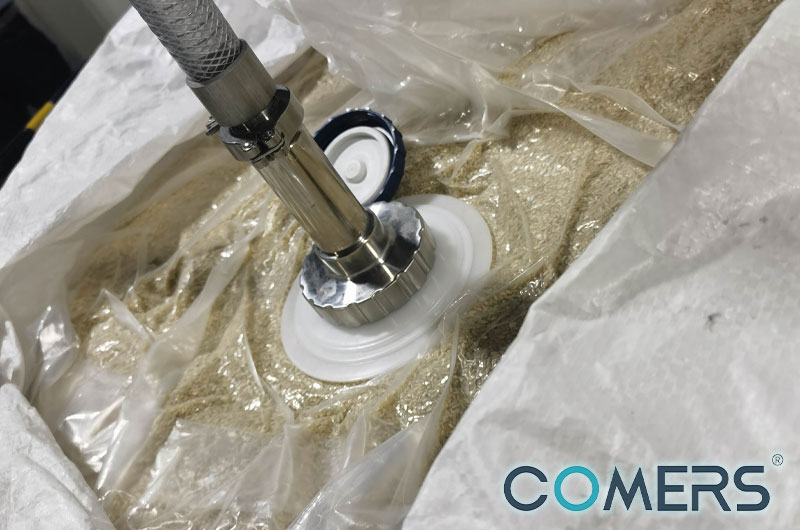
Intertram®FIBC Liners
+ Permanent anti-static / temporary anti-static
+ High barrier performance
+ Single material
+ Prevent from moisture, oxygen(low WVTR<3.0,OTR<1.0)
+ Various film types and thicknesses (Length:1M1-2M2 Thinkness:30-160um)
+ For milk powder/ coffee powder
+ Effective barrier and product protection
+ Strict quality control and safety standards
+ Highly customizable solutions
+ Durable and puncture-resistant
-
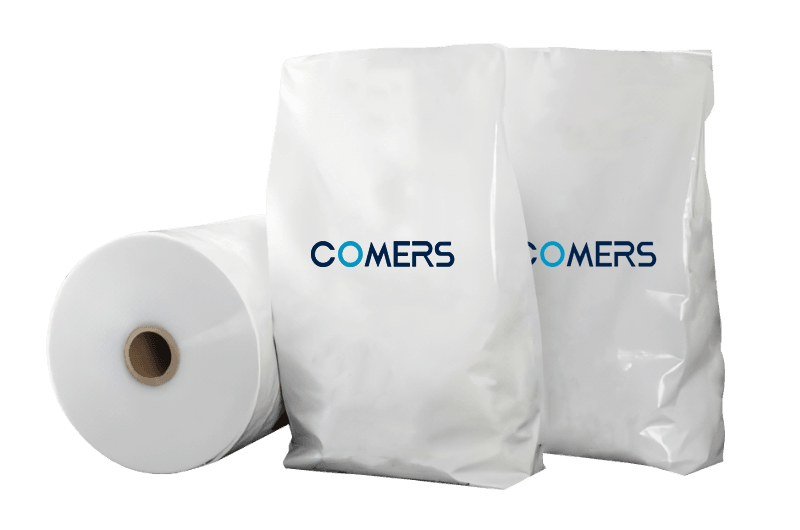
Intertram®FFS Liners
+ high barrier performance
+ prevent from moisture, oxygen(low WVTR<3.0,OTR<1.0)
+ various film types and thicknesses (Length:1M1-2M2 Thinkness:30-160um)
+ can replace Al material
+ High standard in food safety
+ Anti-static film (ATEX prevention)
+ Strict control over contaminants (BPA, Sakazaki-bacillus, etc.)
+ Tailored to customer needs
+ Enhanced product shelf life (approx. 6 months)
-

Washna ® Easy-peel films
+ prevent from moisture, oxygen(low WVTR<3.0,OTR<1.0)
+ various film types and thicknesses (Thickness:45 - 90um)
+ Clean & Safe Delamination
+ smooth sealing layer without wire drawing
+ Optimal Peel Performance
+ Good control level of black dot crystal point, in line with GB/T28117
+ Food contact safety
+ High durability
+ Superior barrier properties
+ Child-friendly opening
+ Clean, residue-free peel -
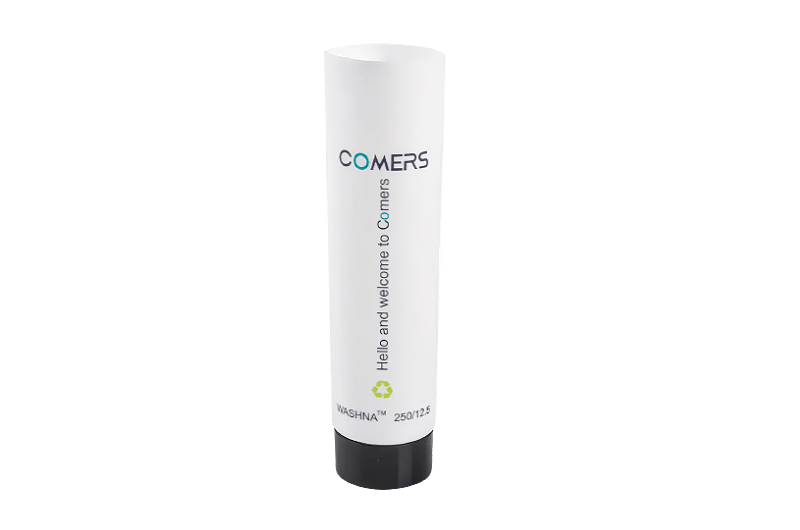
Washna® toothpaste films
+ Suitable for products in paste form
+ High stiffness and good mechanical properties
+ APR approval, Blow-molded in a single blow-molding
+ EVOH≤5%, in line with CEFLEX
+ white/transparent/ultra-white variants (customizable whiteness)
+ Precise thickness control (175−350μm±3%)
+ Excellent puncture resistance
+ Speckle-free surfaces (GB/T 28117 compliant)
+ Reduces environmental impact -

Washna® Laminate films
+ Operates with high-volume film
+ ultimate cost control
+ Good level of crystal point and black point control
+ Customizable with thickness and EVOH ratio
+ Easy-open End (EOE) functionality
+ Preserves freshness and extends shelf life
+ Odor-neutral composition
-
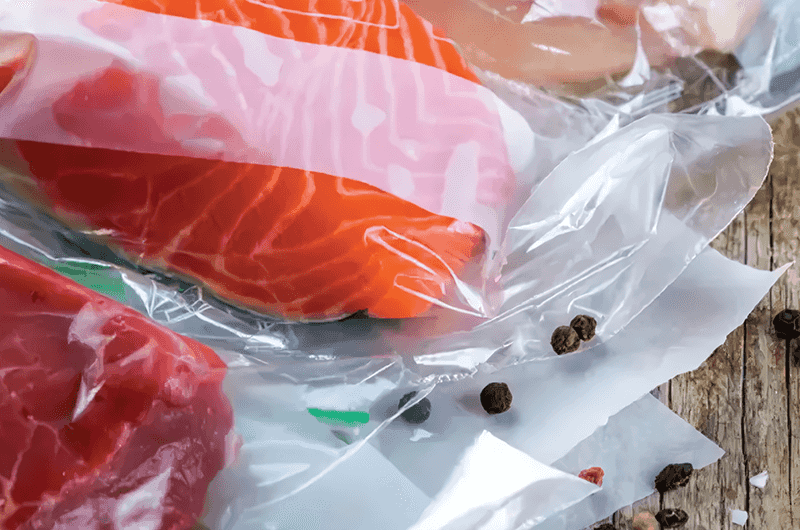
Agometa ® Frozen Vacuum Packaging Bags/Films
+ Excellent transparency
+ Good barrier against water vapor and oxygen
+ Heat sealing performance
+ Adds ultra-high barrier properties
+ high-end food market
+ stable performance, flexible and versatile
+ Good puncture resistance
Jiangsu Comers Neo Materials Co., Ltd.
No.161 Cailing Road, Linhu Town, Wuzhong District, Suzhou City, Jiangsu Province, China.
+86-0512-66558319
E-mail: [email protected]
