

 English
 中文简体
中文简体Thermoformed Food Packaging: Materials, Design, and Cost Guide
Content
- 1 Where thermoformed food packaging is the right fit
- 2 Material selection: match temperature, clarity, and sealing
- 3 Barrier performance and shelf-life: build only what you need
- 4 Design and tooling choices that control cost and consistency
- 5 Sealing and lidding: how to prevent leaks on real production lines
- 6 Sustainability and compliance without sacrificing performance
- 7 Implementation checklist for a dependable thermoformed pack
Thermoformed food packaging performs best when the tray/cup material and lidding film are specified around your product’s temperature, grease/acidity, and shelf-life target. This approach reduces leaks, improves shelf presentation, and controls cost because you’re not over-building the pack.
Use this practical decision path before you request samples or tooling:
- Define the real use temperature (cold fill, hot fill, microwave, oven, blast chill).
- Set a shelf-life target (days) and decide if you need a high-barrier lidding film and/or MAP.
- Lock the footprint and flange style that matches your sealing equipment.
- Choose a resin family that fits temperature + sealant compatibility, then optimize gauge for stiffness.
- Validate with leak + seal-strength testing at min/nominal/max line settings.
Where thermoformed food packaging is the right fit
Thermoforming shapes heated sheet into trays, cups, bowls, and lids at high throughput. It’s a strong choice when you need consistent geometry for automation, attractive presentation, and flexible SKU changes without switching to a completely different pack format.
Best-match product categories
- Fresh proteins and deli items that benefit from reliable sealing and optional modified-atmosphere packaging (MAP).
- Ready meals needing compartment trays and strong shelf appearance.
- Bakery, produce, and grab-and-go foods where clarity drives impulse purchase.
- Portion cups and multipacks where cavity count and cycle time matter.
What to expect in practice
Typical food thermoforms run in the ~0.2–0.8 mm wall-thickness range (application-dependent). Thinner gauges reduce cost but can amplify warpage and sealing variability, so gauge optimization should be validated against your line speed and distribution stresses.
Material selection: match temperature, clarity, and sealing
Start with the highest temperature the package will truly see (including reheating) and the seal interface you need. Material choice is often less about “best plastic” and more about compatibility between tray surface and lidding sealant.
| Material family | Typical temperature fit | Clarity | Common food uses | Notes for operations |
|---|---|---|---|---|
| APET / PET | Cold fill / chilled | High | Produce, bakery, deli, chilled meals | Great shelf appearance; pair with appropriate heat-seal layer or lidding sealant |
| CPET | Microwave / oven reheating | Low to medium | Ready meals, hot applications | Heat-resistant; typically not “crystal clear,” so use print/label for shelf impact |
| PP | Hot fill / microwave (application-dependent) | Medium | Deli tubs, meal trays, dairy | Good chemical resistance; sealing windows can be narrower—validate line settings early |
| HIPS / PS | Cold fill | Medium | Portion cups, bakery items | Cost-effective; check local recycling acceptance and brittleness in cold-chain distribution |
| PLA (bio-based) | Cold fill (heat sensitive) | High | Cold snacks, produce (where appropriate) | Performance depends on temperature exposure; end-of-life relies on local composting infrastructure |
A simple compatibility rule
Treat the tray and the lidding film as a system. For example, a PET tray often needs a compatible sealing layer (coextruded or coated) or a lidding film engineered to seal reliably to PET at your target speed. Most “mystery leaks” are actually material-to-sealant mismatches or a too-narrow sealing window.
Barrier performance and shelf-life: build only what you need
Shelf-life is usually limited by oxygen ingress, moisture loss/gain, or aroma transfer. In thermoformed food packaging, you typically tune barrier by adjusting the lidding film structure and (when needed) adding a barrier layer in the formed sheet.
Practical examples (what changes what)
- Fresh red meat: higher oxygen environments can preserve color; barrier design must match the intended gas mix and retail display time.
- Cooked deli meats and cheese: low oxygen transmission is often the priority; high-barrier lidding films can improve oxygen resistance by 10× or more versus basic structures (structure-dependent).
- Crisp bakery: moisture control drives texture; the wrong film can soften product quickly even if the seal is perfect.
What to specify to your supplier
Instead of asking for “high barrier,” specify targets: shelf-life goal (days), storage temperature, whether MAP is used, and any aroma sensitivity. If you have lab data, provide oxygen and moisture limits for the product. This keeps you from paying for barrier you don’t need.
Design and tooling choices that control cost and consistency
In thermoformed food packaging, tooling geometry and process stability often matter as much as resin price. Small design decisions can reduce thinning, improve de-nesting, and stabilize seals at speed.
Geometry rules that prevent common failures
- Use generous corner radii to reduce corner thinning (thin corners are where cracks and leaks start).
- Keep flange flatness as a primary functional spec; seals fail when the flange warps outside the sealing plane.
- Design for de-nesting: consistent draft, rim features, and stack tolerances reduce line stops.
- If you need stiffness, try ribs first before jumping to thicker gauge—ribs can add rigidity with minimal resin increase.
A simple cost example you can use in RFQs
Cost per unit is driven by part weight and conversion. For a tray weighing 18 g with resin at $1.60/kg, the resin portion is about $0.029 per tray (18/1000 × 1.60), before forming, trimming, scrap recovery, and overhead. Sharing target weight and annual volume helps suppliers propose the right gauge and cavity strategy.
Sealing and lidding: how to prevent leaks on real production lines
A “good seal” must survive vibration, cold-chain condensation, and handling—not just pass a quick visual check. The sealing system is the most frequent cause of customer complaints in thermoformed food packaging, so treat it like a controlled process.
What to lock down in your seal spec
- Seal temperature window (min/nominal/max) and dwell time at the target line speed.
- Seal pressure and the actual sealing land width on the flange.
- Acceptable peel behavior (easy-peel vs weld) and minimum seal strength targets.
- Contamination tolerance (oil, sauce, crumbs) and mitigation steps (flange design, fill control).
Fast troubleshooting map
If leaks appear only at speed, suspect insufficient dwell/pressure or uneven platen contact. If leaks appear randomly, suspect flange warp, contamination, or lidding film tension issues. Most fixes come from widening the process window (material/film pairing, flange stiffness) rather than chasing a single temperature setpoint.
Sustainability and compliance without sacrificing performance
Sustainability in thermoformed food packaging is usually achieved through downgauging, increasing recycled content where allowed, and simplifying structures for recyclability—while maintaining barrier and seal integrity.
What works in practice
- Downgauging with structural features (ribs, smarter geometry) often yields the biggest footprint reduction per unit.
- Mono-material strategies (e.g., keeping tray and seal layer within one family) can improve end-of-life outcomes in systems that sort by resin type.
- PCR content is easiest when you have clear constraints: food-contact requirements, color tolerance, and odor/organoleptic limits.
Compliance checklist to include in supplier approvals
- Food-contact declarations and migration testing appropriate for your market.
- Traceability: lot coding and documentation flow from resin/film to finished packs.
- Recycled-content documentation (if used) and any required chain-of-custody records.
Implementation checklist for a dependable thermoformed pack
If you want thermoformed food packaging that runs cleanly on day one, treat validation as a short, structured project rather than a sampling exercise.
Minimum validation tests
- Dimensional checks: flange flatness, stack height, and fit with denesters/conveyors.
- Seal integrity: peel/seal strength and leak testing across min/nominal/max line settings.
- Distribution simulation: vibration and drop checks with product-filled packs.
- Shelf-life confirmation: at target storage conditions (especially if MAP or high-barrier films are used).
Bottom line: the most reliable results come from specifying the tray/film/seal as one system, validating at production speed, and locking down the few dimensions (especially flange flatness) that control sealing success.
-
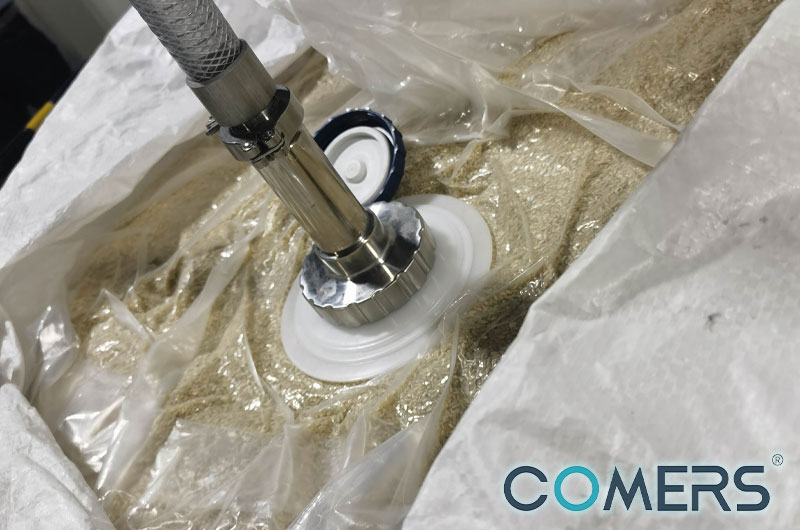
Intertram®FIBC Liners
+ Permanent anti-static / temporary anti-static
+ High barrier performance
+ Single material
+ Prevent from moisture, oxygen(low WVTR<3.0,OTR<1.0)
+ Various film types and thicknesses (Length:1M1-2M2 Thinkness:30-160um)
+ For milk powder/ coffee powder
+ Effective barrier and product protection
+ Strict quality control and safety standards
+ Highly customizable solutions
+ Durable and puncture-resistant
-
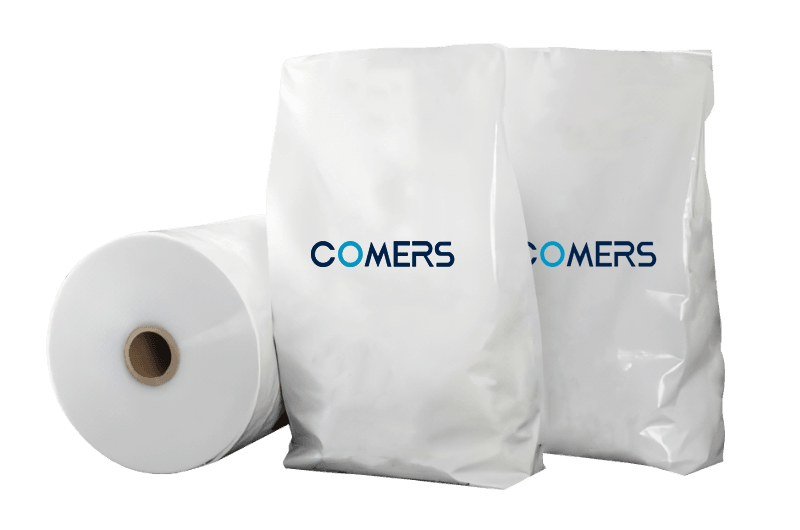
Intertram®FFS Liners
+ high barrier performance
+ prevent from moisture, oxygen(low WVTR<3.0,OTR<1.0)
+ various film types and thicknesses (Length:1M1-2M2 Thinkness:30-160um)
+ can replace Al material
+ High standard in food safety
+ Anti-static film (ATEX prevention)
+ Strict control over contaminants (BPA, Sakazaki-bacillus, etc.)
+ Tailored to customer needs
+ Enhanced product shelf life (approx. 6 months)
-

Washna ® Easy-peel films
+ prevent from moisture, oxygen(low WVTR<3.0,OTR<1.0)
+ various film types and thicknesses (Thickness:45 - 90um)
+ Clean & Safe Delamination
+ smooth sealing layer without wire drawing
+ Optimal Peel Performance
+ Good control level of black dot crystal point, in line with GB/T28117
+ Food contact safety
+ High durability
+ Superior barrier properties
+ Child-friendly opening
+ Clean, residue-free peel -
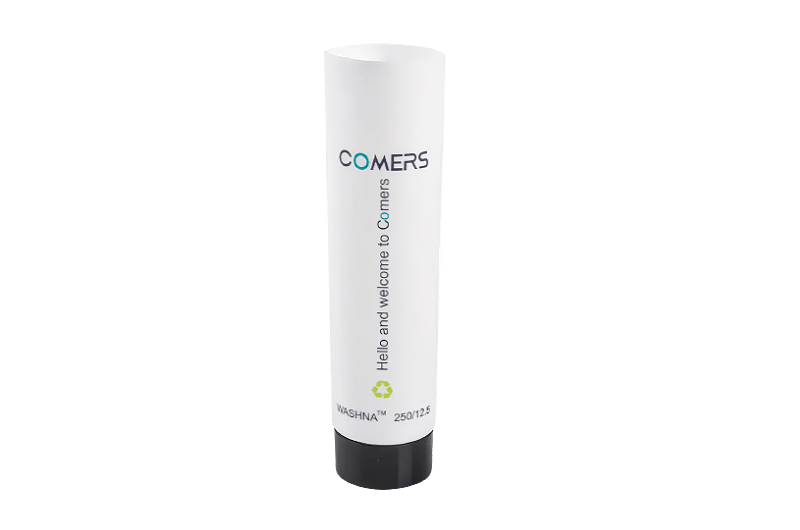
Washna® toothpaste films
+ Suitable for products in paste form
+ High stiffness and good mechanical properties
+ APR approval, Blow-molded in a single blow-molding
+ EVOH≤5%, in line with CEFLEX
+ white/transparent/ultra-white variants (customizable whiteness)
+ Precise thickness control (175−350μm±3%)
+ Excellent puncture resistance
+ Speckle-free surfaces (GB/T 28117 compliant)
+ Reduces environmental impact -
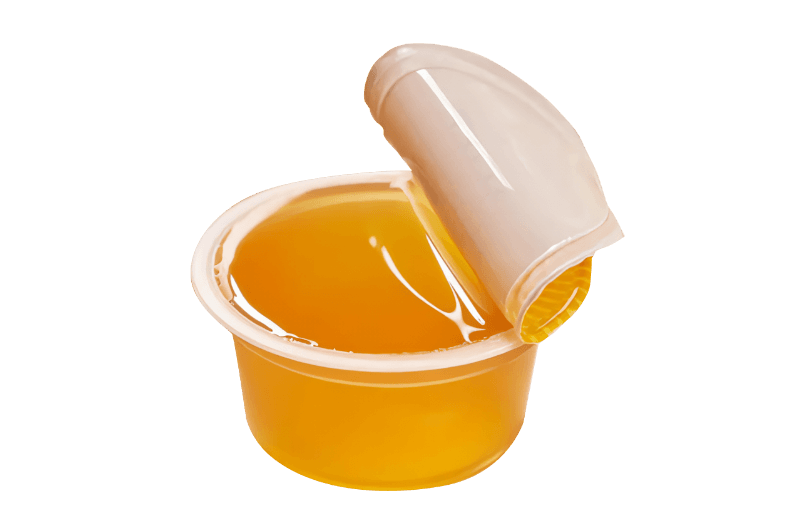
Washna® Laminate films
+ Operates with high-volume film
+ ultimate cost control
+ Good level of crystal point and black point control
+ Customizable with thickness and EVOH ratio
+ Easy-open End (EOE) functionality
+ Preserves freshness and extends shelf life
+ Odor-neutral composition
-
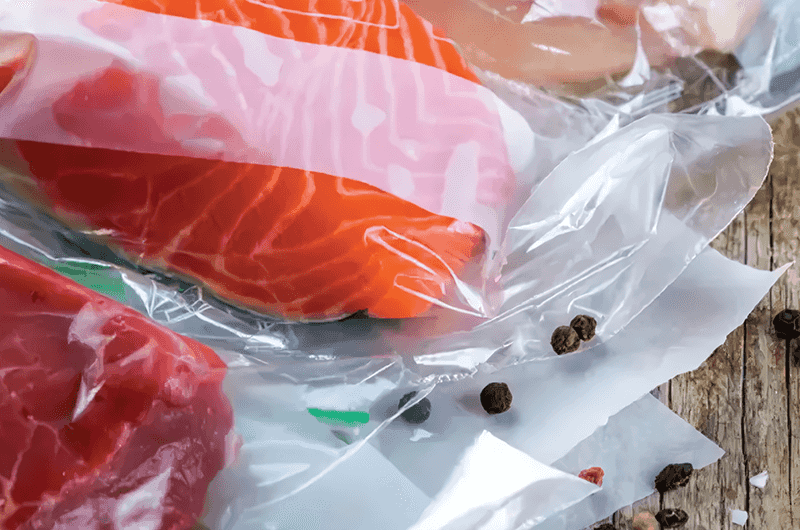
Agometa ® Frozen Vacuum Packaging Bags/Films
+ Excellent transparency
+ Good barrier against water vapor and oxygen
+ Heat sealing performance
+ Adds ultra-high barrier properties
+ high-end food market
+ stable performance, flexible and versatile
+ Good puncture resistance
Jiangsu Comers Neo Materials Co., Ltd.
No.161 Cailing Road, Linhu Town, Wuzhong District, Suzhou City, Jiangsu Province, China.
+86-0512-66558319
E-mail: [email protected]
