

 English
 中文简体
中文简体Logistics Cushioning Packaging Solutions: Cost, Performance & Sustainability Compared
Content
- 1 Why Logistics Cushioning Matters More Than Ever
- 2 The Three Main Types of Logistics Cushioning Fillers
- 3 Performance Metrics: How to Compare Cushioning Materials Objectively
- 4 Automation Integration: Matching Cushioning Systems to Your Packing Line
- 5 Application-Specific Recommendations: From Electronics to Frozen Food
- 6 Sustainability & Compliance: Meeting Green Logistics Standards
- 7 Decision Matrix: How to Choose the Right Solution for Your Business
Why Logistics Cushioning Matters More Than Ever
A single crushed shipment of surgical instruments doesn't just cost a warranty claim — it erodes the trust that took three years to earn. In high-volume fulfillment, product damage rates hover between 1% and 3% of total parcels, and every percentage point above that destroys margins.
Logistics cushioning is no longer a commodity decision. It's a lever that directly controls freight costs, warehouse footprint, throughput speed, and even a brand's sustainability score. Shippers who treat void fill as an afterthought end up paying for it twice: once in material and again in heavier packages, wasted shelf space, and return logistics.
The fastest-growing e-commerce segments — electronics, health products, meal kits — have intensified the demands on protective fillers. Materials now need to survive sub-zero cold chains, dissipate static electricity around circuit boards, and still compress flat to fit inside a corrugated box without wasting carrier dimensional weight. The right cushioning choice can cut packaging labor by 30% and slash storage space by 70%, while the wrong one leads to breakage spikes that go unnoticed until a carrier rate review.
This article compares the three core logistics cushioning packaging solutions — air cushion, foam, and paper — across their true total costs, protective performance, integration with automated packing lines, and environmental footprint. No theory. Only the numbers and selection logic your packing engineer needs.
The Three Main Types of Logistics Cushioning Fillers
All cushioning systems aim to decelerate a package's contents gently when a box is dropped, vibration-shaken, or stacked under pressure. The three dominant material families do this with fundamentally different economics.
Air cushion systems inflate polyethylene film at the packing station, creating pillows or tubes on demand. Before inflation, the film rolls occupy minimal storage — typically 70% less warehouse space than pre-expanded foam or paper. The inflated cushions are 85% to 90% lighter than traditional materials, which causes an immediate drop in parcel weight and dimensional-weight charges. Because the film is produced using multi-layer coextrusion (often incorporating EVOH barrier layers), specialized grades can deliver anti-static, high-puncture-resistance, or even cold-chain flexibility down to -20°C. For a deep dive on how advanced high-barrier films extend beyond basic cushioning, barrier coatings for flexible packaging solutions detail the science behind these laminates.
Foam cushioning — whether pre-cut polyethylene, polyurethane slabs, or on-demand mixed systems — provides the highest energy absorption per unit thickness. It molds to irregular shapes and applies very low surface pressure, which makes it the default for precision optics and heavy cast-metal parts. The trade-off is material efficiency: foam takes up significant storage volume and often arrives pre-formed. Even with on-site foam-in-place systems, chemical reaction times can throttle throughput, and the materials cannot be collapsed and recycled through standard municipal streams, adding disposal costs.
Paper cushioning uses die-cut kraft or honeycomb paper that expands when tensioned. It carries strong sustainability branding because it is 100% recyclable in curbside paper streams and can be sourced with FSC certification. However, paper absorbs moisture in humid transit environments, and its cushioning performance degrades after repeated impacts. It also adds more weight per cubic foot of void fill than air cushions, which can push packages into a higher carrier weight tier. Paper is often the right answer for lightweight, non-hygroscopic goods shipped short distances where recyclability matters more than protection curve optimization.
Performance Metrics: How to Compare Cushioning Materials Objectively
Purchasing decisions based solely on "thickness" or "how it feels" lead to both over-packaging and under-protection. The engineering reality lives inside a handful of standardized test values that every logistics cushioning spec should reference.
Film thickness (µm) controls the fundamental tear and burst resistance. For lightweight parcels under 5 kg, a 30–40 µm monolayer film may suffice. Packages between 5 and 20 kg require 40–55 µm coextruded film, and loads above 20 kg call for 55–80 µm with an EVOH or metallic core to prevent slow puncture during multi-day transit. Air cushion films manufactured using 7- and 9-layer blown film lines achieve these higher gauge tolerances without sacrificing seal integrity.
Seal strength (N/15mm) is where many cheap films fail. A seal that peels below 8 N/15mm will open under the sustained vibration of a truck bed. Top-tier films maintain 12–16 N/15mm, even at the edges of filled pillows. This is not a marginal difference — it's the line between a cushion that holds inflation for six days and one that goes flat after a single warehouse conveyor drop.
Puncture resistance (N) depends on both film composition and pillow geometry. For high-volume automated cushioning systems, such as those detailed on the buffer air cushion packaging films page, multi-layer films are engineered to reach 15–25 N puncture values, which is essential when sharp edges from die-cast aluminum or glass bottles are in play. By contrast, monolayer films often test below 10 N, making them unsuitable for anything heavier than apparel.
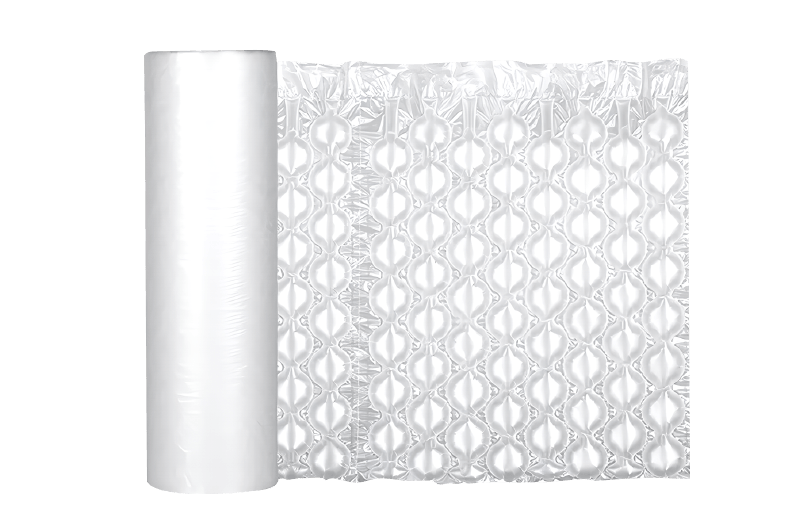
Surface resistivity (Ω/sq) matters the moment a packing line handles circuit boards or Class-100 cleanroom devices. Anti-static air cushion films should deliver surface resistivity between 10⁸ and 10¹¹ Ω/sq (per ASTM D257), enough to dissipate charge without creating a conductive path that could short components. General-use foam and paper cannot be tuned to this spec without coated additives that raise cost.
Test standards matter. Impact performance should always be referenced to ISTA 3A or ASTM D4169 drop sequences, and cushion curves — plots of peak deceleration (G) versus static loading — give an engineer the exact film thickness and pillow count needed for a given product fragility. Without that data, you are guessing.
Automation Integration: Matching Cushioning Systems to Your Packing Line
The best cushioning material in the world becomes a bottleneck if it can't keep pace with a pick-and-pack line running 1,500 boxes per shift. Integration with existing box erectors, void-fill dispensers, and weight-based shipping scanners determines whether you end up with a lean cell or a pile of half-inflated pillows on the floor.
There are three proven architecture patterns for deploying air cushion machines on a logistics cushioning line.
- Independent workstation — The cushioning machine stands next to the packing bench. An operator manually pulls pillows and places them. Typical throughput: 300–500 boxes per shift. Capital cost: $2,000–$6,000. Payback for small fulfillment centers comes from eliminating pre-formed foam inventory within 6 months.
- In-line with case sealer — A sensor triggers cushion dispensing when the box approaches the taping head, so pillows land directly into the carton void. Throughput jumps to 800–1,200 boxes per shift. ROI cycles at mid-volume 3PLs run 9–14 months, driven mainly by labor reduction and reduced dimensional weight charges.
- Fully automated cell with weigh-scale integration — The packaging software calculates exact void volume after item insertion and commands the cushioning machine to produce a precise pillow sequence. Fiber-optic anti-jam sensors and auto-clearing knives prevent downtime. Throughput: 1,800+ boxes per shift. Installed cost can reach $25,000–$45,000, but the system pays back in 12–18 months for operations shipping >1,000 boxes daily, especially when carrier surcharges for half-full cartons are eliminated.
The film itself must support the selected throughput. Machines that run at 14 m/min demand film with uniform gauge and sealed-edge consistency; any variance creates wrinkles that trip photoelectric sensors. If the film's coefficient of friction varies roll-to-roll, pillows may not separate cleanly at the perforation line, leading to jams that erase labor savings. This is where vertically integrated film manufacturers who control everything from raw resin blending to finished roll winding — facilities routinely operating ISO-8 cleanrooms and producing over 10,000 metric tonnes annually — deliver a reliability advantage that generic distributors cannot match.
Application-Specific Recommendations: From Electronics to Frozen Food
What protects a circuit board will crush a pastry. Five cargo profiles cover roughly 85% of all logistics cushioning decisions, and each has a clear winner when cost, damage rate, and packing speed are weighted together.
- Precision electronics and instruments — Static discharge and micro-vibration are the killers. Recommended: Anti-static air cushion pillows (surface resistivity 10⁸–10¹¹ Ω/sq) combined with conductive foam corner blocks. Alternative: Full foam-in-place encapsulation. Not recommended: Plain paper void fill (generates dust, no ESD protection).
- Liquid-filled bottles and jars — The threat is side-wall puncture and cap loosening. Recommended: High-puncture-resistance air tubes (≥20 N puncture) that brace bottles from four sides. Alternative: die-cut foam inserts with bottle cavities. Not recommended: Loose-fill peanuts (migrate and lose support).
- Dry powder products — The enemy is particle migration that bursts inner liners under vibration. Recommended: Multilayer air pillows with high seal strength (≥14 N/15mm) to maintain firm bridging around FIBC or box liners. Alternative: Heavy-weight kraft paper padding. Not recommended: Low-gauge foam that compresses slowly and leaves void gaps.
- Frozen and chilled food — Cushioning must stay pliable at -20°C and not absorb condensation. Recommended: Air cushion film specifically compounded for cold-chain flexibility, often used in conjunction with high-barrier vacuum packaging to prevent moisture loss. Systems that pair air pillows with frozen-grade films reduce secondary insulation bulk. Alternative: Closed-cell polyethylene foam (higher cost). Not recommended: Standard bubble wrap (embrittles) and any fiber-based material that draws moisture.
- Heavy industrial components (over 30 kg) — Shock at ground impact exceeds what air pillows alone can absorb. Recommended: Engineered foam cradles with predefined cushion curves, supplemented by air pillows for lateral stability. Alternative: Steel-banded pallet with full foam encapsulation. Not recommended: Any single-material air or paper-only system.
Each profile above should be validated against ISTA 3A drop testing, not just gut feel. A practical approach is to run the same product through three cushion scenarios, record G-levels with embedded accelerometers, and pick the configuration that stays below the product's fragility rating at the lowest total cost per ship unit. The fastest path to a reliable setup is often a lab-grade trial performed with the packaging film manufacturer's technical support team.
Sustainability & Compliance: Meeting Green Logistics Standards
Sustainability claims that melt under regulatory scrutiny do more brand damage than a cracked screen. The packaging industry is moving toward full lifecycle accountability under frameworks like the EU Packaging and Packaging Waste Regulation (PPWR) and extended producer responsibility (EPR) laws already active in over 30 US states in some form.
A sustainability scorecard must weight four factors: material origin, end-of-life recyclability, carbon footprint per cubic foot of protection, and transport efficiency. Air cushion films made from LDPE (#4 resin) are widely accepted in grocery store drop-off programs, and many suppliers now offer 30%–50% post-industrial recycled content without loss of seal strength. Biodegradable film options that meet ASTM D6400 are emerging, albeit with some trade-off in shelf-life stability. Foam, particularly cross-linked polyethylene and polyurethane, carries a heavy end-of-life burden — it's rarely recycled curbside and occupies disproportionate landfill volume per shipped unit. Paper cushioning scores highest on circularity, but its higher weight per protective unit increases fuel consumption, complicating a pure carbon-footprint comparison.
Practically, businesses targeting both sustainability and logistics efficiency often adopt a mixed-material strategy: air pillows for the bulk of void fill, with paper inserts for consumer-facing unboxing moments. This delivers the lowest total system cost while hitting the key recyclability checkbox that retail partners now demand. For companies shipping into jurisdictions with aggressive plastic bans, the same film extrusion technology that powers air cushion lines can be redirected to produce thin, high-strength paper-laminated cushioning that still collapses flat for storage.
Decision Matrix: How to Choose the Right Solution for Your Business
The following matrix distills everything above into a single reference. Start with your primary constraint — fragility, weight, shipping distance, or automation readiness — and follow the column to the recommended cushioning family.
To use the matrix with precision, overlay your own carrier data: pull the last six months of damage claims, sort by SKU, and match each damaged product to its current cushion type. The SKUs with the highest claims-per-shipment ratio are the ones where even a small material upgrade yields an immediate ROI — often within a single billing cycle. That is the point where logistics cushioning stops being a cost center and starts functioning as a margin tool.
-
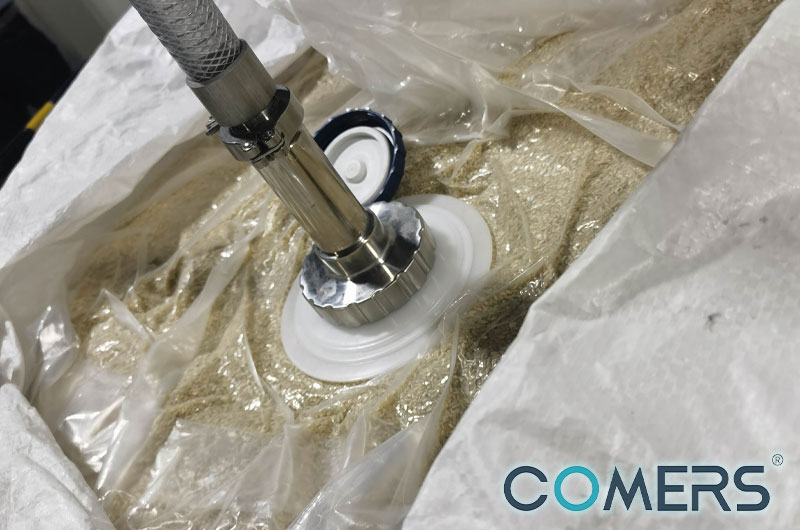
Intertram®FIBC Liners
+ Permanent anti-static / temporary anti-static
+ High barrier performance
+ Single material
+ Prevent from moisture, oxygen(low WVTR<3.0,OTR<1.0)
+ Various film types and thicknesses (Length:1M1-2M2 Thinkness:30-160um)
+ For milk powder/ coffee powder
+ Effective barrier and product protection
+ Strict quality control and safety standards
+ Highly customizable solutions
+ Durable and puncture-resistant
-
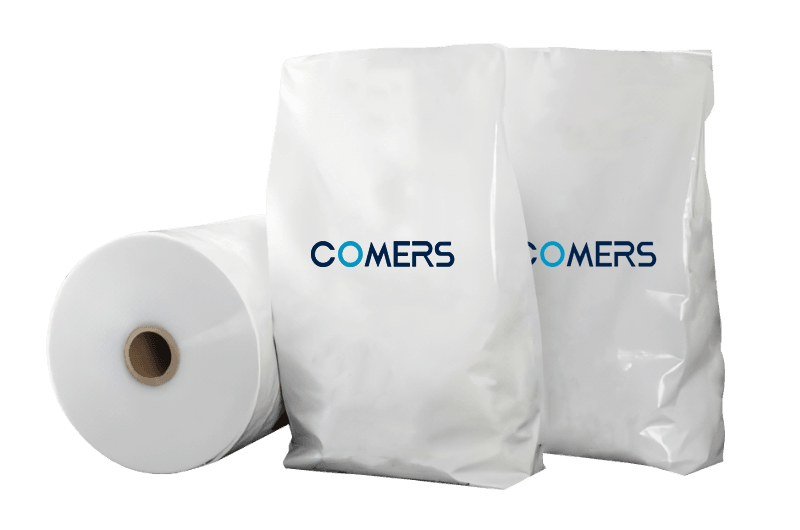
Intertram®FFS Liners
+ high barrier performance
+ prevent from moisture, oxygen(low WVTR<3.0,OTR<1.0)
+ various film types and thicknesses (Length:1M1-2M2 Thinkness:30-160um)
+ can replace Al material
+ High standard in food safety
+ Anti-static film (ATEX prevention)
+ Strict control over contaminants (BPA, Sakazaki-bacillus, etc.)
+ Tailored to customer needs
+ Enhanced product shelf life (approx. 6 months)
-
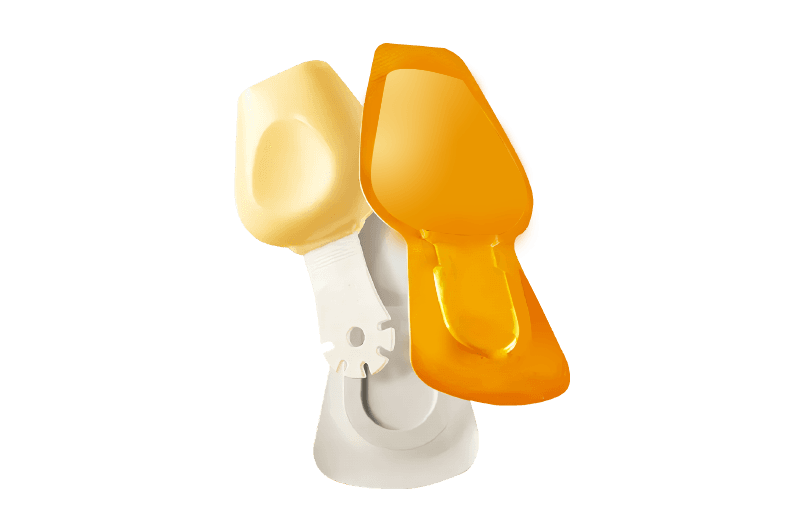
Washna ® Easy-peel films
+ prevent from moisture, oxygen(low WVTR<3.0,OTR<1.0)
+ various film types and thicknesses (Thickness:45 - 90um)
+ Clean & Safe Delamination
+ smooth sealing layer without wire drawing
+ Optimal Peel Performance
+ Good control level of black dot crystal point, in line with GB/T28117
+ Food contact safety
+ High durability
+ Superior barrier properties
+ Child-friendly opening
+ Clean, residue-free peel -
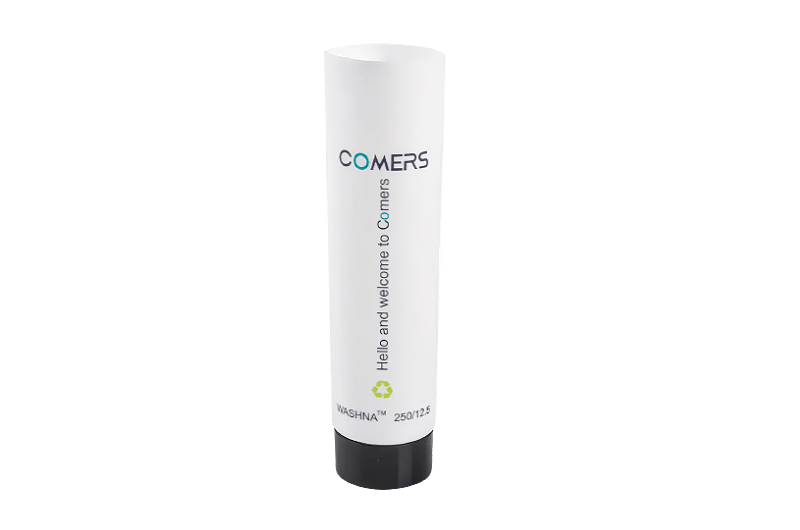
Washna® toothpaste films
+ Suitable for products in paste form
+ High stiffness and good mechanical properties
+ APR approval, Blow-molded in a single blow-molding
+ EVOH≤5%, in line with CEFLEX
+ white/transparent/ultra-white variants (customizable whiteness)
+ Precise thickness control (175−350μm±3%)
+ Excellent puncture resistance
+ Speckle-free surfaces (GB/T 28117 compliant)
+ Reduces environmental impact -
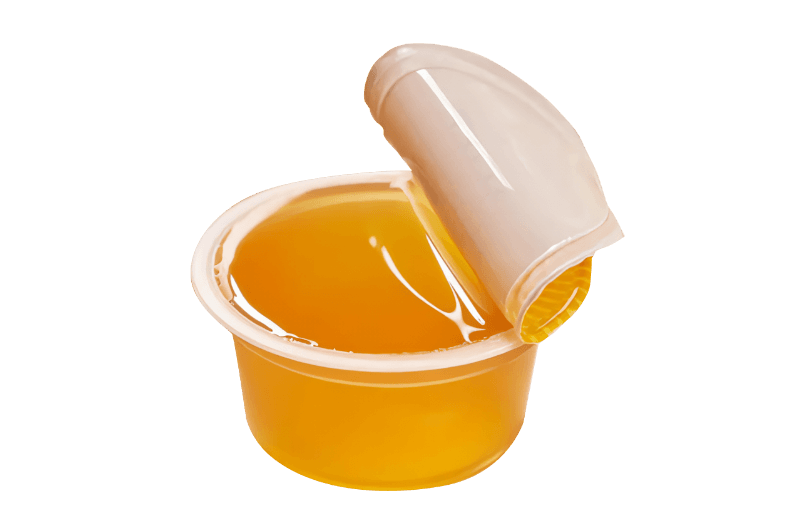
Washna® Laminate films
+ Operates with high-volume film
+ ultimate cost control
+ Good level of crystal point and black point control
+ Customizable with thickness and EVOH ratio
+ Easy-open End (EOE) functionality
+ Preserves freshness and extends shelf life
+ Odor-neutral composition
-
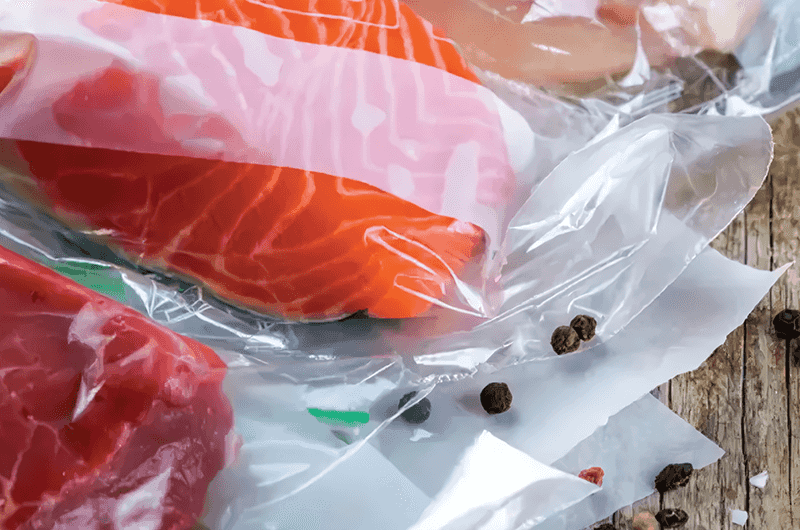
Agometa ® Frozen Vacuum Packaging Bags/Films
+ Excellent transparency
+ Good barrier against water vapor and oxygen
+ Heat sealing performance
+ Adds ultra-high barrier properties
+ high-end food market
+ stable performance, flexible and versatile
+ Good puncture resistance
Jiangsu Comers Neo Materials Co., Ltd.
No.161 Cailing Road, Linhu Town, Wuzhong District, Suzhou City, Jiangsu Province, China.
+86-0512-66558319
E-mail: [email protected]
