

 English
 中文简体
中文简体Easy-Peel Without Leaks: Balancing Peel Performance and Heat Sealing
Content
- 1 What "Easy Peel" Actually Means — and Why It Is Not the Same as a Weak Seal
- 2 The Three Variables That Control Peel Strength at the Sealing Station
- 3 Film Structure: How Multilayer Design Enables Controlled Release
- 4 Where Leaks Come From — and How to Prevent Them
- 5 Testing Standards: Quantifying the Balance Objectively
- 6 Application-Specific Considerations: Food, Pharma, and Beyond
- 7 Sustainable Structures and the Peel Performance Trade-Off
- 8 A Framework for Getting the Specification Right
A yogurt cup that leaks in transit destroys consumer trust just as surely as a lid that tears instead of peeling cleanly. Both failures trace back to the same root cause: the seal was not tuned correctly. Easy-peel packaging lives and dies by a narrow performance window — strong enough to survive the supply chain, gentle enough to release in a consumer's hand. Finding that window, and holding it reliably across every production run, is the central engineering challenge of modern flexible packaging.
What "Easy Peel" Actually Means — and Why It Is Not the Same as a Weak Seal
A persistent misconception in packaging specification is that easy-peel automatically implies a compromised seal. The opposite is closer to the truth. A well-engineered easy-peel structure forms a robust bond during storage and distribution, then releases through a controlled failure mechanism when the consumer applies force at the designated peel tab.
The distinction lies in how the seal fails, not how strong it is. A weld seal bonds the film to the substrate so thoroughly that separation tears the material itself. A peelable seal is engineered to fail cohesively — the sealant layer splits within itself — or adhesively at the interface between the film and the tray rim. Either mechanism can be calibrated to deliver a firm, tamper-evident seal during distribution while still opening smoothly at the point of use.
This is why peel strength is always expressed as a range, not a single value. For many food and dairy applications, a target peel force window might be specified in N/15 mm, with a lower threshold set to prevent leaks during logistics and an upper threshold set to ensure the package does not require excessive force to open. Both boundaries are equally binding.
The Three Variables That Control Peel Strength at the Sealing Station
Regardless of how a film is formulated, peel strength on the production line is governed by three process parameters: temperature, pressure, and dwell time. These three variables interact, and shifting any one of them changes the seal outcome.
Temperature is the primary driver. The sealant layer must reach its activation temperature to flow and bond to the substrate. Too cool, and the seal is incomplete — micropores remain that allow liquids or gases to migrate through, resulting in leaks. Too hot, and the adhesive layer overflows the sealing zone, penetrates the film structure too aggressively, or scorches, producing a bond that is simultaneously over-adhered and structurally weak.
Pressure ensures intimate contact between the film and the tray rim during the sealing event. Uneven pressure — often caused by worn sealing bars or warped tooling — creates inconsistent seal widths and localized voids. These voids are the most common source of leak complaints on otherwise correctly formulated films.
Dwell time (the period the sealing jaws remain closed) determines how thoroughly the heat transfers from the tooling into the film layers. Short dwell times require higher temperatures to compensate. Long dwell times at moderate temperatures can produce cleaner seals on heat-sensitive substrates but reduce line throughput. Establishing the right balance between these three variables through process development and validation is foundational before any film qualification is considered complete.
Film Structure: How Multilayer Design Enables Controlled Release
The material architecture of an easy-peel film is what makes the controlled release mechanism possible in the first place. Most commercial peelable lidding films are co-extruded or laminated multilayer structures, and each layer plays a defined role.
The outer structural layer — typically biaxially oriented PET or BOPP — provides dimensional stability, puncture resistance, and a printable surface. It does not participate in the sealing event. The inner sealant layer is where the engineering work happens.
Sealant formulations for easy-peel applications are blended to achieve a specific bond energy with the target tray material. For PP trays, a sealant based on an ethylene copolymer or modified PP resin is typically used. For PS or PET trays, different polymer chemistries apply. The critical design principle is selective adhesion: the sealant bonds well to the tray rim under heat and pressure, but the bond energy is tuned so that cohesive or interfacial failure occurs predictably when the consumer peels.
Barrier layers — EVOH, aluminum oxide coatings, or metallized films — can be incorporated into the laminate stack without altering the peel mechanism, provided they are positioned away from the sealing interface. High-barrier easy-peel structures are now standard for oxygen-sensitive foods, specialty dairy products, and pharmaceutical blister packaging.
| Tray Material | Typical Sealant Chemistry | Failure Mode | Typical Peel Character |
|---|---|---|---|
| PP | Modified PP / ethylene copolymer | Cohesive | Clean, consistent |
| PET | EAA or ionomer-based sealant | Adhesive/interfacial | Smooth, low residue |
| PS | EVA or modified polyolefin | Adhesive | Moderate force, clean rim |
| PE (Mono PE) | LLDPE / PE sealant blend | Cohesive | Soft peel, recyclable-compatible |
Where Leaks Come From — and How to Prevent Them
Most seal leaks in easy-peel packaging do not originate from incorrect film selection. They originate from process inconsistency and tooling degradation. Understanding the failure modes allows packaging engineers to address them at the source rather than chasing formulation changes that will not solve a machine-side problem.
Contamination at the seal interface is the most common culprit in food applications. Filling equipment that allows product to deposit on the tray flange — oils, sauces, liquid proteins — prevents complete adhesion even when all sealing parameters are within specification. The solution involves both filling head geometry and a verification of tray-to-sealer registration to minimize overfill scatter.
Inconsistent film tension during the sealing cycle creates waviness across the seal zone, reducing the effective bonded area. This is particularly common in high-speed form-fill-seal lines where film web tension is not actively controlled. Even a small reduction in bonded area can push seal strength below the minimum threshold needed to prevent leaks under distribution stresses — vibration, compression, and temperature cycling.
Cold-chain products face an additional challenge. Research published in Packaging Technology and Science has demonstrated that peel strength increases at refrigeration and freezing temperatures due to a change in the seal failure mechanism. Partial delamination — rather than clean cohesive peeling — can occur in seals that were entirely acceptable at ambient test conditions. This means validation at end-use temperatures, not just room temperature, is essential for chilled or frozen products.
Testing Standards: Quantifying the Balance Objectively
Peel performance cannot be managed by feel alone. The packaging industry relies on standardized test methods to define acceptable performance windows and verify that production seals fall consistently within them.
ASTM F88 is the primary standard used to measure seal strength in flexible barrier materials. ASTM F88 testing methodology and equipment guidance from Instron outlines how the standard quantifies two key values: average seal strength across the peel length, and the maximum force point recorded during the test. The standard defines three test configurations — unsupported, supported by hand, and supported by fixture — to accommodate different packaging geometries and control bending forces that could otherwise inflate apparent seal strength readings.
For medical packaging, ASTM F88 testing is a required component of sterile barrier validation under ISO 11607. For food packaging, the same methodology is applied during development qualification and ongoing process monitoring, even where regulatory mandate does not require it. The discipline of defining a target peel force window at the start of a project — rather than testing to pass or fail a subjective opening feel — is what separates reliable programs from those that generate consumer complaints.
Consistency is as important as absolute values. A seal that averages within the target window but shows high variability across the seal width or between production batches signals process instability that will eventually produce leaking units in the field. Statistical process control applied to peel strength data is a practical tool for catching drift before it reaches consumers.
Application-Specific Considerations: Food, Pharma, and Beyond
The optimum peel strength window is not universal. It shifts depending on the product, the distribution environment, and the end user.
In fresh produce packaging, anti-fog performance of the lidding film often takes priority alongside peel behavior — both properties must coexist in the same film structure without one undermining the other. Anti-fog additives modify the surface energy of the sealant layer, which can subtly shift peel character if not carefully formulated.
Ready-meal trays that undergo retort or high-temperature processing require sealant chemistries stable at temperatures of 121°C and above. Standard easy-peel sealants designed for ambient or chilled packaging will fail in retort conditions. Retort-grade peelable films use specialized polymer blends that maintain bond integrity through sterilization while preserving clean-peel behavior once the package is cooled.
In pharmaceutical and medical device packaging, the stakes are different but the engineering logic is the same. The seal must be strong enough to protect sterility through the supply chain yet gentle enough for healthcare providers — including those wearing gloves — to open without tearing the packaging or contaminating the contents. Here, the upper peel force threshold is as tightly controlled as the lower one, and validation documentation is extensive.
Aging is a factor that packaging engineers sometimes underweight. Adhesive bonds in heat-sealed structures can continue to evolve over shelf life. Some sealant formulations strengthen over time as the polymer network relaxes; others lose bond energy. Long-shelf-life products should include accelerated aging studies in their qualification programs to confirm that peel performance at end of shelf life falls within the same target window as fresh seals.
Sustainable Structures and the Peel Performance Trade-Off
Mono-material packaging — structures built entirely from PP or PE to support recyclability — introduces real constraints on easy-peel design. In conventional multilayer laminates, the structural layer and the sealant layer are made from chemically different polymers, which makes it straightforward to engineer selective adhesion. In a Mono PP or Mono PE structure, both layers share the same polymer family, narrowing the formulation space available to achieve clean peel release.
The industry has made significant progress. Co-extruded Mono PE lidding films with differentiated sealant layer blends are now commercially available for trays in the same PE family, delivering peel performance that approaches conventional mixed-material structures. The trade-off typically appears in the width of the processing window: mono-material easy-peel films are more sensitive to sealing temperature variation than their multi-material counterparts, which demands tighter process control on the filling line.
For brands managing a portfolio of tray materials across multiple production sites, standardizing toward a lidding film that performs reliably across PP and PE tray variants — while meeting recyclability targets — reduces qualification burden and simplifies supply chain management. The material selection decision should be made alongside, not after, the sustainability specification.
A Framework for Getting the Specification Right
The most effective approach to easy-peel specification starts with a clear definition of the problem at both ends of the seal's functional life: what must the seal survive, and what must it feel like to open?
Distribution simulation — drop testing, vibration, compression, and thermal cycling — defines the minimum seal strength floor. Consumer opening studies — particularly for products targeting elderly consumers or on-the-go occasions — define the maximum acceptable peel force ceiling. The gap between those two numbers is the engineering target.
From that window, film structure selection, sealant chemistry, and sealing parameter development can proceed with objective criteria rather than subjective judgment. Testing to ASTM F88 at relevant temperatures, including end-use storage conditions, validates that the specification has been met. Ongoing process monitoring using statistical methods confirms it is maintained.
Easy-peel packaging that does not leak is not an accident. It is the product of a specification process that treats both seal integrity and user experience as equally non-negotiable requirements — and then engineers the film structure and sealing process to satisfy both simultaneously.
-
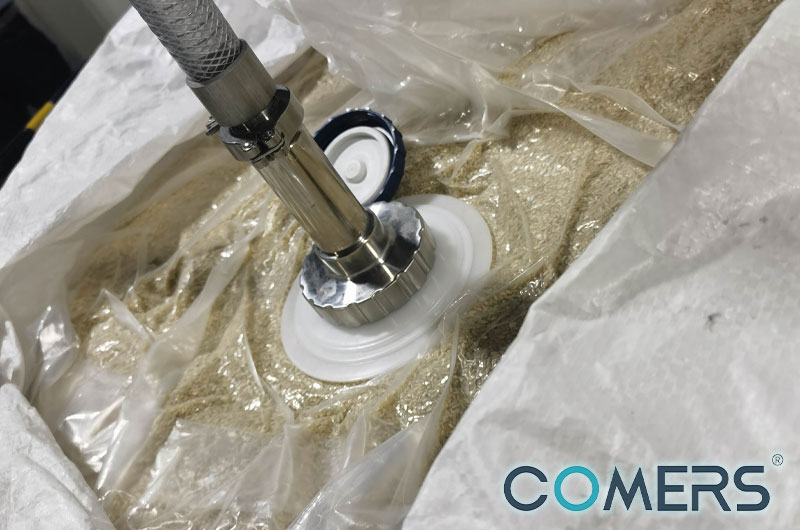
Intertram®FIBC Liners
+ Permanent anti-static / temporary anti-static
+ High barrier performance
+ Single material
+ Prevent from moisture, oxygen(low WVTR<3.0,OTR<1.0)
+ Various film types and thicknesses (Length:1M1-2M2 Thinkness:30-160um)
+ For milk powder/ coffee powder
+ Effective barrier and product protection
+ Strict quality control and safety standards
+ Highly customizable solutions
+ Durable and puncture-resistant
-
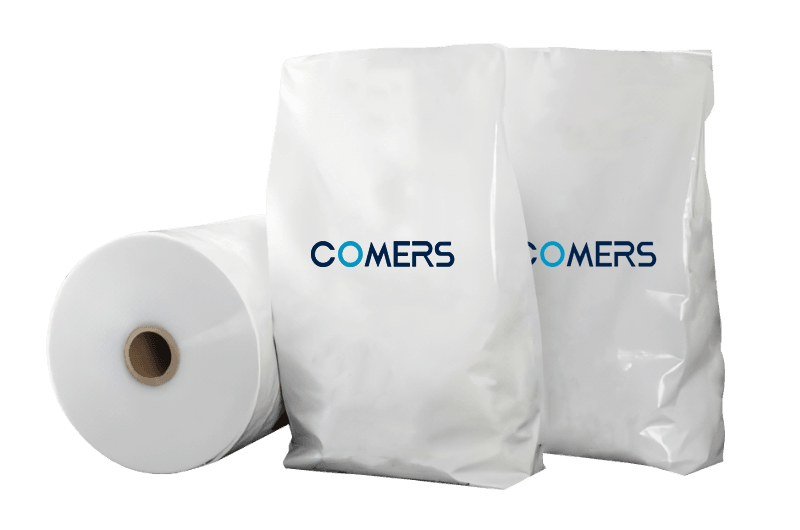
Intertram®FFS Liners
+ high barrier performance
+ prevent from moisture, oxygen(low WVTR<3.0,OTR<1.0)
+ various film types and thicknesses (Length:1M1-2M2 Thinkness:30-160um)
+ can replace Al material
+ High standard in food safety
+ Anti-static film (ATEX prevention)
+ Strict control over contaminants (BPA, Sakazaki-bacillus, etc.)
+ Tailored to customer needs
+ Enhanced product shelf life (approx. 6 months)
-

Washna ® Easy-peel films
+ prevent from moisture, oxygen(low WVTR<3.0,OTR<1.0)
+ various film types and thicknesses (Thickness:45 - 90um)
+ Clean & Safe Delamination
+ smooth sealing layer without wire drawing
+ Optimal Peel Performance
+ Good control level of black dot crystal point, in line with GB/T28117
+ Food contact safety
+ High durability
+ Superior barrier properties
+ Child-friendly opening
+ Clean, residue-free peel -
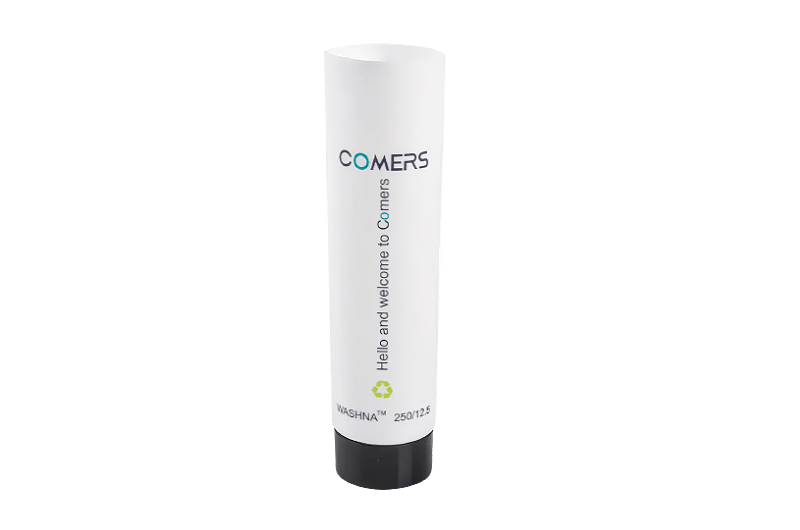
Washna® toothpaste films
+ Suitable for products in paste form
+ High stiffness and good mechanical properties
+ APR approval, Blow-molded in a single blow-molding
+ EVOH≤5%, in line with CEFLEX
+ white/transparent/ultra-white variants (customizable whiteness)
+ Precise thickness control (175−350μm±3%)
+ Excellent puncture resistance
+ Speckle-free surfaces (GB/T 28117 compliant)
+ Reduces environmental impact -
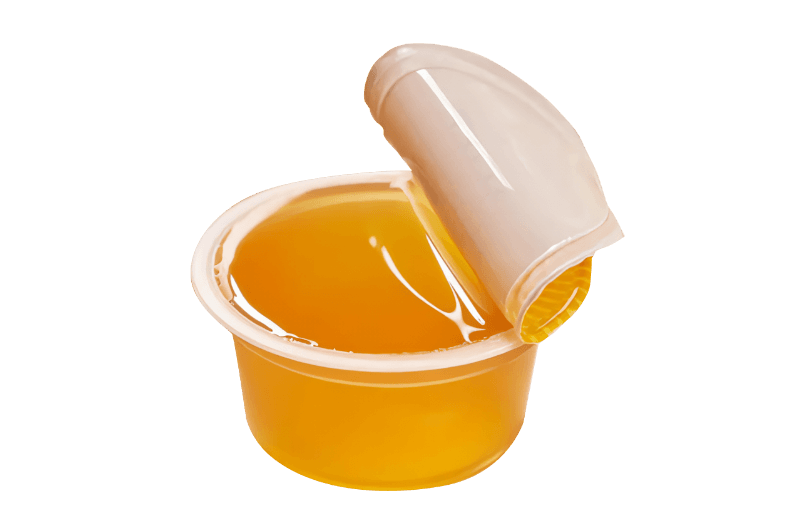
Washna® Laminate films
+ Operates with high-volume film
+ ultimate cost control
+ Good level of crystal point and black point control
+ Customizable with thickness and EVOH ratio
+ Easy-open End (EOE) functionality
+ Preserves freshness and extends shelf life
+ Odor-neutral composition
-
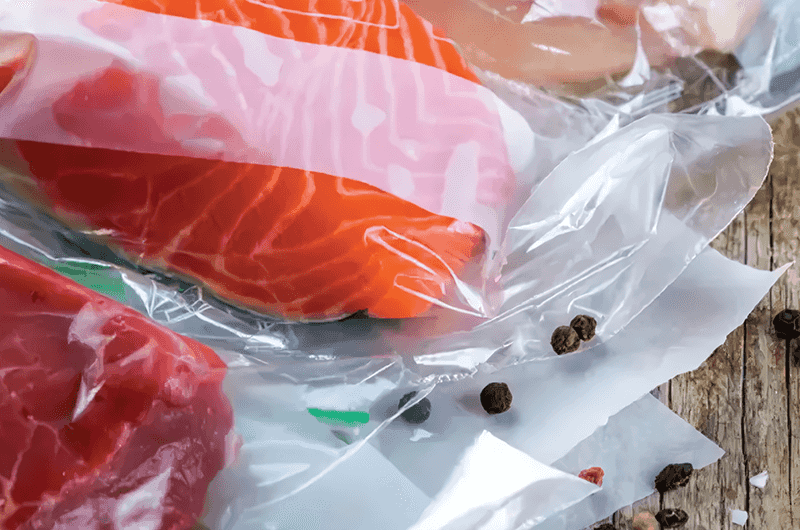
Agometa ® Frozen Vacuum Packaging Bags/Films
+ Excellent transparency
+ Good barrier against water vapor and oxygen
+ Heat sealing performance
+ Adds ultra-high barrier properties
+ high-end food market
+ stable performance, flexible and versatile
+ Good puncture resistance
Jiangsu Comers Neo Materials Co., Ltd.
No.161 Cailing Road, Linhu Town, Wuzhong District, Suzhou City, Jiangsu Province, China.
+86-0512-66558319
E-mail: [email protected]
