

 English
 中文简体
中文简体Peelable Lidding Film Selection: Cost vs. Performance for Dairy, Ready Meals & Frozen Foods
Content
- 1 What Is a Peelable Lidding Film? Core Definition & Market Drivers
- 2 Key Performance Metrics: Seal Strength, Peel Force & Barrier Properties
- 3 Material Comparison: PE vs. PP vs. PET vs. Aluminum-Free Peelable Films
- 4 Processing & Equipment Compatibility: Heat Seal vs. Cold Seal & Common Defects
- 5 Sustainability & Regulatory Compliance: Recyclable Peelable Films & Global Standards
- 6 How to Select the Right Peelable Lidding Film: A Step-by-Step Decision Framework
- 7 Conclusion & Next Steps: Requesting Samples & Technical Consultation
What Is a Peelable Lidding Film? Core Definition & Market Drivers
A dairy processor recently discovered that their new yogurt lidding film required a 6 N/15mm peel force — customers complained the lid was too hard to remove. A frozen meal brand, meanwhile, saw seal integrity fail after microwave heating. In both cases, a mismatched peelable lidding film was the culprit.
A peelable lidding film is an engineered packaging material that seals a tray or cup hermetically during transport and storage, yet opens with a controlled, smooth peel at the point of consumption. The operating principle is deliberate adhesive failure: the film separates at a defined interface — either between the sealant layer and the container rim or within the film’s own interlayer — without tearing, shredding, or leaving residue. This performance hinges on precise control of peel force, typically measured between 1 and 8 N/15mm according to ASTM F88.
Three market drivers are accelerating adoption. First, consumer demand for convenience packaging that is easy to open without tools directly shapes brand purchase decisions. Second, extended shelf life requirements push converters toward high-barrier peelable films that combine hermetic seal with easy-open functionality. Third, tightening sustainability legislation — particularly single-use plastic directives and packaging waste reduction targets — forces brand owners to replace multi-material laminates with recyclable, mono-material peelable structures.
Packaging engineers now face a dense selection landscape: PE-based, PP-based, PET-based, and aluminum-free alternatives each claim unique advantages. Without a structured comparison of seal strength, barrier performance, process compatibility, and cost, specification errors become expensive.
Key Performance Metrics: Seal Strength, Peel Force & Barrier Properties
Peelable lidding film performance is rarely about a single number. The interplay between peel force, burst strength, and gas transmission determines whether a package survives distribution yet opens effortlessly. Two metrics define the seal: peel strength (the force required to separate the film from the container) and seal integrity (the seal’s ability to withstand pressure and prevent leakage). While peel strength is measured according to ASTM F88 or F2824, seal integrity is typically evaluated via burst testing (ASTM F1140) or dye penetration.
Target peel force ranges shift dramatically by application. Yogurt and dairy cups require a peel value between 2.5 and 4.5 N/15mm — firm enough to survive transport but effortless for a consumer. Ready-meal trays, often subjected to microwave reheating, need a seal that remains intact under internal pressure; typical peel forces range from 4 to 7 N/15mm. Frozen food applications demand the highest initial seal strength, frequently around 6–8 N/15mm, because the peel force can increase 20–40% at sub-zero temperatures due to polymer stiffening. A well-designed peelable film maintains peel force variation (CV) below 10% across the entire production batch — a uniformity level that single-layer coated films struggle to achieve.
Barrier properties are equally critical. For oxygen-sensitive products like processed cheese or cooked meats, the lidding film must deliver an oxygen transmission rate (OTR) below 5 cc/m²·day and a water vapor transmission rate (WVTR) below 1 g/m²·day at 23°C and 50% RH. Achieving these figures usually demands an EVOH or PVDC layer embedded within a multi-layer coextrusion. A 3–5 μm EVOH core can drop OTR by an order of magnitude, but it also affects heat-seal behavior. Packaging engineers must therefore balance barrier layer thickness against seal initiation temperature and peel consistency. For more on balancing seal window and barrier performance, review our technical analysis of seal-window process checks.
Material Comparison: PE vs. PP vs. PET vs. Aluminum-Free Peelable Films
Base polymer selection dictates the sealing chemistry, temperature window, and ultimate recyclability of a lidding film. Four families dominate the market: polyethylene-based, polypropylene-based, polyester-based, and aluminum-free mono-material structures that replace traditional foil laminates.
PE-based peelable films seal to PE-coated trays and board at temperatures between 110°C and 130°C, delivering a soft, consistent peel. Their intrinsic flexibility makes them ideal for dairy and chilled products, but oxygen and moisture barrier are limited unless a coextruded EVOH layer is added — pushing the film toward a multi-layer, recyclable all-PE design. PP-based films, often cast CPP with a peelable sealant, seal to PP containers at higher temperatures (130–160°C) and offer superior thermal resistance for microwave and retort applications. PET films provide the highest heat resistance (up to 180°C seal initiation) and excellent clarity, but their peel mechanism frequently relies on a cohesive peel layer or a heavy coating; full-PET recyclable solutions are more complex.
Aluminum-free constructions — typically all-PP or all-PE — have gained ground as brands eliminate foil to improve recyclability and avoid metal-detector issues. Moving from a PET/aluminum/PE laminate to an all-PE high-barrier peelable film can reduce material cost by 15–25% per square meter, but OTR typically increases from below 1 cc/m²·day to around 3–5 cc/m²·day, demanding a careful shelf-life reassessment. Multi-layer coextruded films with 7- or 9-layer structures, such as Washna EasyPeel films, can match the peel consistency of coated alternatives while delivering better batch-to-batch uniformity and reduced seal-force drift.

Processing & Equipment Compatibility: Heat Seal vs. Cold Seal & Common Defects
The choice between heat seal and cold seal peelable films directly impacts line speed, energy consumption, and capital outlay. Heat-seal films dominate the market because they deliver the widest process window and the strongest hermetic seals. Typical heat-seal parameters for a dairy cup lidding film run from 115–125°C, 0.2–0.4 MPa pressure, and 0.5–1.0 second dwell time. On modern tray-sealing machines, this translates to 30–60 m/min line speeds.
Cold seal films, which rely on a pressure-sensitive adhesive, eliminate heated tooling and reduce energy consumption. However, they achieve only 15–30 m/min output and demand precise web tension control; the adhesive can also build up on cutting tools. Cold seal is best reserved for heat-sensitive products such as chocolate or fresh-cut produce where thermal exposure must be avoided.
Three defects plague peelable sealing operations. First, edge lift (curling) often stems from uneven heat distribution or a tray rim contamination. Adjusting the sealing jaw flatness and reducing dwell time by 0.2 seconds can resolve it. Second, inconsistent peel force across the tray perimeter usually traces back to seal-bar pressure variation; mapping the force distribution with pressure-sensitive film and balancing the bar alignment typically brings CV below 12%. Third, leakage after microwave heating signals insufficient hot-tack strength; increasing the seal initiation temperature by 5°C or switching to a PP-based film with higher melting point eliminates the failure.
- Edge lift: verify jaw parallelism; reduce dwell time 0.2 s; check tray rim for crumbs or grease.
- Peel force variation: pressure-map the seal bar; re-align or replace worn silicone pads.
- Post-heating leaks: raise seal temperature by 5–8°C; evaluate PP-based structures for retort/microwave.
- Adhesive transfer (cold seal): reduce unwind tension; increase release coating thickness.
Sustainability & Regulatory Compliance: Recyclable Peelable Films & Global Standards
Recyclability has moved from a marketing claim to a packaging specification requirement. All-PE and all-PP peelable lidding films now carry certifications from How2Recycle and RecyClass, provided the sealant and barrier layers do not contaminate the recycling stream. A 100% PE lidding film containing EVOH typically maintains recyclability when the EVOH content stays under 5% of total film weight and is compatible with the polyethylene recycling process. However, removing aluminum foil cuts the barrier sharply: in independent trials, an all-PE mono-material film showed a WVTR of 1.8 g/m²·day compared to 0.3 g/m²·day for a foil-based laminate, and OTR rose from 0.5 cc to 4.2 cc/m²·day. The resulting shelf-life reduction ranged from 15% to 30%, varying by product sensitivity.
For those requiring deeper recyclability analysis, our environmental considerations for AHE barrier films offers additional context on post-consumer stream compatibility.
Regulatory compliance is non-negotiable. In the United States, peelable films must meet FDA 21 CFR 177.1520 (olefin polymers) and 177.1390 (laminates for food contact) with an overall migration limit of 10 mg/dm². The EU’s Regulation 10/2011 demands specific migration limits for each monomer and additive; a Declaration of Compliance must accompany every shipment. China’s GB 4806.7 sets similar thresholds. A thorough compliance package should include third-party test reports for total migration, heavy metals, and primary aromatic amines.
How to Select the Right Peelable Lidding Film: A Step-by-Step Decision Framework
Effective selection moves from product requirements outward — not from a film data sheet first. Use this seven-step framework to narrow options and reduce costly trial runs.
- Define the product’s failure mode. Ask whether the package is more likely to fail from pinhole leaks, burst under stacking, or frustrate consumers with a difficult peel. This determines the primary metric: leak integrity, burst strength, or peel ease.
- Characterize the tray material and rim geometry. Identify the tray polymer (PE, PP, PET, or coated board) and measure rim width and flatness. A narrow, uneven rim demands a film with a wider seal window and higher conformability.
- Set peel force and seal strength targets. Based on application (see table), specify your ideal peel force range and the minimum burst pressure. Write these into the film specification sheet.
- Assess barrier requirements. Calculate the maximum acceptable OTR and WVTR based on product sensitivity and desired shelf life. This determines whether an EVOH or PVDC layer is mandatory.
- Map equipment capabilities. Record your sealing machine’s temperature accuracy, pressure consistency, and dwell time range. Cross-reference with the film’s seal initiation curve; a mismatch of just 5°C can cause field failures.
- Validate recyclability and regulatory standing. Confirm that the candidate film meets FDA, EU, or local standards and provides a current Declaration of Compliance. If recyclability is declared, request the RecyClass or How2Recycle certification letter.
- Run a total cost analysis. Include not just film price per square meter, but also line speed impact, waste from seal defects, and shelf-life extension value. A film that is 10% more expensive but eliminates 2% leakage can be the more profitable choice.
Conclusion & Next Steps: Requesting Samples & Technical Consultation
Peelable lidding film selection is a system decision, not a commodity swap. The correct film must simultaneously satisfy seal mechanics, barrier chemistry, process window, and end-of-life infrastructure. Our analysis shows that moving beyond a generic datasheet comparison to a structured, parameter-driven evaluation reduces field failure rates and speeds up commercialization.
If your team is re-evaluating a current lidding specification or developing a new mono-material package, start with a technical consultation that includes peel force profiling, barrier measurement, and seal-window mapping on your own tray stock. Comers Neo Materials supports this process with application-specific film samples and on-site troubleshooting. To discuss your application and request a sample of a tailored peelable solution, contact our packaging engineering team directly.
-
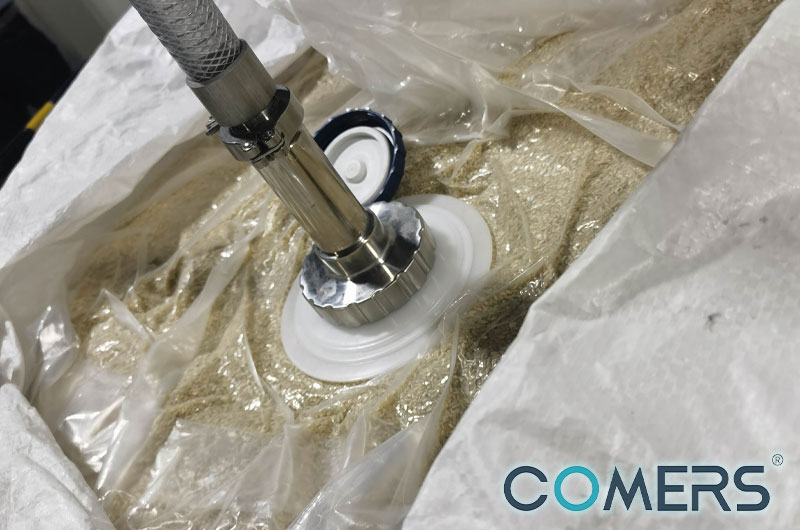
Intertram®FIBC Liners
+ Permanent anti-static / temporary anti-static
+ High barrier performance
+ Single material
+ Prevent from moisture, oxygen(low WVTR<3.0,OTR<1.0)
+ Various film types and thicknesses (Length:1M1-2M2 Thinkness:30-160um)
+ For milk powder/ coffee powder
+ Effective barrier and product protection
+ Strict quality control and safety standards
+ Highly customizable solutions
+ Durable and puncture-resistant
-
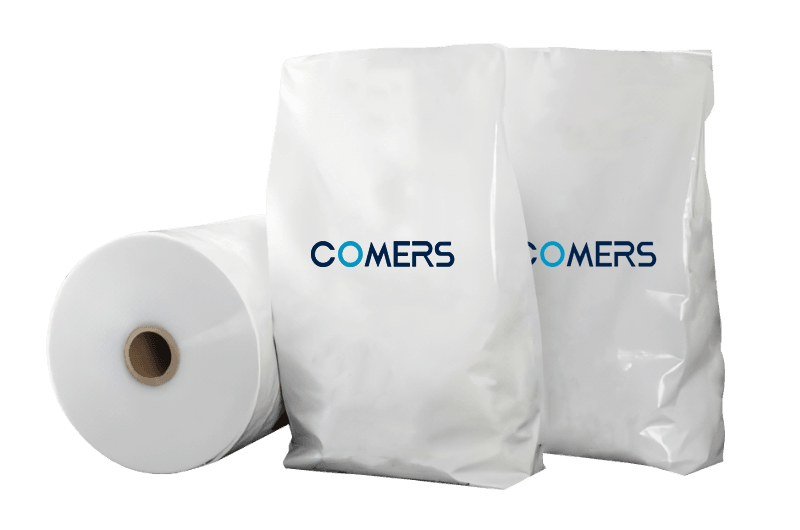
Intertram®FFS Liners
+ high barrier performance
+ prevent from moisture, oxygen(low WVTR<3.0,OTR<1.0)
+ various film types and thicknesses (Length:1M1-2M2 Thinkness:30-160um)
+ can replace Al material
+ High standard in food safety
+ Anti-static film (ATEX prevention)
+ Strict control over contaminants (BPA, Sakazaki-bacillus, etc.)
+ Tailored to customer needs
+ Enhanced product shelf life (approx. 6 months)
-
Washna ® Easy-peel films
+ prevent from moisture, oxygen(low WVTR<3.0,OTR<1.0)
+ various film types and thicknesses (Thickness:45 - 90um)
+ Clean & Safe Delamination
+ smooth sealing layer without wire drawing
+ Optimal Peel Performance
+ Good control level of black dot crystal point, in line with GB/T28117
+ Food contact safety
+ High durability
+ Superior barrier properties
+ Child-friendly opening
+ Clean, residue-free peel -
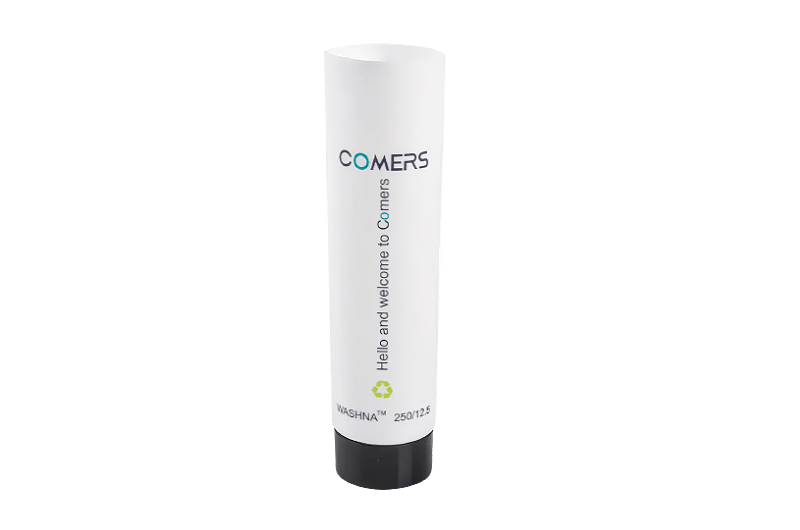
Washna® toothpaste films
+ Suitable for products in paste form
+ High stiffness and good mechanical properties
+ APR approval, Blow-molded in a single blow-molding
+ EVOH≤5%, in line with CEFLEX
+ white/transparent/ultra-white variants (customizable whiteness)
+ Precise thickness control (175−350μm±3%)
+ Excellent puncture resistance
+ Speckle-free surfaces (GB/T 28117 compliant)
+ Reduces environmental impact -
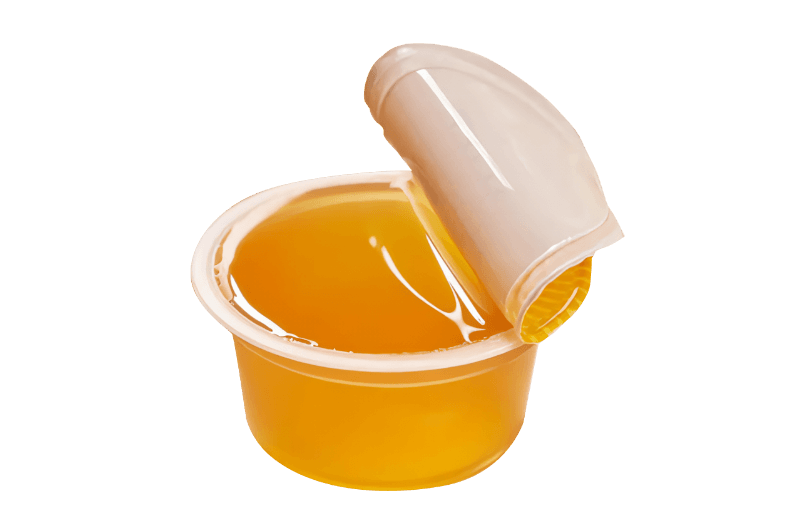
Washna® Laminate films
+ Operates with high-volume film
+ ultimate cost control
+ Good level of crystal point and black point control
+ Customizable with thickness and EVOH ratio
+ Easy-open End (EOE) functionality
+ Preserves freshness and extends shelf life
+ Odor-neutral composition
-
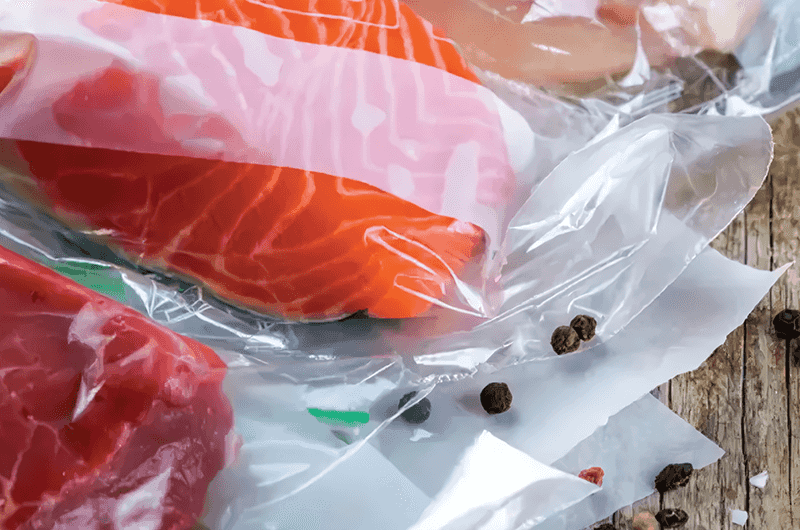
Agometa ® Frozen Vacuum Packaging Bags/Films
+ Excellent transparency
+ Good barrier against water vapor and oxygen
+ Heat sealing performance
+ Adds ultra-high barrier properties
+ high-end food market
+ stable performance, flexible and versatile
+ Good puncture resistance
Jiangsu Comers Neo Materials Co., Ltd.
No.161 Cailing Road, Linhu Town, Wuzhong District, Suzhou City, Jiangsu Province, China.
+86-0512-66558319
E-mail: [email protected]
