

 English
 中文简体
中文简体Can AHE Barrier Film Be Recycled? Environmental Considerations
The growing need for sustainable packaging solutions has raised a critical question for businesses and consumers alike: can materials like AHE barrier film, known for their superior protection and high-performance features, be recycled without compromising their environmental impact? As businesses increasingly turn to more eco-friendly packaging options, understanding the recycling potential of AHE films and their environmental consequences is crucial for making responsible, informed decisions.
AHE barrier film, made by combining polyethylene and nylon, is designed to offer excellent protection against oxygen, moisture, and other gases, making it an ideal choice for sensitive products such as food, pharmaceuticals, and electronics. However, when it comes to sustainability, the combination of these materials raises some concerns. While polyethylene, a common plastic, is generally recyclable, nylon presents a challenge due to its more complex molecular structure. The mixed-material nature of AHE films makes them more difficult to recycle compared to single-material packaging. This means that while polyethylene may be recyclable in certain facilities, the nylon layer can complicate the process, often requiring specialized sorting or processing techniques.
The environmental implications of using AHE barrier film are twofold. On one hand, the high barrier properties extend the shelf life of products, reducing food waste and the need for additional preservatives, which has a positive impact on reducing environmental harm in food production. On the other hand, the mixed-material structure of AHE films means that if they are not properly disposed of or recycled, they could contribute to plastic waste. In the context of a circular economy, it’s essential for manufacturers to consider the long-term environmental consequences of using materials that may not be easily processed in mainstream recycling systems.
Despite these challenges, there are ongoing efforts to develop more sustainable versions of barrier films. Innovations are being made to create recyclable alternatives, such as films that combine bio-based polyethylene with barrier layers that don’t interfere with the recycling process. However, until such materials become widely available, businesses and consumers must rely on specialized recycling facilities equipped to handle multi-layer films like AHE. This means that while the film may not be recyclable in every facility, dedicated recycling programs can significantly mitigate its environmental impact.
AHE barrier film’s recyclability depends largely on the infrastructure available for processing complex materials, as well as the specific composition of the film itself. While it may not be universally recyclable in all locations, the benefits of using AHE films in terms of product protection and waste reduction must also be factored into the larger conversation about sustainability. With continued innovation in packaging technologies, AHE films may evolve into more eco-friendly solutions, helping businesses meet both performance and environmental goals.
-
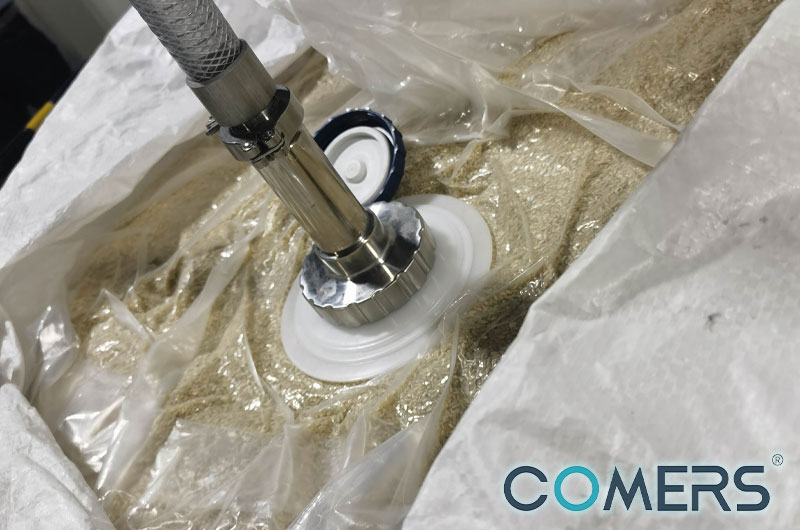
Intertram®FIBC Liners
+ Permanent anti-static / temporary anti-static
+ High barrier performance
+ Single material
+ Prevent from moisture, oxygen(low WVTR<3.0,OTR<1.0)
+ Various film types and thicknesses (Length:1M1-2M2 Thinkness:30-160um)
+ For milk powder/ coffee powder
+ Effective barrier and product protection
+ Strict quality control and safety standards
+ Highly customizable solutions
+ Durable and puncture-resistant
-
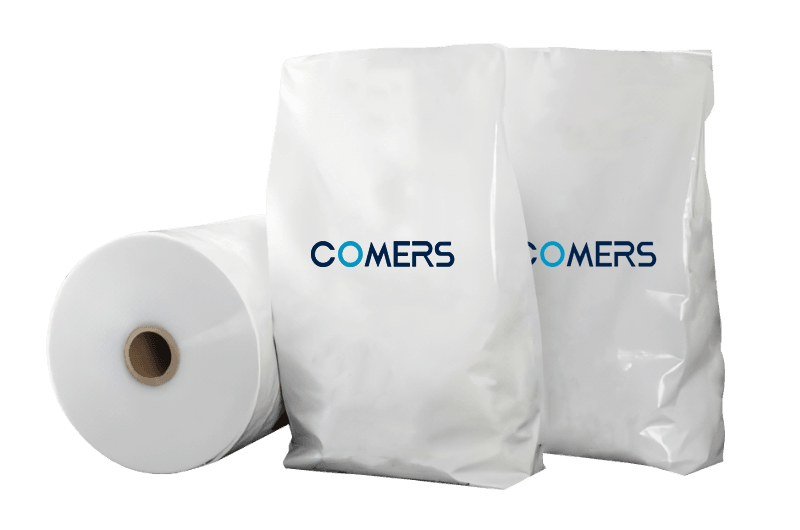
Intertram®FFS Liners
+ high barrier performance
+ prevent from moisture, oxygen(low WVTR<3.0,OTR<1.0)
+ various film types and thicknesses (Length:1M1-2M2 Thinkness:30-160um)
+ can replace Al material
+ High standard in food safety
+ Anti-static film (ATEX prevention)
+ Strict control over contaminants (BPA, Sakazaki-bacillus, etc.)
+ Tailored to customer needs
+ Enhanced product shelf life (approx. 6 months)
-

Washna ® Easy-peel films
+ prevent from moisture, oxygen(low WVTR<3.0,OTR<1.0)
+ various film types and thicknesses (Thickness:45 - 90um)
+ Clean & Safe Delamination
+ smooth sealing layer without wire drawing
+ Optimal Peel Performance
+ Good control level of black dot crystal point, in line with GB/T28117
+ Food contact safety
+ High durability
+ Superior barrier properties
+ Child-friendly opening
+ Clean, residue-free peel -
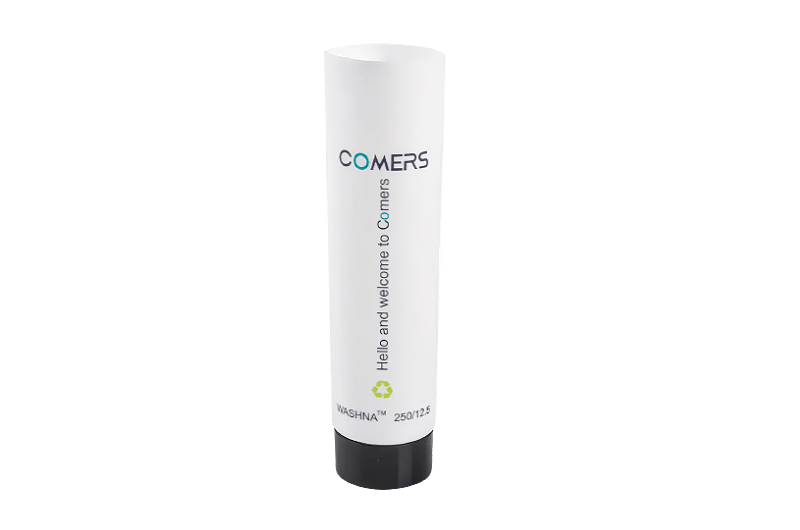
Washna® toothpaste films
+ Suitable for products in paste form
+ High stiffness and good mechanical properties
+ APR approval, Blow-molded in a single blow-molding
+ EVOH≤5%, in line with CEFLEX
+ white/transparent/ultra-white variants (customizable whiteness)
+ Precise thickness control (175−350μm±3%)
+ Excellent puncture resistance
+ Speckle-free surfaces (GB/T 28117 compliant)
+ Reduces environmental impact -
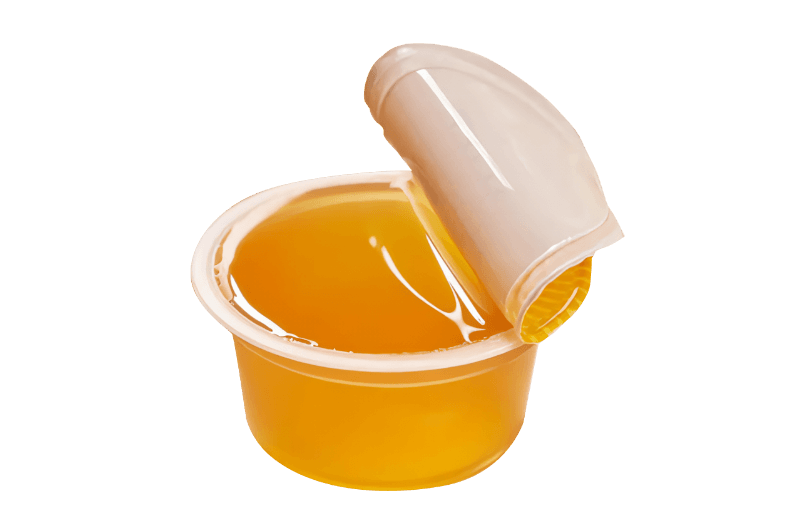
Washna® Laminate films
+ Operates with high-volume film
+ ultimate cost control
+ Good level of crystal point and black point control
+ Customizable with thickness and EVOH ratio
+ Easy-open End (EOE) functionality
+ Preserves freshness and extends shelf life
+ Odor-neutral composition
-
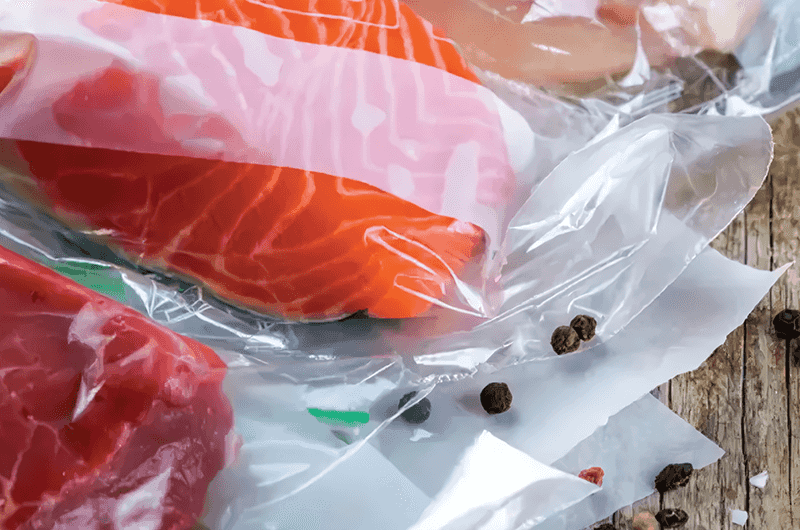
Agometa ® Frozen Vacuum Packaging Bags/Films
+ Excellent transparency
+ Good barrier against water vapor and oxygen
+ Heat sealing performance
+ Adds ultra-high barrier properties
+ high-end food market
+ stable performance, flexible and versatile
+ Good puncture resistance
Jiangsu Comers Neo Materials Co., Ltd.
No.161 Cailing Road, Linhu Town, Wuzhong District, Suzhou City, Jiangsu Province, China.
+86-0512-66558319
E-mail: [email protected]
