

 English
 中文简体
中文简体Food-Contact Certified Films: A Complete Guide to FDA, SQF, EU & Chinese Regulations
Content
- 1 What Are Food-Contact Certified Films?
- 2 The 5 Major Food Safety Certifications for Films (Comparison Matrix)
- 3 Multi-Layer Coextruded Films: How Each Layer Meets Food-Contact Requirements
- 4 Common Certification Pitfalls (And How to Avoid Them)
- 5 Supplier Verification Checklist: 5 Steps to Confirm Your Film Is Truly Certified
- 6 Case Study: How Switching to Certified Coextruded Films Extended Shelf Life by 40%
- 7 Export Compliance: Navigating FDA, EU, and Chinese Regulations for Global Shipments
- 8 Conclusion & Next Steps
What Are Food-Contact Certified Films?
A seafood processor in Vietnam lost an entire container of frozen fillets at the Port of Rotterdam because the packaging film didn’t carry valid EU migration test reports. That single rejection cost more than the annual premium of certified materials.
Food-contact certified films are thin, engineered webs that have been verified through documented evidence to meet the safety requirements of one or more regulatory frameworks when in direct or indirect contact with food. Certification does not mean a government agency has “approved” a branded product. Instead, it confirms that every substance in the film — resin, additive, adhesive, and coextruded tie layer — complies with the relevant positive list and overall migration limits under intended conditions of use.
The three pillars of compliance are material formulation, end-use simulation, and manufacturing hygiene. In the U.S., the foundation is FDA 21 CFR 177.1520 for olefin polymers. The European Union applies EU Regulation 10/2011 with its overall migration limit and specific migration limits for listed substances. China’s GB 4806 series mirrors much of the EU framework but adds distinct labeling and production-licensing requirements. A film that clears all three can be labeled as globally food-contact certified, yet many suppliers confuse resin-level statements with finished-film compliance — a gap that costs processors thousands in recalls and border detentions.
The 5 Major Food Safety Certifications for Films (Comparison Matrix)
Selecting a certified film is not about checking one box. Purchasing teams need to distinguish between material certifications, facility-level food safety systems, and regional hygienic approvals. The table below compares the five most referenced frameworks for food-contact films in North America, Europe, and Asia.
Notice that SQF and similar GFSI-benchmarked schemes certify the plant, not the film material. A converter can be SQF-certified yet still produce non-compliant film if the raw material choices are not validated against migration limits. Conversely, a film can hold an FDA statement and EU Declaration of Compliance without the factory holding any system certification. The strongest supplier will offer both material compliance documents and a current HACCP-based facility audit.
Multi-Layer Coextruded Films: How Each Layer Meets Food-Contact Requirements
A monolayer polyethylene bag only needs its single resin to comply with FDA 177.1520. A 7-layer coextruded film with an EVOH oxygen barrier, polyamide toughness, and adhesive tie layers requires a far more rigorous dossier. Every functional layer must be accounted for, and the entire structure must pass overall migration testing as an assembled film.
The shift to multi-layer packaging has been driven by shelf-life demands and lightweighting, but certification complexity has caught many converters off guard. Below is a typical breakdown of a high-barrier 7-layer structure used in vacuum-packed cheese or chilled fish.
Where many converters stumble is the tie layer. Because it constitutes a small weight percentage, it is sometimes omitted from the Declaration of Compliance. Yet an unregistered adhesive can leach low-molecular-weight species that exceed specific migration limits. Films like Washna laminate films are engineered with every layer — including all tie resins — explicitly listed in the EU supporting documentation, which eliminates this common audit gap.
Common Certification Pitfalls (And How to Avoid Them)
A plastic bag labeled “FDA-approved” gives a false sense of security if the buyer doesn’t know what to ask for. After reviewing dozens of third-party audit reports and border rejection records, four recurring pitfalls stand out.
- Resin statements mistaken for finished-film certification. A supplier provides a resin manufacturer’s letter stating the LDPE granules comply with FDA 177.1520. That letter says nothing about the additives, processing aids, or pigment masterbatch mixed into the extruder. Request an FDA Statement that references the specific film structure and the conditions of use (temperature, food type).
- Migration test conditions that don’t match real use. A film tested with 10% ethanol at 40°C for 10 days cannot cover a hot-fill application at 90°C or a fatty food held for 12 months. The EU Regulation 10/2011 requires testing with the correct simulant (A, B, C, D1, D2, or E) under worst-foreseeable time and temperature. If the test report only shows water simulant, the film is not validated for fatty or acidic foods.
- Unlisted tie layers and adhesives. In coextruded and laminated films, the adhesive between layers is a food-contact material under EU and Chinese law because it can migrate through the inner layer. Many Asian exporters submit Declarations of Compliance that omit the tie resin entirely. Always check that every component from the barrier layer to the sealant is listed on the DoC.
- Assuming GFSI certification equates to material safety. An SQF or FSSC 22000 certificate confirms the plant has a functioning food safety management system. It does not relieve the purchaser from verifying that the film’s chemical composition and migration behavior meet the destination market’s regulations. Treat system certification and material compliance as two independent, required layers of evidence.
Supplier Verification Checklist: 5 Steps to Confirm Your Film Is Truly Certified
A structured document request eliminates guesswork and exposes suppliers who cannot back up their claims. The following five steps align with expectations of major retailers and import control authorities.
- Request a full FDA Statement of Compliance. The document must identify the film’s tradename, layer composition, and the specific CFR citation (e.g., 21 CFR 177.1520(c)3.1a). It should state the acceptable food types and temperature limits. Generic statements without product-specific data are insufficient.
- Validate the SQF or FSSC 22000 certificate online. Every GFSI-recognized certificate carries a unique registration number. Enter it into the certification body’s public register. Confirm that the certificate is current and covers the exact production site that will manufacture your film.
- Obtain the EU Declaration of Compliance and migration test reports. The DoC must list all intentionally added substances, including tie layers, with their FCM reference numbers. The test report must show results against the correct simulants for your food category. If your product is high-acid, the report should include testing with simulant B (3% acetic acid).
- Secure a non-allergen statement and statement of GMO-free status. The non-allergen statement should confirm that the resin formulation contains none of the major food allergens defined by your market (U.S. “Big 9” or EU 14). This is particularly critical for powders and sensitive products packed in FIBC liners.
- Review the supplier’s annual internal audit records. Even if you don’t conduct your own second-party audit, ask for a summary of the last internal food safety audit. Look for evidence that non-conformities related to resin traceability and sanitation are being systematically closed. A supplier that cannot share this data within 48 hours rarely has a robust system.
Case Study: How Switching to Certified Coextruded Films Extended Shelf Life by 40%
A frozen pangasius exporter based in Ho Chi Minh City had been using monolayer LDPE vacuum pouches for IQF fillets. The oxygen transmission rate of 2,300 cc/m²·day·atm allowed lipid oxidation to progress rapidly, limiting primary shelf life to 14 days under frozen display conditions. Border inspectors in Germany had flagged two shipments for sensory deterioration, costing the processor €28,000 in logistics and disposal.
The switch was made to a 7-layer coextruded film with an EVOH barrier layer, full EU 10/2011 compliance, and a PZH certificate for additional Central European customers. The structure used a sealant layer certified for fatty foods and a PA layer for puncture resistance. Agometa frozen vacuum packaging bags incorporate this exact architecture.
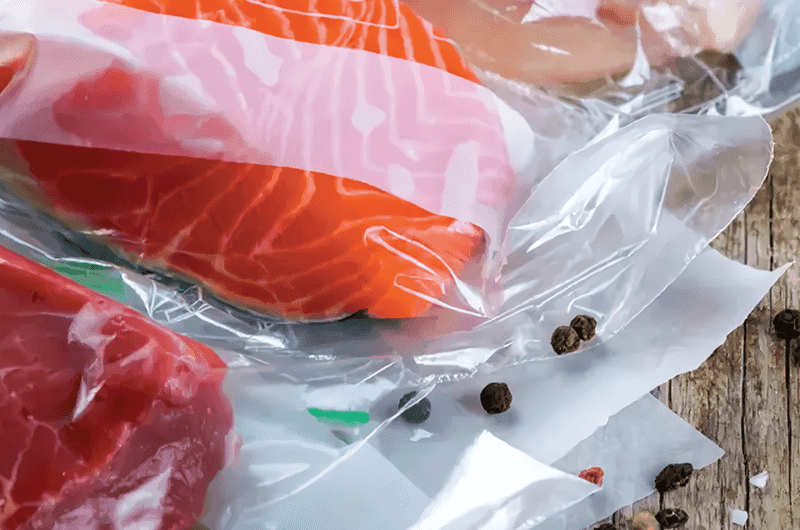
The 40% extension in shelf life came not only from the lower oxygen transmission but also from the improved seal integrity and aroma barrier, which prevented the typical “freezer burn” and fishy odor. The full certification package allowed the exporter to clear EU inspections on first submission, eliminating demurrage costs. For more on how advanced barrier technology directly impacts freshness, see our detailed analysis in maximizing shelf life with barrier films.
Companies shipping the same product to the U.S., Germany, and Shanghai often find themselves juggling three different compliance dossiers. While the core science is consistent, the testing protocols and documentation formats differ enough to cause delays.
A pragmatic strategy to avoid triple testing is to commission a single migration study at an ISO 17025-accredited laboratory using the most aggressive EU simulants that cover the intended food types. Because the EU’s 10 mg/dm² overall migration limit and specific migration limits are generally as strict as or stricter than Chinese GB limits, and the FDA accepts well-documented compositional compliance, that single dossier can often serve as the backbone for all three markets. The supplier then generates separate Declarations of Compliance tailored to each format. Certified films from converters with accredited in-house lab capabilities frequently reduce lead time for multinational clearances from months to under two weeks.
Conclusion & Next Steps
Food-contact certification is a chain of evidence, not a logo on a datasheet. The difference between a successful entry and a rejected container lies in layered documentation: a film-specific FDA statement, EU migration test reports against the correct simulants, a valid facility audit, and a Declaration of Compliance that names every adhesive. Multi-layer structures amplify the need for rigor, but they also deliver the shelf-life extension and export readiness that pay back the compliance investment in the first shipment.
If your current supplier cannot produce all five verification documents within a week, your next border hold may already be in transit. Those responsible for procurement and quality at food processing companies are encouraged to benchmark their current film portfolio against the checklist in this article. For a confidential review of your packaging certification gaps or to request samples of fully documented 7-layer certified films, reach out through the official inquiry channel.
-
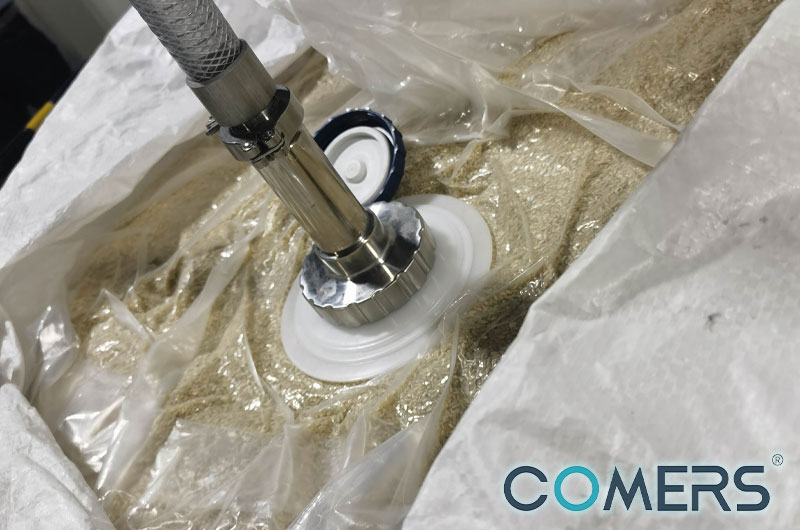
Intertram®FIBC Liners
+ Permanent anti-static / temporary anti-static
+ High barrier performance
+ Single material
+ Prevent from moisture, oxygen(low WVTR<3.0,OTR<1.0)
+ Various film types and thicknesses (Length:1M1-2M2 Thinkness:30-160um)
+ For milk powder/ coffee powder
+ Effective barrier and product protection
+ Strict quality control and safety standards
+ Highly customizable solutions
+ Durable and puncture-resistant
-
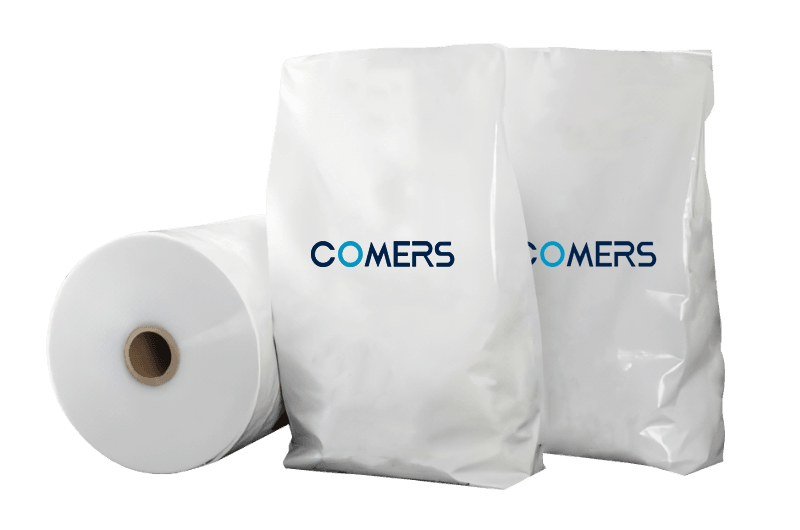
Intertram®FFS Liners
+ high barrier performance
+ prevent from moisture, oxygen(low WVTR<3.0,OTR<1.0)
+ various film types and thicknesses (Length:1M1-2M2 Thinkness:30-160um)
+ can replace Al material
+ High standard in food safety
+ Anti-static film (ATEX prevention)
+ Strict control over contaminants (BPA, Sakazaki-bacillus, etc.)
+ Tailored to customer needs
+ Enhanced product shelf life (approx. 6 months)
-

Washna ® Easy-peel films
+ prevent from moisture, oxygen(low WVTR<3.0,OTR<1.0)
+ various film types and thicknesses (Thickness:45 - 90um)
+ Clean & Safe Delamination
+ smooth sealing layer without wire drawing
+ Optimal Peel Performance
+ Good control level of black dot crystal point, in line with GB/T28117
+ Food contact safety
+ High durability
+ Superior barrier properties
+ Child-friendly opening
+ Clean, residue-free peel -
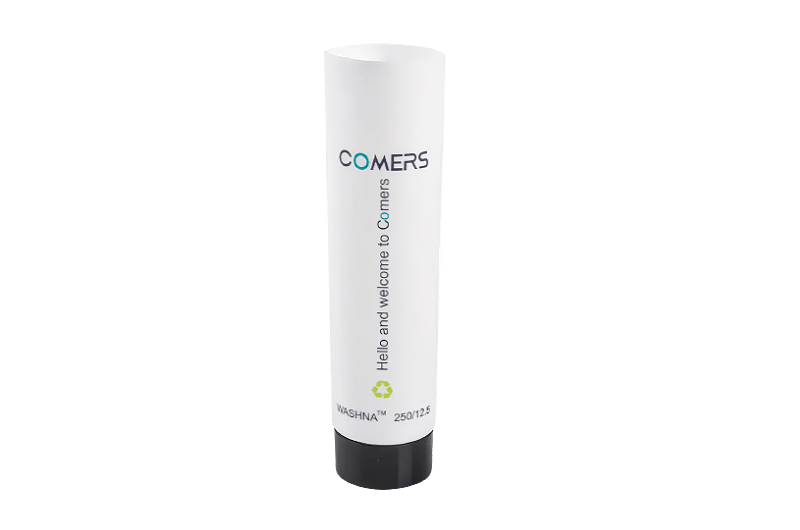
Washna® toothpaste films
+ Suitable for products in paste form
+ High stiffness and good mechanical properties
+ APR approval, Blow-molded in a single blow-molding
+ EVOH≤5%, in line with CEFLEX
+ white/transparent/ultra-white variants (customizable whiteness)
+ Precise thickness control (175−350μm±3%)
+ Excellent puncture resistance
+ Speckle-free surfaces (GB/T 28117 compliant)
+ Reduces environmental impact -
Washna® Laminate films
+ Operates with high-volume film
+ ultimate cost control
+ Good level of crystal point and black point control
+ Customizable with thickness and EVOH ratio
+ Easy-open End (EOE) functionality
+ Preserves freshness and extends shelf life
+ Odor-neutral composition
-
Agometa ® Frozen Vacuum Packaging Bags/Films
+ Excellent transparency
+ Good barrier against water vapor and oxygen
+ Heat sealing performance
+ Adds ultra-high barrier properties
+ high-end food market
+ stable performance, flexible and versatile
+ Good puncture resistance
Jiangsu Comers Neo Materials Co., Ltd.
No.161 Cailing Road, Linhu Town, Wuzhong District, Suzhou City, Jiangsu Province, China.
+86-0512-66558319
E-mail: [email protected]
