

 English
 中文简体
中文简体Barrier Coatings for Flexible Packaging Solutions
Content
Introduction to Barrier Coatings for Flexible Packaging
Barrier coatings for flexible packaging are critical in providing essential protection to packaged goods, especially in industries like food, pharmaceuticals, and electronics. These coatings improve the packaging’s ability to resist moisture, oxygen, UV light, and other contaminants that can degrade product quality and shelf life. Understanding the types, applications, and benefits of barrier coatings is key for manufacturers looking to enhance product protection and sustainability.
Types of Barrier Coatings for Flexible Packaging
Barrier coatings can be categorized based on their functionality and the type of protection they offer. Each type has unique advantages depending on the specific needs of the product being packaged.
Oxygen Barrier Coatings
Oxygen barrier coatings are used to prevent the permeation of oxygen into the packaging, which is particularly important for food products that are prone to oxidation. These coatings often include materials like EVOH (ethylene vinyl alcohol) or PVDC (polyvinylidene chloride), which effectively block oxygen from entering the package and preserve the freshness of perishable goods.
Moisture Barrier Coatings
Moisture barrier coatings are designed to prevent water vapor from entering or escaping the packaging. This is crucial for items like snacks, powders, and electronics that can be damaged by humidity. Common materials used for moisture barriers include polyethylene and metallized films.
Light and UV Barrier Coatings
Light, particularly UV radiation, can degrade certain products, especially those sensitive to light, such as cosmetics and pharmaceuticals. UV and light barrier coatings are used to shield products from harmful rays. These coatings often incorporate inorganic compounds like silica or organic materials that absorb or reflect UV light.
Key Benefits of Barrier Coatings for Flexible Packaging
Barrier coatings offer a range of benefits that contribute to the overall performance and sustainability of flexible packaging. These include:
- Improved product shelf life by preventing exposure to air, moisture, and light.
- Enhanced protection of sensitive items such as food, pharmaceuticals, and electronics.
- Reduction in packaging material usage as thinner, lighter coatings can provide equivalent protection compared to thicker alternatives.
- Environmental benefits, as some barrier coatings can be more easily recycled or are biodegradable.
Applications of Barrier Coatings in Flexible Packaging
Barrier coatings are applied across various industries, with each sector requiring specific properties to meet unique packaging challenges. Here are some of the key applications:
Food Packaging
In food packaging, barrier coatings are essential for preserving freshness and extending shelf life. These coatings prevent oxygen from causing spoilage and help maintain flavor, texture, and appearance. They are widely used in products such as snacks, ready meals, and beverages.
Pharmaceutical Packaging
Pharmaceutical products, including tablets, capsules, and injectables, require highly protective packaging to preserve their integrity. Barrier coatings ensure that medications are shielded from moisture, oxygen, and light, which could otherwise compromise their effectiveness.
Electronic Packaging
For electronics, especially sensitive components, barrier coatings prevent moisture and dust from entering the packaging and damaging the product. These coatings provide a crucial layer of protection during shipping and storage.
Environmental Considerations and Trends
As the demand for sustainable packaging grows, barrier coatings are evolving to meet environmental concerns. Manufacturers are increasingly developing coatings made from renewable or biodegradable materials. Additionally, efforts are being made to improve recyclability, reducing the overall environmental impact of packaging.
Conclusion
Barrier coatings play an essential role in the flexible packaging sector, offering critical protection for a wide range of products. Whether it’s food, pharmaceuticals, or electronics, barrier coatings ensure that products maintain their quality, integrity, and freshness for longer periods. With continuous innovations in coating materials and environmental considerations, barrier coatings are becoming an even more vital component of sustainable packaging solutions.
-
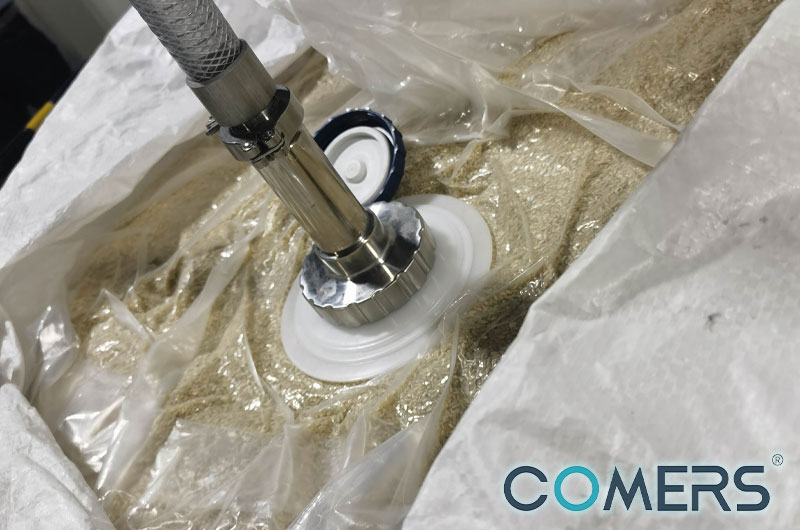
Intertram®FIBC Liners
+ Permanent anti-static / temporary anti-static
+ High barrier performance
+ Single material
+ Prevent from moisture, oxygen(low WVTR<3.0,OTR<1.0)
+ Various film types and thicknesses (Length:1M1-2M2 Thinkness:30-160um)
+ For milk powder/ coffee powder
+ Effective barrier and product protection
+ Strict quality control and safety standards
+ Highly customizable solutions
+ Durable and puncture-resistant
-
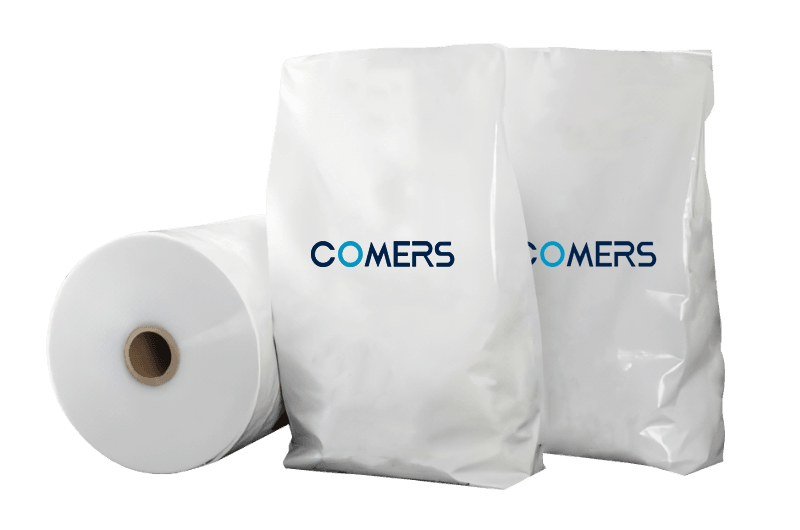
Intertram®FFS Liners
+ high barrier performance
+ prevent from moisture, oxygen(low WVTR<3.0,OTR<1.0)
+ various film types and thicknesses (Length:1M1-2M2 Thinkness:30-160um)
+ can replace Al material
+ High standard in food safety
+ Anti-static film (ATEX prevention)
+ Strict control over contaminants (BPA, Sakazaki-bacillus, etc.)
+ Tailored to customer needs
+ Enhanced product shelf life (approx. 6 months)
-

Washna ® Easy-peel films
+ prevent from moisture, oxygen(low WVTR<3.0,OTR<1.0)
+ various film types and thicknesses (Thickness:45 - 90um)
+ Clean & Safe Delamination
+ smooth sealing layer without wire drawing
+ Optimal Peel Performance
+ Good control level of black dot crystal point, in line with GB/T28117
+ Food contact safety
+ High durability
+ Superior barrier properties
+ Child-friendly opening
+ Clean, residue-free peel -
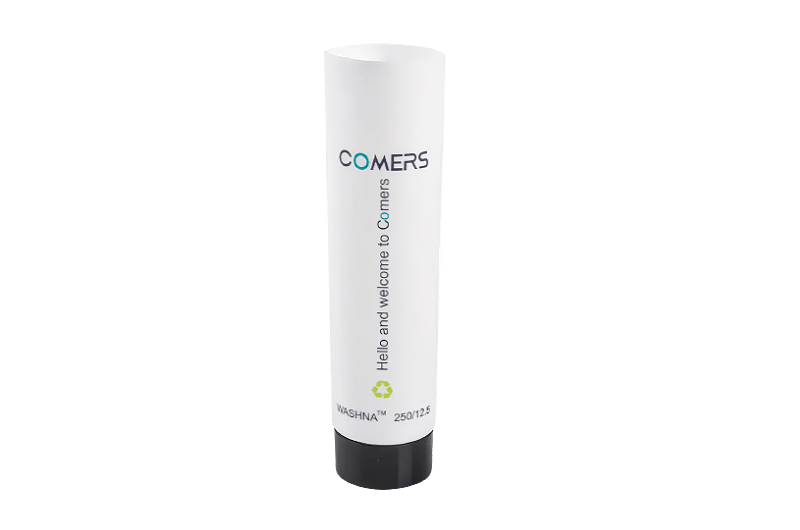
Washna® toothpaste films
+ Suitable for products in paste form
+ High stiffness and good mechanical properties
+ APR approval, Blow-molded in a single blow-molding
+ EVOH≤5%, in line with CEFLEX
+ white/transparent/ultra-white variants (customizable whiteness)
+ Precise thickness control (175−350μm±3%)
+ Excellent puncture resistance
+ Speckle-free surfaces (GB/T 28117 compliant)
+ Reduces environmental impact -
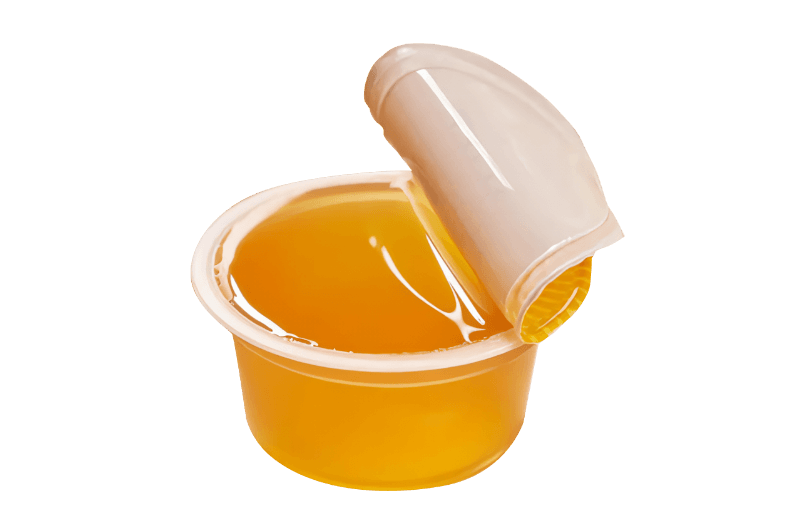
Washna® Laminate films
+ Operates with high-volume film
+ ultimate cost control
+ Good level of crystal point and black point control
+ Customizable with thickness and EVOH ratio
+ Easy-open End (EOE) functionality
+ Preserves freshness and extends shelf life
+ Odor-neutral composition
-
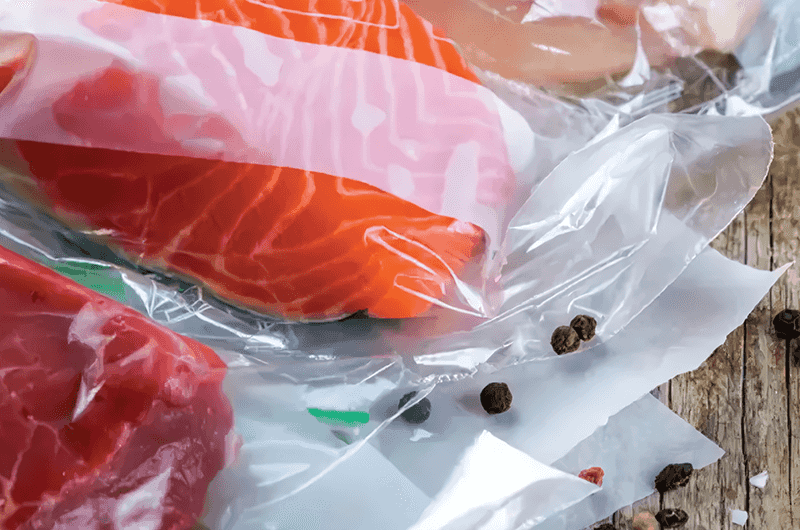
Agometa ® Frozen Vacuum Packaging Bags/Films
+ Excellent transparency
+ Good barrier against water vapor and oxygen
+ Heat sealing performance
+ Adds ultra-high barrier properties
+ high-end food market
+ stable performance, flexible and versatile
+ Good puncture resistance
Jiangsu Comers Neo Materials Co., Ltd.
No.161 Cailing Road, Linhu Town, Wuzhong District, Suzhou City, Jiangsu Province, China.
+86-0512-66558319
E-mail: [email protected]
