

 English
 中文简体
中文简体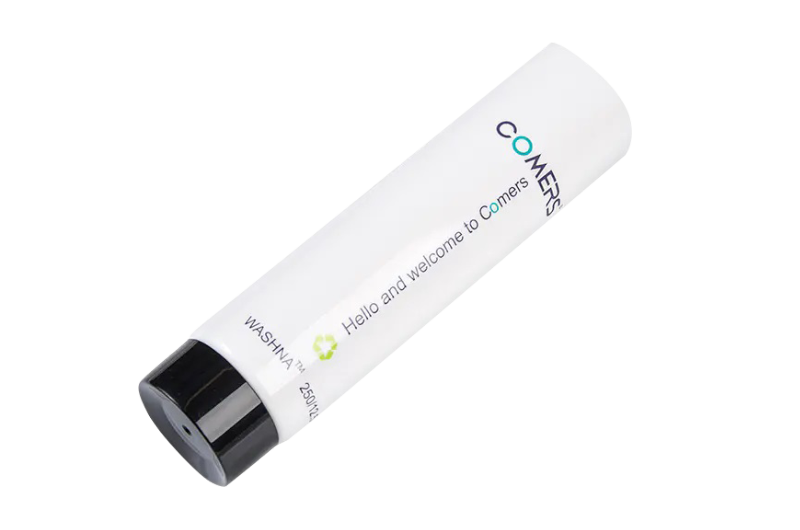
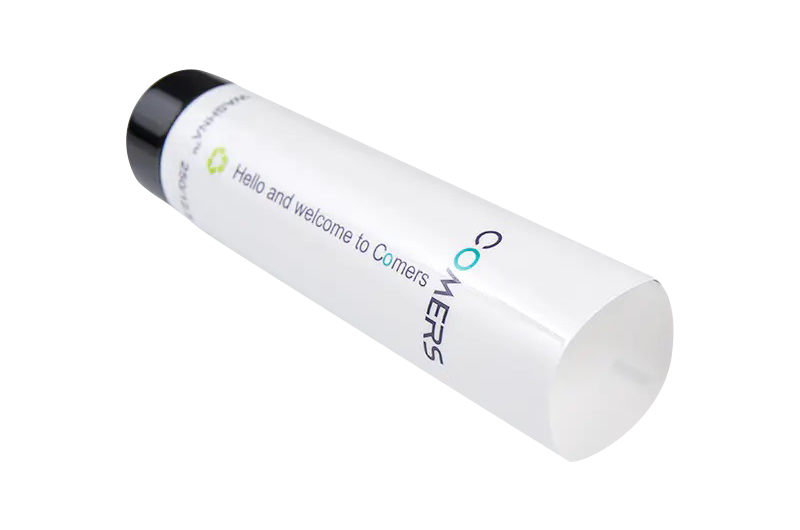
Washna® toothpaste films
We deliver complete material innovations for tubular packaging, combining exceptional barrier properties with mechanical strength:
Our advanced range of PCR, PBL all-plastic, and dual-laminated sheets delivers exceptional barrier performance while meeting rigorous mechanical requirements. Engineered for circular economy compliance, these blow-molded sheets feature precise thickness control (175-350μm ±3%) and customizable EVOH content (≤5%) to perfectly balance protection and recyclability - fully aligned with CEFLEX Design Guidelines.
Available in white, ultra-white, and transparent variants with adjustable whiteness, they combine APR-certified processing with outstanding puncture resistance and speckle-free surfaces (GB/T 28117 compliant). Ideal for brands seeking EU 10/2011/FDA-compliant materials that reduce environmental impact without compromising shelf life or product safety.
We tailor this products to your needs and would be pleased to guide you through the available options.
comers® Product advantages
- Suitable for products in paste form
- High stiffness and good mechanical properties
- APR approval, Blow-molded in a single blow-molding
- Thickness 175~350μm, thickness deviation within 3%
- EVOH≤5%, in line with CEFLEX
- Good crystal point control level, in line with GB/T28117.
- white/transparent/ultra-white variants (customizable whiteness)
-
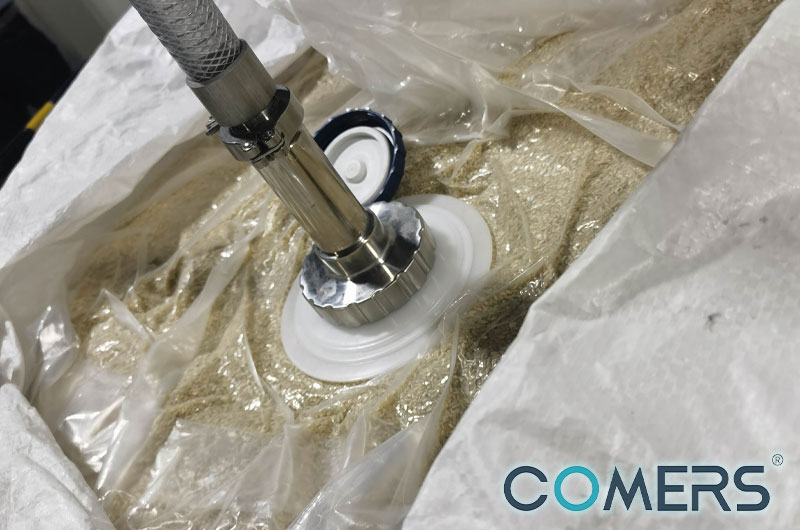
Intertram®FIBC Liners
+ Permanent anti-static / temporary anti-static
+ High barrier performance
+ Single material
+ Prevent from moisture, oxygen(low WVTR<3.0,OTR<1.0)
+ Various film types and thicknesses (Length:1M1-2M2 Thinkness:30-160um)
+ For milk powder/ coffee powder
+ Effective barrier and product protection
+ Strict quality control and safety standards
+ Highly customizable solutions
+ Durable and puncture-resistant
-
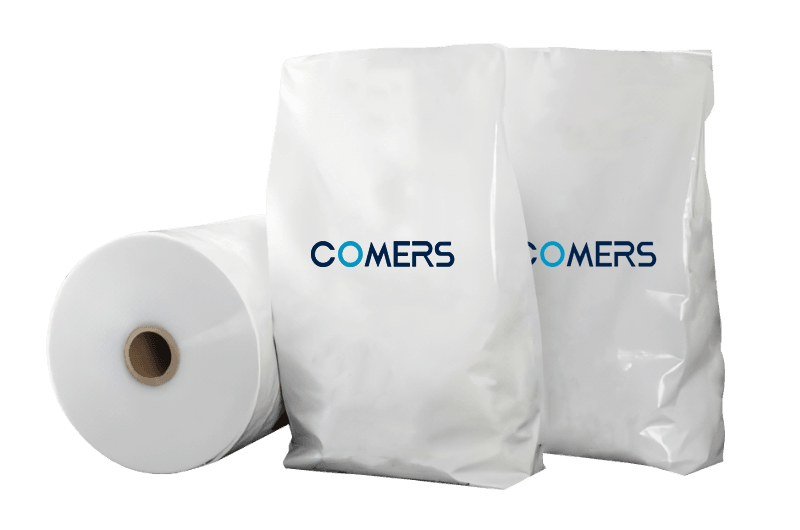
Intertram®FFS Liners
+ high barrier performance
+ prevent from moisture, oxygen(low WVTR<3.0,OTR<1.0)
+ various film types and thicknesses (Length:1M1-2M2 Thinkness:30-160um)
+ can replace Al material
+ High standard in food safety
+ Anti-static film (ATEX prevention)
+ Strict control over contaminants (BPA, Sakazaki-bacillus, etc.)
+ Tailored to customer needs
+ Enhanced product shelf life (approx. 6 months)
-

Washna ® Easy-peel films
+ prevent from moisture, oxygen(low WVTR<3.0,OTR<1.0)
+ various film types and thicknesses (Thickness:45 - 90um)
+ Clean & Safe Delamination
+ smooth sealing layer without wire drawing
+ Optimal Peel Performance
+ Good control level of black dot crystal point, in line with GB/T28117
+ Food contact safety
+ High durability
+ Superior barrier properties
+ Child-friendly opening
+ Clean, residue-free peel -
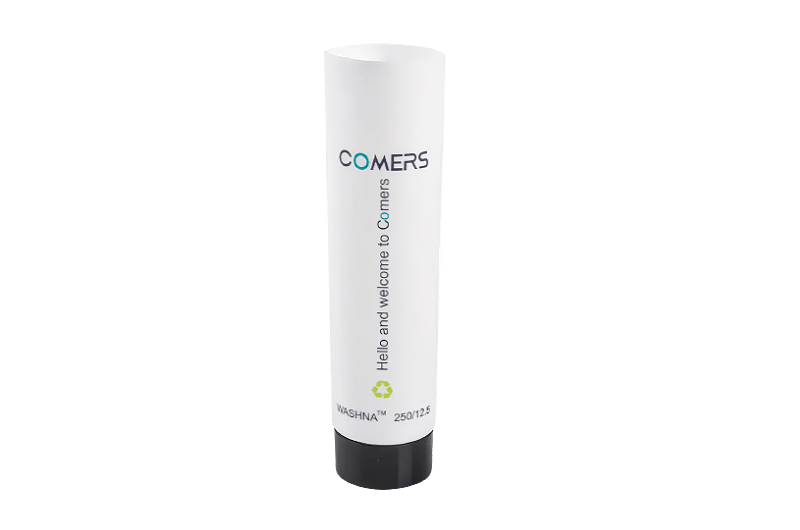
Washna® toothpaste films
+ Suitable for products in paste form
+ High stiffness and good mechanical properties
+ APR approval, Blow-molded in a single blow-molding
+ EVOH≤5%, in line with CEFLEX
+ white/transparent/ultra-white variants (customizable whiteness)
+ Precise thickness control (175−350μm±3%)
+ Excellent puncture resistance
+ Speckle-free surfaces (GB/T 28117 compliant)
+ Reduces environmental impact -
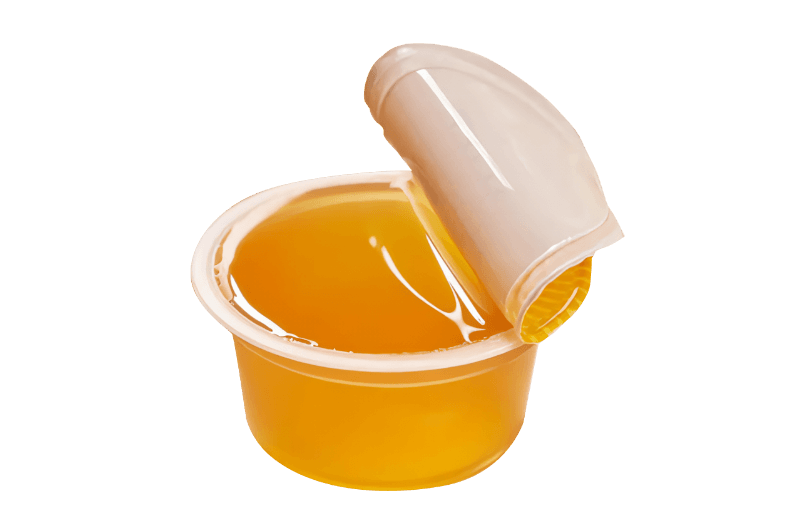
Washna® Laminate films
+ Operates with high-volume film
+ ultimate cost control
+ Good level of crystal point and black point control
+ Customizable with thickness and EVOH ratio
+ Easy-open End (EOE) functionality
+ Preserves freshness and extends shelf life
+ Odor-neutral composition
-
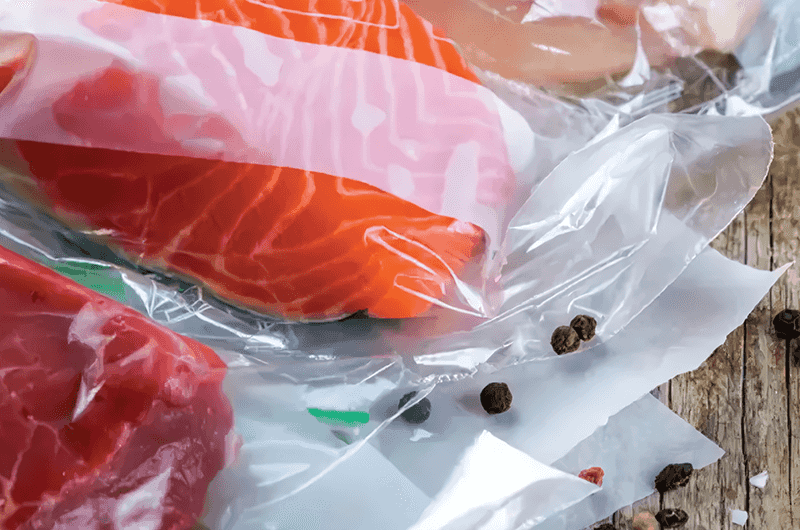
Agometa ® Frozen Vacuum Packaging Bags/Films
+ Excellent transparency
+ Good barrier against water vapor and oxygen
+ Heat sealing performance
+ Adds ultra-high barrier properties
+ high-end food market
+ stable performance, flexible and versatile
+ Good puncture resistance

High-quality products and world-class equipment are OUR COMMITMENT. We can produce 10,000 MT annually in our ISO-8 (Class 100,000) GMP clean rooms. As Tube Lamination Film Suppliers, we have obtained certifications that are in line with the standards recognized by BRCGS packaging and FSSC 22000. We operate in accordance with the ISO 9001 standard and good manufacturing practices. Supply Custom Toothpaste Tube Packaging Film. We offer comprehensive services to develop innovative packaging and product protection solutions, and set standards in terms of sustainability and future feasibility.
-
Latest news
Preventing Pinholes in Vacuum Bags: Puncture Resistance and Structure
The Pinhole That Costs More Than the Bag A single pinhole in a vacuum bag rarely shows up on the line. It shows up two days later, when a distributor opens a case and finds a bag that's lost its collapse around a rack of ribs or a shipment of cheese wedges. By then the product h... -
Latest news
Barrier Degradation in Vacuum Packs: Assessing Shelf-Life Risk
When the Seal Looks Fine but the Barrier Isn't A vacuum-sealed pouch can hold its collapsed shape for weeks and still let the product inside go rancid, discolor, or grow mold. The bag hasn't lost vacuum in any way a warehouse worker would notice, yet the oxygen transmission rate... -
Latest news
Release Liner Recycling: Cost-Benefit Analysis & Material Comparison Guide
What Is Release Liner and Why Does Recycling It Matter? Every year, the global label and packaging industry produces an estimated 3.3 million metric tons of release liner. Roughly 70% of it still ends up in landfills or incinerators. That is a staggering figure, and it means you...
Why barrier performance matters for paste-product tubular packaging
Barrier performance determines how well a tube packaging system protects paste products (toothpaste, creams, gels, ointments) from oxygen, moisture, aroma loss, and chemical migration. Effective barrier extends shelf life, preserves sensory and functional properties, and reduces the need for preservatives or secondary packaging—all critical for product safety and consumer acceptance.
Key mechanisms that provide barrier protection
Barrier performance in lamination films is achieved through material selection, layer architecture, and precise manufacturing control. Typical mechanisms include diffusion resistance (dense polymer layers), selective barrier layers (e.g., EVOH for oxygen), and mechanical sealing that prevents micro-leaks during filling and transport.
Materials and their roles
Different polymers contribute distinct barrier and mechanical functions: polyolefins provide toughness and processability, EVOH delivers oxygen barrier, and tie layers or adhesives ensure interlayer bonding in multi-layer constructs.
Layer architecture
Multi-layer laminates let designers balance barrier, puncture resistance, and recyclability by limiting specialty barrier content (e.g., EVOH ≤ 5%) while keeping most of the structure compatible with mechanical recycling streams.
How barrier is evaluated — practical steps
- Define target permeants (O₂, H₂O vapor, aroma compounds) based on the paste formulation and shelf-life goals.
- Select appropriate test standards and methods (e.g., OTR by coulometric sensor, WVTR by MOCON or gravimetric methods, aroma permeation tests where relevant).
- Produce representative tube samples using intended processing conditions (blow-molded sheets, lamination, or tube extrusion) to include real-seal and real-geometry effects.
- Measure baseline barrier values, then perform accelerated aging (temperature/humidity) and re-measure to evaluate retention of barrier over time.
- Correlate laboratory permeability with real-world shelf-life through challenge tests with the actual paste product.
Comparison: common film strategies for paste-product tubes
| Strategy | Barrier performance | Recyclability | Typical trade-offs |
| Single-polymer high-density structure | Moderate (depends on polymer) | High (single-material stream) | May require thicker gauge to match barrier of EVOH-containing designs. |
| Multi-layer with EVOH (≤5%) | High oxygen barrier | Good if overall structure engineered for mechanical recycling (limited incompatible layers) | Excellent balance of barrier and recyclability when EVOH fraction is minimized and layers are compatible. |
| All-plastic dual-laminated sheet | High (tailorable by laminate design) | Designed for circularity if materials are selected for recycling streams | Enables speckle-free, puncture-resistant surfaces suitable for premium brands. |
Design considerations and best practices
- Start with the product: map which permeants (moisture, oxygen, aroma) most affect stability and prioritize barrier accordingly.
- Specify realistic thickness tolerances (e.g., 175–350 μm ±3%) to ensure consistent performance across production lots.
- Limit specialty barrier fraction (such as EVOH) to what is necessary—this aids recyclability while achieving target OTR values.
- Validate barrier after forming into final tubular geometry, since sealing, stretching, and necking can alter effective performance.
- Include puncture- and abrasion-resistance testing to confirm mechanical integrity for filling, transport, and consumer use.
- Document regulatory compliance (EU 10/2011, FDA, local standards) and certification claims (APR, CEFLEX alignment) to support brand transparency.
Trends in Tubular Packaging for Paste Products
Tubular packaging for paste products—such as cosmetics creams, toothpaste, and topical pharmaceuticals—is evolving rapidly. Brands now prioritize sustainability, user experience, regulatory compliance, and manufacturing efficiency. This article outlines the main market trends, compares common tube formats, and lists practical implementation steps for manufacturers and brand owners.
Key market trends
- Sustainable single-material designs — There is strong momentum toward mono-material lamination films and all-plastic solutions that simplify recycling streams while maintaining barrier performance.
- Recyclability and circular-economy alignment — Materials engineered for curbside recyclability and compatibility with initiatives like CEFLEX and APR are becoming purchasing criteria for major brands.
- Optimized barrier without over-engineering — Lower EVOH content and precise thickness control enable sufficient oxygen/moisture barrier while easing recycling and processing.
- Customization for formulation types — Tubes are tuned by wall thickness, puncture resistance, and inner-surface chemistry to match abrasive pastes, viscous creams, or reactive actives.
- Refillable and concentrated formats — Refillable tube systems and concentrated formulations reduce packaging volume and appeal to eco-conscious consumers.
- Digital printing and brand differentiation — High-resolution digital decoration allows variable runs, advanced artwork, and cost-effective personalization.
- Regulatory and safety focus — Compliance with EU, FDA, and local food/medical contact regulations remains essential; traceability and testing data are expected by B2B buyers.
Tube format comparison
| Format | Recyclability | Barrier / Protection | Best for |
| Mono-polymer lamination film | High (single-stream recycling) | Good — tuned by EVOH layer contro | Mass-market cosmetics, toothpaste |
| All-plastic blow-molded tubes | Moderate-High (design dependent) | Excellent puncture resistance | Abrasive pastes, industrial tubes |
| Dual-laminated multi-material tubes | Lower (complex recycling) | Highest barrier for sensitive actives | Pharmaceuticals, long-shelf products |
Implementation checklist
Product-specification steps
- Define formulation requirements: viscosity, particulate content, chemical compatibility.
- Select target recyclability level (mono-material vs. dual-laminate) based on brand sustainability goals.
- Specify thickness tolerance and EVOH content to balance barrier and recyclability.
- Validate puncture and squeeze performance with pilot runs.
Supply-chain and compliance steps
- Confirm EU/FDA and local contact-material certifications for chosen film formulation.
- Align with recyclers and collection programs to ensure end-of-life pathways.
- Plan for print/decor options and prepress proofs for digital or conventional printing.
- Establish QA protocols for thickness, EVOH distribution, and speckle-free surface requirements.
Jiangsu Comers Neo Materials Co., Ltd.
No.161 Cailing Road, Linhu Town, Wuzhong District, Suzhou City, Jiangsu Province, China.
+86-0512-66558319
E-mail: [email protected]
