

 English
 中文简体
中文简体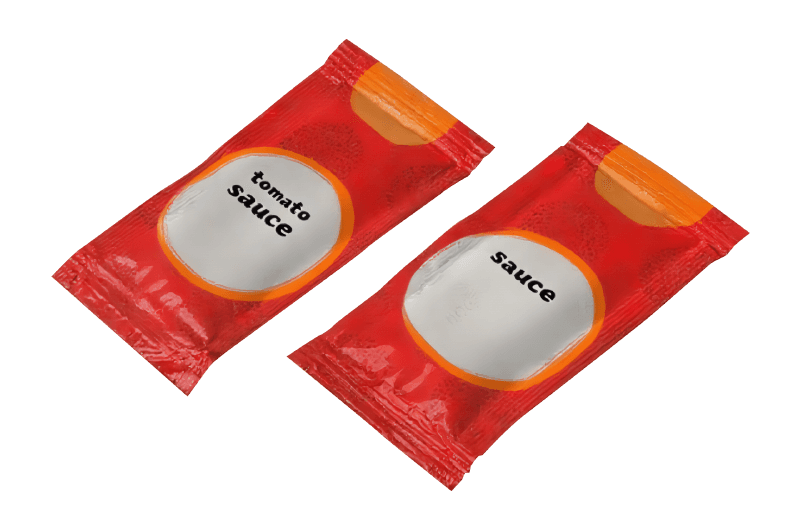
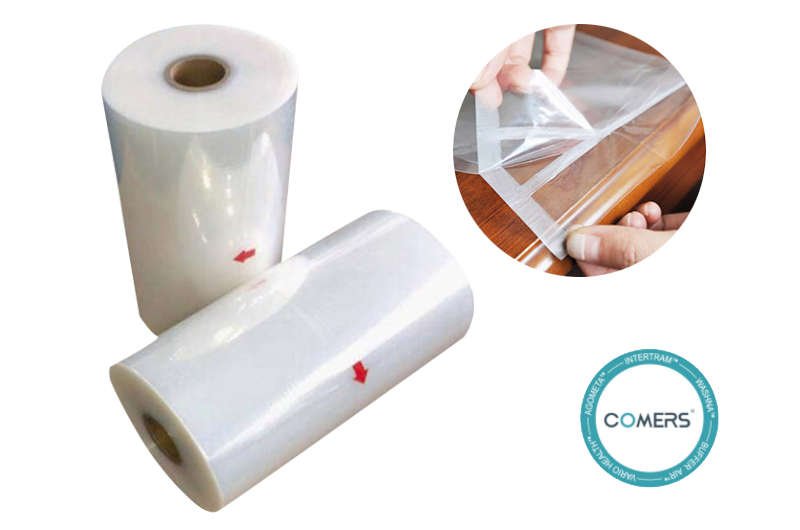
Washna® Laminate films
Our innovative packaging material integrates an advanced Easy-open End mechanism with high-quality printed laminated films, delivering superior product protection while ensuring consumer convenience. Designed specifically for Industrial Manufacturing 4.0 environments, this solution excels in preserving freshness and extending shelf life—critical for sensitive food items, e.g.ketchup and Jelly. The film’s exceptional crystal point and black point control guarantees consistently clean, defect-free surfaces, while its odor-neutral composition prevents any transfer of unwanted tastes to packaged contents.
Engineered for high-volume production, our material enables ultimate cost efficiency through precision on-site process control, seamlessly matching the rigorous demands of modern canning operations. Combining technical excellence with food safety compliance, this packaging solution meets EU regulatory standards while optimizing production workflows—making it the ideal choice for brands that prioritize quality, efficiency, and sustainability.
We tailor this products to your needs and would be pleased to guide you through the available options.
comers® Product advantages
- Operates with high-volume film
- ultimate cost control
- Good level of crystal point and black point control
- Customizable with thickness and EVOH ratio
-
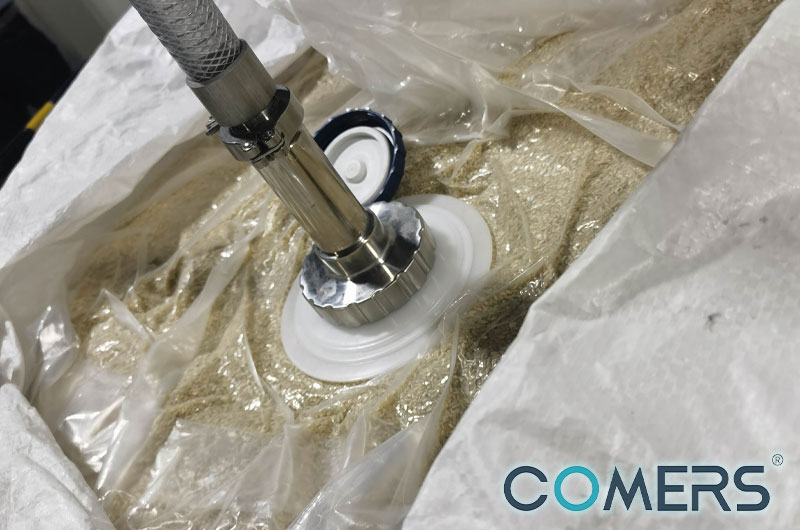
Intertram®FIBC Liners
+ Permanent anti-static / temporary anti-static
+ High barrier performance
+ Single material
+ Prevent from moisture, oxygen(low WVTR<3.0,OTR<1.0)
+ Various film types and thicknesses (Length:1M1-2M2 Thinkness:30-160um)
+ For milk powder/ coffee powder
+ Effective barrier and product protection
+ Strict quality control and safety standards
+ Highly customizable solutions
+ Durable and puncture-resistant
-
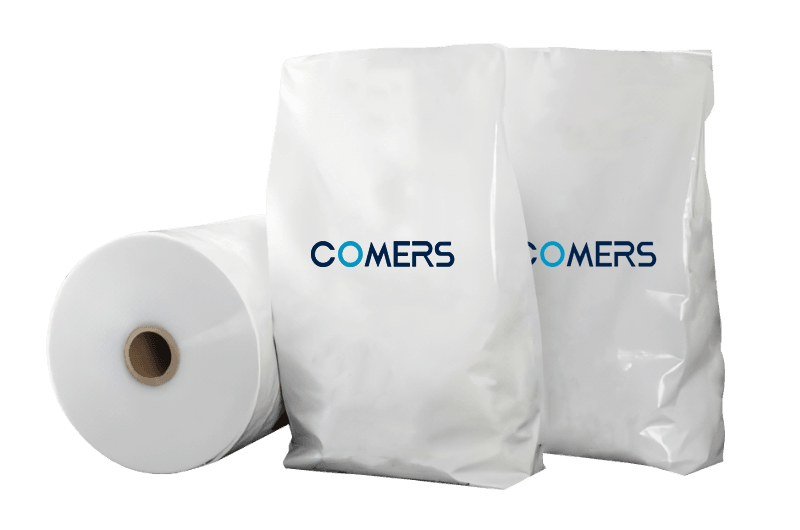
Intertram®FFS Liners
+ high barrier performance
+ prevent from moisture, oxygen(low WVTR<3.0,OTR<1.0)
+ various film types and thicknesses (Length:1M1-2M2 Thinkness:30-160um)
+ can replace Al material
+ High standard in food safety
+ Anti-static film (ATEX prevention)
+ Strict control over contaminants (BPA, Sakazaki-bacillus, etc.)
+ Tailored to customer needs
+ Enhanced product shelf life (approx. 6 months)
-

Washna ® Easy-peel films
+ prevent from moisture, oxygen(low WVTR<3.0,OTR<1.0)
+ various film types and thicknesses (Thickness:45 - 90um)
+ Clean & Safe Delamination
+ smooth sealing layer without wire drawing
+ Optimal Peel Performance
+ Good control level of black dot crystal point, in line with GB/T28117
+ Food contact safety
+ High durability
+ Superior barrier properties
+ Child-friendly opening
+ Clean, residue-free peel -
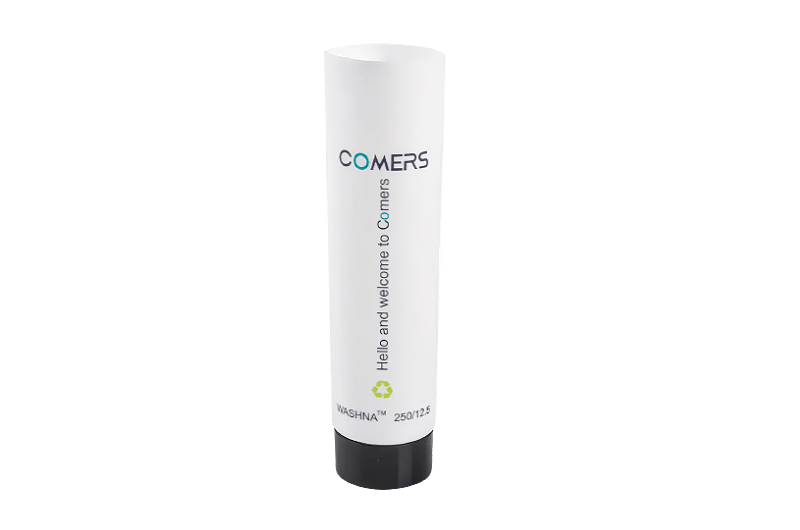
Washna® toothpaste films
+ Suitable for products in paste form
+ High stiffness and good mechanical properties
+ APR approval, Blow-molded in a single blow-molding
+ EVOH≤5%, in line with CEFLEX
+ white/transparent/ultra-white variants (customizable whiteness)
+ Precise thickness control (175−350μm±3%)
+ Excellent puncture resistance
+ Speckle-free surfaces (GB/T 28117 compliant)
+ Reduces environmental impact -
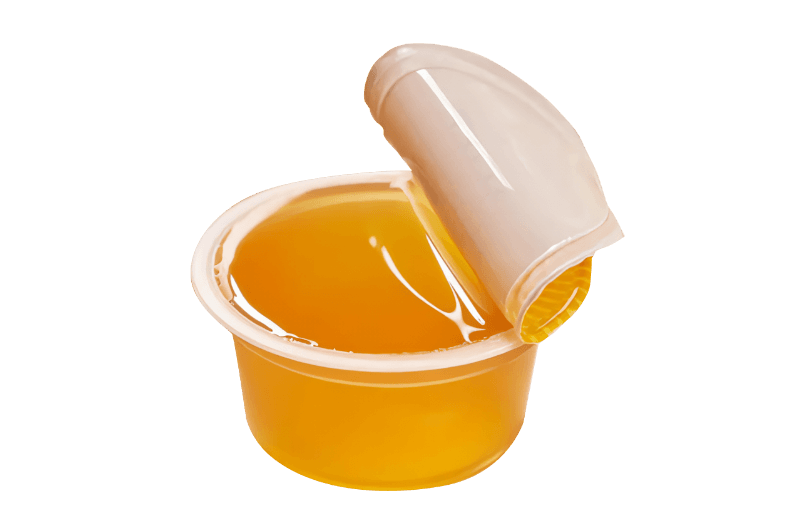
Washna® Laminate films
+ Operates with high-volume film
+ ultimate cost control
+ Good level of crystal point and black point control
+ Customizable with thickness and EVOH ratio
+ Easy-open End (EOE) functionality
+ Preserves freshness and extends shelf life
+ Odor-neutral composition
-
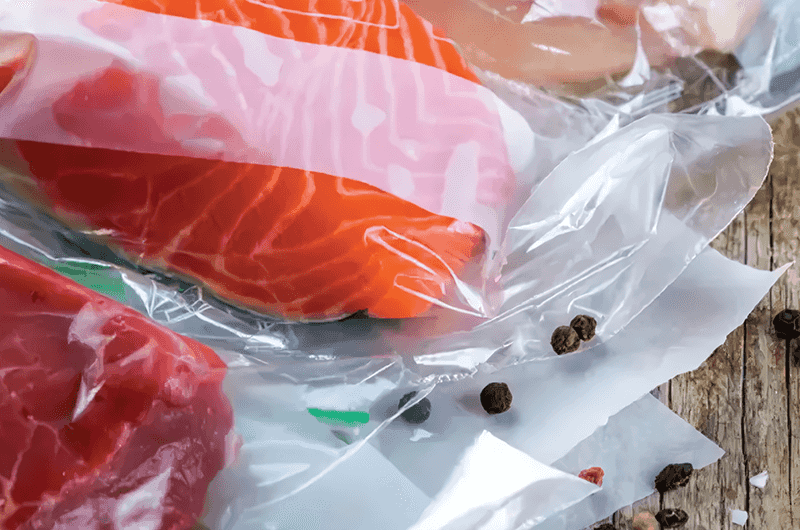
Agometa ® Frozen Vacuum Packaging Bags/Films
+ Excellent transparency
+ Good barrier against water vapor and oxygen
+ Heat sealing performance
+ Adds ultra-high barrier properties
+ high-end food market
+ stable performance, flexible and versatile
+ Good puncture resistance

High-quality products and world-class equipment are OUR COMMITMENT. We can produce 10,000 MT annually in our ISO-8 (Class 100,000) GMP clean rooms. As EVOH Food Packaging Film Factory, we have obtained certifications that are in line with the standards recognized by BRCGS packaging and FSSC 22000. We operate in accordance with the ISO 9001 standard and good manufacturing practices. Supply Custom EVOH-based Laminate Films for Food Packaging. We offer comprehensive services to develop innovative packaging and product protection solutions, and set standards in terms of sustainability and future feasibility.
-
Latest news
Preventing Pinholes in Vacuum Bags: Puncture Resistance and Structure
The Pinhole That Costs More Than the Bag A single pinhole in a vacuum bag rarely shows up on the line. It shows up two days later, when a distributor opens a case and finds a bag that's lost its collapse around a rack of ribs or a shipment of cheese wedges. By then the product h... -
Latest news
Barrier Degradation in Vacuum Packs: Assessing Shelf-Life Risk
When the Seal Looks Fine but the Barrier Isn't A vacuum-sealed pouch can hold its collapsed shape for weeks and still let the product inside go rancid, discolor, or grow mold. The bag hasn't lost vacuum in any way a warehouse worker would notice, yet the oxygen transmission rate... -
Latest news
Release Liner Recycling: Cost-Benefit Analysis & Material Comparison Guide
What Is Release Liner and Why Does Recycling It Matter? Every year, the global label and packaging industry produces an estimated 3.3 million metric tons of release liner. Roughly 70% of it still ends up in landfills or incinerators. That is a staggering figure, and it means you...
Barrier Properties of EVOH Films and Their Role in Food Preservation
Ethylene-vinyl alcohol copolymer (EVOH) is widely recognized as one of the most effective barrier polymers used in packaging. Its unique molecular structure makes it highly resistant to gases such as oxygen, carbon dioxide, and nitrogen, which are critical factors in maintaining the freshness and shelf life of packaged foods.
In food packaging, oxygen transmission rate (OTR) is a key parameter that determines the effectiveness of a material. EVOH exhibits exceptionally low OTR, which helps delay oxidation, discoloration, and spoilage in products such as meat, dairy, and ready-to-eat meals.
Key Functions of EVOH in Food Packaging
- Preventing oxygen ingress, thereby reducing microbial growth and rancidity.
- Maintaining aroma and flavor integrity by minimizing gas and vapor transfer.
- Allowing thinner overall packaging structures without compromising product safety.
These properties make EVOH a preferred choice in multilayer film constructions, where it is typically combined with materials like polyethylene (PE) or polypropylene (PP) to achieve both barrier and mechanical performance.
Sustainability Challenges and Recycling Issues of EVOH-based Materials
Despite its advantages, EVOH presents challenges in sustainability, especially concerning recycling. Because EVOH is commonly used in multilayer packaging, its integration with other plastics can complicate separation and recovery during recycling processes.
Main Challenges
| Issue | Explanation |
| Multilayer Separation | Difficult to separate EVOH from PE, PP, or PET layers, reducing recyclability. |
| Processing Compatibility | Incompatible melt characteristics with common recycling streams lead to downgraded material quality. |
| Recycling Infrastructure | Limited facilities capable of handling EVOH-containing multilayer packaging. |
Potential Solutions
- Developing compatibilizers to improve melt blending with polyolefins.
- Designing mono-material packaging with thinner EVOH layers to ease recycling.
- Expanding chemical recycling methods to handle mixed multilayer structures.
As sustainability becomes a central focus in packaging innovation, the industry is working toward balancing EVOH’s excellent barrier properties with more circular, recyclable solutions.
Jiangsu Comers Neo Materials Co., Ltd.
No.161 Cailing Road, Linhu Town, Wuzhong District, Suzhou City, Jiangsu Province, China.
+86-0512-66558319
E-mail: [email protected]
