

 English
 中文简体
中文简体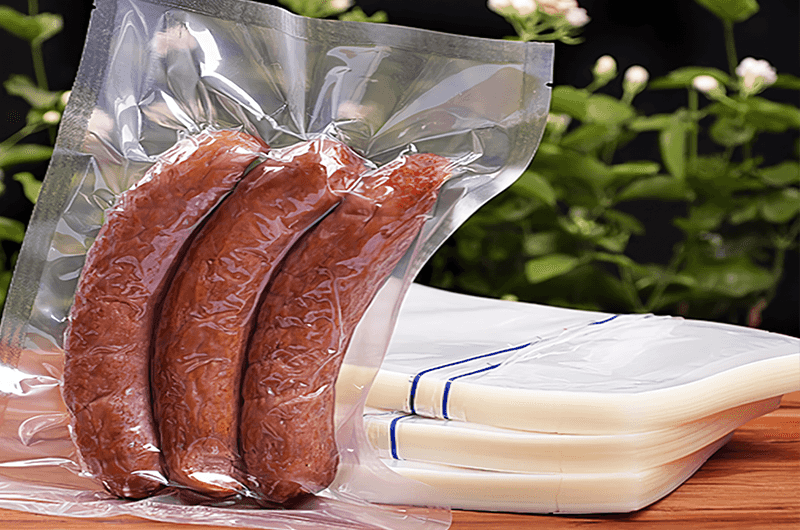
Agometa ® Steaming Vacuum Packaging Bags /Films
Our food-contact certified films deliver unmatched versatility, engineered to perform flawlessly across extreme temperature range from 100 to 121 °C while maintaining excellent ultra-low temperature heat seal integrity. Designed specifically for pre-made food, microwave and steam oven food applications.
Customizable with functional additives like anti-static, anti-fog, and puncture-resistant properties, these films can be precisely tailored to your unique packaging challenges. The advanced multi-layer structure incorporates high-barrier materials (PA/EVOH) to create superior moisture and oxygen protection - effectively preventing product degradation and extending shelf life.
We tailor this products to your needs and would be pleased to guide you through the available options.
comers® Product advantages
- Good barrier against water vapor and oxygen
- High barrier performance
- High-end food market
- Stable performance, flexible and versatile
- High temperature resistance
-
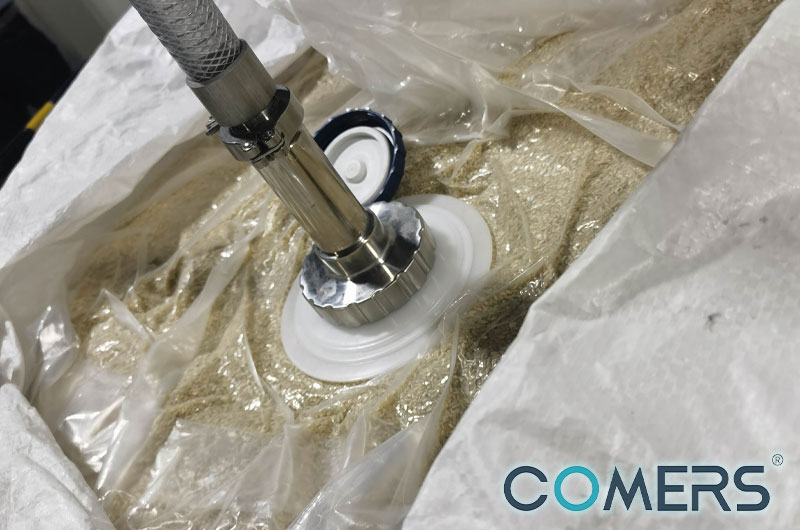
Intertram®FIBC Liners
+ Permanent anti-static / temporary anti-static
+ High barrier performance
+ Single material
+ Prevent from moisture, oxygen(low WVTR<3.0,OTR<1.0)
+ Various film types and thicknesses (Length:1M1-2M2 Thinkness:30-160um)
+ For milk powder/ coffee powder
+ Effective barrier and product protection
+ Strict quality control and safety standards
+ Highly customizable solutions
+ Durable and puncture-resistant
-
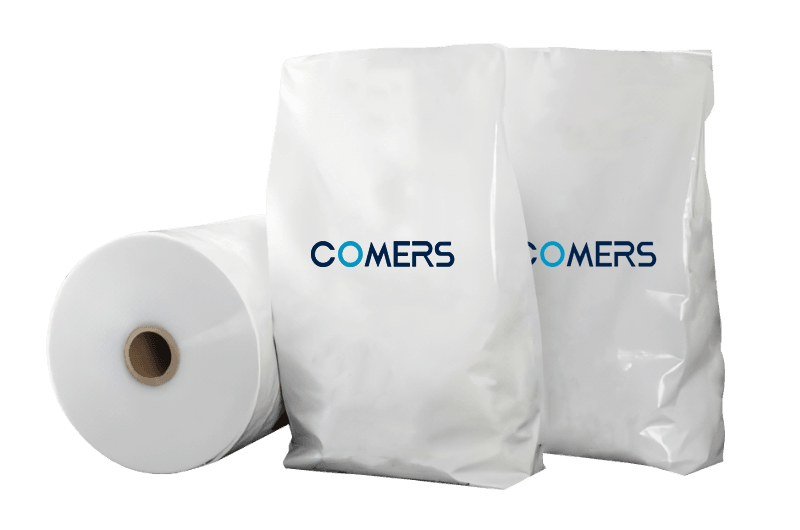
Intertram®FFS Liners
+ high barrier performance
+ prevent from moisture, oxygen(low WVTR<3.0,OTR<1.0)
+ various film types and thicknesses (Length:1M1-2M2 Thinkness:30-160um)
+ can replace Al material
+ High standard in food safety
+ Anti-static film (ATEX prevention)
+ Strict control over contaminants (BPA, Sakazaki-bacillus, etc.)
+ Tailored to customer needs
+ Enhanced product shelf life (approx. 6 months)
-

Washna ® Easy-peel films
+ prevent from moisture, oxygen(low WVTR<3.0,OTR<1.0)
+ various film types and thicknesses (Thickness:45 - 90um)
+ Clean & Safe Delamination
+ smooth sealing layer without wire drawing
+ Optimal Peel Performance
+ Good control level of black dot crystal point, in line with GB/T28117
+ Food contact safety
+ High durability
+ Superior barrier properties
+ Child-friendly opening
+ Clean, residue-free peel -
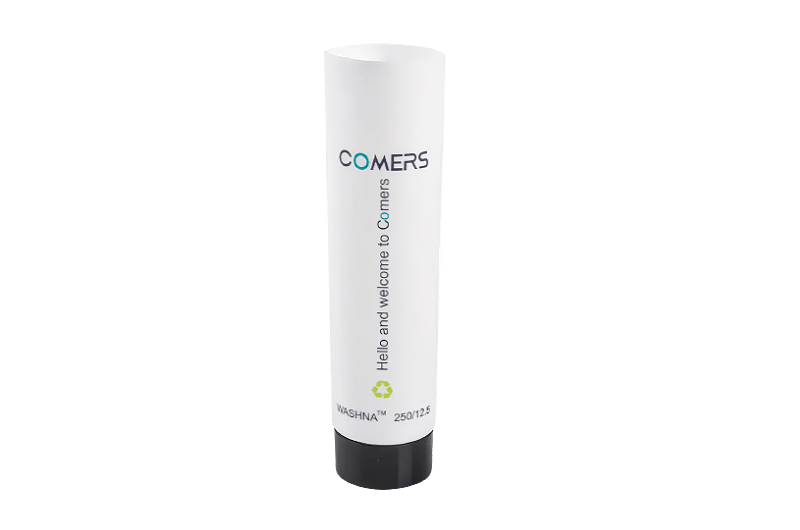
Washna® toothpaste films
+ Suitable for products in paste form
+ High stiffness and good mechanical properties
+ APR approval, Blow-molded in a single blow-molding
+ EVOH≤5%, in line with CEFLEX
+ white/transparent/ultra-white variants (customizable whiteness)
+ Precise thickness control (175−350μm±3%)
+ Excellent puncture resistance
+ Speckle-free surfaces (GB/T 28117 compliant)
+ Reduces environmental impact -
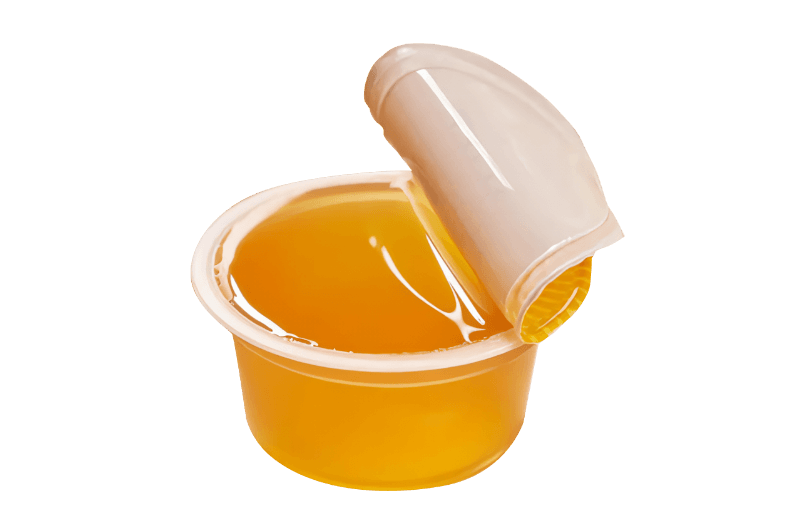
Washna® Laminate films
+ Operates with high-volume film
+ ultimate cost control
+ Good level of crystal point and black point control
+ Customizable with thickness and EVOH ratio
+ Easy-open End (EOE) functionality
+ Preserves freshness and extends shelf life
+ Odor-neutral composition
-
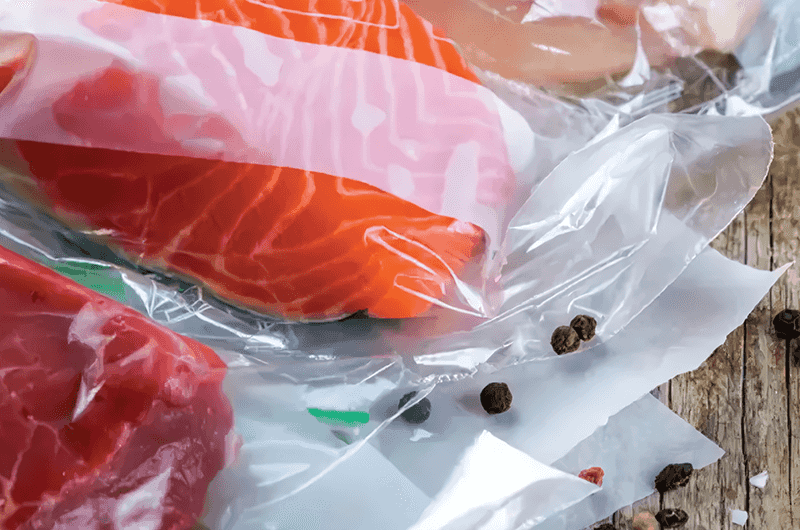
Agometa ® Frozen Vacuum Packaging Bags/Films
+ Excellent transparency
+ Good barrier against water vapor and oxygen
+ Heat sealing performance
+ Adds ultra-high barrier properties
+ high-end food market
+ stable performance, flexible and versatile
+ Good puncture resistance

High-quality products and world-class equipment are OUR COMMITMENT. We can produce 10,000 MT annually in our ISO-8 (Class 100,000) GMP clean rooms. As PA Vacuum Bags Factory, we have obtained certifications that are in line with the standards recognized by BRCGS packaging and FSSC 22000. We operate in accordance with the ISO 9001 standard and good manufacturing practices. Supply Custom Vacuum Seal Bags For Food. We offer comprehensive services to develop innovative packaging and product protection solutions, and set standards in terms of sustainability and future feasibility.
-
Latest news
Preventing Pinholes in Vacuum Bags: Puncture Resistance and Structure
The Pinhole That Costs More Than the Bag A single pinhole in a vacuum bag rarely shows up on the line. It shows up two days later, when a distributor opens a case and finds a bag that's lost its collapse around a rack of ribs or a shipment of cheese wedges. By then the product h... -
Latest news
Barrier Degradation in Vacuum Packs: Assessing Shelf-Life Risk
When the Seal Looks Fine but the Barrier Isn't A vacuum-sealed pouch can hold its collapsed shape for weeks and still let the product inside go rancid, discolor, or grow mold. The bag hasn't lost vacuum in any way a warehouse worker would notice, yet the oxygen transmission rate... -
Latest news
Release Liner Recycling: Cost-Benefit Analysis & Material Comparison Guide
What Is Release Liner and Why Does Recycling It Matter? Every year, the global label and packaging industry produces an estimated 3.3 million metric tons of release liner. Roughly 70% of it still ends up in landfills or incinerators. That is a staggering figure, and it means you...
Heat resistance: why it matters for microwave and steaming vacuum films
Heat resistance is the single most important performance attribute for vacuum food packaging films intended for microwave heating and steam cooking. It determines whether a material will maintain barrier integrity, not deform or delaminate, and remain safe when exposed to hot steam, boiling water or microwave-induced hot spots. Designers must consider not only the maximum continuous temperature a film can withstand, but also transient events (localized overheating, steam pressure pulses) and the effects of repeated use or retort cycles.
Common materials and their practical temperature limits
Different polymer layers deliver complementary properties: mechanical strength, oxygen/moisture barrier, sealability, and heat tolerance. Below is a practical comparison of typical materials used in multilayer vacuum films and their common working temperature ranges for microwave and steam applications.
| Material | Typical continuous temp | Microwave suitability | Steam/retort suitability |
| Polyethylene (PE) — sealant | ~80–120°C (depends on density) | Good as inner seal layer; not for high-temp alone | Limited; softens at high steam temps |
| Polyamide / Nylon (PA) — structural barrier | ~120–150°C (varies by grade) | Good; resists deformation and steam | Suitable for steaming; good mechanical strength |
| Polypropylene (PP) | ~120–160°C (crystalline PP higher) | Widely used for microwaveable trays/films | Generally good for steam if properly laminated |
| PET (biaxial) — barrier & strength | ~120–140°C continuous; short spikes higher | Good dimensional stability; watch for delamination | Used in steamable laminates when paired with high-temp sealant |
| EVOH (barrier layer) | Stable up to ~120°C; moisture reduces performance | Excellent oxygen barrier; sensitive to moisture | Requires protective layers for repeated steam exposure |
Microwave performance considerations
Microwave heating introduces unique stresses: uneven heating (hot spots), potential arcing when metals or conductive inks are present, and rapid local temperature rises. Film stacks should be engineered so the inner sealant maintains integrity while structural layers retain shape.
Key microwave failure modes
Typical failure modes include seal creep or melt, delamination between layers, loss of barrier (pinholes), and cosmetic deformation that affects consumer perception. Understanding these helps select correct materials and thicknesses.
Material choices to mitigate microwave risks
- Use a high-temperature sealant layer (e.g., modified PE or co-polymer) that seals reliably above expected internal temperatures.
- Include a temperature-resistant structural layer (PA, PET, or PP) to prevent deformation under localized heating.
- Avoid or carefully control metallised layers or conductive inks in the microwave zone to prevent arcing.
- Design venting (microwave valve or easy-peel areas) to relieve steam and reduce internal pressure spikes.
Steaming and retort-specific performance
Steaming (including steam ovens and sous-vide/retort processes) exposes films to saturated steam at elevated temperatures and pressures. Key requirements are dimensional stability under humidity, long-term retention of barrier properties after moisture exposure, and seal robustness under internal pressure.
Considerations for steam exposure
- Choose layers that do not absorb moisture (or protect the moisture-sensitive layer within the laminate).
- Use adhesive or extrusion bonding methods that resist hydrolysis during repeated steam cycles.
- Account for internal pressure: select seal widths and sealant formulations rated for the expected pressure and temperature.
Testing and qualification steps
A structured testing program validates material choices and process settings. Below are common steps used by R&D and quality teams to qualify vacuum films for microwave and steaming use.
- Thermal characterization: Determine melting point, glass transition temperature (Tg), and heat deflection temperature (HDT) for each polymer layer to establish limits.
- Meteorological conditioning: Expose laminate samples to high-humidity and steam cycles to identify hydrolysis or loss of mechanical properties.
- Microwave performance test: Simulate consumer microwave cycles with representative food loads to check for hot-spot failures, seal failures, and dimensional changes.
- Steam/retort cycles: Run steam or retort processing at target temperatures/pressures; inspect for delamination, seal integrity, and barrier loss.
- Leak & vacuum retention: Perform bubble leak tests and vacuum-hold time tests after thermal cycles to ensure packaging performance is maintained.
Design and engineering recommendations
When engineering a microwave- and steam-capable vacuum film, think in layers: a robust structural layer (PA/PET/PP) for dimensional stability, a high-temperature inner sealant for heat-resistant sealing, and a barrier layer protected from moisture. Manufacturing quality (uniform layer thickness, good adhesion and proper sealing parameters) is as important as material selection.
Practical tips
- Run pilot runs with real food to capture real-world heating behavior rather than relying solely on dry lab tests.
- Specify safety margins: select materials with temperature ratings ~20–30°C higher than expected peaks to account for hot spots.
- Document recommended consumer instructions (e.g., venting steps, standing time) to reduce misuse risk.
- Consider recyclable or mono-material approaches only if they can meet the necessary heat and steam performance; otherwise use targeted recyclability strategies.
Jiangsu Comers Neo Materials Co., Ltd.
No.161 Cailing Road, Linhu Town, Wuzhong District, Suzhou City, Jiangsu Province, China.
+86-0512-66558319
E-mail: [email protected]
