

 English
 中文简体
中文简体Agometa ® Frozen Vacuum Packaging Bags/Films
Our food-contact certified films deliver unmatched versatility, engineered to perform flawlessly across extreme temperature which can afford -18°C frozen storage while maintaining excellent ultra-low temperature heat seal integrity. Customizable with functional additives like anti-static, anti-fog, and puncture-resistant properties, these films can be precisely tailored to your unique packaging challenges.
The advanced multi-layer structure incorporates high-barrier materials (PA/EVOH) to create superior moisture and oxygen protection - effectively preventing product degradation and extending shelf life.
We tailor this products to your needs and would be pleased to guide you through the available options.
comers® Product advantages
- Excellent transparency
- Good barrier against water vapor and oxygen
- Heat sealing performance
- Adds ultra-high barrier properties
- High-end food market
- Stable performance, flexible and versatile
- Good puncture resistance
-
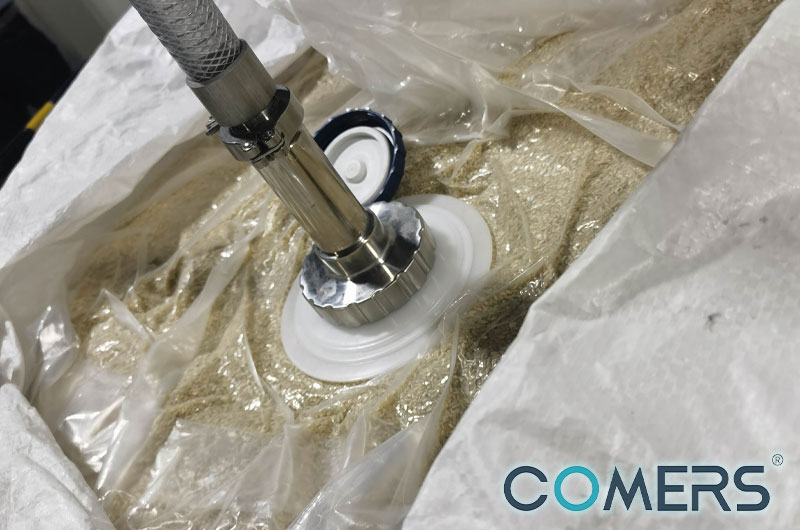
Intertram®FIBC Liners
+ Permanent anti-static / temporary anti-static
+ High barrier performance
+ Single material
+ Prevent from moisture, oxygen(low WVTR<3.0,OTR<1.0)
+ Various film types and thicknesses (Length:1M1-2M2 Thinkness:30-160um)
+ For milk powder/ coffee powder
+ Effective barrier and product protection
+ Strict quality control and safety standards
+ Highly customizable solutions
+ Durable and puncture-resistant
-
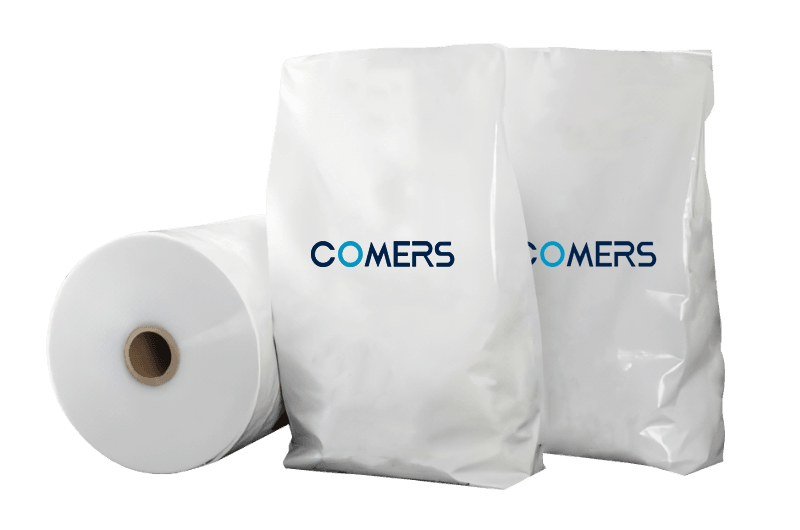
Intertram®FFS Liners
+ high barrier performance
+ prevent from moisture, oxygen(low WVTR<3.0,OTR<1.0)
+ various film types and thicknesses (Length:1M1-2M2 Thinkness:30-160um)
+ can replace Al material
+ High standard in food safety
+ Anti-static film (ATEX prevention)
+ Strict control over contaminants (BPA, Sakazaki-bacillus, etc.)
+ Tailored to customer needs
+ Enhanced product shelf life (approx. 6 months)
-

Washna ® Easy-peel films
+ prevent from moisture, oxygen(low WVTR<3.0,OTR<1.0)
+ various film types and thicknesses (Thickness:45 - 90um)
+ Clean & Safe Delamination
+ smooth sealing layer without wire drawing
+ Optimal Peel Performance
+ Good control level of black dot crystal point, in line with GB/T28117
+ Food contact safety
+ High durability
+ Superior barrier properties
+ Child-friendly opening
+ Clean, residue-free peel -
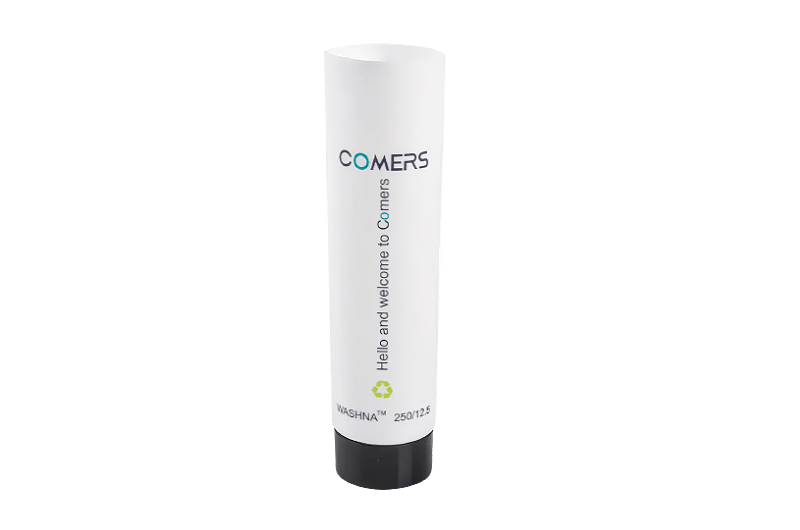
Washna® toothpaste films
+ Suitable for products in paste form
+ High stiffness and good mechanical properties
+ APR approval, Blow-molded in a single blow-molding
+ EVOH≤5%, in line with CEFLEX
+ white/transparent/ultra-white variants (customizable whiteness)
+ Precise thickness control (175−350μm±3%)
+ Excellent puncture resistance
+ Speckle-free surfaces (GB/T 28117 compliant)
+ Reduces environmental impact -
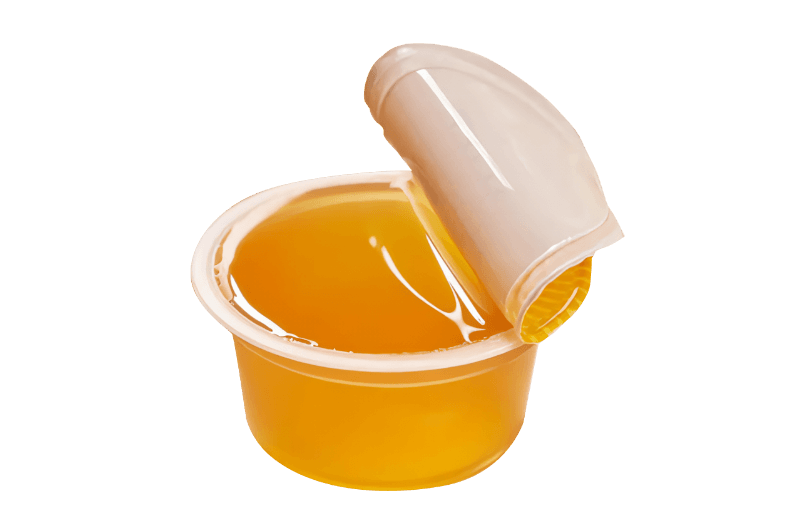
Washna® Laminate films
+ Operates with high-volume film
+ ultimate cost control
+ Good level of crystal point and black point control
+ Customizable with thickness and EVOH ratio
+ Easy-open End (EOE) functionality
+ Preserves freshness and extends shelf life
+ Odor-neutral composition
-
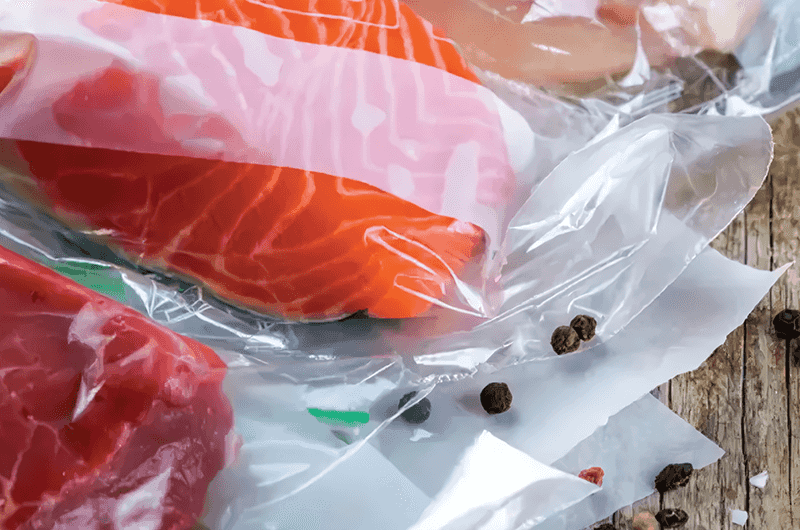
Agometa ® Frozen Vacuum Packaging Bags/Films
+ Excellent transparency
+ Good barrier against water vapor and oxygen
+ Heat sealing performance
+ Adds ultra-high barrier properties
+ high-end food market
+ stable performance, flexible and versatile
+ Good puncture resistance

High-quality products and world-class equipment are OUR COMMITMENT. We can produce 10,000 MT annually in our ISO-8 (Class 100,000) GMP clean rooms. As Vacuum Freezer Bags Factory, we have obtained certifications that are in line with the standards recognized by BRCGS packaging and FSSC 22000. We operate in accordance with the ISO 9001 standard and good manufacturing practices. Supply Custom Vacuum Pack Freezer Bags. We offer comprehensive services to develop innovative packaging and product protection solutions, and set standards in terms of sustainability and future feasibility.
-
Latest news
Preventing Pinholes in Vacuum Bags: Puncture Resistance and Structure
The Pinhole That Costs More Than the Bag A single pinhole in a vacuum bag rarely shows up on the line. It shows up two days later, when a distributor opens a case and finds a bag that's lost its collapse around a rack of ribs or a shipment of cheese wedges. By then the product h... -
Latest news
Barrier Degradation in Vacuum Packs: Assessing Shelf-Life Risk
When the Seal Looks Fine but the Barrier Isn't A vacuum-sealed pouch can hold its collapsed shape for weeks and still let the product inside go rancid, discolor, or grow mold. The bag hasn't lost vacuum in any way a warehouse worker would notice, yet the oxygen transmission rate... -
Latest news
Release Liner Recycling: Cost-Benefit Analysis & Material Comparison Guide
What Is Release Liner and Why Does Recycling It Matter? Every year, the global label and packaging industry produces an estimated 3.3 million metric tons of release liner. Roughly 70% of it still ends up in landfills or incinerators. That is a staggering figure, and it means you...
Vacuum Packaging and Its Effect on Food Preservation
Vacuum packaging removes air — and therefore oxygen — from the immediate environment of a food product. This reduction of oxygen slows oxidative reactions (which cause rancidity and color changes) and limits the growth of many aerobic spoilage organisms. For many categories of food, the result is a significant extension of shelf life, improved sensory quality, and reduced waste during storage and transport.
How Vacuum Packaging Extends Shelf Life
The mechanism behind shelf-life extension is multi-faceted. Removing oxygen directly reduces lipid oxidation and enzymatic browning; it changes the headspace atmosphere so that aerobic bacteria and molds cannot grow as quickly; and when combined with appropriate barrier films and low temperatures, vacuum packaging forms a synergistic system that preserves texture, flavor, and appearance.
Role of Oxygen Barrier Films
Not all vacuum packages perform equally. The film’s oxygen transmission rate (OTR) is critical: a low OTR film maintains the oxygen-depleted headspace for longer, preserving the vacuum effect. Multilayer films (for example, PA/EVOH/PE constructions) often balance mechanical strength, puncture resistance, and gas barrier properties to suit specific food types.
Temperature and Storage Conditions
Vacuum packaging reduces but does not eliminate microbial activity. Temperature control remains fundamental: lower temperatures slow the growth of psychrotrophic and anaerobic organisms. Therefore, vacuum-packaged foods still require appropriate cold chain management to achieve the expected shelf-life gains.
Food Categories: Typical Effects and Considerations
Different foods respond differently to vacuum packaging because of their intrinsic properties (water activity, pH, fat content) and typical spoilage flora. The table below summarizes common food groups, expected shelf-life improvements under vacuum plus refrigeration, and important caveats.
| Food Category | Typical Shelf-Life Gain | Key Considerations |
| Fresh meat (beef, pork) | 2–4× longer under refrigerated conditions | Good oxygen barrier reduces discoloration and rancidity; watch for anaerobic pathogens (e.g., Clostridium spp.) if temperature abused. |
| Seafood | 1.5–3× with strict cold chain | Very temperature sensitive—vacuum helps but must be combined with ice/refrigeration; risk of anaerobic spoilage organisms is lower than in meats but still present. |
| Dairy (cheese) | 2–6× depending on type | Vacuum reduces mold and moisture loss; for cheeses that need respiration, modified atmosphere or micro-perforations may be preferable. |
| Nuts & dry goods | 3–12× (oxidative rancidity delayed) | Excellent for preventing lipid oxidation; moisture ingress must be controlled via barrier films and seals. |
| Fresh produce (fruits, vegetables) | Variable — can be detrimental if done incorrectly | Respiring produce often requires modified atmosphere (controlled O₂/CO₂) rather than full vacuum; tissue damage and anaerobic fermentation are risks under strict vacuum. |
Shelf-life gains are indicative and depend on film properties, initial microbial load, temperature history, and product formulation.
Microbial Safety: What Vacuum Does — and Does Not — Do
Vacuum packaging inhibits aerobic spoilage microbes (many common bacteria and molds) but can create favorable conditions for certain anaerobic or facultatively anaerobic pathogens if other controls are absent. Notably, Clostridium botulinum (an obligate anaerobe) is a hazard in low-acid, vacuum-packed foods stored at abusive temperatures. Therefore, vacuum packaging must be combined with proper thermal processing, pH control, water activity reduction, or refrigeration to ensure safety.
Risk Management Steps
- Perform a hazard analysis for the product formulation and expected storage conditions.
- Select a film with an appropriate barrier and mechanical strength for the intended shelf life.
- Ensure reliable cold chain logistics for refrigerated products; define maximum abuse-temperature durations.
- Use additional hurdles when necessary (e.g., controlled acidity, reduced water activity, pasteurization) to prevent anaerobic pathogen growth.
- Validate and monitor packaging seals, OTR, and product microbial loads during shelf-life studies.
Practical Recommendations for Manufacturers
Implementing vacuum packaging effectively requires an integrated approach: pick the right film, control the processing environment, and design appropriate storage instructions for the end user. Below are practical, actionable recommendations manufacturers can apply.
- Match film structure to product needs — high-fat products need superior oxygen barriers; puncture-prone items need tougher outer layers.
- Combine vacuum with nitrogen flushing when residual oxygen must be minimized for long shelf life.
- For fresh produce, evaluate modified atmosphere or micro-perforated vacuum films to allow controlled respiration.
- Document and communicate storage temperatures and 'use by' dates clearly on packaging to prevent consumer misuse.
- Regularly run shelf-life and microbiological challenge tests to validate the packaging system under realistic conditions.
Jiangsu Comers Neo Materials Co., Ltd.
No.161 Cailing Road, Linhu Town, Wuzhong District, Suzhou City, Jiangsu Province, China.
+86-0512-66558319
E-mail: [email protected]
