

 English
 中文简体
中文简体Seal Failures Caused by Dust Contamination: Material & Process Fixes
Content
- 1 Why dust contamination causes seal failures
- 2 Fast diagnosis on your line: what to check first
- 3 Material fixes: film and structure changes that tolerate dust better
- 4 Process fixes: how to stop dust from reaching the seal interface
- 5 Verification plan: prove the fix before you scale
- 6 How we help customers eliminate dust-driven seal failures
Why dust contamination causes seal failures
In powder, granulate, and dusty industrial packaging, seal failures caused by dust contamination are rarely “random.” They usually follow a repeatable mechanism: fine particles land in the seal area, interrupt wetting and fusion of the sealant layer, and create micro-channels that leak under vacuum, drop, or distribution stress. Even when the seal “looks” acceptable, a thin contamination trail can become a leak path once the package flexes or the headspace pressure changes.
From a manufacturer’s perspective, the seal interface is a controlled joining process driven by temperature, pressure, and dwell time—plus what’s happening on the film surface in the milliseconds before sealing. When dust or fines sit between layers, the molten sealant cannot fully wet the opposing surface, molecular interdiffusion is reduced, and the interface locks in defects rather than closing them. The result is typically one of three failure modes:
- Channel leaks (the most common): discontinuities that form a leak path along the seal line.
- Low seal strength: seals peel open under handling or drop tests because the bonded area is effectively reduced.
- Inconsistent sealing window: acceptable seals appear only at higher temperatures/longer dwell times, increasing burn-through, wrinkles, or distortion risk.
A practical benchmark we share with customers: dye-based channel-leak tests are designed to reveal leaks at the scale of ~50 μm in some packaging configurations, so “invisible” contamination can absolutely matter in real production.
Fast diagnosis on your line: what to check first
When a customer tells me “we’re seeing intermittent leaks,” I start with a structured diagnosis that separates contamination from process drift. Below is a field-proven checklist you can run in one shift—without waiting for a full investigation report.
Quick checks that pinpoint dust-driven failures
- Seal-area wipe test: wipe the seal zone on the web (product side) with a clean, lint-free pad. Visible residue strongly suggests airborne dust, product fines, or static attraction.
- Stop-and-seal trial: run a controlled seal with no product drop (empty cycle). If seals pass empty but fail filled, contamination at/near the product drop is a primary suspect.
- Jaw-face inspection: check for buildup, scratches, worn PTFE tape, or embedded particles. A single nick can hold dust and repeat defects every cycle.
- Static signals: if you see film clinging, poor bag opening, or fines sticking to the seal area, static is often amplifying the contamination problem.
| Observed symptom | Likely dust mechanism | Fastest confirmation | Highest-leverage fix |
|---|---|---|---|
| Intermittent micro-leaks | Particles create channel paths along seal | Dye/pressure leak test + microscope check of seal line | Improve dust control at drop + widen/strengthen sealing window |
| Weak peel strength | Reduced wetting and fusion area | Seal-strength test across temperature sweep | Sealant upgrade (SIT/hot-tack) + bar-face maintenance |
| Wrinkles/“fish-eyes” in seal | Dust buildup + uneven pressure distribution | Check bar flatness, pressure mapping, and tape condition | Re-tape/reface jaws + stabilize web tension |
| Seal only passes at high temp | Contamination forces you to “overcook” to compensate | Compare empty vs filled seals at same settings | Fix contamination + improve sealant hot-tack and SIT |
If you want a simple “rule of thumb”: when empty packages seal well but filled packages leak, treat it as contamination until proven otherwise.
Material fixes: film and structure changes that tolerate dust better
Process tweaks help, but when you package dusty products at scale, the most robust solution is usually a combined approach: a film structure engineered for a wider sealing window plus line controls that reduce contamination at the point of seal.
Upgrade the sealant layer for a wider sealing window
For dust-prone applications, I prioritize sealant layers with stronger hot-tack and lower seal initiation temperature (SIT), so the interface forms quickly even when line speed is high. Published packaging studies show that adjusting polyethylene sealant composition (e.g., incorporating LLDPE/mLLDPE fractions) can meaningfully improve seal strength and SIT behavior under contamination challenges.
- What this does for you: a larger “safe zone” where seals stay hermetic despite normal variation in dust load, jaw wear, or ambient conditions.
- What we validate: SIT, hot-tack, and peel strength across a temperature sweep that matches your real production speed and dwell time.
Reduce dust attraction with anti-static performance
Static is an underappreciated dust multiplier. When the web holds charge, fines cling to the film, ride into the seal jaws, and create the exact “trail” that becomes a leak path. For customers running FFS at high speed or in low-humidity environments, anti-static structures can reduce dust adhesion and stabilize bag opening and registration. If static is on your suspect list, our internal resource our anti-static FFS film specs and troubleshooting guide explains the measurable targets we use (not just marketing terms).
Match surface and seal-layer behavior to dusty products
Dust problems often show up as “stringing,” seal-area smearing, or inconsistent peel behavior—especially when packaging powders with fine particle distributions. A smoother sealing layer and consistent peel performance help reduce defect formation and make it easier to detect abnormal contamination early. For peelable applications, you can review our Washna® Easy-peel films page to see the types of seal-layer behaviors we build for stable opening and clean delamination.
Choose structures that protect the seal area during handling
Dust contamination and mechanical damage frequently team up: a marginal seal created by contamination can fail during drop, vibration, or pallet compression. For bulk powders and demanding logistics, we often specify higher puncture resistance and robust multilayer structures so the seal area is not the weakest link.
If your application is FFS for powders (coffee, milk powder, additives, specialty chemicals), you can start with our Intertram® FFS Liners page. It’s our product family designed for barrier performance, optional anti-static behavior, and durability in real production environments.
Process fixes: how to stop dust from reaching the seal interface
Once you confirm contamination is involved, you want fixes that reduce dust load at the seal interface—without slowing down production or creating new quality risks. Below are the process controls that most consistently improve seal integrity on dusty lines.
Control dust at the source: product drop and headspace
- Aspiration/venting near the drop zone: remove airborne fines before they settle into the seal area.
- Timing and cut-off control: reduce “product puff” that blows fines upward into the jaws.
- Headspace management: for very dusty powders, consider short settling time or controlled vibration to pull fines down before sealing.
Stabilize the sealing window: temperature, pressure, dwell
In conduction sealing, the seal is formed by a tight interaction of heat, pressure, and time. When dust is present, variation in any of these parameters makes failures more frequent. I recommend building a sealing “map” that includes:
- A temperature sweep (low to high) at constant pressure and dwell.
- A dwell-time sweep at your target line speed.
- A pressure check (including verification of jaw parallelism and pressure distribution).
The goal is not “maximum seal strength at any cost,” but a robust window where you still pass leak tests when dust load varies. If your only pass condition is at the top end of temperature, you are operating on a knife edge.
Seal-jaw surface condition and bar design
Jaw-face condition is often the hidden root cause of “mystery leaks.” Worn PTFE tape, embedded particles, and micro-scratches collect dust and repeat defects cycle after cycle. On some lines, seal-bar geometry also matters; published work indicates that grooved bar designs can improve seal outcomes under certain contaminated conditions by changing how the molten sealant flows and how pressure is applied.
- Replace worn jaw tape before it becomes a contamination “collector.”
- Use a documented cleaning interval (not “when it looks dirty”).
- Verify jaw alignment and uniform pressure across the seal width (many bar seals are ~10 mm wide in standard setups).
Static control beyond the film
Even with an anti-static structure, you may still need equipment-level controls: proper grounding, ionization at key web points, and humidity management where feasible. If operators report “zaps,” cling, or dust trails forming after roll changes, treat static as a process variable—not an annoyance.
Verification plan: prove the fix before you scale
Dust issues are costly because they can hide until you ship. My recommendation is to treat seal integrity as a measurable quality attribute with defined acceptance criteria—especially for powders, where a small channel can ruin shelf life or create downstream contamination.
Minimum test set we recommend for dusty applications
- Seal strength (peel): use a recognized seal-strength method and test across your intended sealing window (not a single temperature point).
- Channel leak detection: use dye/pressure-based approaches suitable for your package format to catch micro-leaks early.
- Line trial with controlled dust load: run a trial that reflects worst-case powder handling (not a “clean” pilot that never happens again).
A practical acceptance approach: define a pass/fail limit for leak tests plus a minimum seal strength threshold, then confirm performance at low/mid/high settings inside your operating window. The right target is repeatability, not a single best-case result.
How we help customers eliminate dust-driven seal failures
As a packaging film manufacturer and supplier, we support customers by pairing material design with implementation discipline. In practice that means: selecting a sealant system that matches your line speed and contamination risk, building the right multilayer structure for barrier and toughness, and verifying performance with a documented trial plan.
Many dust problems are solved fastest when we see three things: your product (powder characteristics), your equipment constraints (jaw type, speed, dosing), and your failure evidence (leak location, test results, photos). Once we have that, we can recommend the most direct combination of material + process fixes and help you validate them.
If you’d like us to review your failure mode and propose a film structure and trial plan, start here: our Contact Us page.
-
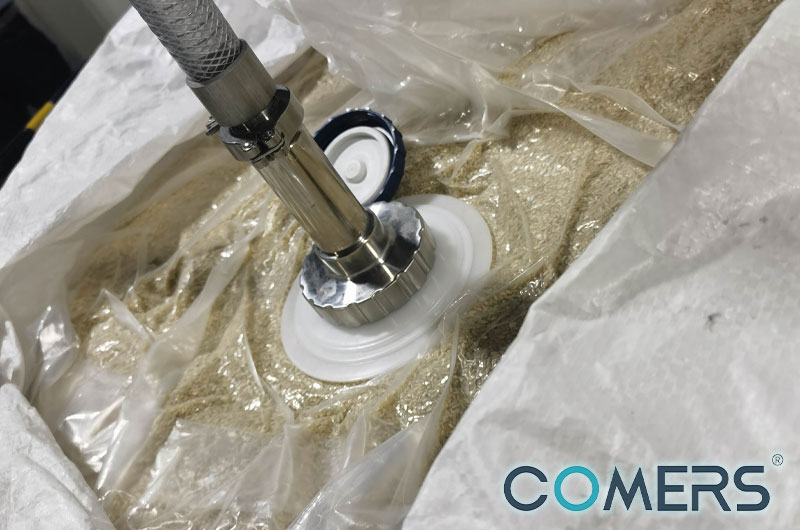
Intertram®FIBC Liners
+ Permanent anti-static / temporary anti-static
+ High barrier performance
+ Single material
+ Prevent from moisture, oxygen(low WVTR<3.0,OTR<1.0)
+ Various film types and thicknesses (Length:1M1-2M2 Thinkness:30-160um)
+ For milk powder/ coffee powder
+ Effective barrier and product protection
+ Strict quality control and safety standards
+ Highly customizable solutions
+ Durable and puncture-resistant
-
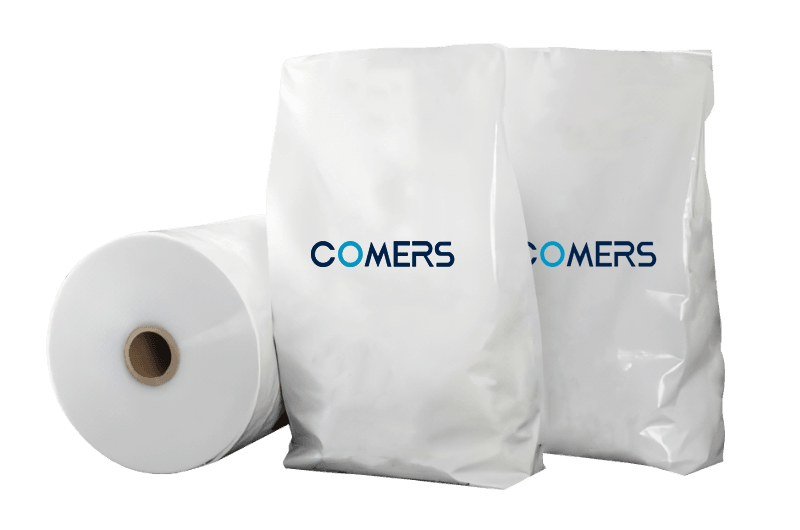
Intertram®FFS Liners
+ high barrier performance
+ prevent from moisture, oxygen(low WVTR<3.0,OTR<1.0)
+ various film types and thicknesses (Length:1M1-2M2 Thinkness:30-160um)
+ can replace Al material
+ High standard in food safety
+ Anti-static film (ATEX prevention)
+ Strict control over contaminants (BPA, Sakazaki-bacillus, etc.)
+ Tailored to customer needs
+ Enhanced product shelf life (approx. 6 months)
-

Washna ® Easy-peel films
+ prevent from moisture, oxygen(low WVTR<3.0,OTR<1.0)
+ various film types and thicknesses (Thickness:45 - 90um)
+ Clean & Safe Delamination
+ smooth sealing layer without wire drawing
+ Optimal Peel Performance
+ Good control level of black dot crystal point, in line with GB/T28117
+ Food contact safety
+ High durability
+ Superior barrier properties
+ Child-friendly opening
+ Clean, residue-free peel -
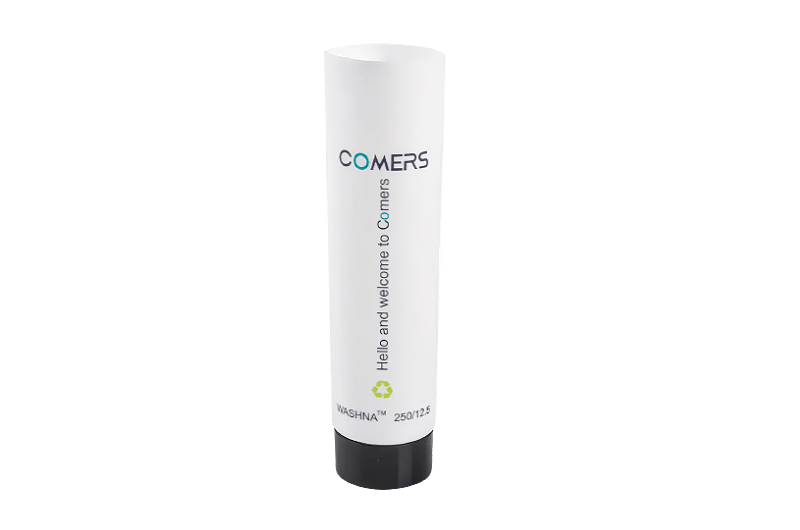
Washna® toothpaste films
+ Suitable for products in paste form
+ High stiffness and good mechanical properties
+ APR approval, Blow-molded in a single blow-molding
+ EVOH≤5%, in line with CEFLEX
+ white/transparent/ultra-white variants (customizable whiteness)
+ Precise thickness control (175−350μm±3%)
+ Excellent puncture resistance
+ Speckle-free surfaces (GB/T 28117 compliant)
+ Reduces environmental impact -
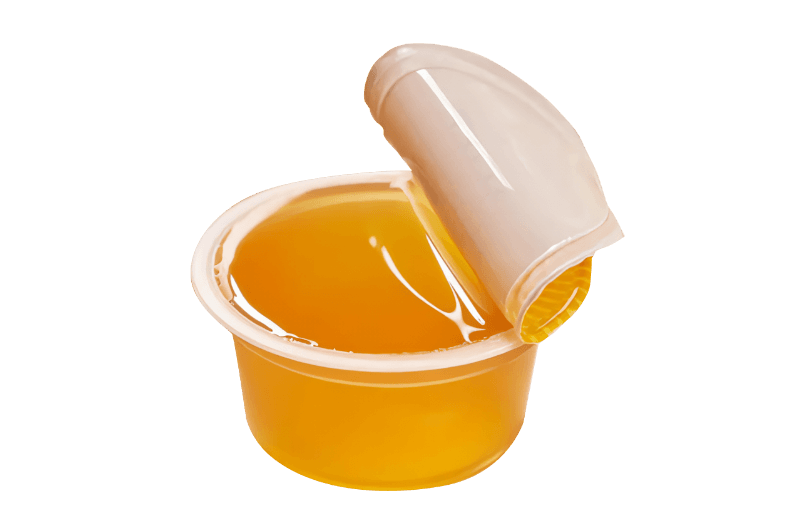
Washna® Laminate films
+ Operates with high-volume film
+ ultimate cost control
+ Good level of crystal point and black point control
+ Customizable with thickness and EVOH ratio
+ Easy-open End (EOE) functionality
+ Preserves freshness and extends shelf life
+ Odor-neutral composition
-
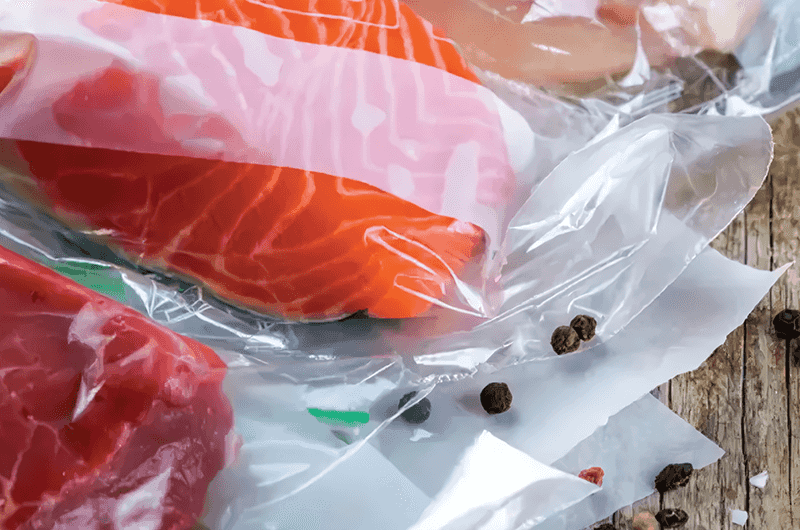
Agometa ® Frozen Vacuum Packaging Bags/Films
+ Excellent transparency
+ Good barrier against water vapor and oxygen
+ Heat sealing performance
+ Adds ultra-high barrier properties
+ high-end food market
+ stable performance, flexible and versatile
+ Good puncture resistance
Jiangsu Comers Neo Materials Co., Ltd.
No.161 Cailing Road, Linhu Town, Wuzhong District, Suzhou City, Jiangsu Province, China.
+86-0512-66558319
E-mail: [email protected]
