

 English
 中文简体
中文简体Replacing Aluminum Foil with High-Barrier Liners | Verification Guide
Content
- 1 Start With the “Why”: What the Foil Was Doing in Your Pack
- 2 Barrier Verification: What to Test (and What Test Results Actually Mean)
- 3 Sealing and Line Fit: Validate the Process Window, Not Just the Film
- 4 Mechanical Robustness: Puncture, Drop, and Handling Damage Often Decide Success
- 5 Food-Contact and Migration: Documentation Must Match Your Market and Product
- 6 If You Handle Powders: Anti-Static and ATEX Risk Must Be Addressed Explicitly
- 7 FFS vs. FIBC: Verify Fit, Geometry, and Handling for Your Packaging System
- 8 A Practical Validation Plan We Use With Customers
- 9 What to Put in Your RFQ When You Want a Credible Foil Replacement
In powder and dry food packaging, aluminum foil laminates are often chosen because they “solve” barrier concerns in a single step. But foil also brings practical issues: fold-cracking risk, pinholes, metal-related processing constraints, and increasing pressure to simplify structures. When customers ask us about replacing aluminum foil with high-barrier liners, my approach is straightforward: we define what the foil was really protecting, then we verify the alternative liner delivers that protection consistently on your line, in your distribution environment, and for your target shelf life.
Start With the “Why”: What the Foil Was Doing in Your Pack
Before selecting any high-barrier liner, I ask customers to translate “foil barrier” into measurable risks. In most dry foods and powders, the real enemies are oxygen ingress (oxidation, rancidity, aroma loss) and moisture ingress (caking, clumping, flow loss, microbial risk in hygroscopic products).
Define acceptance criteria in numbers, not adjectives
- Target shelf life (e.g., 6 months, 9 months, 12 months) and the maximum quality drift you can tolerate.
- Critical quality attributes (CQA): peroxide value increase, aroma loss, color change, flowability, water activity shift, caking percentage.
- Storage/distribution conditions: hot warehouse, humid port, cold chain transitions, altitude/pressure changes, vibration and drop events.
As a manufacturer, we can then recommend a liner construction that targets those numbers. For example, on our product pages we reference high-barrier liner options with low WVTR < 3.0 and OTR < 1.0, and we also note use cases like coffee powder and infant milk powder with an “approximately 6 months” shelf-life objective in suitable conditions. If your current foil pack is delivering 12+ months, your verification plan must reflect that higher bar.
Barrier Verification: What to Test (and What Test Results Actually Mean)
The most common failure I see in foil-to-liner projects is relying on a single “datasheet OTR/WVTR” number and assuming the full package will behave the same way. Barrier is a system: film structure, seals, folds, fitment areas, and even handling damage all affect real-world ingress.
What you should request and verify
- OTR and WVTR reports with clearly stated test conditions (temperature, RH, and method), not just a single line item.
- “As-formed package” validation: measure ingress across the finished liner/bag including seal zones and fitments.
- Aging and flex conditioning: if the pack is folded, compressed, or handled aggressively, barrier can drift over time.
- Lot-to-lot consistency: a strong supplier should show how barrier performance is controlled and monitored during production.
If you are evaluating bulk powder applications, it is also important to decide whether you are replacing foil in an outer laminate, or replacing an internal foil liner with a polymer high-barrier liner. The verification logic differs: outer laminates often fail at seal and fold areas, while liners often fail due to puncture or fit issues during filling and discharge.
| Verification area | What to measure | Common failure mode | What “good” looks like |
|---|---|---|---|
| Barrier | OTR/WVTR (film + finished pack) | Seal/fold zones dominate ingress | Pack-level performance meets shelf-life target |
| Seal integrity | Burst, peel, dye penetration, leak rate | Narrow seal window, contamination sensitivity | Robust seals across realistic line variation |
| Mechanical durability | Puncture, tear, drop, vibration | Handling damage during filling/transport | No leaks after distribution simulation |
| Electrostatic risk | Surface resistivity/charge decay (as applicable) | Dust ignition risk, nuisance clinging | Anti-static level matches hazard assessment |
| Food-contact compliance | Overall/specific migration documentation | Missing test scope or wrong simulants | Documentation aligns to your market requirements |
Sealing and Line Fit: Validate the Process Window, Not Just the Film
Even a strong barrier film fails if sealing is unstable. When switching away from foil, you often gain flexibility—but only if the liner is tuned to your filling speed, seal jaw design, contamination level (powder on the seal area), and your acceptable scrap rate.
What we typically validate during trials
- Seal window mapping: minimum/maximum seal temperature and dwell time that still passes your leak criteria.
- Coefficient of friction (COF) stability: does the liner run consistently through forming collars, guides, and belts?
- Powder contamination tolerance: seals after realistic “dirty” conditions, not ideal lab seals.
- Reel and web handling behavior: edge quality, curl, and tension sensitivity at your target speed.
If you pack on form-fill-seal equipment, the material format matters as much as the barrier. For reference, we supply options described as film on reel, flat, or side-gusseted tubular structures for FFS liner applications. You can see the formats and typical positioning on our Intertram® FFS liners page.
Mechanical Robustness: Puncture, Drop, and Handling Damage Often Decide Success
Aluminum foil can look perfect on a spec sheet yet fail quietly after creasing or rough handling. High-barrier liners can reduce certain crack-related risks, but they must still survive the real abuse of logistics: pallet compression, corner impacts, forklift touches, and abrasion against outer bags.
What to verify beyond “thicker is stronger”
- Puncture resistance at realistic temperatures (cold films can become less forgiving).
- Tear propagation: small nicks should not turn into long tears during handling.
- Drop testing for your pack weight: a 25 kg bag and a 1,000 kg FIBC behave very differently.
- Distribution simulation (vibration + compression): many “mystery leaks” only appear after long transport cycles.
From a supplier standpoint, I recommend you treat thickness as a tuning parameter, not a guarantee. On our liner pages we reference a broad thickness range (for example, 30–160 μm)—use that flexibility to balance durability, machinability, and cost, then confirm performance with handling tests that mirror your route-to-market.
Food-Contact and Migration: Documentation Must Match Your Market and Product
Replacing foil is not only a technical choice—it is also a compliance choice. When you move to a high-barrier polymer liner, you should confirm the supplier’s food-contact controls, traceability, and migration testing coverage for your intended use.
Practical questions I encourage buyers to ask
- Which regulations and test standards are supported (and for which film structures)?
- Do migration reports cover the right simulants and time/temperature conditions for your product category?
- How are contamination risks controlled (raw material controls, clean production environment, foreign matter controls)?
As an example of the type of information a supplier should be prepared to share, our Intertram liner pages reference strict controls around contamination sources (including items like BPA and insoluble particles) and mention availability of an EU migration test report and FCC material-related requirements in context of sensitive food powders. Use this as a benchmark: if your supplier cannot explain their control plan and the scope of their test reports, the project risk increases substantially.
If You Handle Powders: Anti-Static and ATEX Risk Must Be Addressed Explicitly
Many foil replacements are driven by powder applications—coffee, milk powder, nutraceutical blends, or fine ingredients. In these environments, electrostatic behavior is not a minor detail. If your site has a dust hazard assessment (or operates under explosive atmosphere controls), your liner choice must align with that risk profile.
What I recommend verifying for anti-static performance
- Whether anti-static behavior is intended as permanent or temporary (performance expectations and durability differ).
- How performance is measured (surface resistivity, charge decay) and under what humidity range.
- How the film behaves after friction events typical of your line: filling, vibration, bag rubbing, and discharge.
In our own product descriptions for powder liners we reference anti-static film options intended to reduce explosive-atmosphere risk. In practice, you should treat this as a trigger for validation—not a checkbox. Ask for test evidence and run a controlled line trial under your plant’s safety requirements.
FFS vs. FIBC: Verify Fit, Geometry, and Handling for Your Packaging System
“High-barrier liner” can mean very different things depending on whether you are filling retail-scale sacks on FFS equipment or using a liner inside a flexible intermediate bulk container (FIBC). The verification points overlap, but the dominant risks are different.
Typical FFS-dominant risks
- Web tracking, tension sensitivity, and sealing window at speed.
- Seal contamination tolerance from dusty products.
Typical FIBC-dominant risks
- Liner fit to the FIBC geometry, including corners and lifting stress points.
- Puncture/abrasion during insertion, filling, and discharge.
- Handling damage during bulk logistics and repeated movement.
If your project is bulk-focused, you can reference liner positioning and performance goals on our Intertram® FIBC liners page. If you are running FFS lines, the format and line-fit details are on our Intertram® FFS liners page. In either case, your verification plan should reflect the dominant risks of your packaging system—not a generic “film comparison.”
A Practical Validation Plan We Use With Customers
To keep a foil-replacement project on schedule, I recommend a staged validation plan with clear exit criteria at each step. This avoids the common trap of running one “trial roll,” seeing mixed results, and then restarting from scratch.
Suggested stage-gates (simple, but disciplined)
- Spec lock: define pack-level OTR/WVTR targets, seal integrity metrics, and mechanical thresholds based on your shelf-life goal.
- Lab screening: confirm barrier reports, run seal-window mapping, and screen puncture/tear performance at representative temperatures.
- Line trial: validate speed, scrap rate, seal robustness under “dirty” conditions, and operator usability.
- Distribution simulation: drop/vibration/compression tests on filled packs, then leak and barrier checks.
- Shelf-life confirmation: accelerated and/or real-time study tied to your CQAs (rancidity, aroma, flowability, moisture uptake).
- Control plan: agree on incoming QC, traceability, and change-control triggers before full rollout.
The key is discipline: if the liner meets your defined targets at each stage, you can move forward with confidence. If it fails, you will know exactly which variable to adjust—structure, thickness, sealing layer, anti-static requirement, or handling protection—rather than guessing.
What to Put in Your RFQ When You Want a Credible Foil Replacement
If you want suppliers to quote accurately—and to reduce “surprises” during trials—your RFQ should force clarity. The best foil-replacement projects start with the buyer specifying verification requirements, not only dimensions and price.
RFQ content that improves outcomes
- Shelf-life target and the product sensitivity (oxygen, moisture, aroma).
- Pack format and line type (FFS, pre-made bags, FIBC liner insertion), including speed and sealing method.
- Required documentation: migration/compliance reports, traceability expectations, and quality-control approach.
- Handling and logistics profile: drops, vibration exposure, humidity, and storage temperature ranges.
- Hazard requirements for powders (anti-static expectations and any site-specific safety constraints).
When we receive an RFQ framed this way, we can propose a liner that is engineered to replace foil where it matters, then support you with a validation plan that protects your timeline and reduces conversion risk. That is how you turn “foil replacement” from a material swap into a controlled quality upgrade.
-
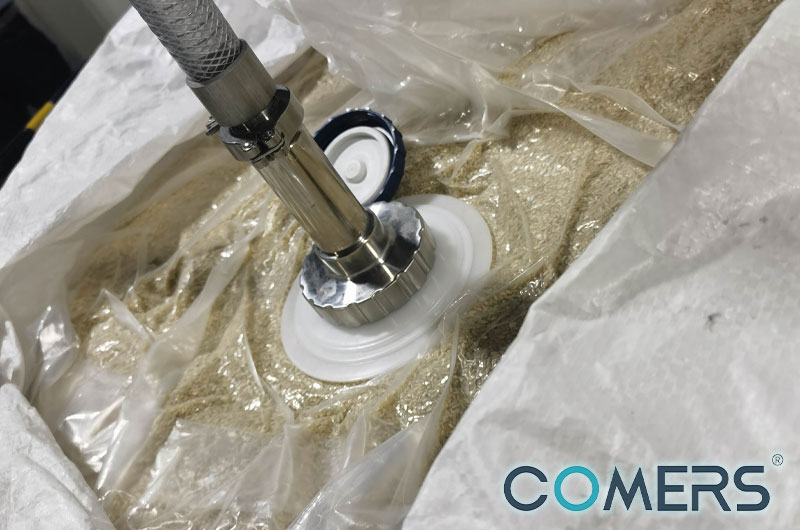
Intertram®FIBC Liners
+ Permanent anti-static / temporary anti-static
+ High barrier performance
+ Single material
+ Prevent from moisture, oxygen(low WVTR<3.0,OTR<1.0)
+ Various film types and thicknesses (Length:1M1-2M2 Thinkness:30-160um)
+ For milk powder/ coffee powder
+ Effective barrier and product protection
+ Strict quality control and safety standards
+ Highly customizable solutions
+ Durable and puncture-resistant
-
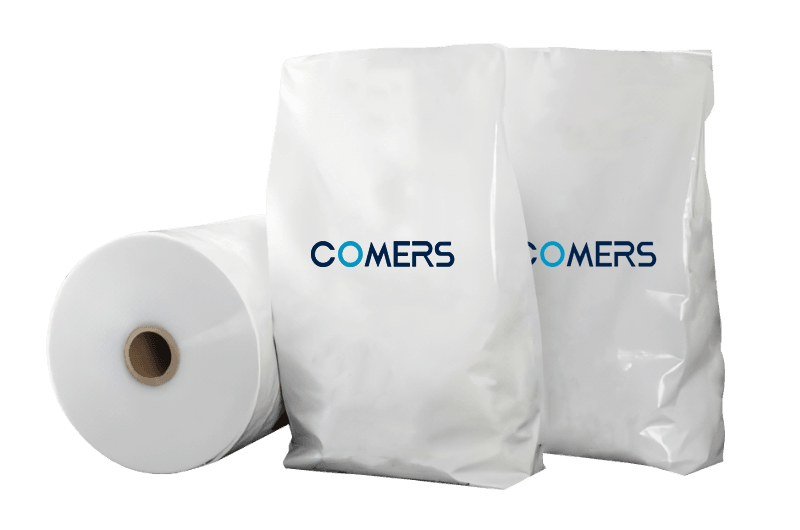
Intertram®FFS Liners
+ high barrier performance
+ prevent from moisture, oxygen(low WVTR<3.0,OTR<1.0)
+ various film types and thicknesses (Length:1M1-2M2 Thinkness:30-160um)
+ can replace Al material
+ High standard in food safety
+ Anti-static film (ATEX prevention)
+ Strict control over contaminants (BPA, Sakazaki-bacillus, etc.)
+ Tailored to customer needs
+ Enhanced product shelf life (approx. 6 months)
-

Washna ® Easy-peel films
+ prevent from moisture, oxygen(low WVTR<3.0,OTR<1.0)
+ various film types and thicknesses (Thickness:45 - 90um)
+ Clean & Safe Delamination
+ smooth sealing layer without wire drawing
+ Optimal Peel Performance
+ Good control level of black dot crystal point, in line with GB/T28117
+ Food contact safety
+ High durability
+ Superior barrier properties
+ Child-friendly opening
+ Clean, residue-free peel -
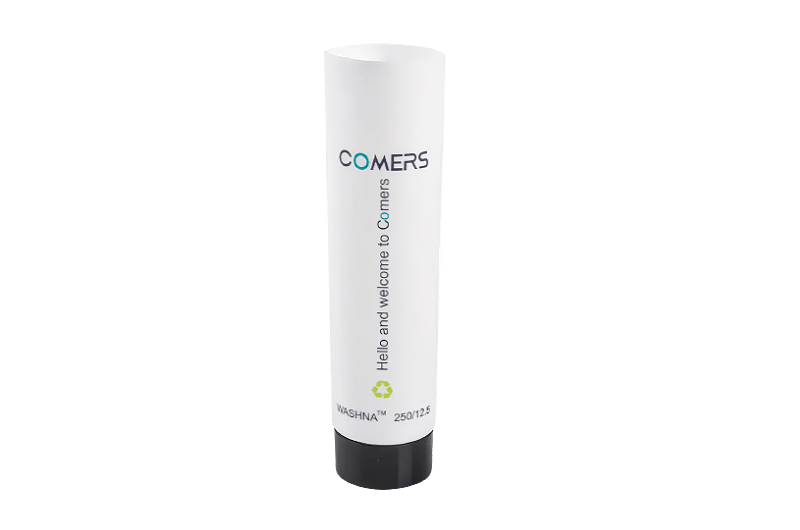
Washna® toothpaste films
+ Suitable for products in paste form
+ High stiffness and good mechanical properties
+ APR approval, Blow-molded in a single blow-molding
+ EVOH≤5%, in line with CEFLEX
+ white/transparent/ultra-white variants (customizable whiteness)
+ Precise thickness control (175−350μm±3%)
+ Excellent puncture resistance
+ Speckle-free surfaces (GB/T 28117 compliant)
+ Reduces environmental impact -
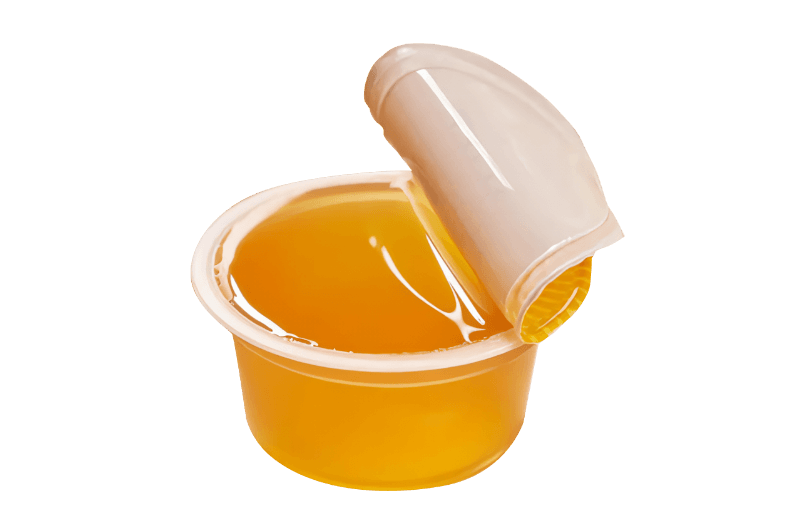
Washna® Laminate films
+ Operates with high-volume film
+ ultimate cost control
+ Good level of crystal point and black point control
+ Customizable with thickness and EVOH ratio
+ Easy-open End (EOE) functionality
+ Preserves freshness and extends shelf life
+ Odor-neutral composition
-
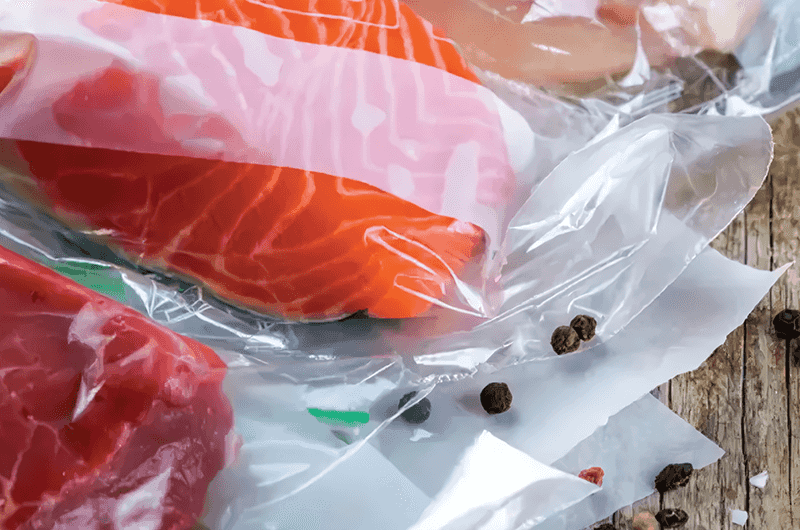
Agometa ® Frozen Vacuum Packaging Bags/Films
+ Excellent transparency
+ Good barrier against water vapor and oxygen
+ Heat sealing performance
+ Adds ultra-high barrier properties
+ high-end food market
+ stable performance, flexible and versatile
+ Good puncture resistance
Jiangsu Comers Neo Materials Co., Ltd.
No.161 Cailing Road, Linhu Town, Wuzhong District, Suzhou City, Jiangsu Province, China.
+86-0512-66558319
E-mail: [email protected]
