

 English
 中文简体
中文简体Choosing High-Barrier Lidding Films for Moisture & Oxygen Protection
Content
- 1 Understanding Barrier Properties in Lidding Films
- 2 Material Composition and Barrier Performance
- 3 Matching Barrier Requirements to Product Sensitivity
- 4 Evaluating Sealability and Container Compatibility
- 5 Environmental Factors Affecting Barrier Performance
- 6 Cost-Performance Balance in Film Selection
- 7 Testing and Validation Protocols
- 8 Sustainability Considerations in Barrier Film Selection
- 9 Regulatory Compliance and Food Contact Safety
Understanding Barrier Properties in Lidding Films
High-barrier lidding films are essential for protecting sensitive products from moisture and oxygen infiltration. The right lidding film can extend shelf life by 200-500% compared to standard packaging materials, making the selection process critical for food, pharmaceutical, and medical device manufacturers. These films act as protective barriers that prevent external contaminants from compromising product integrity while maintaining internal atmospheres.
Barrier performance is measured through two key metrics: Oxygen Transmission Rate (OTR) and Water Vapor Transmission Rate (WVTR). OTR indicates how much oxygen permeates through the film, typically measured in cc/m²/24hrs, while WVTR measures moisture permeation in g/m²/24hrs. Products requiring extended shelf life demand films with OTR values below 1 cc/m²/24hrs and WVTR values under 1 g/m²/24hrs.
Material Composition and Barrier Performance
The barrier effectiveness of lidding films depends heavily on their material composition and layer structure. Multi-layer films typically outperform single-layer alternatives because each layer serves a specific protective function.
Common Barrier Materials
- Aluminum foil (AL): Provides absolute barrier protection with OTR near 0 cc/m²/24hrs, ideal for oxygen-sensitive products like coffee and pharmaceuticals
- Ethylene Vinyl Alcohol (EVOH): Delivers excellent oxygen barrier with OTR of 0.05-0.5 cc/m²/24hrs, commonly used in modified atmosphere packaging
- Polyvinylidene Chloride (PVDC): Offers balanced moisture and oxygen protection with OTR around 1-3 cc/m²/24hrs
- Metalized films (MetPET, MetOPP): Provide moderate barrier properties with OTR of 1-5 cc/m²/24hrs at lower costs than foil
- Silicon Oxide (SiOx) coatings: Create transparent barriers with OTR of 0.5-2 cc/m²/24hrs, suitable for products requiring visibility
| Material Type | OTR (cc/m²/24hrs) | WVTR (g/m²/24hrs) | Best Application |
|---|---|---|---|
| Aluminum Foil | ~0 | ~0 | Pharmaceuticals, Coffee |
| EVOH | 0.05-0.5 | 5-15 | Fresh Meats, MAP Foods |
| PVDC | 1-3 | 1-3 | Cheese, Processed Foods |
| Metalized PET | 1-5 | 0.5-2 | Snacks, Dry Foods |
| SiOx Coating | 0.5-2 | 1-5 | Fresh Produce, Salads |
Matching Barrier Requirements to Product Sensitivity
Different products have varying sensitivities to moisture and oxygen exposure. Selecting the appropriate barrier level prevents over-packaging costs while ensuring adequate protection.
Oxygen-Sensitive Products
Products that oxidize rapidly require ultra-high oxygen barriers. Coffee loses 30% of its flavor compounds within 2 weeks when exposed to oxygen levels above 2%, necessitating aluminum foil lidding or EVOH structures with OTR below 0.1 cc/m²/24hrs. Similarly, processed meats develop rancidity when oxygen penetrates packaging, reducing shelf life from 90 days to just 14 days with inadequate barriers.
Modified Atmosphere Packaging (MAP) applications demand films that maintain specific gas compositions. For example, fresh red meat packaged in 80% oxygen requires lidding films with OTR below 0.5 cc/m²/24hrs to maintain color stability for 7-10 days.
Moisture-Sensitive Products
Hygroscopic products like crackers, powders, and pharmaceuticals deteriorate when moisture content increases. Pharmaceutical tablets can lose efficacy when moisture content rises above 5%, requiring WVTR values below 0.5 g/m²/24hrs. Dry snacks lose crispness at moisture levels above 3%, which can occur within 30 days using standard films with WVTR of 10 g/m²/24hrs.
- Crackers and chips: WVTR < 2 g/m²/24hrs for 6-month shelf life
- Powdered supplements: WVTR < 1 g/m²/24hrs for 18-month shelf life
- Desiccant-sensitive electronics: WVTR < 0.1 g/m²/24hrs for 3-year shelf life
Evaluating Sealability and Container Compatibility
Barrier performance means nothing if the seal between lidding film and container fails. Seal integrity accounts for 60-70% of total package barrier performance, making material compatibility and sealing parameters crucial.
Seal Layer Selection
The sealant layer must chemically bond with the container flange material. Common combinations include:
- Polyethylene (PE) or Polypropylene (PP) sealants for plastic cups and trays
- Heat-seal coatings for paperboard containers
- Adhesive layers for aluminum or glass containers
Seal strength should reach 1.5-3.0 N/15mm for reliable performance across typical distribution and storage conditions. Testing at temperature extremes (0-40°C) ensures seals won't fail during transportation or storage.
Peelability Requirements
Consumer convenience demands easy-open features without compromising barrier integrity. Peelable seals typically require initiation forces of 0.8-1.5 N/15mm and peel forces of 1.0-2.5 N/15mm. Products like yogurt and fresh produce benefit from clean-peel lidding that removes without tearing or leaving residue.
Environmental Factors Affecting Barrier Performance
Storage conditions significantly impact how barrier films perform over time. Temperature, humidity, and mechanical stress can degrade barrier properties and accelerate product deterioration.
Temperature Effects
Barrier properties typically degrade by 15-25% for every 10°C temperature increase. EVOH films, while excellent oxygen barriers at room temperature, can lose effectiveness in high-humidity environments because moisture plasticizes the polymer structure. For products subjected to temperature fluctuations during distribution, consider films with stable performance across temperature ranges or include additional barrier layers.
Humidity Considerations
Relative humidity affects both film performance and seal integrity. At 80% RH, EVOH oxygen barrier performance can decrease by 50-100% compared to dry conditions. For products stored in tropical climates or refrigerated environments prone to condensation, aluminum foil or PVDC-based films provide more consistent protection than humidity-sensitive materials.
Cost-Performance Balance in Film Selection
While aluminum foil provides superior barrier properties, it costs 3-5 times more than metalized films and 8-12 times more than standard plastic laminates. The selection process requires balancing material costs against shelf life requirements and product value.
| Product Category | Target Shelf Life | Recommended Barrier | Relative Cost |
|---|---|---|---|
| Fresh Dairy | 14-21 days | Medium (PVDC) | 1.5-2.0x |
| Processed Meats | 60-90 days | High (EVOH) | 2.5-3.5x |
| Coffee | 12-18 months | Ultra-High (Al Foil) | 4.0-5.0x |
| Dry Snacks | 6-9 months | Medium (MetPET) | 1.2-1.8x |
| Pharmaceuticals | 24-36 months | Ultra-High (Al Foil) | 4.0-6.0x |
For low-value products with short shelf life requirements (under 30 days), standard plastic films may suffice. However, for products where spoilage creates significant waste costs, investing in higher-barrier films typically reduces total supply chain costs by 20-40% through reduced returns, extended distribution reach, and decreased inventory turnover requirements.
Testing and Validation Protocols
Before committing to a lidding film specification, conducting thorough testing prevents costly market failures. Accelerated shelf life testing under controlled conditions provides data to predict real-world performance.
Essential Test Methods
- Barrier property testing: Measure OTR per ASTM D3985 and WVTR per ASTM F1249 under intended storage conditions
- Seal strength testing: Evaluate peel strength per ASTM F88 at multiple time points and temperature conditions
- Package integrity testing: Conduct dye penetration or vacuum decay tests per ASTM D3078 to identify microleaks
- Accelerated aging: Store samples at elevated temperatures (typically 37-40°C) to simulate 6-12 months of shelf life in 4-8 weeks
- Distribution simulation: Subject packages to vibration, compression, and drop tests per ISTA protocols
Real-time shelf life studies at intended storage temperatures remain essential for final validation, as accelerated testing can't predict all failure modes, particularly those related to seal creep or chemical interactions between product and packaging.
Sustainability Considerations in Barrier Film Selection
Environmental concerns increasingly influence packaging decisions, but sustainability must be balanced against product protection. Food waste from inadequate packaging generates 3-4 times more environmental impact than the packaging itself, making barrier performance a sustainability priority.
Recyclable and Mono-Material Options
Mono-material films composed entirely of polyethylene or polypropylene offer improved recyclability but typically provide lower barrier performance than multi-material laminates. Recent innovations include:
- High-barrier PE films with EVOH integration achieving OTR of 1-3 cc/m²/24hrs while maintaining recyclability
- Coated PP films with aluminum oxide or SiOx providing moderate barriers (OTR 3-8 cc/m²/24hrs) in recyclable structures
- Paper-based lidding with water-based barrier coatings for applications requiring OTR of 10-20 cc/m²/24hrs
When barrier requirements exceed what recyclable materials can deliver, prioritizing product protection remains the more sustainable choice, as reducing food waste by 10% through better packaging creates greater environmental benefit than packaging recyclability alone.
Regulatory Compliance and Food Contact Safety
Lidding films for food and pharmaceutical applications must comply with regional regulations governing food contact materials. In the United States, materials must meet FDA 21 CFR 177 requirements, while European markets require compliance with EU Regulation 10/2011 and Framework Regulation 1935/2004.
Key compliance considerations include:
- Migration testing to ensure substances don't transfer to food above acceptable limits
- Declaration of compliance and supporting documentation from film suppliers
- Verification that printing inks and adhesives meet food contact requirements
- Ensuring materials are suitable for intended use conditions (temperature, contact duration, food type)
For pharmaceutical packaging, additional requirements include USP Class VI testing for biological safety and compliance with pharmacopeial standards for moisture and oxygen protection.
-
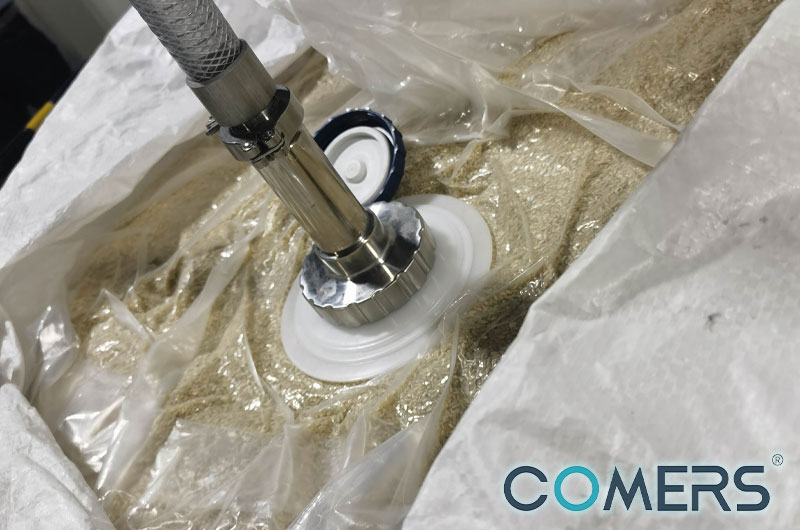
Intertram®FIBC Liners
+ Permanent anti-static / temporary anti-static
+ High barrier performance
+ Single material
+ Prevent from moisture, oxygen(low WVTR<3.0,OTR<1.0)
+ Various film types and thicknesses (Length:1M1-2M2 Thinkness:30-160um)
+ For milk powder/ coffee powder
+ Effective barrier and product protection
+ Strict quality control and safety standards
+ Highly customizable solutions
+ Durable and puncture-resistant
-
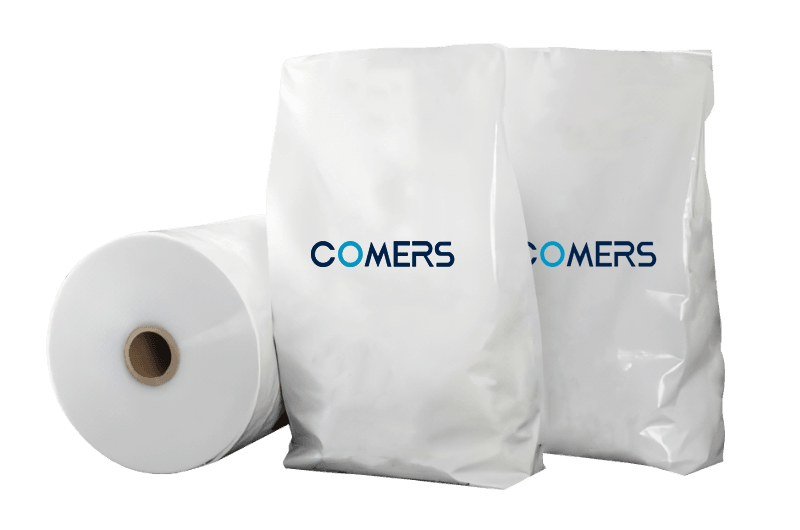
Intertram®FFS Liners
+ high barrier performance
+ prevent from moisture, oxygen(low WVTR<3.0,OTR<1.0)
+ various film types and thicknesses (Length:1M1-2M2 Thinkness:30-160um)
+ can replace Al material
+ High standard in food safety
+ Anti-static film (ATEX prevention)
+ Strict control over contaminants (BPA, Sakazaki-bacillus, etc.)
+ Tailored to customer needs
+ Enhanced product shelf life (approx. 6 months)
-
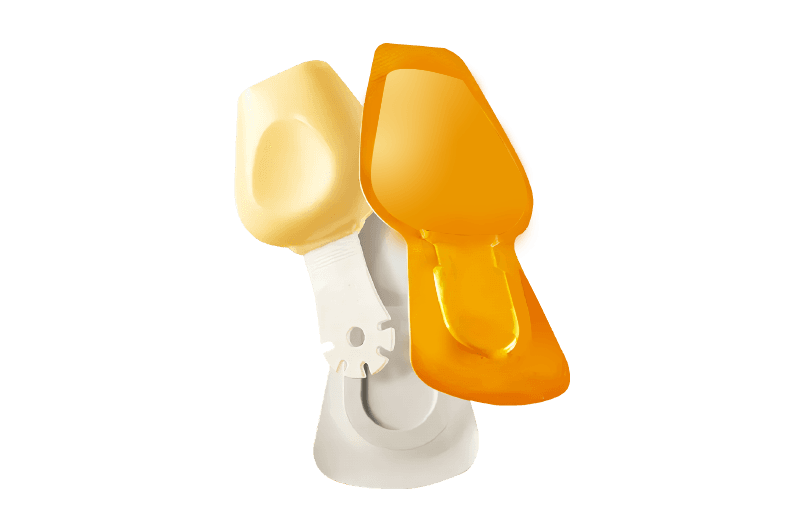
Washna ® Easy-peel films
+ prevent from moisture, oxygen(low WVTR<3.0,OTR<1.0)
+ various film types and thicknesses (Thickness:45 - 90um)
+ Clean & Safe Delamination
+ smooth sealing layer without wire drawing
+ Optimal Peel Performance
+ Good control level of black dot crystal point, in line with GB/T28117
+ Food contact safety
+ High durability
+ Superior barrier properties
+ Child-friendly opening
+ Clean, residue-free peel -
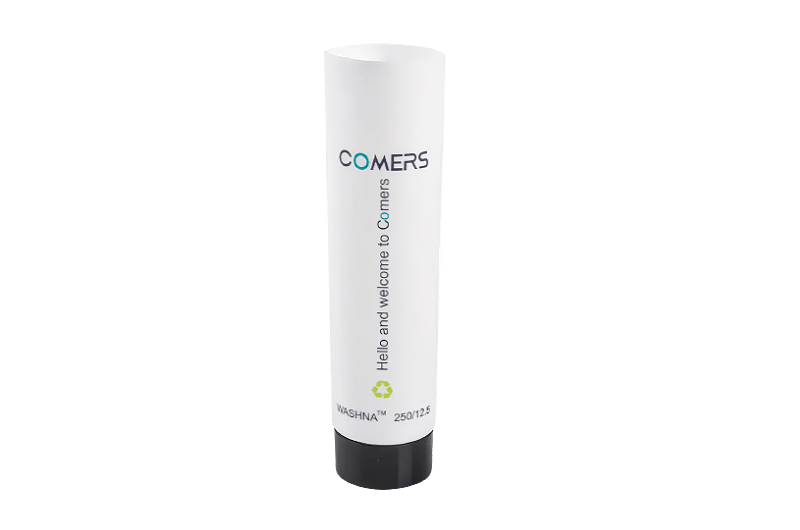
Washna® toothpaste films
+ Suitable for products in paste form
+ High stiffness and good mechanical properties
+ APR approval, Blow-molded in a single blow-molding
+ EVOH≤5%, in line with CEFLEX
+ white/transparent/ultra-white variants (customizable whiteness)
+ Precise thickness control (175−350μm±3%)
+ Excellent puncture resistance
+ Speckle-free surfaces (GB/T 28117 compliant)
+ Reduces environmental impact -
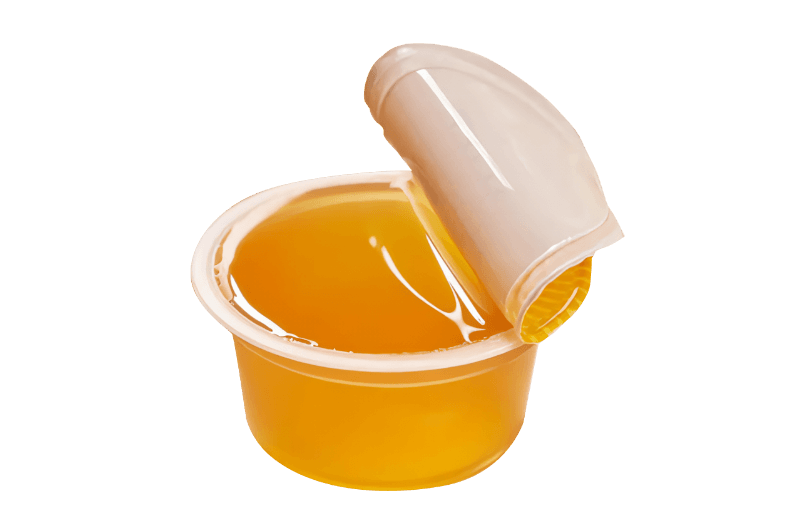
Washna® Laminate films
+ Operates with high-volume film
+ ultimate cost control
+ Good level of crystal point and black point control
+ Customizable with thickness and EVOH ratio
+ Easy-open End (EOE) functionality
+ Preserves freshness and extends shelf life
+ Odor-neutral composition
-
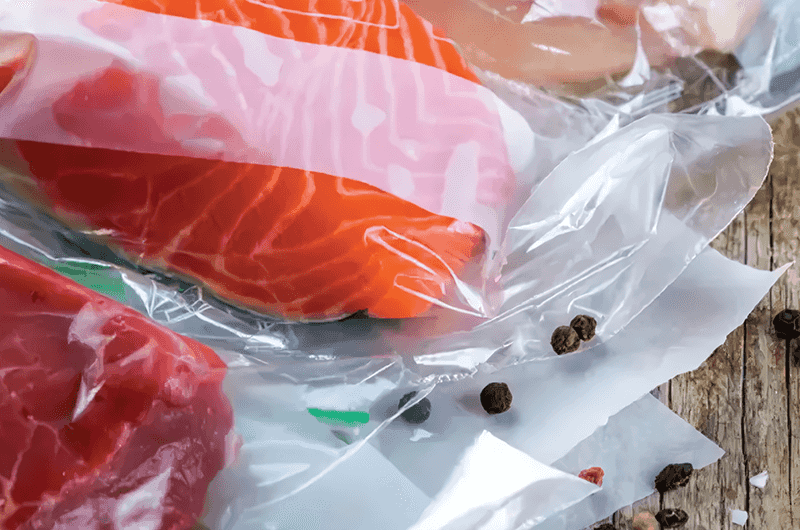
Agometa ® Frozen Vacuum Packaging Bags/Films
+ Excellent transparency
+ Good barrier against water vapor and oxygen
+ Heat sealing performance
+ Adds ultra-high barrier properties
+ high-end food market
+ stable performance, flexible and versatile
+ Good puncture resistance
Jiangsu Comers Neo Materials Co., Ltd.
No.161 Cailing Road, Linhu Town, Wuzhong District, Suzhou City, Jiangsu Province, China.
+86-0512-66558319
E-mail: [email protected]
