

 English
 中文简体
中文简体Oxygen Barrier Liner: How to Choose, Specify, and Validate
Content
- 1 What an oxygen barrier liner does in a package system
- 2 How to specify oxygen barrier performance (OTR) without ambiguity
- 3 Common oxygen barrier liner constructions and when each wins
- 4 Designing for seal integrity: the liner matters only if the seal holds
- 5 Testing and validation plan that catches real-world failures
- 6 Selection checklist: how to choose the right oxygen barrier liner quickly
- 7 Troubleshooting: why “high barrier” liners still fail in production
- 8 Cost, sustainability, and regulatory considerations
An oxygen barrier liner is the most direct way to slow oxygen ingress through a closure or seal area, which can materially extend shelf life for oxidation-sensitive products (foods, nutraceuticals, cosmetics, specialty chemicals). If your product browns, goes rancid, loses potency, or develops off-odors in storage, specify a barrier liner by measurable oxygen transmission performance (OTR), verify seal integrity on your exact package, and validate with real-time or accelerated shelf-life testing.
What an oxygen barrier liner does in a package system
In most packages, oxygen enters through multiple pathways: the container wall, the closure system (cap and liner), and any seal interface (land area, induction seal, pressure-sensitive liner, or plug). An oxygen barrier liner targets the closure pathway by adding a low-permeability layer (or an active scavenger) where oxygen often leaks fastest: across the sealing interface and through the liner structure itself.
For practical decision-making, use this rule: if your container body is already high barrier (glass, metal, multilayer barrier plastic), the closure/liner frequently becomes the limiting factor. Conversely, if you use a high-permeability bottle (e.g., standard HDPE) for a long shelf-life product, a barrier liner helps but may not compensate for the container wall.
Typical use-cases where the liner is the bottleneck
- Powders and tablets packed in HDPE or PET bottles that lose potency or discolor over time
- Oils, flavorings, and roasted products where oxidative rancidity drives complaints
- Cosmetics and actives that yellow or develop odor after repeated opening/closing
- Pouches or tubs where seal-land flatness and closure compression vary by production lot
Key takeaway: a barrier liner improves oxygen control only if it seals consistently on your finish and maintains that seal across temperature, torque, and distribution stresses.
How to specify oxygen barrier performance (OTR) without ambiguity
Barrier specifications fail most often because they are stated as “high barrier” without test conditions. Oxygen transmission is highly sensitive to temperature and humidity, and even the same material can look “excellent” under dry conditions and “average” under humid conditions.
Write your requirement as a complete statement
- Metric: OTR in cc/m²·day (or cc/package·day if you test the whole package)
- Conditions: temperature and relative humidity (e.g., 23°C, dry; or 38°C, 90% RH)
- Method: film test (e.g., coulometric sensor methods) versus package-level ingress test
- Sample build: liner thickness and full construction (not just “EVOH liner”)
Concrete example specs you can copy and adapt
- “Liner construction shall achieve OTR ≤ 0.5 cc/m²·day at 23°C under dry conditions when tested as a flat specimen.”
- “Finished package oxygen ingress shall be ≤ 0.02 cc/package·day at 23°C / 50% RH through end of shelf life, measured on filled, capped bottles.”
- “Barrier performance must be reported at both dry and humid conditions because product storage includes non-controlled RH.”
If you do not yet know your numeric target, derive it from oxygen sensitivity and headspace. For example, if your product tolerates only 2 cc of oxygen pickup over 12 months, your average allowable ingress is roughly 2 cc ÷ 365 ≈ 0.0055 cc/day per package. That gives you an engineering starting point for package-level testing, then you work backward to the closure/liner contribution.
Common oxygen barrier liner constructions and when each wins
Barrier liners are usually multilayer structures. A typical build includes: a seal-contact layer (compatible with the container finish), a barrier layer (low OTR), and structural/support layers (compressibility, recovery, cut resistance). Below is a practical comparison of widely used approaches.
| Liner approach | Barrier strength (typical) | Moisture sensitivity | Best fit | Watch-outs |
|---|---|---|---|---|
| EVOH-based multilayer liner | Very high under dry; can remain strong in structured laminates | Moderate to high | Oxidation-sensitive products needing strong passive barrier | Performance can drop at high RH without protective layers |
| PVDC-coated film liner | High barrier across a wider humidity range | Lower than EVOH | Where both OTR and moisture barrier matter | Sustainability and end-of-life constraints can be stricter |
| Foil-based liner (aluminum) | Near “zero” permeation when intact | Low | Maximum barrier requirements, long shelf life | Pinholes, flex cracking, and induction compatibility must be controlled |
| Metallized / oxide-coated films (AlOx/SiOx) | High to very high depending on coating integrity | Low to moderate | When you need barrier with thinner structures | Coating damage from forming or torque can dominate failures |
| Oxygen scavenging liner (active) | Reduces oxygen by reaction, not only diffusion resistance | Depends on chemistry | When headspace oxygen must be pulled down quickly | Capacity limits and activation conditions must match shelf life |
A realistic “numbers” mindset
Expect supplier data to be reported under standardized conditions and units (e.g., cc/m²·day). For example, published EVOH film performance examples can reach sub-1 cc/m²·day under certain conditions, while common base polymers like PET and polyolefins can be orders of magnitude higher. Use these as directional benchmarks, but always validate the exact liner build you will buy and process.
Designing for seal integrity: the liner matters only if the seal holds
Many “barrier failures” are actually seal failures. Oxygen prefers the easiest path; a microscopic leak around the land can overwhelm an excellent barrier layer. Treat liner selection as a mechanical system problem, not just a material science problem.
Critical interface variables to control
- Finish geometry: land width, flatness, flash, and ovality directly change compression and leak risk
- Compression set and recovery: liners must maintain sealing force after thermal cycling and storage
- Application torque: under-torque leaks; over-torque can cold-flow liners or damage coatings
- Product contact compatibility: oils, solvents, or flavors can swell some seal layers and degrade performance
- Open/close behavior: repeated consumer use can relax the seal or contaminate the land
Induction sealing versus reclose liners
If you can use induction sealing, you often get the largest oxygen-control improvement per dollar because you create a continuous membrane seal. In that design, the oxygen barrier “liner” is frequently integrated into the induction seal structure. If you rely only on a reclose liner, emphasize compression stability and finish consistency, and consider combining with an oxygen scavenger for added robustness.
Testing and validation plan that catches real-world failures
A credible validation plan has two layers: (1) material/liner barrier measurements, and (2) finished-package oxygen ingress measurements. You need both because a low-OTR liner can still fail at the seal, and a great seal can still be limited by the liner’s permeability under humidity.
What to measure and why
| Test layer | Measurement | What it detects | Practical acceptance idea |
|---|---|---|---|
| Liner specimen | OTR under dry and humid conditions | Material barrier, humidity sensitivity, lot drift | OTR target + report conditions + thickness |
| Finished package | Oxygen ingress (cc/package·day) over time | Seal leaks, torque effects, real geometry impacts | Ingress budget derived from shelf-life needs |
| Production robustness | Thermal cycling + vibration + drop tests, then re-test ingress | Cracking, liner creep, relaxation after distribution | No step-change in ingress after conditioning |
| Consumer use | Open/close cycles + contamination challenge | Land contamination, torque loss, real usage degradation | Ingress remains within budget at end-of-use |
Practical tip: test at the humidity and temperature your product actually sees in storage and distribution. “Dry” OTR results can be useful for screening, but humid performance is often closer to reality for many supply chains.
Selection checklist: how to choose the right oxygen barrier liner quickly
Use this checklist to reduce the number of liner candidates before you run costly package testing.
Product and shelf-life inputs
- Target shelf life and distribution climate (include hot/humid scenarios)
- Oxygen sensitivity: define the maximum acceptable oxygen pickup or oxidation marker shift
- Headspace strategy: nitrogen flush, vacuum, or air pack (this changes ingress tolerance)
Package and process constraints
- Container material and finish quality (glass, PET, HDPE, multilayer barrier)
- Closure type and torque capability; evaluate torque retention after thermal cycling
- Sealing method: reclose liner vs induction seal vs plug/stopper designs
- Filling conditions (hot-fill, retort, pasteurization): ensure liner materials tolerate temperature and time
Supplier data you should insist on receiving
- OTR with stated test conditions and thickness (dry and humid if relevant)
- Compression set / recovery data and recommended torque window
- Chemical compatibility guidance for oils, flavors, solvents, and surfactants
- Change-control commitments (resin substitutions, coating changes, or layer-gauge changes)
Decision shortcut: if humidity is high or variable, prioritize constructions that maintain barrier under humid conditions (or protect the barrier layer with moisture-resistant layers), then validate with package-level ingress tests.
Troubleshooting: why “high barrier” liners still fail in production
When a barrier liner underperforms, the root cause is usually one of the following. Use these as structured hypotheses before changing materials.
Most common failure modes and fixes
- Microleaks at the land: tighten finish tolerances, adjust torque, confirm liner compressibility and recovery, and re-check capping head settings
- Barrier layer damage: reduce forming stress, avoid sharp edges, and evaluate foil/coating crack resistance after vibration and drop testing
- Humidity-driven barrier loss: move to a structure that protects the barrier layer or measure performance under realistic RH to avoid “false confidence” from dry tests
- Chemical attack: confirm seal-contact layer compatibility; some formulations plasticize or swell under oils/solvents
- Lot-to-lot drift: require incoming QC on thickness and OTR, and implement supplier change-control
Cost, sustainability, and regulatory considerations
Barrier liners sit at the intersection of performance and end-of-life constraints. Higher barrier layers can complicate recycling streams, and some coatings/materials require more stringent compliance documentation depending on your market and product category.
How to make tradeoffs without losing shelf life
- Start by quantifying your oxygen budget (cc/package over shelf life). Numbers prevent over-engineering.
- If you need extreme barrier, consider using induction seals to reduce reliance on thick, complex reclose liners.
- If sustainability constraints restrict certain materials, evaluate a combination of improved seal integrity + moderate barrier + scavenging rather than a single “maximum barrier” material choice.
- Maintain documentation: composition disclosures, food-contact or cosmetic-contact statements, and change-control notices appropriate to your industry.
Bottom line: the best oxygen barrier liner is the one that meets a defined oxygen ingress budget on your actual package, stays sealed through distribution, and is supported by supplier data and change control.
-
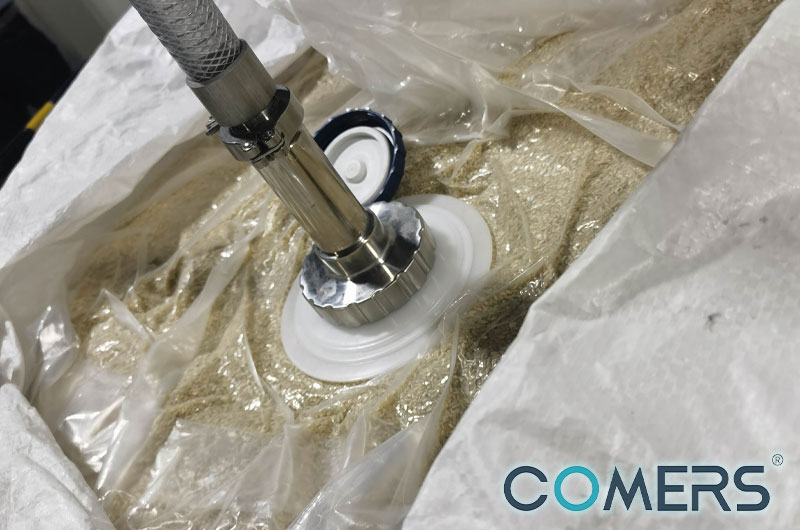
Intertram®FIBC Liners
+ Permanent anti-static / temporary anti-static
+ High barrier performance
+ Single material
+ Prevent from moisture, oxygen(low WVTR<3.0,OTR<1.0)
+ Various film types and thicknesses (Length:1M1-2M2 Thinkness:30-160um)
+ For milk powder/ coffee powder
+ Effective barrier and product protection
+ Strict quality control and safety standards
+ Highly customizable solutions
+ Durable and puncture-resistant
-
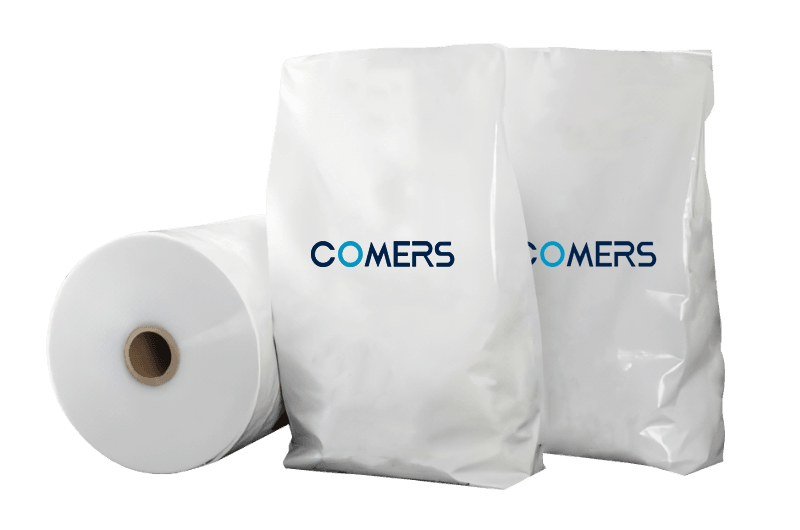
Intertram®FFS Liners
+ high barrier performance
+ prevent from moisture, oxygen(low WVTR<3.0,OTR<1.0)
+ various film types and thicknesses (Length:1M1-2M2 Thinkness:30-160um)
+ can replace Al material
+ High standard in food safety
+ Anti-static film (ATEX prevention)
+ Strict control over contaminants (BPA, Sakazaki-bacillus, etc.)
+ Tailored to customer needs
+ Enhanced product shelf life (approx. 6 months)
-
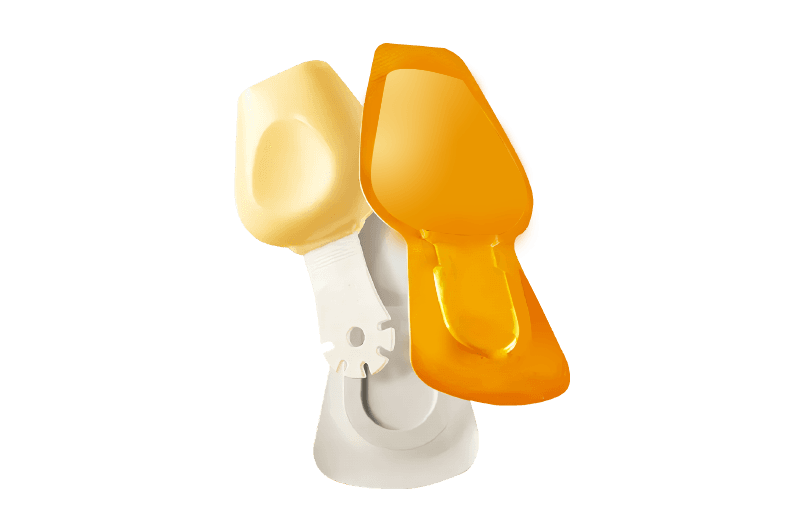
Washna ® Easy-peel films
+ prevent from moisture, oxygen(low WVTR<3.0,OTR<1.0)
+ various film types and thicknesses (Thickness:45 - 90um)
+ Clean & Safe Delamination
+ smooth sealing layer without wire drawing
+ Optimal Peel Performance
+ Good control level of black dot crystal point, in line with GB/T28117
+ Food contact safety
+ High durability
+ Superior barrier properties
+ Child-friendly opening
+ Clean, residue-free peel -
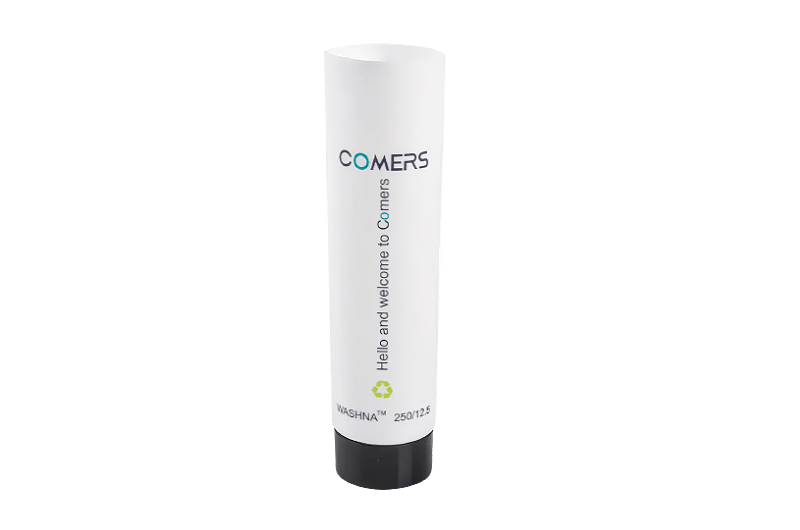
Washna® toothpaste films
+ Suitable for products in paste form
+ High stiffness and good mechanical properties
+ APR approval, Blow-molded in a single blow-molding
+ EVOH≤5%, in line with CEFLEX
+ white/transparent/ultra-white variants (customizable whiteness)
+ Precise thickness control (175−350μm±3%)
+ Excellent puncture resistance
+ Speckle-free surfaces (GB/T 28117 compliant)
+ Reduces environmental impact -
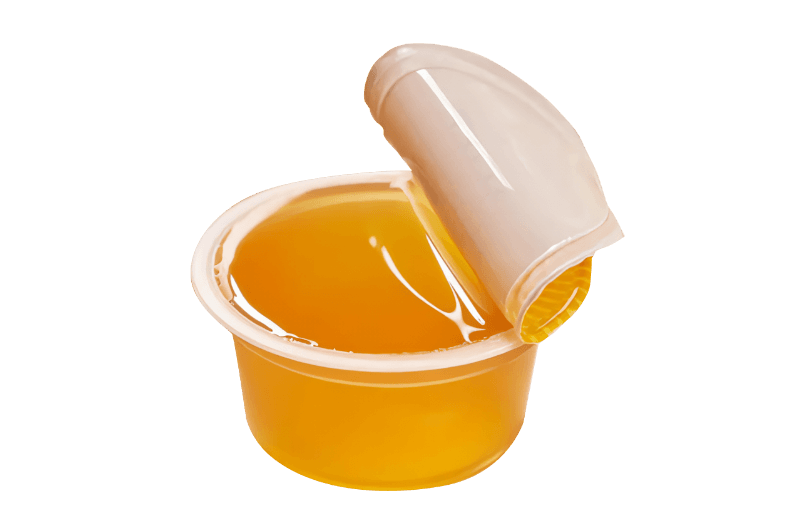
Washna® Laminate films
+ Operates with high-volume film
+ ultimate cost control
+ Good level of crystal point and black point control
+ Customizable with thickness and EVOH ratio
+ Easy-open End (EOE) functionality
+ Preserves freshness and extends shelf life
+ Odor-neutral composition
-
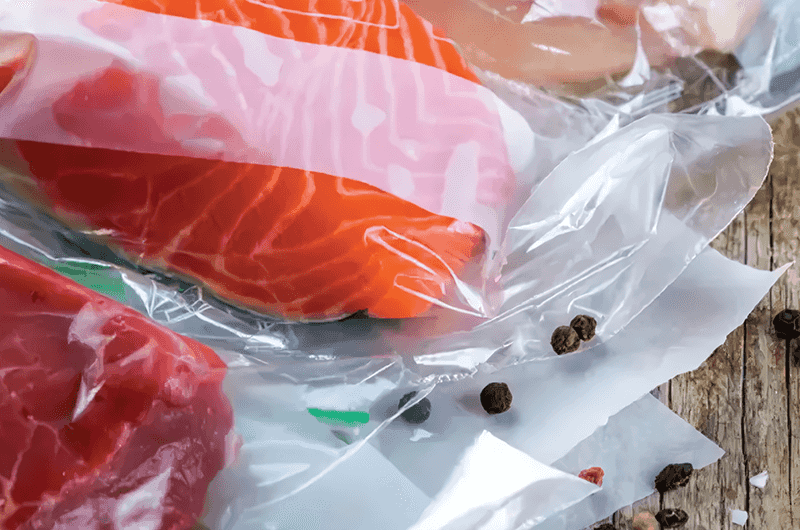
Agometa ® Frozen Vacuum Packaging Bags/Films
+ Excellent transparency
+ Good barrier against water vapor and oxygen
+ Heat sealing performance
+ Adds ultra-high barrier properties
+ high-end food market
+ stable performance, flexible and versatile
+ Good puncture resistance
Jiangsu Comers Neo Materials Co., Ltd.
No.161 Cailing Road, Linhu Town, Wuzhong District, Suzhou City, Jiangsu Province, China.
+86-0512-66558319
E-mail: [email protected]
