

 English
 中文简体
中文简体Cutting E-commerce Fulfillment Costs with Air Cushion Packaging
Content
- 1 Why E-commerce Fulfillment Costs Are Rising — and Where to Cut
- 2 How Air Cushion Packaging Reduces Storage and Warehouse Space
- 3 The Direct Impact on Freight: Lighter Packages, Lower Dimensional Weight
- 4 Damage Rates and Return Costs: The Hidden Drain on Margins
- 5 Comparing Air Cushion Packaging to Traditional Void Fill Solutions
- 6 Choosing the Right Air Cushion Film for High-Volume E-commerce
Why E-commerce Fulfillment Costs Are Rising — and Where to Cut
E-commerce order volumes have surged over the past several years, but so have the costs required to fulfill them. Warehouse rental rates in major logistics hubs have increased sharply, major carriers have aggressively expanded dimensional weight (DIM) pricing, and product damage during transit continues to erode margins through returns, replacements, and negative reviews. For high-volume sellers, these three pressure points — space, freight, and damage — can silently consume 15% to 25% of total fulfillment spend.
The good news is that all three problems share a single root cause: inefficient void fill packaging. Oversized boxes stuffed with loose-fill peanuts, crumpled kraft paper, or excessive bubble wrap waste storage space, add unnecessary weight, and often fail to adequately protect products in transit. Switching to air cushion packaging directly attacks all three cost drivers at once — and the operational payback is measurable within weeks for most fulfillment operations.
How Air Cushion Packaging Reduces Storage and Warehouse Space
Traditional void fill materials arrive pre-inflated or in bulky rolls, consuming valuable floor space and rack positions before a single order is packed. A standard pallet of pre-inflated bubble wrap might protect a few hundred shipments. The same pallet footprint of uninflated air cushion film rolls can protect tens of thousands.
Air cushion film is stored as compact, flat rolls and inflated on demand using a desktop or inline inflation machine. The storage volume ratio of flat film versus inflated cushions typically exceeds 50:1, meaning a fulfillment center can free up significant shelf space without reducing packaging capacity. For operations paying per square foot — whether in a leased warehouse or a third-party logistics (3PL) facility — this translates directly into lower monthly occupancy costs.
Beyond raw storage savings, on-demand inflation also eliminates the need to pre-stage large quantities of packaging materials at each packing station. Operators inflate only what they need, when they need it, reducing clutter, improving station ergonomics, and streamlining the packing workflow.
The Direct Impact on Freight: Lighter Packages, Lower Dimensional Weight
Freight costs for parcel and express shipments are now almost universally calculated on dimensional weight, not actual weight. Carriers charge whichever is higher — the actual package weight or the DIM weight derived from box volume. This means that a lightweight product shipped in an oversized box filled with heavy traditional packaging can generate a freight charge far above what the product itself weighs.
Air cushion packaging addresses both sides of this equation. First, air cushions weigh almost nothing — a standard air pillow or column cushion adds only a few grams to the package, compared to hundreds of grams for equivalent volumes of paper or foam. Second, because air cushions conform efficiently to product shapes and fill voids with precision, they enable shippers to use smaller, right-sized boxes, which directly reduces DIM weight charges.
| Void Fill Type | Avg. Weight per Cubic Foot | Storage Efficiency | DIM Weight Impact |
|---|---|---|---|
| Loose-fill peanuts | ~0.5 lb | Low | High negative impact |
| Crumpled kraft paper | ~0.3 lb | Low–Medium | Moderate negative impact |
| Bubble wrap (pre-inflated) | ~0.1 lb | Low | Moderate negative impact |
| Air cushion film (on-demand) | <0.01 lb | Very High | Minimal impact |
For operations shipping thousands of parcels per day, even a modest reduction in average package weight and volume translates into meaningful freight savings. Many high-volume shippers report reducing per-shipment freight costs by 8% to 18% after transitioning to air cushion packaging film for logistics.
Damage Rates and Return Costs: The Hidden Drain on Margins
Product damage in transit is one of the most underestimated cost centers in e-commerce fulfillment. The visible cost is the replacement product, but the full financial impact includes return shipping, restocking labor, customer service handling time, and — most damaging over the long term — the erosion of customer trust and lifetime value.
Studies across the logistics and packaging industry consistently show that inadequate or improperly chosen void fill is responsible for 30% to 60% of transit damage incidents. Loose-fill peanuts shift and settle during transit, leaving products unprotected. Crumpled paper compresses under pressure. Pre-inflated bubble wrap can deflate or fail at seams when subjected to the repeated impacts of automated sortation systems.
Air cushion packaging, by contrast, maintains its protective volume throughout the shipping journey. The sealed air chambers do not settle, compact, or deflate under normal transit conditions. Column-style air cushions in particular create a rigid, interlocking buffer around the product that absorbs impact energy more effectively than most traditional alternatives. For fragile, high-value, or high-return-rate product categories — electronics, glassware, cosmetics — the damage reduction from switching to quality air cushion film is often the single largest contributor to fulfillment cost savings.
Comparing Air Cushion Packaging to Traditional Void Fill Solutions
The decision to switch packaging materials is not purely about unit cost per cubic foot of void fill. A complete comparison must account for total cost of ownership across the fulfillment process — including labor, storage, freight surcharges, damage claims, and customer experience outcomes.
- Labor efficiency: Air cushion systems inflate film on demand with minimal operator involvement. Packing line speeds typically increase when switching from loose-fill or hand-crumpled paper, reducing labor cost per shipment.
- Consistency: Automated inflation produces cushions of uniform size and air pressure, reducing packing variation and the damage incidents that result from inconsistent manual packaging.
- Waste disposal: Air cushion film generates far less bulk waste than paper or peanuts, reducing disposal frequency and associated labor at the fulfillment center.
- Customer unboxing experience: Clean, professional air cushion packaging consistently scores higher in customer satisfaction surveys than loose-fill alternatives, supporting brand perception and repeat purchase rates.
When all factors are considered, most fulfillment operations find that air cushion packaging delivers a lower total cost per shipment than traditional void fill, even when the per-roll film cost appears higher at first glance. For a detailed breakdown of how how EAE air cushion film cuts shipping costs across different shipment profiles, operational case data is available for review.
Choosing the Right Air Cushion Film for High-Volume E-commerce
Not all air cushion films perform equally, and selecting the wrong film type for a given product category can negate the cost benefits described above. The primary variables to evaluate when specifying air cushion film for a fulfillment operation include cushion format, film thickness, air retention performance, and compatibility with existing inflation equipment.
Cushion Format
Air pillow formats — flat, interconnected pillows — are best suited for filling large voids around lightweight products. Column formats provide superior structural protection for heavier or more fragile items, wrapping snugly around products and suspending them away from box walls. Selecting the correct format for each product SKU category is the first step toward optimizing protection and cost.
Film Thickness and Air Retention
Film thickness, measured in microns, directly determines air retention duration and puncture resistance. Thinner films cost less per roll but may deflate prematurely or fail under aggressive handling. For standard parcel shipping with 2- to 5-day transit times, a film with verified air retention over 7 days under ambient conditions provides an appropriate safety margin. Operations shipping via ocean freight or extended ground transit routes should specify films tested to longer retention windows.
Equipment Compatibility
Air cushion film must be matched to compatible inflation equipment. Film width, roll diameter, and valve design must align with the inflation machine's specifications. Most leading film suppliers offer compatibility charts and, for high-volume operations, on-site testing to validate performance before full deployment. Investing in this qualification step eliminates costly downtime or packaging failures after a full-scale rollout.
For e-commerce fulfillment operations ready to evaluate their current void fill costs and transition to a more efficient solution, exploring the full range of air cushion packaging film for logistics — matched to the specific shipping profiles and product categories in your operation — is the practical starting point.
-
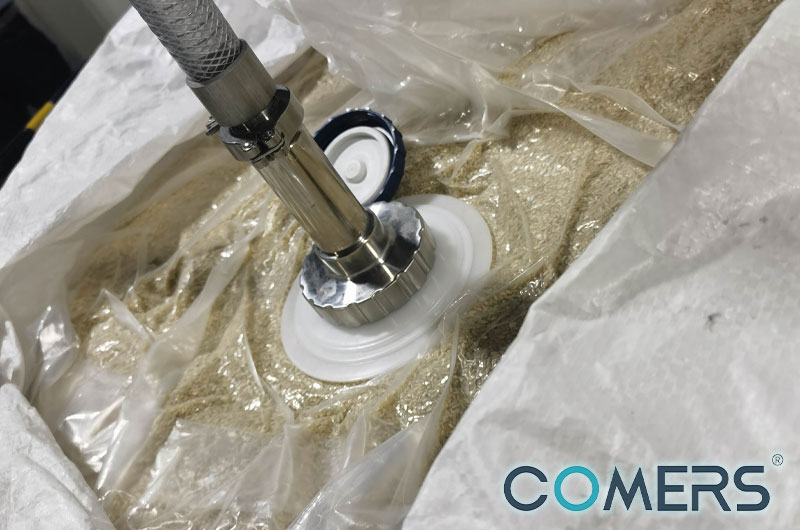
Intertram®FIBC Liners
+ Permanent anti-static / temporary anti-static
+ High barrier performance
+ Single material
+ Prevent from moisture, oxygen(low WVTR<3.0,OTR<1.0)
+ Various film types and thicknesses (Length:1M1-2M2 Thinkness:30-160um)
+ For milk powder/ coffee powder
+ Effective barrier and product protection
+ Strict quality control and safety standards
+ Highly customizable solutions
+ Durable and puncture-resistant
-
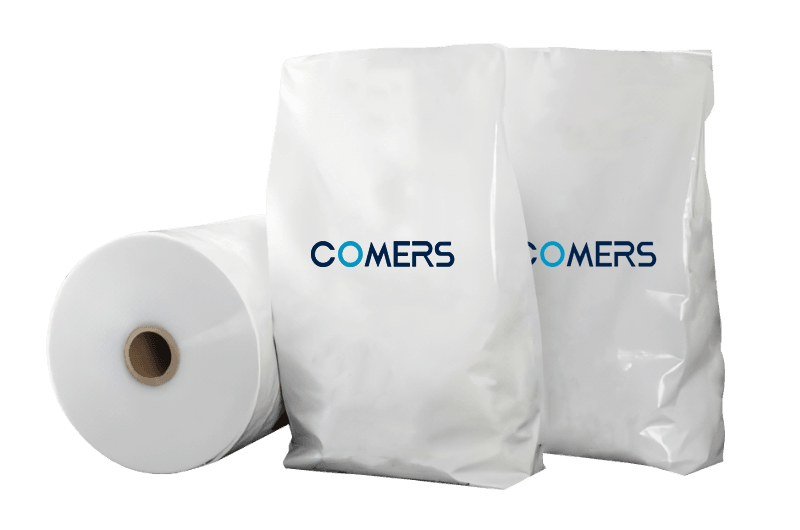
Intertram®FFS Liners
+ high barrier performance
+ prevent from moisture, oxygen(low WVTR<3.0,OTR<1.0)
+ various film types and thicknesses (Length:1M1-2M2 Thinkness:30-160um)
+ can replace Al material
+ High standard in food safety
+ Anti-static film (ATEX prevention)
+ Strict control over contaminants (BPA, Sakazaki-bacillus, etc.)
+ Tailored to customer needs
+ Enhanced product shelf life (approx. 6 months)
-

Washna ® Easy-peel films
+ prevent from moisture, oxygen(low WVTR<3.0,OTR<1.0)
+ various film types and thicknesses (Thickness:45 - 90um)
+ Clean & Safe Delamination
+ smooth sealing layer without wire drawing
+ Optimal Peel Performance
+ Good control level of black dot crystal point, in line with GB/T28117
+ Food contact safety
+ High durability
+ Superior barrier properties
+ Child-friendly opening
+ Clean, residue-free peel -
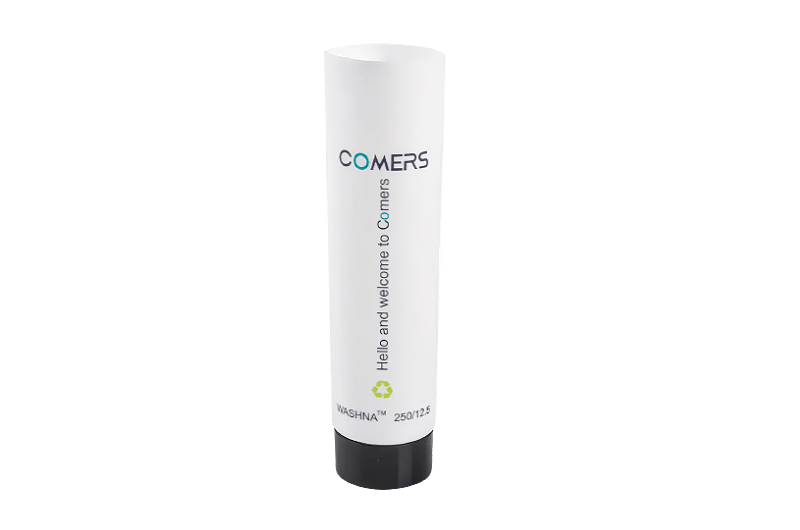
Washna® toothpaste films
+ Suitable for products in paste form
+ High stiffness and good mechanical properties
+ APR approval, Blow-molded in a single blow-molding
+ EVOH≤5%, in line with CEFLEX
+ white/transparent/ultra-white variants (customizable whiteness)
+ Precise thickness control (175−350μm±3%)
+ Excellent puncture resistance
+ Speckle-free surfaces (GB/T 28117 compliant)
+ Reduces environmental impact -
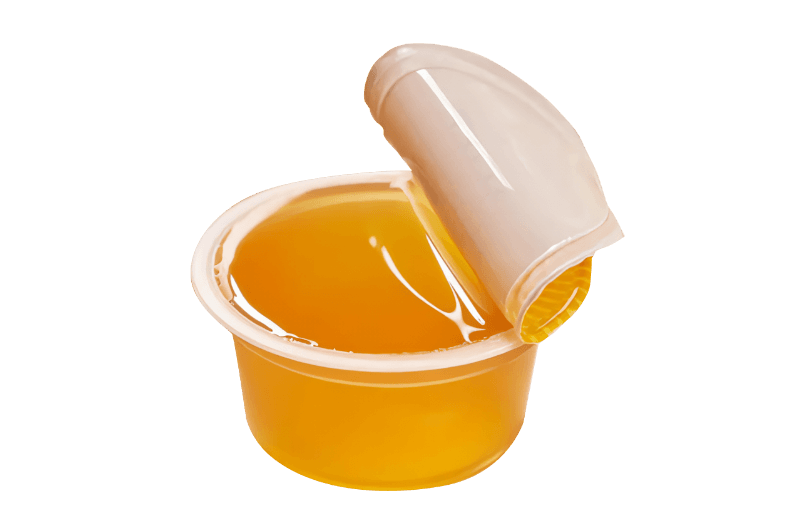
Washna® Laminate films
+ Operates with high-volume film
+ ultimate cost control
+ Good level of crystal point and black point control
+ Customizable with thickness and EVOH ratio
+ Easy-open End (EOE) functionality
+ Preserves freshness and extends shelf life
+ Odor-neutral composition
-
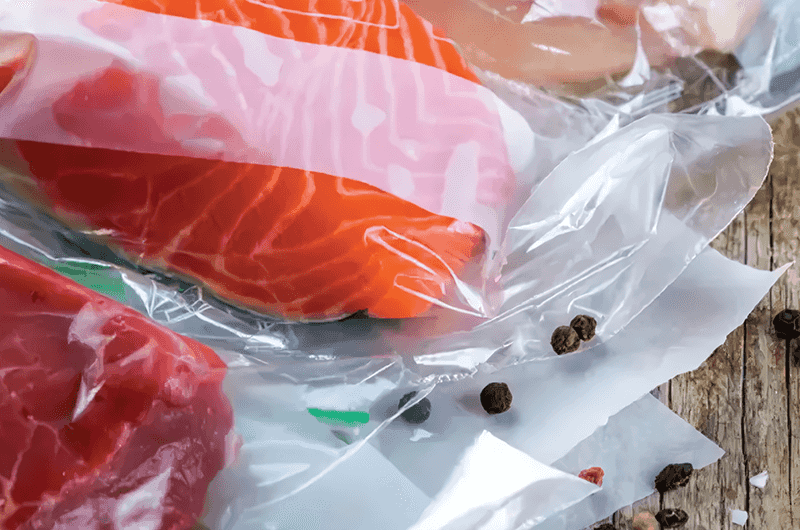
Agometa ® Frozen Vacuum Packaging Bags/Films
+ Excellent transparency
+ Good barrier against water vapor and oxygen
+ Heat sealing performance
+ Adds ultra-high barrier properties
+ high-end food market
+ stable performance, flexible and versatile
+ Good puncture resistance
Jiangsu Comers Neo Materials Co., Ltd.
No.161 Cailing Road, Linhu Town, Wuzhong District, Suzhou City, Jiangsu Province, China.
+86-0512-66558319
E-mail: [email protected]
