

 English
 中文简体
中文简体Barrier Films for Flexible Electronics: Technology, Requirements, and Market Dynamics
Content
- 1 Why barrier films exist: flexible electronics fail from air and water
- 2 Performance targets: WVTR/OTR set the bar and the cost
- 3 Technology landscape: how ultra-barrier films are built
- 4 Manufacturing reality: the barrier film is only as good as its weakest defect
- 5 Application segmentation: where demand and margin concentrate
- 6 Market dynamics: why forecasts disagree and what actually drives adoption
- 7 Competitive landscape: mapping the value chain
- 8 Buyer’s selection playbook: from requirements to qualification
- 9 Outlook: what to watch over the next product cycles
Why barrier films exist: flexible electronics fail from air and water
Flexible electronics—especially organic devices like OLED displays and organic photovoltaics—are highly sensitive to moisture and oxygen. In rigid products, thick glass packaging provides an excellent diffusion barrier. In flexible products, the “lid” must be thin, bendable, and fatigue-resistant, which shifts reliability risk to the encapsulation stack.
A barrier film (or barrier stack) is a flexible encapsulation structure engineered to slow water vapor and oxygen diffusion enough to hit lifetime requirements under bending and environmental exposure. In most engineering and sourcing discussions, performance is summarized with WVTR (water vapor transmission rate) and OTR (oxygen transmission rate).
Performance targets: WVTR/OTR set the bar and the cost
Ultra-barrier films are not a minor upgrade from conventional packaging films. As you push WVTR/OTR lower, the dominant failure modes shift from bulk permeability to defect-driven leakage (pinholes, microcracks, and interface defects). That’s why barrier films for flexible OLED-class applications are typically engineered as multilayer stacks rather than single coatings.
| Application class | Typical barrier emphasis | Practical implication |
|---|---|---|
| Flexible OLED / AMOLED | Extremely low WVTR/OTR to protect organic emissive layers | Defect control and stack design dominate yield and lifetime |
| Wearables / skin-adjacent devices | Low permeation plus chemical/humidity resilience | Qualification must include bend/flex cycling under exposure |
| Thin-film PV (OPV/perovskite) | High barrier, often less stringent than OLED | Encapsulation stability is frequently a primary lifetime limiter |
In practice, buying teams should treat any WVTR/OTR target as necessary but not sufficient: the barrier film has to maintain that performance after lamination, edge sealing, thermal cycling, and bend/fold fatigue.
Technology landscape: how ultra-barrier films are built
Single-layer inorganic barriers (simple, but defect-limited)
Single inorganic layers can be excellent diffusion barriers in principle, but real films on polymer substrates accumulate defects from particles, substrate roughness, and handling damage. Those defects create fast diffusion paths that dominate permeation. As a result, single layers often struggle to deliver OLED-class reliability unless defect densities are exceptionally low and mechanical loads are gentle.
Multilayer inorganic/organic stacks (the industry workhorse)
Most ultra-barrier solutions rely on alternating inorganic and organic layers. Inorganic layers provide diffusion resistance, while organic interlayers help planarize surface roughness, decouple defects between inorganic layers, and create a tortuous diffusion pathway. The result is that permeability becomes less sensitive to any single pinhole.
- Inorganic layers block diffusion when defect-free
- Organic layers reduce defect alignment and distribute stress
- More interfaces can improve barrier performance, but also increase adhesion and process-complexity risk
Thin film encapsulation (TFE) for flexible OLED
In display manufacturing, TFE generally refers to an integrated multilayer encapsulation stack optimized for high lifetime under flexibility constraints. A typical TFE concept combines diffusion-barrier films with buffer layers that manage stress, improve coverage over particles, and protect the device during downstream handling. For foldable devices, the encapsulation stack must also remain crack-resistant through repeated bending at small radii.
Deposition/process options: ALD, PECVD, sputter, and hybrids
Process selection is a trade among barrier performance, mechanical durability, and manufacturing economics. ALD is often highlighted for conformality and film quality, while PECVD and sputtering can offer higher throughput. In real production, performance is limited by the full system: substrate prep, web handling, particle control, layer stress, adhesion, and inspection feedback loops.
Manufacturing reality: the barrier film is only as good as its weakest defect
Roll-to-roll versus sheet processing
Barrier films are pulled toward roll-to-roll (R2R) coating to hit consumer-electronics scale and cost. However, R2R introduces additional defect mechanisms: web handling contamination, coating non-uniformity across width, tension-related microcracking, and increased edge-management complexity.
Defect control dominates: particles, pinholes, and edge leakage
Even when intrinsic film permeability is excellent, real-world performance collapses when particles create pinholes or when mechanical cycling forms microcracks. In addition, edge ingress can bypass a strong barrier stack if sealing and perimeter design are weak. The practical conclusion is that qualification must cover process integration, not just a datasheet WVTR number.
Stress management and stack design
Barrier stacks can introduce stress that causes curl or accelerates crack initiation during bending. Buffer layers and neutral-axis design approaches can reduce strain on brittle inorganic layers. The “best” stack is therefore application-specific: a foldable phone hinge region imposes a different strain history than a gently curved wearable band.
Application segmentation: where demand and margin concentrate
Barrier-film demand concentrates in product categories where organic layers must survive for years in thin, flexible form factors. The most demanding applications typically justify the most sophisticated encapsulation approaches.
- Flexible and foldable OLED displays: extreme barrier targets plus bend/fold fatigue requirements
- Wearables and skin-adjacent devices: humidity, sweat exposure, abrasion, repeated flexing
- Thin-film PV (OPV/perovskite): encapsulation stability is often a primary lifetime limiter
- Flexible sensors and printed electronics: barrier needs vary widely by chemistry and duty cycle
Market dynamics: why forecasts disagree and what actually drives adoption
Market sizing for “barrier films for flexible electronics” varies because different analyses include different scopes: barrier materials only versus full encapsulation processes, OLED-only versus broader flexible/printed electronics, and film sales versus equipment and services. As a result, two reports may quote very different market sizes while both are internally consistent within their chosen definitions.
A more decision-useful view focuses on structural drivers:
- Demand is application-led: foldables, wearables, and display capacity ramps
- Technology inflection points (for example, scalable R2R ultra-barrier) can expand addressable markets by reducing cost
- Yield learning and defect inspection often matter more than incremental permeability gains
If you must include a forecast, anchor it to a clear definition of scope (OLED-only films, total TFE, or full flexible electronics encapsulation) and state explicitly what is excluded.
Competitive landscape: mapping the value chain
The barrier-film ecosystem is easiest to understand as a value chain, because the “winner” in a given product often depends on integration capability rather than any single material property.
- Materials and films: substrates, interlayers, adhesives, specialty coatings
- Deposition and coating equipment: ALD/PECVD/sputter, web handling, inline inspection
- Device makers and integrators: process integration, yield ramps, reliability testing
- Encapsulation IP holders: barrier architectures, defect-mitigation and edge-seal strategies
In practice, procurement often evaluates “solutions” (materials + process module + quality controls) rather than a film alone, because the same film can perform very differently depending on handling, lamination, and edge sealing.
Buyer’s selection playbook: from requirements to qualification
For sourcing and engineering teams, selecting a barrier film is an exercise in translating product requirements into a manufacturable stack, then validating it under realistic stress conditions.
Step 1: translate product requirements into barrier specs
- Lifetime target and allowable degradation mechanism
- Exposure class (humidity/temperature, sweat/chemicals, UV)
- Bend radius, fold cycles, and strain history by region
- Thickness and optical constraints (haze, color shift)
Step 2: choose an architecture family
- Single inorganic layer (limited by defect sensitivity)
- Inorganic/organic multilayer stack (most common for ultra-barrier)
- Integrated TFE stack for flexible OLED manufacturing flows
Step 3: match to manufacturability and quality controls
- R2R versus sheet process, throughput, and capex constraints
- Particle control capability and inline defect inspection
- Adhesion strategy and layer-stress management
Step 4: qualify with reliability tests, not just WVTR claims
- Accelerated aging (temperature/humidity), plus post-aging WVTR/OTR
- Bend/fold cycling with periodic leak testing
- Thermal cycling and adhesion/delamination checks
- Edge-seal robustness testing to prevent perimeter ingress
Outlook: what to watch over the next product cycles
The strongest signals to watch are not incremental lab-scale WVTR records, but scalable pathways that improve cost and yield while preserving performance under flex and fold fatigue. In particular, progress in industrialized R2R ultra-barrier stacks, improved inline inspection, and better stress-managed architectures can expand adoption beyond premium foldables into broader consumer and industrial flexible electronics.
A practical rule of thumb is that defect density, adhesion, and mechanical durability determine commercial success as much as intrinsic material permeability.
-
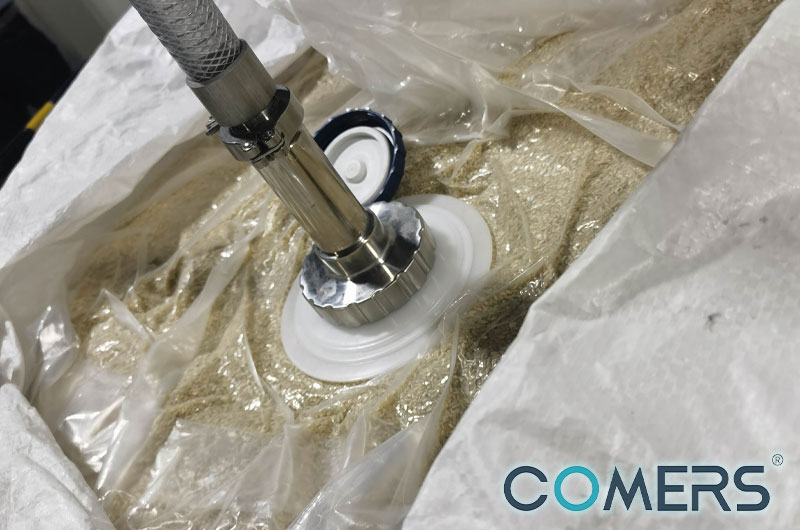
Intertram®FIBC Liners
+ Permanent anti-static / temporary anti-static
+ High barrier performance
+ Single material
+ Prevent from moisture, oxygen(low WVTR<3.0,OTR<1.0)
+ Various film types and thicknesses (Length:1M1-2M2 Thinkness:30-160um)
+ For milk powder/ coffee powder
+ Effective barrier and product protection
+ Strict quality control and safety standards
+ Highly customizable solutions
+ Durable and puncture-resistant
-
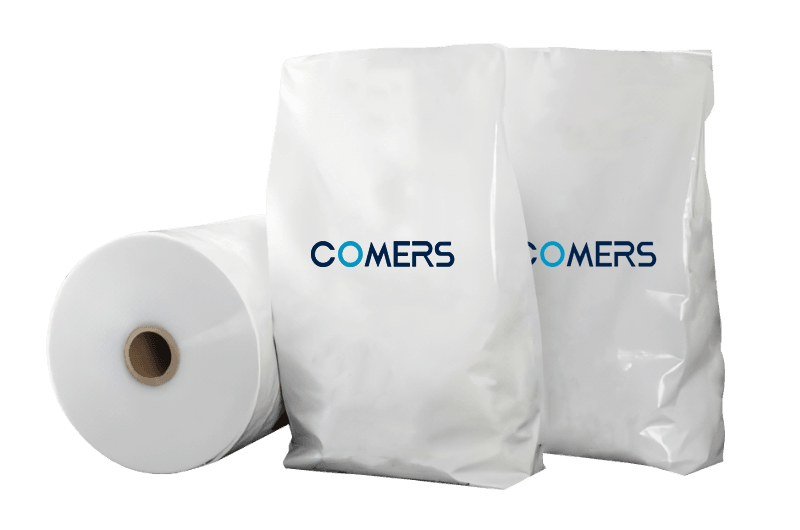
Intertram®FFS Liners
+ high barrier performance
+ prevent from moisture, oxygen(low WVTR<3.0,OTR<1.0)
+ various film types and thicknesses (Length:1M1-2M2 Thinkness:30-160um)
+ can replace Al material
+ High standard in food safety
+ Anti-static film (ATEX prevention)
+ Strict control over contaminants (BPA, Sakazaki-bacillus, etc.)
+ Tailored to customer needs
+ Enhanced product shelf life (approx. 6 months)
-
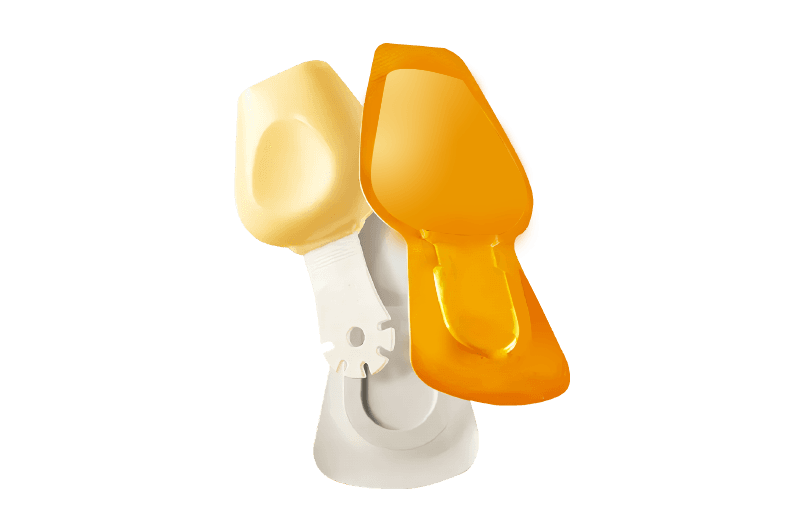
Washna ® Easy-peel films
+ prevent from moisture, oxygen(low WVTR<3.0,OTR<1.0)
+ various film types and thicknesses (Thickness:45 - 90um)
+ Clean & Safe Delamination
+ smooth sealing layer without wire drawing
+ Optimal Peel Performance
+ Good control level of black dot crystal point, in line with GB/T28117
+ Food contact safety
+ High durability
+ Superior barrier properties
+ Child-friendly opening
+ Clean, residue-free peel -
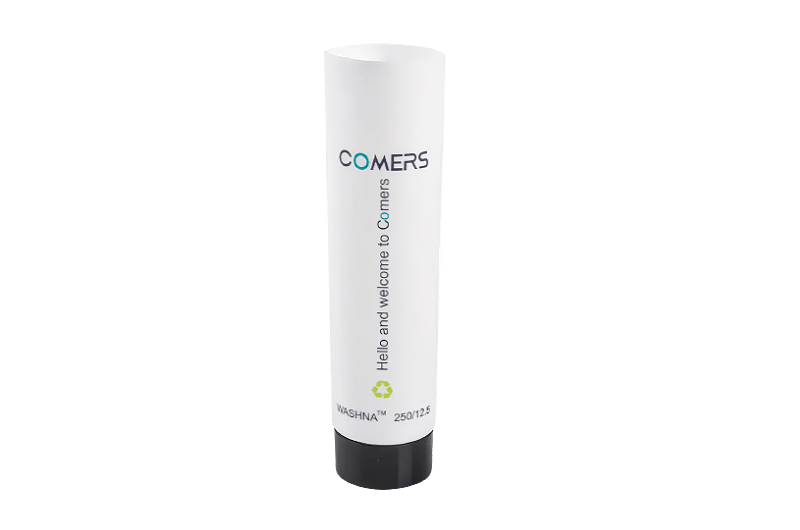
Washna® toothpaste films
+ Suitable for products in paste form
+ High stiffness and good mechanical properties
+ APR approval, Blow-molded in a single blow-molding
+ EVOH≤5%, in line with CEFLEX
+ white/transparent/ultra-white variants (customizable whiteness)
+ Precise thickness control (175−350μm±3%)
+ Excellent puncture resistance
+ Speckle-free surfaces (GB/T 28117 compliant)
+ Reduces environmental impact -
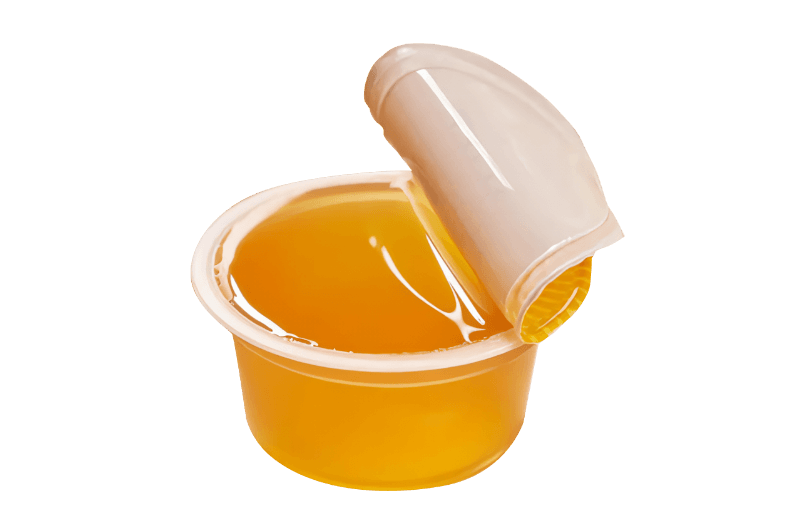
Washna® Laminate films
+ Operates with high-volume film
+ ultimate cost control
+ Good level of crystal point and black point control
+ Customizable with thickness and EVOH ratio
+ Easy-open End (EOE) functionality
+ Preserves freshness and extends shelf life
+ Odor-neutral composition
-
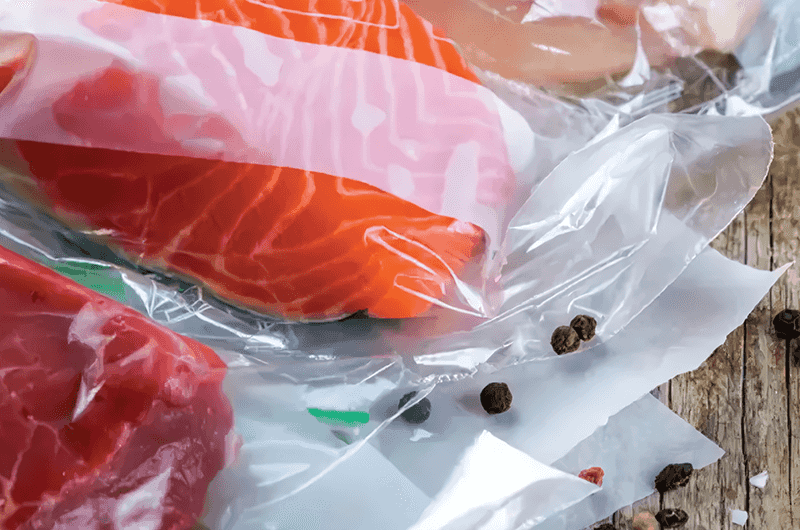
Agometa ® Frozen Vacuum Packaging Bags/Films
+ Excellent transparency
+ Good barrier against water vapor and oxygen
+ Heat sealing performance
+ Adds ultra-high barrier properties
+ high-end food market
+ stable performance, flexible and versatile
+ Good puncture resistance
Jiangsu Comers Neo Materials Co., Ltd.
No.161 Cailing Road, Linhu Town, Wuzhong District, Suzhou City, Jiangsu Province, China.
+86-0512-66558319
E-mail: [email protected]
