

 English
 中文简体
中文简体Ready-Meal Packaging: From Frozen Storage to Microwave Heating
Content
Every package of ready meal carries an unspoken promise: keep the food safe through months of frozen storage, then survive a blast of microwave energy and deliver a hot, intact meal. That is a far broader engineering brief than most packaging faces. A container designed purely for cold storage can crack, delaminate, or lose its seal when exposed to microwave heat. One built only for microwave use may absorb moisture, lose structural rigidity, or allow oxygen ingress during the weeks it spends in a freezer. Getting both right in a single film or tray structure is the core challenge of ready-meal packaging.
The Challenge of Dual-Environment Packaging
Most packaging materials are engineered with a specific temperature window in mind. Frozen food packaging, by definition, has to operate at the opposite end of the scale from hot-food packaging. Ready meals collapse this distinction entirely — the same package must perform at deep-freeze temperatures during storage and at high temperatures during reheating, often without any consumer intervention between the two states.
The physical stresses involved in each environment pull in different directions. Cold makes polymer films stiffer and more brittle; thermal cycling as the package moves through supply chains amplifies mechanical stress on seal areas. Heat, by contrast, softens material, builds internal steam pressure, and challenges the bond between laminate layers. A film structure that holds up under one set of conditions may fail under the other unless the material selection and layer design account for both from the outset.
This dual-environment requirement also shapes what "failure" means. In frozen storage, a compromised package allows moisture vapor or oxygen to reach the food — leading to freezer burn, oxidation, or microbial risk. During microwave heating, failure can look like a seal bursting, a tray warping, or steam pressure building until the package ruptures. Neither outcome is acceptable, and neither can be treated as a separate design problem.
What Frozen Storage Actually Demands from Packaging
Frozen storage is not simply a matter of keeping food cold. It is an active preservation environment, and the packaging is the primary line of defence against the forces that degrade food quality over time.
Oxygen transmission is one of the most damaging of those forces. Even at sub-zero temperatures, oxygen migration through or around a package can cause lipid oxidation in meat and fish, colour change in vegetables, and off-flavour development across a wide range of products. A packaging film's barrier performance against oxygen must remain effective at low temperatures — a property that not all materials maintain consistently once temperatures drop.
Moisture management is equally critical. Frozen foods lose quality through two related mechanisms: moisture loss from the food itself, and the formation of ice crystals within or on the surface of the product. Traditional tray-and-lid formats leave headspace between the food and the lidding film, creating conditions where moisture migrates, condenses, and eventually forms ice crystals. Vacuum skin packaging eliminates this headspace, holding the film close to the food surface and substantially reducing the conditions for ice crystal formation.
Mechanical durability through the cold chain — handling, transit vibration, stacking — also places demands on the film's puncture resistance and flexibility at low temperatures. A film that becomes brittle in the freezer is a liability at every stage of distribution.
Transitioning to Microwave Heating: Where Many Packages Fail
The transition from frozen storage to microwave heating is the moment a ready-meal package is most likely to fail. The temperature differential involved is significant. The package moves from a frozen state to internal steam temperatures within a matter of minutes, and the material must accommodate that shift without losing seal integrity, dimensional stability, or food-contact compliance.
Steam pressure is the most common cause of microwave packaging failure. As water within the food converts to steam, pressure builds inside the sealed package. If the seal is too strong to vent, the package can burst. If the seal is too weak, it opens prematurely and unevenly. Packages designed for microwave use require a calibrated seal — strong enough to contain steam during heating but able to vent in a controlled, safe way before pressure reaches a critical level. Steam-venting features, whether incorporated into the lid film or built into the tray geometry, are a standard part of microwave-ready package design for this reason.
Film deformation is a secondary concern. At microwave temperatures, films that lack sufficient heat resistance may soften, distort, or pull away from tray edges, creating the possibility of food contact with degraded or inadequately tested material. The standard for this kind of application is a film structure that has been specifically certified for steaming and microwave vacuum packaging bags designed for high-temperature applications, not simply a general-purpose food packaging film used outside its validated range.
Uniform heating is also a packaging concern, not just a microwave calibration question. How moisture is distributed within the sealed environment — and how steam circulates during heating — affects whether the food heats evenly. A film that optimises moisture retention during cooking, rather than simply surviving the heat, contributes meaningfully to the eating quality of the final product.
Barrier Film Structures That Bridge Both Environments
Multi-layer barrier film structures — typically built around combinations of polyamide (PA) and ethylene vinyl alcohol (EVOH) — are the most widely adopted solution for packaging that must span the frozen-to-microwave temperature range. Each material in the laminate stack is chosen for a specific role: outer layers for mechanical protection and heat resistance, barrier layers for oxygen and moisture control, and inner layers for food-contact compliance and sealing performance.
PA contributes toughness and flexibility across temperature extremes, making it particularly suited to packaging that will experience both freezing and heating. EVOH provides exceptional oxygen barrier performance, though its effectiveness can be sensitive to moisture absorption — a characteristic that the surrounding layers in a multi-layer structure are designed to protect against.
The resulting film structures are effective because they are engineered as systems rather than single-material solutions. Each layer compensates for the limitations of adjacent layers, producing a composite with a broader performance envelope than any individual material could achieve. For frozen vacuum packaging films engineered for ultra-low temperature performance, this layered approach is what enables consistent barrier performance from the freezer shelf through to the microwave.
Beyond film structure, packaging format also matters. Vacuum packaging removes the oxygen-rich headspace that conventional tray-and-lid formats retain, reducing the demand placed on the barrier film and extending the conditions under which food quality is preserved. For more context on how material selection affects performance across different applications, the food packaging films materials and performance selection guide covers the key variables in practical terms.
Safety and Compliance Considerations
Packaging that is used for microwave heating is subject to food-contact regulations that differ from those governing ambient or chilled packaging, because the elevated temperatures involved increase the potential for chemical migration from packaging materials into food. The general principle — that any material in contact with food must be safe for its intended use — applies with greater scrutiny when that use includes high-temperature heating.
In the United States, the FDA's approach to microwave-safe packaging is set out under its general food contact material regulations, rather than in microwave-specific rules. Importantly, the FDA has not issued specific regulations on food packaging for microwave use, but requires that packaging materials be suitable for their intended use under good manufacturing practice guidelines. The intended condition of use — including whether the package will be used in a microwave — is a material factor in whether a packaging material or structure is compliant.
For food manufacturers, this means that sourcing packaging from suppliers who hold relevant food-contact certifications is not optional. A certification confirms that the material has been evaluated for use across the temperature range it will encounter in service — including microwave heating conditions — and that migration of substances into food has been assessed and found to be within acceptable limits. Selecting easy-peel lidding films for ready meal trays with validated food-contact certification is part of ensuring that the entire package system, not just the tray substrate, is compliant for microwave use.
Choosing the Right Packaging Partner
The specifications that matter most for ready-meal packaging — temperature range coverage, seal integrity under steam pressure, oxygen and moisture barrier performance, food-contact compliance — are not self-reported qualities. They require verified testing, validated structures, and manufacturing consistency that holds across production batches.
When evaluating packaging options, the questions worth asking are practical ones: Has the film been tested in the specific frozen and microwave conditions it will face? Are the food-contact certifications current and relevant to the intended use? Is the supplier able to customise the structure — adding puncture resistance, anti-fog properties, or adjusted seal strength — without compromising the validated performance of the base material?
Ready-meal packaging that performs reliably across its full lifecycle is not a commodity purchase. The investment in the right film structure pays for itself in reduced seal failures, consistent food quality, and the confidence that comes from knowing the package has been designed for the exact journey it will take.
-
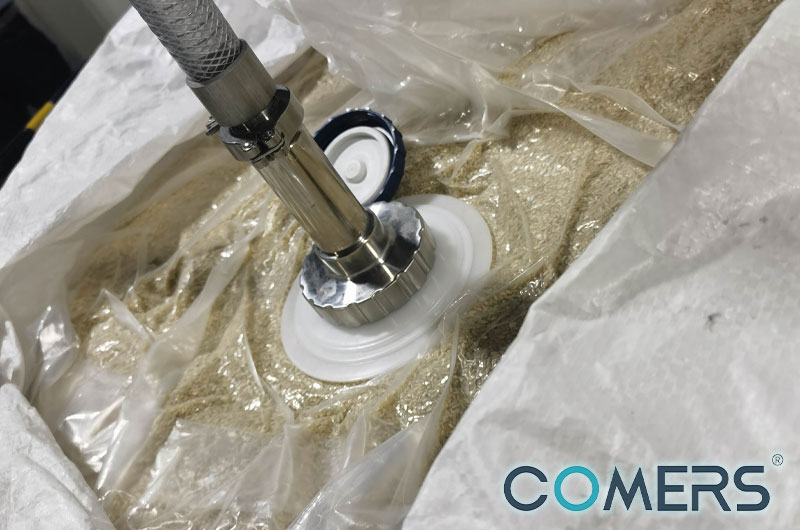
Intertram®FIBC Liners
+ Permanent anti-static / temporary anti-static
+ High barrier performance
+ Single material
+ Prevent from moisture, oxygen(low WVTR<3.0,OTR<1.0)
+ Various film types and thicknesses (Length:1M1-2M2 Thinkness:30-160um)
+ For milk powder/ coffee powder
+ Effective barrier and product protection
+ Strict quality control and safety standards
+ Highly customizable solutions
+ Durable and puncture-resistant
-
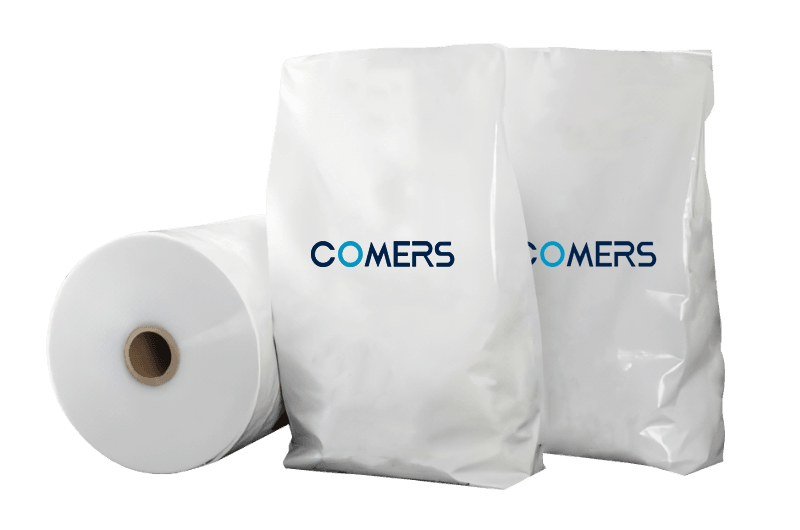
Intertram®FFS Liners
+ high barrier performance
+ prevent from moisture, oxygen(low WVTR<3.0,OTR<1.0)
+ various film types and thicknesses (Length:1M1-2M2 Thinkness:30-160um)
+ can replace Al material
+ High standard in food safety
+ Anti-static film (ATEX prevention)
+ Strict control over contaminants (BPA, Sakazaki-bacillus, etc.)
+ Tailored to customer needs
+ Enhanced product shelf life (approx. 6 months)
-

Washna ® Easy-peel films
+ prevent from moisture, oxygen(low WVTR<3.0,OTR<1.0)
+ various film types and thicknesses (Thickness:45 - 90um)
+ Clean & Safe Delamination
+ smooth sealing layer without wire drawing
+ Optimal Peel Performance
+ Good control level of black dot crystal point, in line with GB/T28117
+ Food contact safety
+ High durability
+ Superior barrier properties
+ Child-friendly opening
+ Clean, residue-free peel -
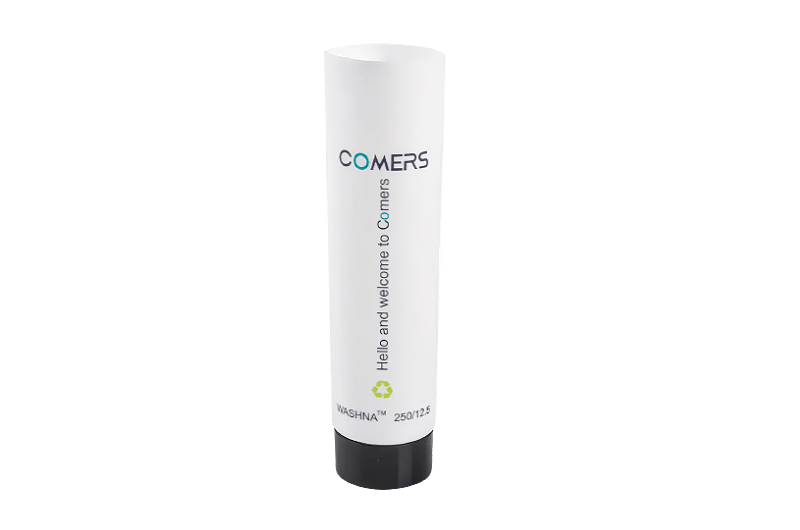
Washna® toothpaste films
+ Suitable for products in paste form
+ High stiffness and good mechanical properties
+ APR approval, Blow-molded in a single blow-molding
+ EVOH≤5%, in line with CEFLEX
+ white/transparent/ultra-white variants (customizable whiteness)
+ Precise thickness control (175−350μm±3%)
+ Excellent puncture resistance
+ Speckle-free surfaces (GB/T 28117 compliant)
+ Reduces environmental impact -
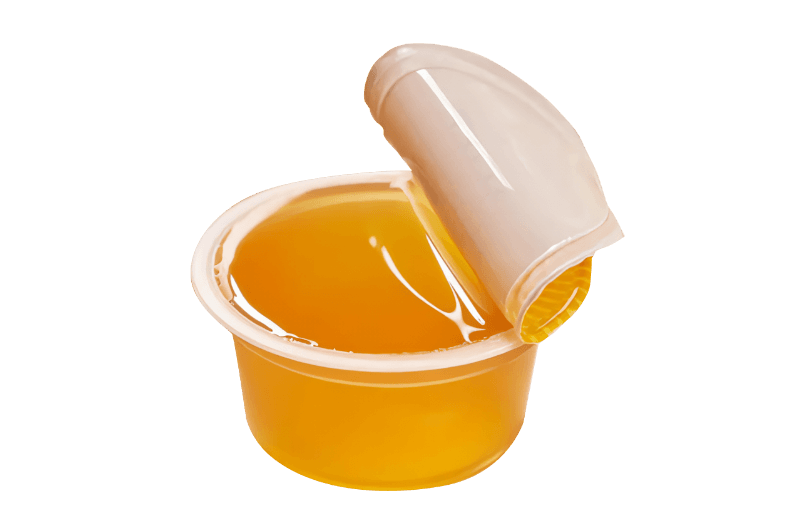
Washna® Laminate films
+ Operates with high-volume film
+ ultimate cost control
+ Good level of crystal point and black point control
+ Customizable with thickness and EVOH ratio
+ Easy-open End (EOE) functionality
+ Preserves freshness and extends shelf life
+ Odor-neutral composition
-
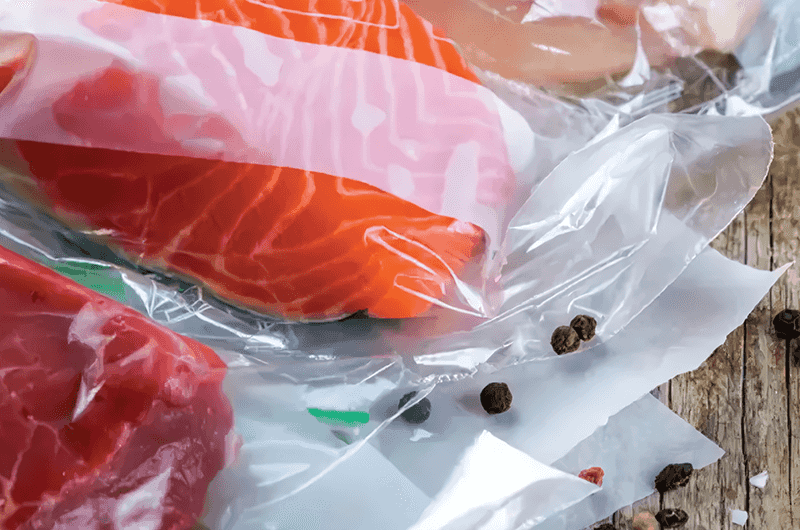
Agometa ® Frozen Vacuum Packaging Bags/Films
+ Excellent transparency
+ Good barrier against water vapor and oxygen
+ Heat sealing performance
+ Adds ultra-high barrier properties
+ high-end food market
+ stable performance, flexible and versatile
+ Good puncture resistance
Jiangsu Comers Neo Materials Co., Ltd.
No.161 Cailing Road, Linhu Town, Wuzhong District, Suzhou City, Jiangsu Province, China.
+86-0512-66558319
E-mail: [email protected]
