

 English
 中文简体
中文简体Preventing Odor Transfer in Small Packs: Materials & Process
Content
Odor transfer is one of the most underestimated quality failures in small-format packaging. A coffee sachet that picks up fish notes, a protein powder pouch that smells of printing ink, or a spice pack that contaminates neighbouring products on the shelf — these failures share a root cause: the packaging film selected cannot adequately contain volatile molecules travelling in either direction. Solving the problem requires addressing both materials and process, because even a technically superior film will allow odor migration if lamination, sealing, or ink curing is poorly controlled.
Why Small Packs Are Particularly Vulnerable
Package size and odor performance are inversely linked. A small pouch has a high surface-area-to-volume ratio, meaning a greater proportion of the product is in direct proximity to the film wall. Even low-level permeation of volatile compounds — measured in nanograms per square centimetre — becomes organoleptically significant when the headspace is tight.
Three migration pathways operate simultaneously in a small flexible pack:
- Permeation through the film wall — volatile molecules dissolve into the outer surface of the film, diffuse through the polymer matrix, and desorb on the inner surface into the headspace.
- Residual off-gassing — solvents and monomers trapped in ink layers or adhesive bondlines release slowly into the pack interior after sealing.
- Scalping — the film absorbs aroma compounds from the product itself, stripping the product of its intended fragrance profile before it reaches the consumer.
Effective odor management must block all three pathways, not just the most obvious one.
Film Materials: Matching Barrier Chemistry to Product Needs
No single resin solves every odor challenge. The following materials are the primary tools available to packaging engineers, each with distinct advantages and limitations:
EVOH (Ethylene Vinyl Alcohol)
EVOH delivers outstanding resistance to oxygen and aromatic volatile compounds due to its tightly ordered hydrogen-bonded crystalline structure. In dry conditions, it outperforms almost every other flexible polymer in gas-barrier terms. Its limitation is moisture sensitivity: in humid environments, water molecules disrupt the hydrogen-bonding network and degrade barrier performance. For this reason, EVOH is always sandwiched between moisture-resistant layers — typically PA (nylon) on the outside and PE on the sealing surface — in a coextruded or laminated structure. This multilayer approach, common in vacuum packaging films for fresh meat, seafood, and cheese, reliably keeps product aromas locked in while preventing external odors from penetrating.
Metallised Films (VMPET, VMCPP)
Vacuum-deposited aluminium on a PET or CPP substrate creates a near-impermeable inorganic layer with excellent aroma and gas barrier properties. VMPET with a deposition thickness equivalent to an OTR below 1 cm³/m²·day·bar is considered effectively smell-proof for most applications. Metallised films are significantly less expensive than aluminium foil laminates and are widely used for snack packs, coffee sachets, and dry powder pouches where full opacity and high barrier are both required.
Polyamide (PA / Nylon)
Oriented nylon (BOPA) provides good puncture resistance, excellent flex-crack performance, and a moderate oxygen and aroma barrier. It is a standard component in meat and seafood laminate structures, where physical abuse resistance and gas barrier are both needed. On its own, PA does not match the odor-blocking performance of EVOH or metallised films; it is most effective as a structural layer within a composite.
PVDC-Coated Films (KPET, Saran-Coated OPP)
Polyvinylidene chloride coatings on PET or OPP substrates offer excellent gas, moisture, and vapour barriers in a single-step coating process. KPET in particular is a strong choice for dry goods and highly aromatic products such as spices and flavouring sachets, where protecting neighbouring products from scent contamination is as important as preserving the product's own aroma profile.
The table below compares the key performance characteristics of these materials at a glance:
| Material | Aroma Barrier | Oxygen Barrier | Moisture Sensitivity | Typical Use Case |
|---|---|---|---|---|
| EVOH (in multilayer) | Excellent | Excellent | High (must be protected) | Fresh meat, seafood, dairy pouches |
| VMPET / Metallised | Very High | Very High | Low | Coffee sachets, snack packs, powders |
| BOPA / Nylon | Moderate | Moderate | Moderate | Structural layer in meat/seafood laminates |
| PVDC-coated PET (KPET) | High | High | Low | Spices, dry flavourings, aromatic dry goods |
| Aluminium Foil Laminate | Near-perfect | Near-perfect | Very Low | Pharmaceuticals, retort pouches, premium food |
Process Controls That Determine Real-World Odor Performance
Specifying the right film structure is necessary but not sufficient. Process decisions at every stage of the converting and filling workflow directly determine whether the barrier materialises in practice.
Ink and Adhesive Solvent Residuals
Residual solvents from gravure inks and dry-lamination adhesives are one of the leading causes of off-odour complaints in flexible packs. Ethyl acetate, toluene, and butyl acetate are particularly problematic: they are volatile enough to migrate through seams and permeate into the headspace after the pack is sealed. Industry benchmarks commonly target total residual solvents below 5 mg/m², with individual solvents such as toluene held below 1 mg/m². Achieving these levels requires adequate tunnel drying after each printing pass, controlled winding tension to allow residual off-gassing, and sufficient curing time after lamination before the reel is slit and sealed.
Lamination Bond Integrity
Delamination — even at a microscopic level along the seal edge — creates unintended permeation channels that bypass the barrier layer entirely. Bond strength testing (typically peel force in N/15mm) should be performed not only on fresh rolls but also after thermal ageing to simulate warehouse storage. A bond that passes fresh but fails at 40 °C / 75 % RH after two weeks indicates an adhesive-film compatibility problem that will manifest as odor complaints in the field.
Heat Seal Quality
The seal is the most common point of odor leakage in a small pouch. Insufficient seal temperature, pressure, or dwell time produces micro-channels invisible to the naked eye but detectable by gas chromatography headspace analysis. Contamination of the sealing surface — product dust, condensate, or anti-fog coatings — also compromises integrity. Seal quality should be validated using a combination of burst testing, dye penetration testing, and where possible, online vision inspection systems capable of detecting seal width deviation of ±0.3 mm.
Film Substrate Selection for Printing
Printing substrate choice influences residual solvent levels in ways that are not always intuitive. BOPP absorbs solvent more readily than PET or nylon, meaning that a BOPP-outer-layer structure requires longer drying windows to reach equivalent residual levels. For structures combining a BOPP outer with a high-barrier inner layer, residual solvents have nowhere to migrate during curing — they concentrate at the interface and eventually diffuse inward. Switching the outer layer to PET in aroma-sensitive applications often resolves persistent off-odour issues without requiring a change to the barrier layer specification.
Testing Protocols to Verify Odor Containment Before Launch
Odor performance should be verified through a structured testing programme before a pack structure is approved for production. The following methods cover the main failure modes:
- Headspace GC-MS analysis — identifies and quantifies individual volatile compounds inside the sealed pack, both from external permeation and internal off-gassing. This is the gold standard for diagnosing the source of an odour complaint.
- Sensory panel evaluation — trained panellists assess the odour threshold of opened packs under controlled conditions. Required for food-contact applications where regulatory compliance under EU Regulation 10/2011 or FDA 21 CFR must be demonstrated.
- OTR and WVTR measurement — oxygen transmission rate and water vapour transmission rate, measured per ASTM F1927 and ASTM F1249 respectively, provide the fundamental permeability data needed to model shelf-life performance.
- Migration testing — accelerated storage trials at elevated temperature and humidity confirm that volatile compounds do not migrate from film components into the product at levels that would affect taste or safety.
- Cross-contamination simulation — products from adjacent SKUs are stored together under realistic retail conditions to quantify the risk of odour pick-up through the pack exterior.
Running these tests at the film development stage — not after tooling is cut and production has begun — is the most cost-effective way to avoid field complaints. Our packaging film solutions are designed with these verification requirements built into the material qualification process, providing customers with the OTR, WVTR, and residual solvent data needed to accelerate approval.
-
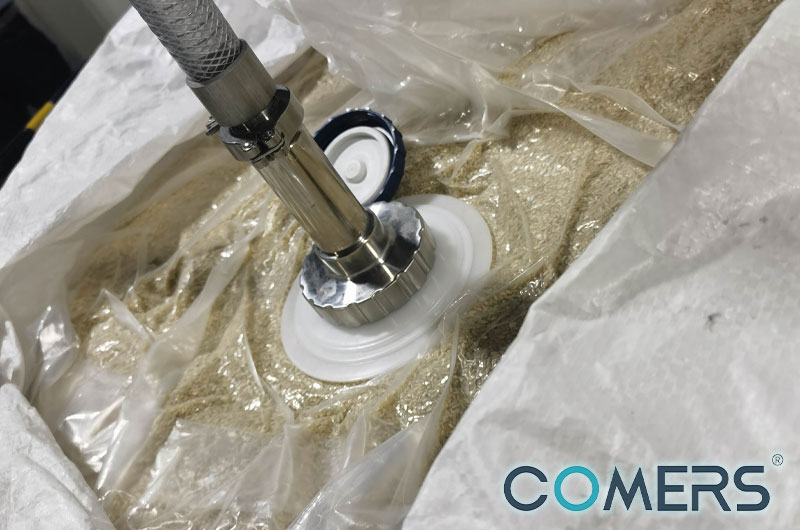
Intertram®FIBC Liners
+ Permanent anti-static / temporary anti-static
+ High barrier performance
+ Single material
+ Prevent from moisture, oxygen(low WVTR<3.0,OTR<1.0)
+ Various film types and thicknesses (Length:1M1-2M2 Thinkness:30-160um)
+ For milk powder/ coffee powder
+ Effective barrier and product protection
+ Strict quality control and safety standards
+ Highly customizable solutions
+ Durable and puncture-resistant
-
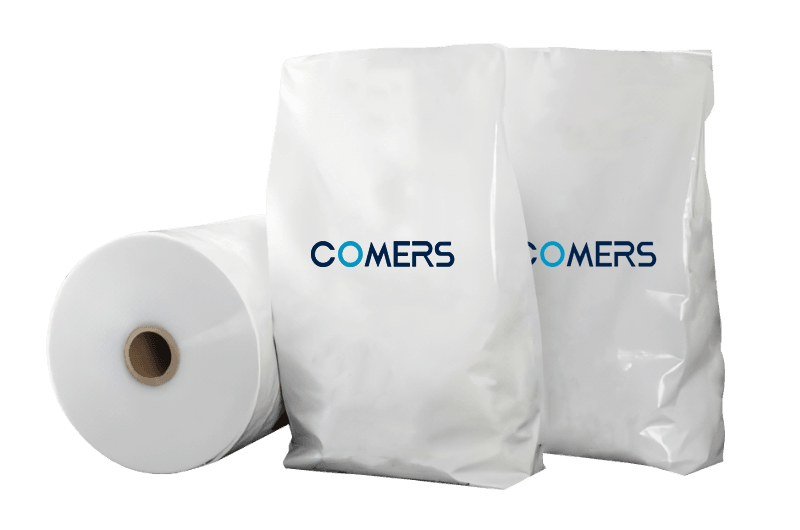
Intertram®FFS Liners
+ high barrier performance
+ prevent from moisture, oxygen(low WVTR<3.0,OTR<1.0)
+ various film types and thicknesses (Length:1M1-2M2 Thinkness:30-160um)
+ can replace Al material
+ High standard in food safety
+ Anti-static film (ATEX prevention)
+ Strict control over contaminants (BPA, Sakazaki-bacillus, etc.)
+ Tailored to customer needs
+ Enhanced product shelf life (approx. 6 months)
-

Washna ® Easy-peel films
+ prevent from moisture, oxygen(low WVTR<3.0,OTR<1.0)
+ various film types and thicknesses (Thickness:45 - 90um)
+ Clean & Safe Delamination
+ smooth sealing layer without wire drawing
+ Optimal Peel Performance
+ Good control level of black dot crystal point, in line with GB/T28117
+ Food contact safety
+ High durability
+ Superior barrier properties
+ Child-friendly opening
+ Clean, residue-free peel -
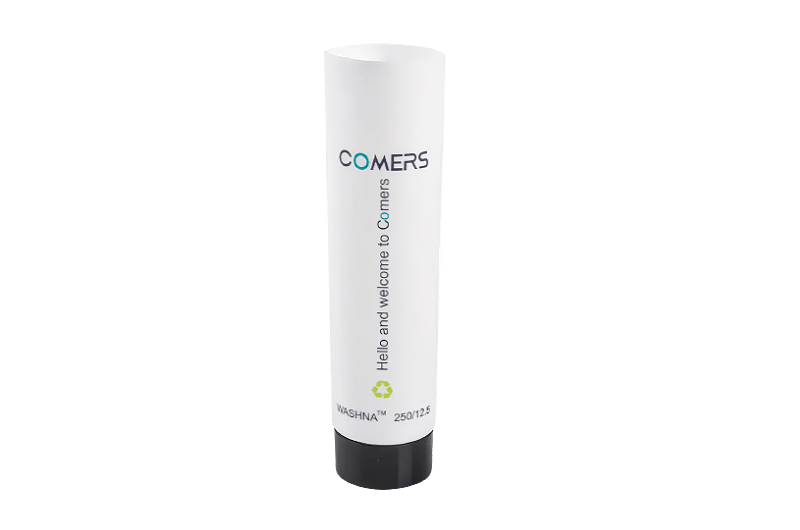
Washna® toothpaste films
+ Suitable for products in paste form
+ High stiffness and good mechanical properties
+ APR approval, Blow-molded in a single blow-molding
+ EVOH≤5%, in line with CEFLEX
+ white/transparent/ultra-white variants (customizable whiteness)
+ Precise thickness control (175−350μm±3%)
+ Excellent puncture resistance
+ Speckle-free surfaces (GB/T 28117 compliant)
+ Reduces environmental impact -
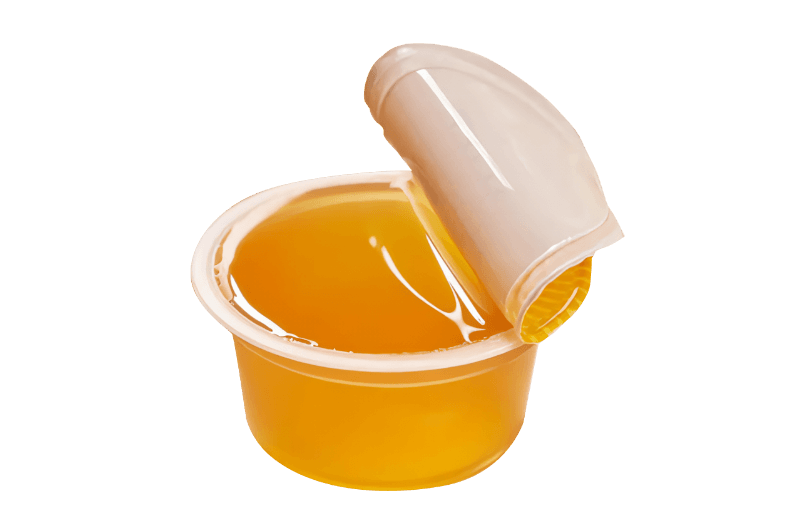
Washna® Laminate films
+ Operates with high-volume film
+ ultimate cost control
+ Good level of crystal point and black point control
+ Customizable with thickness and EVOH ratio
+ Easy-open End (EOE) functionality
+ Preserves freshness and extends shelf life
+ Odor-neutral composition
-
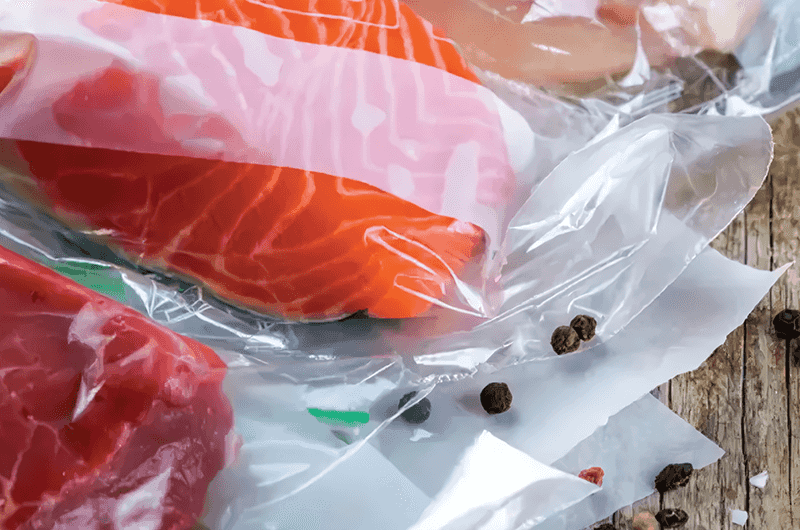
Agometa ® Frozen Vacuum Packaging Bags/Films
+ Excellent transparency
+ Good barrier against water vapor and oxygen
+ Heat sealing performance
+ Adds ultra-high barrier properties
+ high-end food market
+ stable performance, flexible and versatile
+ Good puncture resistance
Jiangsu Comers Neo Materials Co., Ltd.
No.161 Cailing Road, Linhu Town, Wuzhong District, Suzhou City, Jiangsu Province, China.
+86-0512-66558319
E-mail: [email protected]
