

 English
 中文简体
中文简体Optimizing Heat-Seal Windows in Vacuum Packaging for Better Yield
Content
- 1 The Core Fix: Seal Window Optimization Drives the Biggest Gains
- 2 Understanding the Heat-Seal Window: What It Is and Why It Narrows
- 3 Mapping Your Current Seal Window: The Process Capability Study
- 4 Improving Yield: Reducing Leakers and Reject Rates
- 5 Increasing Throughput: Shortening Cycle Time Without Compromising Integrity
- 6 Film Selection and Its Impact on the Seal Window
- 7 Seal Pressure: The Overlooked Parameter
- 8 Monitoring and Sustaining Gains: Statistical Process Control for Sealing
- 9 Practical Checklist for Heat-Seal Window Optimization
- 10 Key Takeaways
The Core Fix: Seal Window Optimization Drives the Biggest Gains
In vacuum packaging operations, the heat-seal window is the single most controllable variable for improving both yield and throughput. A poorly calibrated seal window leads to two costly failure modes: under-sealing (leakers that fail integrity tests) and over-sealing (burned film, brittleness, and material waste). Facilities that systematically optimize their seal windows typically report yield improvements of 8–15% and cycle time reductions of 10–20% — without capital investment in new equipment.
The heat-seal window is defined by four interdependent parameters: temperature, dwell time, pressure, and film material properties. Mastering the interaction between these variables — rather than treating them in isolation — is the foundation of a high-performance vacuum packaging line.
Understanding the Heat-Seal Window: What It Is and Why It Narrows
The heat-seal window is the operational zone — defined by a range of temperatures and dwell times — within which a consistent, hermetic bond forms between two film layers. Outside this window, seal quality degrades in predictable ways:
- Below the lower threshold: insufficient polymer chain entanglement, weak peel strength, leakers
- Above the upper threshold: film degradation, char lines, loss of tensile strength, increased reject rates
In practice, the usable window narrows due to several real-world factors: film thickness variation (±5–10% is common even in spec material), thermal mass differences in product loads, ambient temperature fluctuations on the production floor, and seal bar wear over time. A window that was 15°C wide at commissioning may effectively shrink to 6–8°C after 12 months of production — leaving very little margin for process drift.
The Dwell Time–Temperature Trade-off
Temperature and dwell time are not independent. A higher seal temperature can compensate for shorter dwell, and vice versa. This relationship follows an approximate inverse curve: increasing temperature by 10°C often allows dwell time to be reduced by 15–25%, directly improving cycle rate. However, running consistently close to the upper temperature limit is risky — a small thermocouple drift or film batch variation can push seals out of spec. The optimal operating point is not the center of the process window but slightly below the upper limit, with dwell time adjusted to maintain bond strength.
Mapping Your Current Seal Window: The Process Capability Study
Before optimizing, you need to know where your actual window sits — not where your setup sheet says it should be. A structured process capability study involves systematically varying temperature and dwell time across a matrix and measuring seal integrity at each combination.
Step-by-Step: Running a Seal Window Mapping Study
- Fix seal pressure at your standard operating value and hold all other variables constant.
- Select a temperature range spanning ±20°C from your current setpoint in 5°C increments.
- At each temperature, run seals at three dwell times (e.g., 0.8×, 1.0×, 1.2× your standard dwell).
- Produce a minimum of 10 pouches per condition and subject each to burst pressure testing (ASTM F2054) or peel strength testing (ASTM F88).
- Record failures, seal appearance (discoloration, bubbling), and peel force values.
- Plot results on a 2D map with temperature on one axis and dwell on the other, shading the acceptable zone.
This study typically takes one production shift to complete. The output is a visual process window diagram that immediately reveals whether your current setpoints are centered, too conservative (leaving throughput on the table), or dangerously close to a failure boundary.
| Temperature (°C) | Dwell 0.6s — Result | Dwell 0.9s — Result | Dwell 1.2s — Result |
|---|---|---|---|
| 140 | Fail (weak bond) | Fail (weak bond) | Marginal |
| 150 | Marginal | Pass | Pass |
| 160 | Pass | Pass | Pass |
| 170 | Pass | Pass | Fail (burn) |
| 180 | Fail (burn) | Fail (burn) | Fail (burn) |
In this example, the optimal operating point for maximum throughput (shortest dwell) would be 160–170°C at 0.6s. Running at the previously "safe" 150°C / 1.2s setting achieves the same seal quality but wastes 50% of available dwell capacity — directly limiting machine cycles per minute.
Improving Yield: Reducing Leakers and Reject Rates
Leaker rate is the primary yield metric for vacuum packaging. In food and medical applications, even a 0.5% leaker rate translates to significant cost — both in scrapped product and in downstream inspection labor. Common root causes and their targeted fixes:
Seal Bar Uniformity and Calibration
Uneven heat distribution across the seal bar is one of the most common causes of localized weak spots. Even a ±3°C gradient across a 300mm bar can produce cold zones that consistently fail. Use thermal imaging (or a contact thermocouple probe at multiple points) to verify bar uniformity at operating temperature. Bars that show more than ±2°C deviation should be recalibrated or replaced. In one documented case study from a processed meat facility, replacing a seal bar with an 8°C end-to-end gradient reduced leaker rate from 1.8% to 0.3% within one production day.
Contamination at the Seal Zone
Product residue, moisture, or fat migrating into the seal zone is a leading cause of incomplete bonds in food packaging. Mitigation strategies include:
- Increasing the seal-zone clearance during loading to keep contamination away from the seal edge
- Using a wiper or air-knife system to clear the seal flange before closing
- Specifying film structures with wider acceptable seal initiation ranges, which are more tolerant of minor contamination
Film Tension and Wrinkle Management
Wrinkles in the film at the moment of sealing create channels through which gas can migrate — even if the surrounding seal is thermally complete. This is especially common on the lid film in thermoform-fill-seal lines. Setting film web tension to maintain 0.5–1.0 N/cm of film width across the forming station typically eliminates most wrinkling without over-stretching the film structure.
Increasing Throughput: Shortening Cycle Time Without Compromising Integrity
Once the process window is accurately mapped, throughput gains come from three levers: reducing dwell time, reducing cool/set time, and eliminating non-value-added pauses in the machine cycle.
Reducing Seal Dwell Through Temperature Optimization
As established in the mapping study, running at a higher temperature within the safe zone allows shorter dwell. On a machine cycling at 12 packs/min with a 1.0s dwell, reducing to 0.7s dwell (by raising temperature 10–12°C within the window) can increase output to approximately 14–15 packs/min — a 17–25% throughput improvement with zero equipment changes.
Optimizing the Cooling Phase
The seal must solidify (cool below the crystallization temperature of the sealant layer) before the pack is indexed out of the station. Premature movement causes seal distortion and peel-strength reduction. However, many lines run excessive cooling times as a buffer. Measuring actual seal temperature at the point of exit using an IR probe and comparing it to the minimum required cool temperature can reveal that cooling time has been set 20–40% longer than necessary. Active cooling (chilled platens or forced air) can reduce this phase from 1.2s to 0.5s in many applications.
Eliminating Cycle Pause Variability
On older or poorly maintained equipment, pneumatic response times and mechanical indexing delays add variable dead time to each cycle. Auditing cycle timing with a high-speed camera or PLC timestamp logging often reveals 0.1–0.3s of recoverable time per cycle. At 12 cycles/minute, recovering 0.2s per cycle is equivalent to running a 13.6-cycle/minute machine — roughly a 13% throughput increase from maintenance alone.
Film Selection and Its Impact on the Seal Window
Not all films are created equal from a sealing standpoint. Sealant layer composition directly determines the width and position of the heat-seal window. Key differences between common sealant materials are summarized below:
| Sealant Material | Seal Initiation Temp (°C) | Window Width (approx.) | Contamination Tolerance |
|---|---|---|---|
| LLDPE | 110–120 | 25–35°C | Moderate |
| EVA (high VA) | 90–105 | 30–40°C | Good |
| Ionomer (Surlyn-type) | 130–145 | 20–25°C | Excellent |
| mPE (metallocene PE) | 100–115 | 35–45°C | Good |
Switching from a standard LLDPE sealant to an mPE sealant can increase the process window width by 40–80%, providing significantly more operating margin for high-speed or variable-load applications. The wider window means that small temperature drifts or batch-to-batch film variation are less likely to push seals out of spec — directly improving yield without process changes.
Ionomer sealants deserve special mention for applications with fatty or moist products. Their ability to form acceptable seals through minor contamination can reduce leaker rates by 30–50% compared to LLDPE in high-fat meat or seafood packaging — often justifying the higher material cost.
Seal Pressure: The Overlooked Parameter
Seal bar pressure receives far less attention than temperature or dwell, but it plays a critical role. Insufficient pressure allows air gaps and film movement during sealing; excessive pressure can thin the sealant layer below the minimum needed for bond strength, or cause film delamination in multilayer structures.
The recommended starting point for most vacuum packaging films is 0.3–0.5 MPa (45–75 psi) at the bar face. Pressure should be verified with a pressure-sensitive film (Fuji Prescale or equivalent) rather than relying on gauge readings alone — pneumatic cylinders, worn seals, and platen misalignment can all produce actual pressures that deviate significantly from setpoint.
A simple verification test: produce seals at three pressure levels (80%, 100%, 120% of standard) and measure peel force. A well-optimized process will show a flat plateau across this range — meaning pressure is not the limiting variable. If peel force rises steeply with pressure, you are operating below the minimum effective threshold and pressure increase is the fastest path to yield improvement.
Monitoring and Sustaining Gains: Statistical Process Control for Sealing
One-time optimization studies are valuable but insufficient. Seal window drift is continuous — driven by bar wear, film lot changes, and ambient conditions. Sustaining gains requires ongoing monitoring.
Inline Seal Integrity Testing
Inline testing methods — including high-voltage leak detection (for conductive products or foil laminates), ultrasonic seal inspection, and vacuum decay systems — provide 100% inspection without destructive testing. When installed at line exit, these systems can provide real-time data for SPC charts. Target Cpk values above 1.33 for the sealing process; below 1.0 indicates the process is not capable and requires immediate investigation.
Scheduled Seal Bar Maintenance
Seal bar PTFE coating wear is gradual and often invisible to operators. Establishing a preventive maintenance interval — typically every 500,000–1,000,000 cycles depending on film abrasiveness — and verifying bar temperature uniformity at each PM event prevents the slow drift in yield that is easy to miss but expensive over time.
Film Lot Qualification
Each new film lot should be qualified with an abbreviated seal window check (at least three temperature points, two dwell times) before going into full production. Film sealant properties can shift between supplier lots — even within the same specification — by enough to move the effective window by 5–8°C. A 30-minute lot qualification check prevents hours of troubleshooting rejects mid-run.
Practical Checklist for Heat-Seal Window Optimization
Use this checklist as a starting framework when auditing an existing line or commissioning a new one:
- Verify seal bar temperature uniformity across full bar width (target: ±2°C)
- Conduct a full temperature × dwell matrix study for current film structure
- Confirm seal bar pressure with pressure-sensitive film, not gauge alone
- Check film web tension at forming/sealing station
- Audit cooling phase duration against actual seal solidification requirements
- Review cycle timing data for mechanical delay variability
- Evaluate sealant material options if current window width is below 20°C
- Implement SPC charting on peel strength or inline integrity test data
- Establish film lot qualification protocol before production changeover
- Set preventive maintenance schedule for seal bar inspection and PTFE replacement
Key Takeaways
Optimizing the heat-seal window in vacuum packaging is a systematic, data-driven process — not guesswork. The most impactful actions, ranked by typical return:
- Map the actual process window through a temperature × dwell matrix study — the foundation of all other improvements.
- Verify and correct seal bar uniformity — a single corrective maintenance event can reduce leaker rates by over 80%.
- Raise temperature within the safe zone to reduce dwell time — the fastest path to throughput improvement without capital expenditure.
- Consider film structure upgrades (mPE or ionomer sealants) for wider process windows and contamination tolerance.
- Implement ongoing SPC and preventive maintenance to sustain gains and catch drift before it becomes a yield problem.
Facilities that treat seal window optimization as an ongoing discipline — rather than a one-time setup activity — consistently outperform those that rely on conservative, static setpoints. The data is clear: a 10–20% throughput gain and an 8–15% yield improvement are realistic targets for most operations starting from an unoptimized baseline.
-
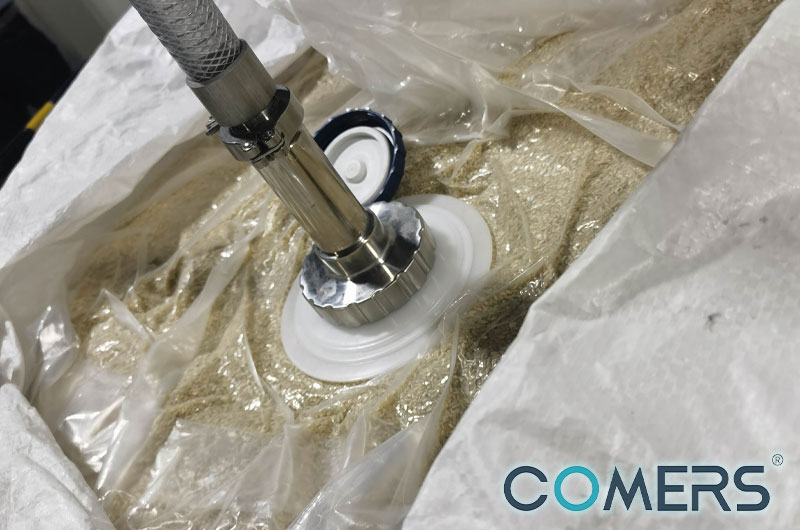
Intertram®FIBC Liners
+ Permanent anti-static / temporary anti-static
+ High barrier performance
+ Single material
+ Prevent from moisture, oxygen(low WVTR<3.0,OTR<1.0)
+ Various film types and thicknesses (Length:1M1-2M2 Thinkness:30-160um)
+ For milk powder/ coffee powder
+ Effective barrier and product protection
+ Strict quality control and safety standards
+ Highly customizable solutions
+ Durable and puncture-resistant
-
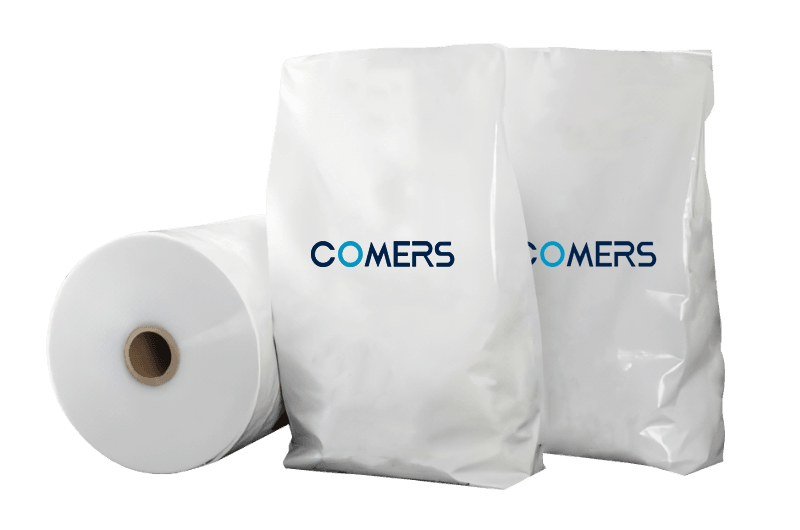
Intertram®FFS Liners
+ high barrier performance
+ prevent from moisture, oxygen(low WVTR<3.0,OTR<1.0)
+ various film types and thicknesses (Length:1M1-2M2 Thinkness:30-160um)
+ can replace Al material
+ High standard in food safety
+ Anti-static film (ATEX prevention)
+ Strict control over contaminants (BPA, Sakazaki-bacillus, etc.)
+ Tailored to customer needs
+ Enhanced product shelf life (approx. 6 months)
-

Washna ® Easy-peel films
+ prevent from moisture, oxygen(low WVTR<3.0,OTR<1.0)
+ various film types and thicknesses (Thickness:45 - 90um)
+ Clean & Safe Delamination
+ smooth sealing layer without wire drawing
+ Optimal Peel Performance
+ Good control level of black dot crystal point, in line with GB/T28117
+ Food contact safety
+ High durability
+ Superior barrier properties
+ Child-friendly opening
+ Clean, residue-free peel -
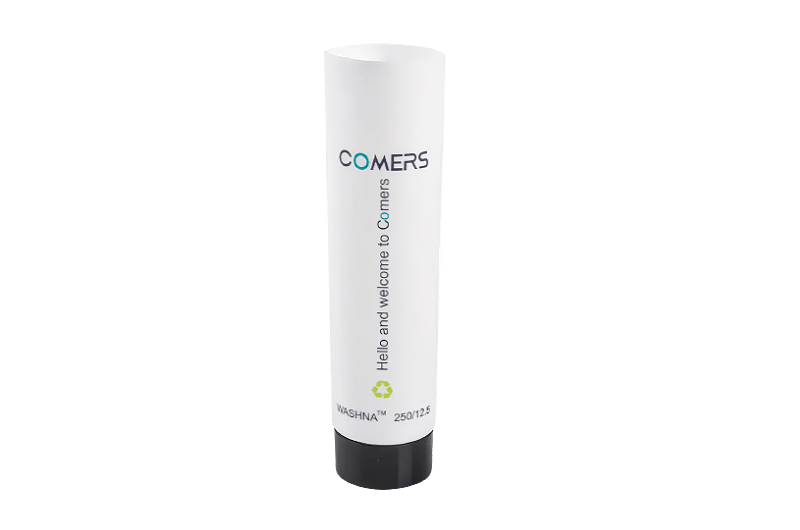
Washna® toothpaste films
+ Suitable for products in paste form
+ High stiffness and good mechanical properties
+ APR approval, Blow-molded in a single blow-molding
+ EVOH≤5%, in line with CEFLEX
+ white/transparent/ultra-white variants (customizable whiteness)
+ Precise thickness control (175−350μm±3%)
+ Excellent puncture resistance
+ Speckle-free surfaces (GB/T 28117 compliant)
+ Reduces environmental impact -
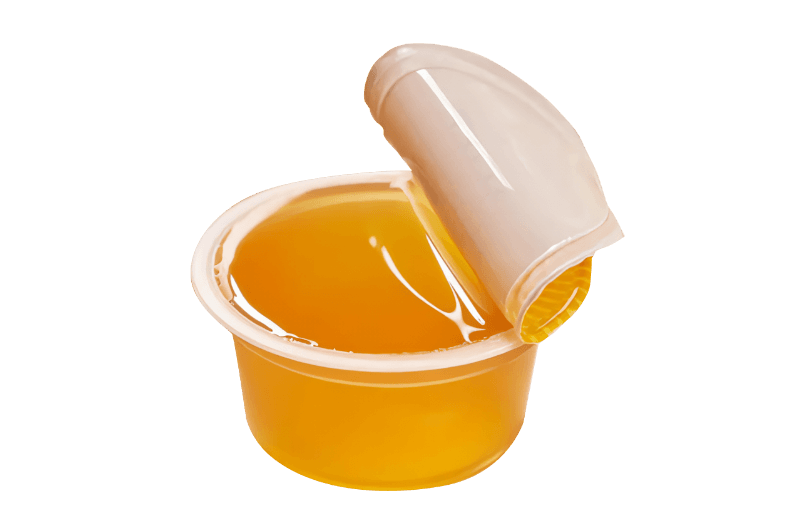
Washna® Laminate films
+ Operates with high-volume film
+ ultimate cost control
+ Good level of crystal point and black point control
+ Customizable with thickness and EVOH ratio
+ Easy-open End (EOE) functionality
+ Preserves freshness and extends shelf life
+ Odor-neutral composition
-
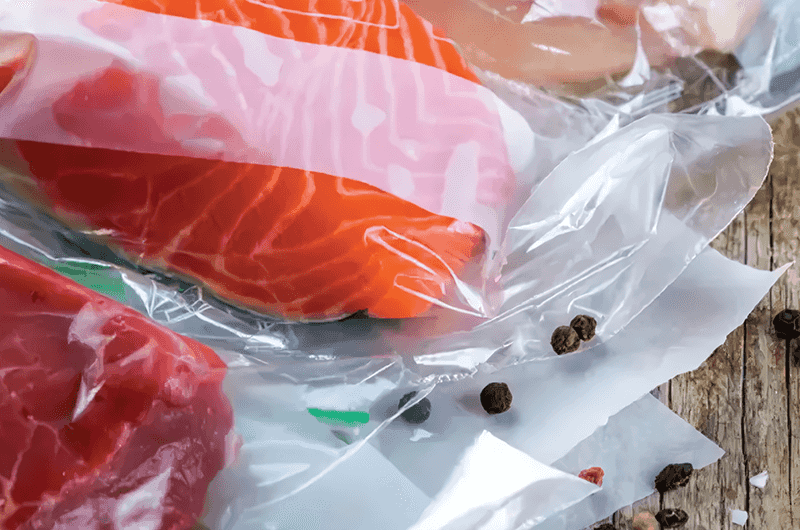
Agometa ® Frozen Vacuum Packaging Bags/Films
+ Excellent transparency
+ Good barrier against water vapor and oxygen
+ Heat sealing performance
+ Adds ultra-high barrier properties
+ high-end food market
+ stable performance, flexible and versatile
+ Good puncture resistance
Jiangsu Comers Neo Materials Co., Ltd.
No.161 Cailing Road, Linhu Town, Wuzhong District, Suzhou City, Jiangsu Province, China.
+86-0512-66558319
E-mail: [email protected]
