

 English
 中文简体
中文简体Film for Food Packaging: Materials, Benefits, and Future Trends
Food packaging plays a critical role in modern supply chains, ensuring that products remain safe, fresh, and visually appealing from production to consumption. Among various packaging materials, films for food packaging have emerged as one of the most versatile solutions due to their adaptability, cost-effectiveness, and protective properties. This article explores the types of films used in food packaging, their functions, sustainability challenges, and future trends driving innovation in the industry.
What is Film in Food Packaging?
Film in food packaging refers to flexible plastic, biodegradable, or composite materials designed to wrap, seal, or laminate food products. Unlike rigid containers, films provide a lightweight and adaptable solution that reduces material usage while maximizing shelf life.
They are commonly used in:
Snack bags
Meat and cheese vacuum packs
Frozen food pouches
Fresh produce wraps
Ready-to-eat meal trays with film lids
Common Types of Food Packaging Films
1. Polyethylene (PE) Films
Widely used due to low cost and versatility.
Excellent moisture barrier.
Found in bread bags, frozen food packaging, and shrink wraps.
2. Polypropylene (PP) Films
High clarity and good resistance to heat.
Ideal for snack packaging, pasta bags, and fresh produce.
3. Polyvinyl Chloride (PVC) Films
Strong cling and transparency.
Often used for fresh meat, poultry, and produce wrapping.
4. Polyethylene Terephthalate (PET) Films
Excellent strength and temperature resistance.
Used in lidding films and retortable pouches.
5. Biodegradable & Compostable Films
Made from starch, polylactic acid (PLA), or cellulose.
Provide an eco-friendly alternative to petroleum-based plastics.
Gaining popularity due to consumer demand for sustainable packaging.
Key Benefits of Packaging Films
Extended Shelf Life: Barrier properties protect against oxygen, moisture, and UV light.
Food Safety: Sealed films reduce contamination risks.
Lightweight & Cost-Effective: Less material compared to rigid packaging.
Customizable: Can be printed for branding or engineered with special coatings.
Convenience: Enables resealable packs, portion control, and microwavable options.
Challenges and Sustainability Issues
While films offer undeniable benefits, they also pose challenges:
Plastic Waste: Non-biodegradable films contribute to landfill and ocean pollution.
Recycling Limitations: Multi-layer films are difficult to recycle due to material combinations.
Consumer Pressure: Growing awareness is pushing companies toward greener solutions.
Future Trends in Food Packaging Films
Sustainable Materials: Increased use of biodegradable, compostable, and recyclable films.
Smart Packaging: Films embedded with freshness indicators or QR codes for traceability.
Nano-Coatings: Advanced barrier layers for longer shelf life without increasing thickness.
Mono-Material Films: Easier to recycle while maintaining protective properties.
Active Packaging: Incorporating antimicrobial agents to enhance food safety.
Conclusion
Films for food packaging are an essential component of the global food industry, combining practicality with protection. As sustainability and innovation reshape consumer expectations, packaging films are evolving to balance performance with environmental responsibility. Businesses that embrace eco-friendly, functional, and intelligent film solutions will be better positioned to meet both regulatory demands and customer preferences.
-
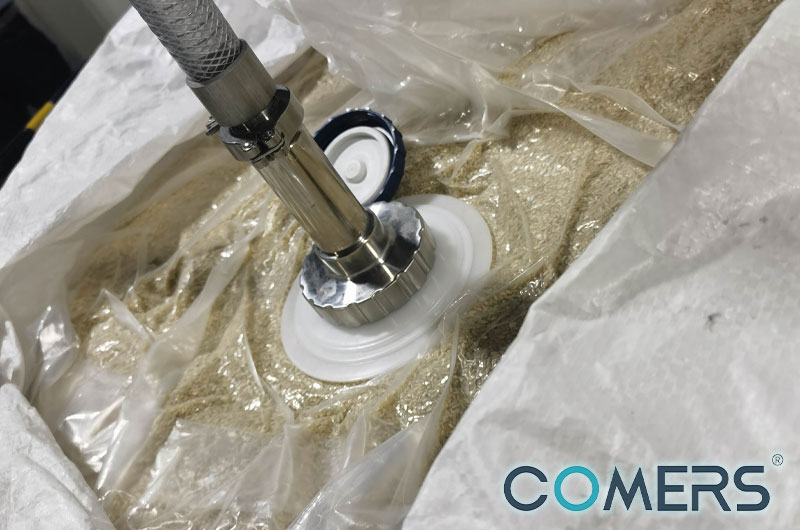
Intertram®FIBC Liners
+ Permanent anti-static / temporary anti-static
+ High barrier performance
+ Single material
+ Prevent from moisture, oxygen(low WVTR<3.0,OTR<1.0)
+ Various film types and thicknesses (Length:1M1-2M2 Thinkness:30-160um)
+ For milk powder/ coffee powder
+ Effective barrier and product protection
+ Strict quality control and safety standards
+ Highly customizable solutions
+ Durable and puncture-resistant
-
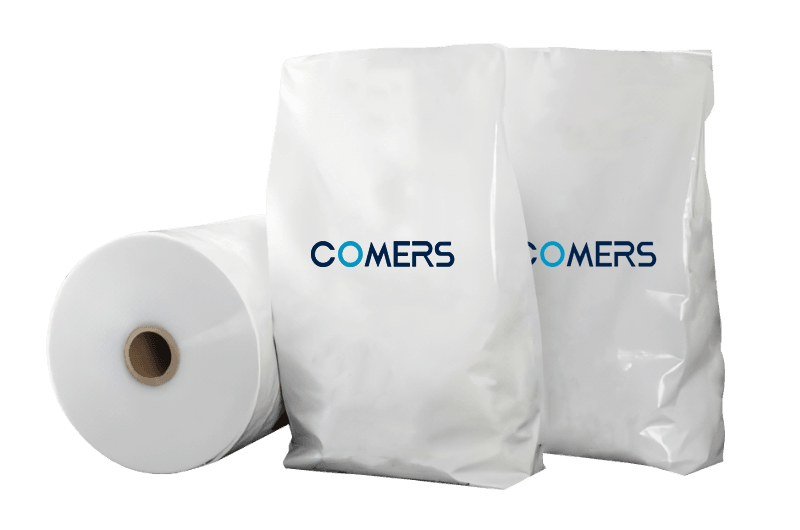
Intertram®FFS Liners
+ high barrier performance
+ prevent from moisture, oxygen(low WVTR<3.0,OTR<1.0)
+ various film types and thicknesses (Length:1M1-2M2 Thinkness:30-160um)
+ can replace Al material
+ High standard in food safety
+ Anti-static film (ATEX prevention)
+ Strict control over contaminants (BPA, Sakazaki-bacillus, etc.)
+ Tailored to customer needs
+ Enhanced product shelf life (approx. 6 months)
-

Washna ® Easy-peel films
+ prevent from moisture, oxygen(low WVTR<3.0,OTR<1.0)
+ various film types and thicknesses (Thickness:45 - 90um)
+ Clean & Safe Delamination
+ smooth sealing layer without wire drawing
+ Optimal Peel Performance
+ Good control level of black dot crystal point, in line with GB/T28117
+ Food contact safety
+ High durability
+ Superior barrier properties
+ Child-friendly opening
+ Clean, residue-free peel -
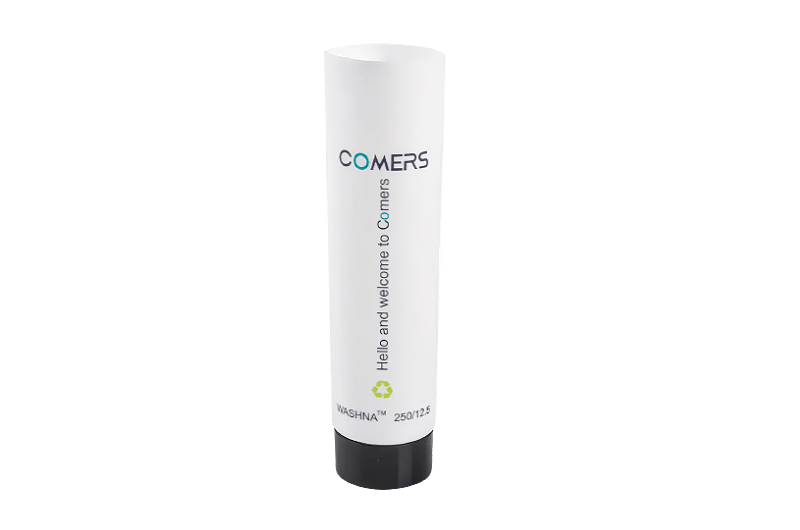
Washna® toothpaste films
+ Suitable for products in paste form
+ High stiffness and good mechanical properties
+ APR approval, Blow-molded in a single blow-molding
+ EVOH≤5%, in line with CEFLEX
+ white/transparent/ultra-white variants (customizable whiteness)
+ Precise thickness control (175−350μm±3%)
+ Excellent puncture resistance
+ Speckle-free surfaces (GB/T 28117 compliant)
+ Reduces environmental impact -
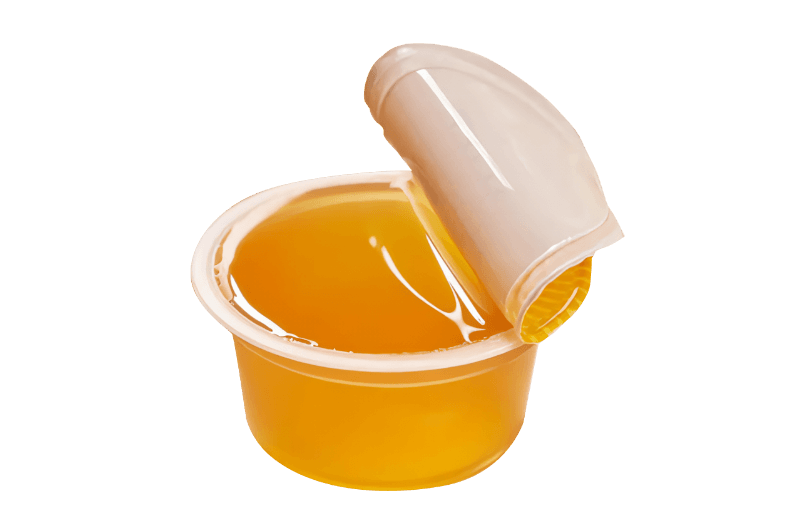
Washna® Laminate films
+ Operates with high-volume film
+ ultimate cost control
+ Good level of crystal point and black point control
+ Customizable with thickness and EVOH ratio
+ Easy-open End (EOE) functionality
+ Preserves freshness and extends shelf life
+ Odor-neutral composition
-
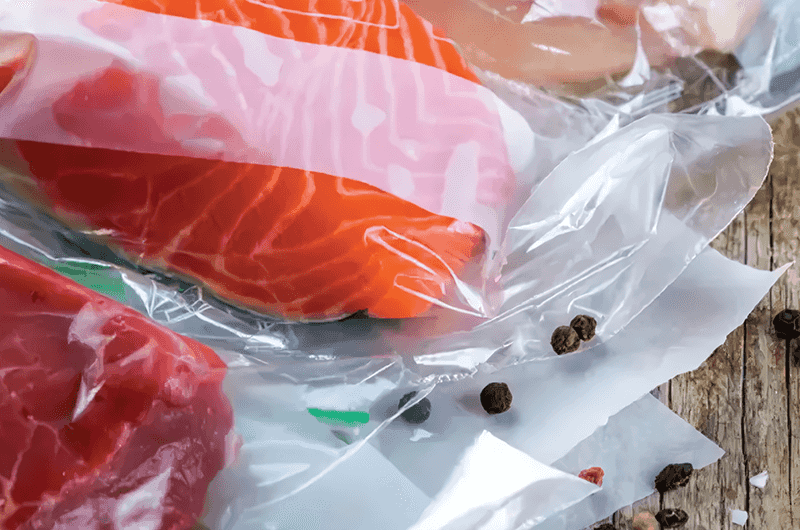
Agometa ® Frozen Vacuum Packaging Bags/Films
+ Excellent transparency
+ Good barrier against water vapor and oxygen
+ Heat sealing performance
+ Adds ultra-high barrier properties
+ high-end food market
+ stable performance, flexible and versatile
+ Good puncture resistance
Jiangsu Comers Neo Materials Co., Ltd.
No.161 Cailing Road, Linhu Town, Wuzhong District, Suzhou City, Jiangsu Province, China.
+86-0512-66558319
E-mail: [email protected]
