

 English
 中文简体
中文简体Barrier Properties of Packaging Materials: Enhancing Product Protection and Shelf Life
Packaging materials play a critical role in protecting products from environmental factors that could compromise their quality, safety, and shelf life. Among the many important characteristics of packaging, the barrier properties stand out as one of the most crucial. Barrier properties refer to a material's ability to prevent the passage of unwanted elements such as moisture, oxygen, light, and contaminants. These elements can significantly alter the quality of food, pharmaceuticals, and other sensitive products. In this article, we’ll delve deeply into the various types of barrier properties of packaging materials, their significance, and the technologies that are revolutionizing the packaging industry.
1. What Are Barrier Properties in Packaging?
Barrier properties of packaging materials refer to their ability to resist the transmission of external factors—such as gases, moisture, and light—into the packaged product, as well as preventing the escape of volatile substances like odors, flavors, or preservatives. These properties are essential for maintaining the integrity of the product, preserving its quality, and extending its shelf life.
Key Types of Barrier Properties:
Moisture Barrier: Prevents the absorption of moisture from the environment, or the loss of moisture from the product.
Gas Barrier: Limits the ingress of gases like oxygen, carbon dioxide, and nitrogen, which can cause spoilage, oxidation, or degradation.
Light Barrier: Shields the product from UV or visible light, which can degrade sensitive compounds, such as vitamins and flavors, or cause discoloration.
Odor Barrier: Prevents external odors from entering the package or volatile product odors from escaping.
2. Importance of Barrier Properties in Packaging
Packaging is not just about aesthetics; its primary function is to ensure that the contents remain protected until they reach the consumer. Barrier properties are key to achieving this, as they impact several important factors:
Preservation of Product Quality:
Food Products: Many foods are sensitive to moisture, oxygen, and light, which can degrade flavor, texture, and nutritional value. For instance, oxygen can cause rancidity in oils and oxidation in fruits, while moisture can lead to spoilage in dry goods like cereals and pasta. Packaging materials with good barrier properties prevent such spoilage, ensuring that food remains fresh for longer.
Pharmaceuticals: Medicines, especially those in liquid form, can degrade when exposed to light or oxygen. Packaging materials with strong barrier properties protect the potency and efficacy of pharmaceutical products.
Extended Shelf Life:
By blocking oxygen and moisture and protecting from UV light, packaging materials significantly extend the shelf life of products. For example, vacuum-sealed or nitrogen-flushed bags help preserve food by eliminating the air that would normally support microbial growth and oxidation.
Protection Against Contaminants:
Packaging materials with effective barrier properties also help protect against environmental contaminants, like dust and bacteria, which can harm products and compromise consumer safety. This is especially important for sensitive products like pharmaceuticals, cosmetics, and medical devices.
3. Types of Packaging Materials with Barrier Properties
Several types of packaging materials exhibit varying degrees of barrier properties, and manufacturers often choose the right material based on the specific needs of the product.
a. Glass:
Glass has excellent barrier properties, particularly against moisture and gases, and is often used for products like beverages, sauces, and pharmaceuticals. However, glass is heavy and prone to breakage, which limits its use in certain applications.
b. Metal:
Metal packaging, such as aluminum cans or foil pouches, provides excellent protection against light, gases, and moisture. It is commonly used for products like snacks, beverages, and ready-to-eat meals. The metallic barrier prevents oxidation and maintains the product’s flavor.
c. Plastic Films and Laminates:
Plastic films and laminates can be engineered with specific barrier properties by choosing the right polymer types or incorporating multilayer structures. Some of the most common barrier materials include:
Polyethylene Terephthalate (PET): Offers good resistance to oxygen and moisture.
Polyvinylidene Chloride (PVDC): Provides a high barrier to both oxygen and water vapor.
Ethylene Vinyl Alcohol (EVOH): Offers superior oxygen barrier properties, making it ideal for preserving food and beverages.
Aluminum Foil Laminates: Commonly used in flexible packaging for food and pharmaceuticals due to their exceptional barrier properties.
d. Paper and Cardboard:
While paper is naturally porous and offers little protection against moisture and gases, certain treatments like wax coating, polyethylene lamination, or aluminum foil can enhance its barrier properties. Paper-based packaging is often used for dry foods, where moisture barriers are less critical.
4. Advances in Barrier Technology
The demand for sustainable packaging solutions has led to significant advancements in barrier technology, especially in the development of biodegradable and recyclable materials with barrier properties. Here are some key innovations:
a. Biodegradable Barrier Films:
Researchers are developing biodegradable packaging materials with excellent barrier properties, such as bio-based plastics derived from plant starches or polylactic acid (PLA). These materials aim to balance sustainability with functionality, offering a viable alternative to petroleum-based plastics.
b. Smart and Active Packaging:
Smart packaging materials are capable of responding to environmental changes to preserve the quality of the product. These can include:
Oxygen scavengers: To actively remove oxygen from the packaging environment, improving shelf life.
Moisture regulators: To maintain an optimal humidity level inside the package.
Time-temperature indicators: To monitor product integrity during transportation and storage.
c. Nano-materials and Nanotechnology:
Nanotechnology is being increasingly applied to packaging materials to improve barrier properties without compromising flexibility, strength, or cost. Nanocomposite films, which incorporate nanomaterials such as nanoparticles of clay or silica, can offer enhanced protection against gases, moisture, and UV light.
5. Challenges and Future Trends in Barrier Packaging
While the advancements in barrier packaging are promising, there are still several challenges, especially in balancing sustainability with performance. Many high-performance barrier materials, such as multi-layer plastic films and aluminum foil, are not easily recyclable, which poses an environmental concern.
The future of barrier packaging will likely involve:
Increased use of recyclable and compostable materials without sacrificing barrier effectiveness.
Smarter packaging solutions that incorporate real-time data on product quality and safety.
Optimized manufacturing processes that reduce waste and improve the energy efficiency of barrier packaging production.
Conclusion
Barrier properties are central to modern packaging technology. From preventing spoilage to extending product shelf life, the materials chosen for packaging are as important as the products themselves. As consumer demand for sustainability grows, manufacturers are focused on innovating packaging solutions that provide the same level of protection while being environmentally friendly. With ongoing advances in materials science and packaging technology, the future of barrier packaging is not only about safeguarding product quality but also about creating a more sustainable, eco-conscious future.
-
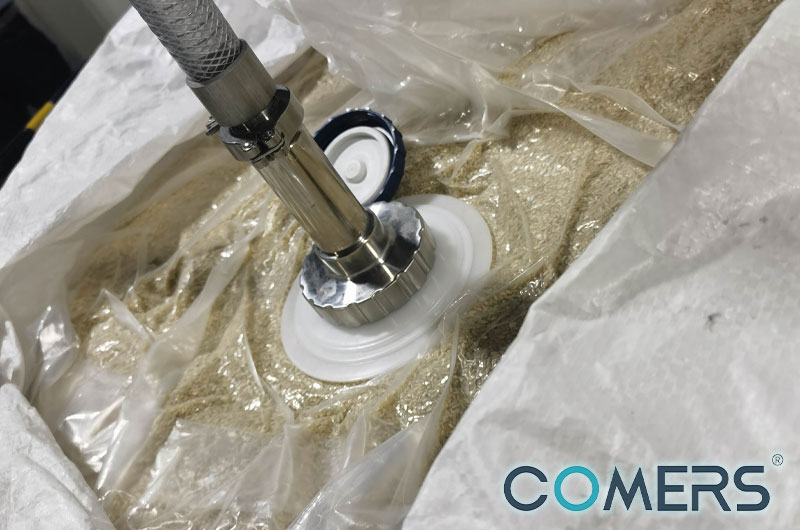
Intertram®FIBC Liners
+ Permanent anti-static / temporary anti-static
+ High barrier performance
+ Single material
+ Prevent from moisture, oxygen(low WVTR<3.0,OTR<1.0)
+ Various film types and thicknesses (Length:1M1-2M2 Thinkness:30-160um)
+ For milk powder/ coffee powder
+ Effective barrier and product protection
+ Strict quality control and safety standards
+ Highly customizable solutions
+ Durable and puncture-resistant
-
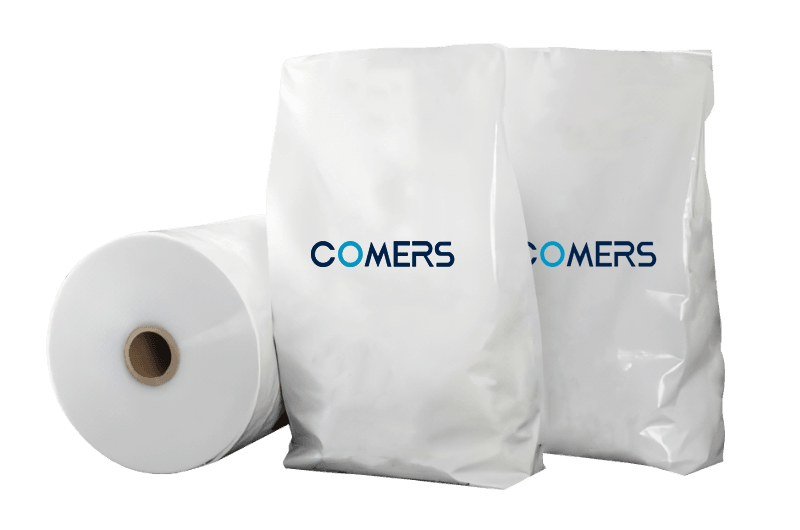
Intertram®FFS Liners
+ high barrier performance
+ prevent from moisture, oxygen(low WVTR<3.0,OTR<1.0)
+ various film types and thicknesses (Length:1M1-2M2 Thinkness:30-160um)
+ can replace Al material
+ High standard in food safety
+ Anti-static film (ATEX prevention)
+ Strict control over contaminants (BPA, Sakazaki-bacillus, etc.)
+ Tailored to customer needs
+ Enhanced product shelf life (approx. 6 months)
-

Washna ® Easy-peel films
+ prevent from moisture, oxygen(low WVTR<3.0,OTR<1.0)
+ various film types and thicknesses (Thickness:45 - 90um)
+ Clean & Safe Delamination
+ smooth sealing layer without wire drawing
+ Optimal Peel Performance
+ Good control level of black dot crystal point, in line with GB/T28117
+ Food contact safety
+ High durability
+ Superior barrier properties
+ Child-friendly opening
+ Clean, residue-free peel -
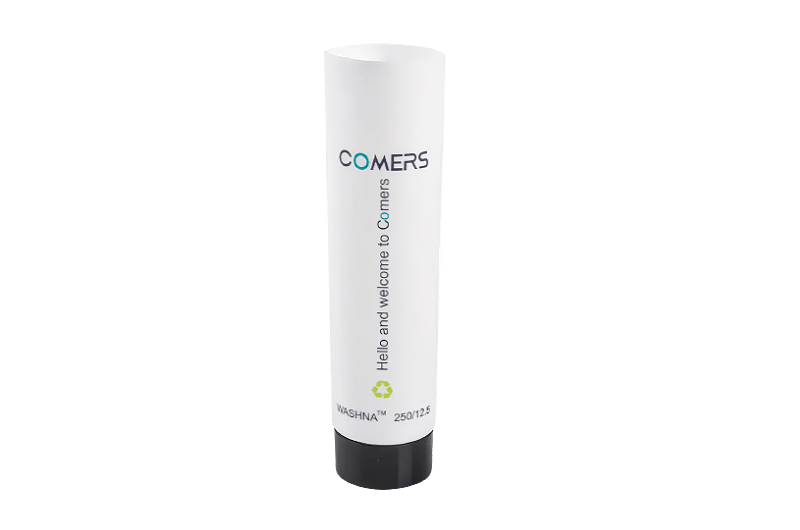
Washna® toothpaste films
+ Suitable for products in paste form
+ High stiffness and good mechanical properties
+ APR approval, Blow-molded in a single blow-molding
+ EVOH≤5%, in line with CEFLEX
+ white/transparent/ultra-white variants (customizable whiteness)
+ Precise thickness control (175−350μm±3%)
+ Excellent puncture resistance
+ Speckle-free surfaces (GB/T 28117 compliant)
+ Reduces environmental impact -
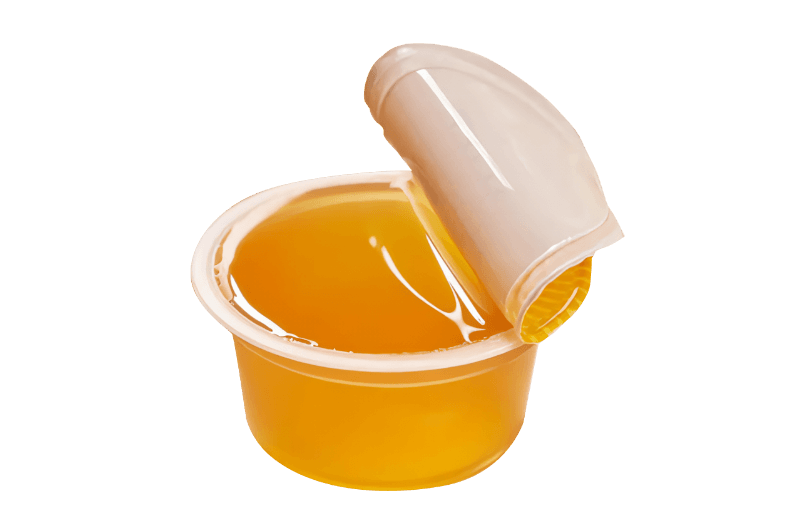
Washna® Laminate films
+ Operates with high-volume film
+ ultimate cost control
+ Good level of crystal point and black point control
+ Customizable with thickness and EVOH ratio
+ Easy-open End (EOE) functionality
+ Preserves freshness and extends shelf life
+ Odor-neutral composition
-
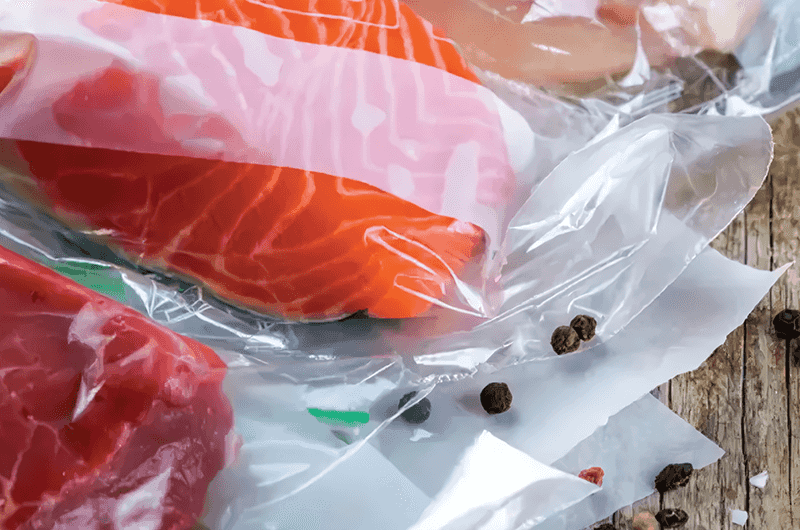
Agometa ® Frozen Vacuum Packaging Bags/Films
+ Excellent transparency
+ Good barrier against water vapor and oxygen
+ Heat sealing performance
+ Adds ultra-high barrier properties
+ high-end food market
+ stable performance, flexible and versatile
+ Good puncture resistance
Jiangsu Comers Neo Materials Co., Ltd.
No.161 Cailing Road, Linhu Town, Wuzhong District, Suzhou City, Jiangsu Province, China.
+86-0512-66558319
E-mail: [email protected]
