

 English
 中文简体
中文简体Flexible Food Packaging: Key Benefits and Trends
Content
Introduction to Flexible Food Packaging
Flexible food packaging has become an essential component in the food industry due to its convenience, cost-effectiveness, and ability to extend shelf life. This type of packaging is made from a variety of materials, including plastic, paper, and foil, which are lightweight, durable, and adaptable to different food products. Flexible packaging also offers opportunities for improved sustainability and innovative packaging solutions that meet consumer demands for convenience and freshness.
Benefits of Flexible Food Packaging
Flexible food packaging provides numerous advantages for both manufacturers and consumers. Some of the key benefits include:
- Cost-Effectiveness: Flexible packaging materials are generally less expensive to produce and transport compared to rigid packaging options. Their lightweight nature reduces shipping costs, contributing to lower overall product prices.
- Extended Shelf Life: Flexible packaging helps to protect food from moisture, air, and contaminants, which can significantly extend the shelf life of perishable goods.
- Convenience: Flexible packaging offers ease of use, with features like resealable closures, easy-to-tear openings, and microwaveable pouches, making it a popular choice for on-the-go consumers.
- Lightweight and Space-Saving: Due to its flexible nature, this packaging option takes up less space in storage and shipping, making it a more efficient choice for both manufacturers and consumers.
Materials Used in Flexible Food Packaging
The materials used in flexible food packaging are diverse and tailored to meet specific product requirements. Commonly used materials include:
- Plastic Films: Polyethylene (PE), polypropylene (PP), and polyester (PET) are popular plastic materials that offer excellent barrier properties and flexibility for a wide range of food products.
- Foil Laminates: Aluminum foil is often used in combination with plastic films to provide superior protection against light, oxygen, and moisture, making it ideal for items like snack foods and ready-to-eat meals.
- Paper: Paper-based flexible packaging is biodegradable and recyclable, making it a sustainable option for products like baked goods, dry foods, and fast food packaging.
- Biodegradable Plastics: Materials such as PLA (polylactic acid) and PHA (polyhydroxyalkanoates) offer a more sustainable alternative to traditional plastics, providing eco-friendly options for food packaging.
Sustainability in Flexible Food Packaging
As environmental concerns grow, there is an increasing demand for sustainable flexible food packaging solutions. Manufacturers are exploring several options to reduce the environmental impact of packaging materials:
- Recyclable Materials: Companies are focusing on using materials that can be easily recycled, such as PET and HDPE plastics, to minimize waste.
- Minimalistic Packaging: Reducing the amount of material used in packaging by optimizing designs that require less plastic or paper is one way to minimize environmental impact.
- Compostable Packaging: Compostable options like plant-based films are becoming more popular as they offer an eco-friendly alternative that breaks down naturally in composting systems.
- Reusability: Some flexible packaging designs include features like resealable closures, which reduce the need for multiple packages and encourage consumers to reuse packaging.
Applications of Flexible Food Packaging
Flexible food packaging is used across a variety of food categories due to its versatility and functionality. Some common applications include:
- Snacks and Confectionery: Flexible packaging is commonly used for chips, cookies, and candy, providing excellent protection and ease of storage.
- Ready-to-Eat Meals: Flexible pouches and trays are ideal for microwaveable meals, allowing for easy preparation and minimal packaging waste.
- Fresh Produce: For fruits, vegetables, and herbs, flexible films with moisture control properties help extend shelf life and maintain freshness.
- Beverages: Flexible packaging is also used for liquid food products like juice, milk, and sauces, often in the form of pouches or stand-up bags.
Innovative Trends in Flexible Food Packaging
The flexible food packaging sector is constantly evolving with new innovations aimed at improving functionality, sustainability, and consumer experience. Some of the latest trends include:
- Smart Packaging: Intelligent packaging solutions, such as temperature and freshness indicators, provide real-time data to ensure food safety and quality.
- Active Packaging: Packaging that can interact with the contents, such as oxygen scavengers or moisture absorbers, is gaining popularity in extending the shelf life of perishable items.
- Transparent Packaging: There is a growing demand for clear flexible packaging that allows consumers to see the contents of the package, creating a sense of trust and transparency.
Conclusion
Flexible food packaging continues to evolve as both a practical and sustainable solution for the food industry. With its cost-effectiveness, extended shelf life, and versatility, it has become the preferred choice for manufacturers and consumers alike. As the market shifts toward eco-friendly solutions, innovations in materials and designs will continue to drive the future of flexible packaging, meeting the needs of both the environment and the consumer.
-
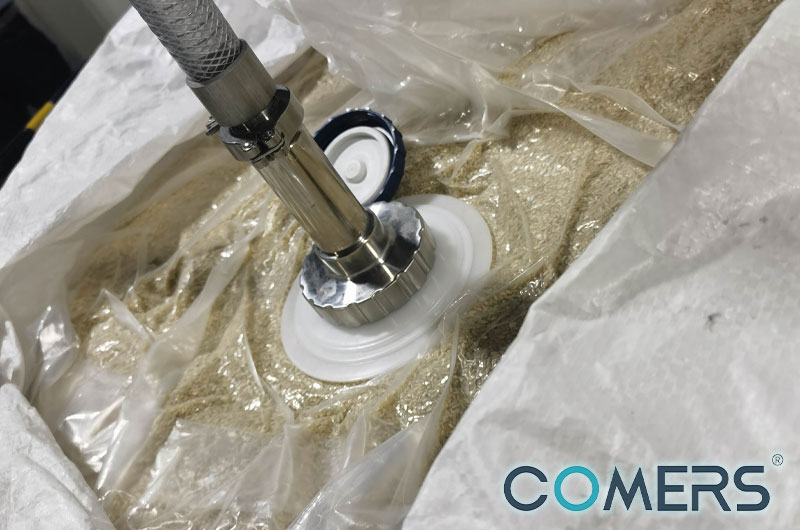
Intertram®FIBC Liners
+ Permanent anti-static / temporary anti-static
+ High barrier performance
+ Single material
+ Prevent from moisture, oxygen(low WVTR<3.0,OTR<1.0)
+ Various film types and thicknesses (Length:1M1-2M2 Thinkness:30-160um)
+ For milk powder/ coffee powder
+ Effective barrier and product protection
+ Strict quality control and safety standards
+ Highly customizable solutions
+ Durable and puncture-resistant
-
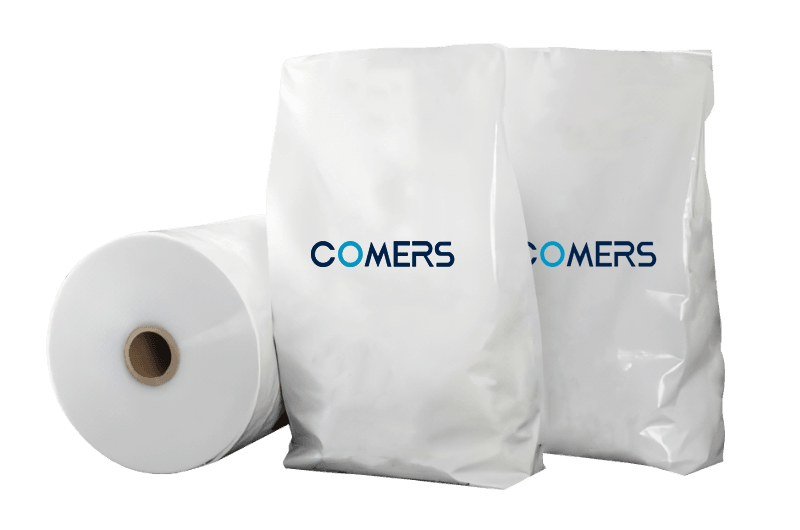
Intertram®FFS Liners
+ high barrier performance
+ prevent from moisture, oxygen(low WVTR<3.0,OTR<1.0)
+ various film types and thicknesses (Length:1M1-2M2 Thinkness:30-160um)
+ can replace Al material
+ High standard in food safety
+ Anti-static film (ATEX prevention)
+ Strict control over contaminants (BPA, Sakazaki-bacillus, etc.)
+ Tailored to customer needs
+ Enhanced product shelf life (approx. 6 months)
-

Washna ® Easy-peel films
+ prevent from moisture, oxygen(low WVTR<3.0,OTR<1.0)
+ various film types and thicknesses (Thickness:45 - 90um)
+ Clean & Safe Delamination
+ smooth sealing layer without wire drawing
+ Optimal Peel Performance
+ Good control level of black dot crystal point, in line with GB/T28117
+ Food contact safety
+ High durability
+ Superior barrier properties
+ Child-friendly opening
+ Clean, residue-free peel -
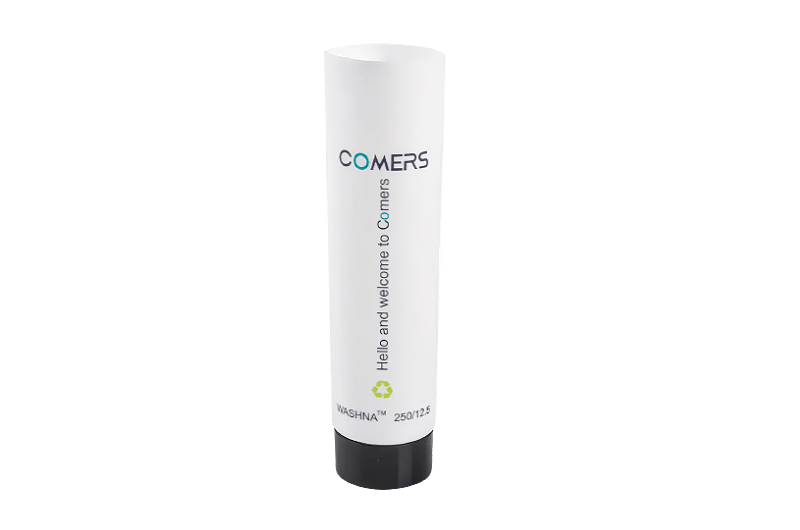
Washna® toothpaste films
+ Suitable for products in paste form
+ High stiffness and good mechanical properties
+ APR approval, Blow-molded in a single blow-molding
+ EVOH≤5%, in line with CEFLEX
+ white/transparent/ultra-white variants (customizable whiteness)
+ Precise thickness control (175−350μm±3%)
+ Excellent puncture resistance
+ Speckle-free surfaces (GB/T 28117 compliant)
+ Reduces environmental impact -
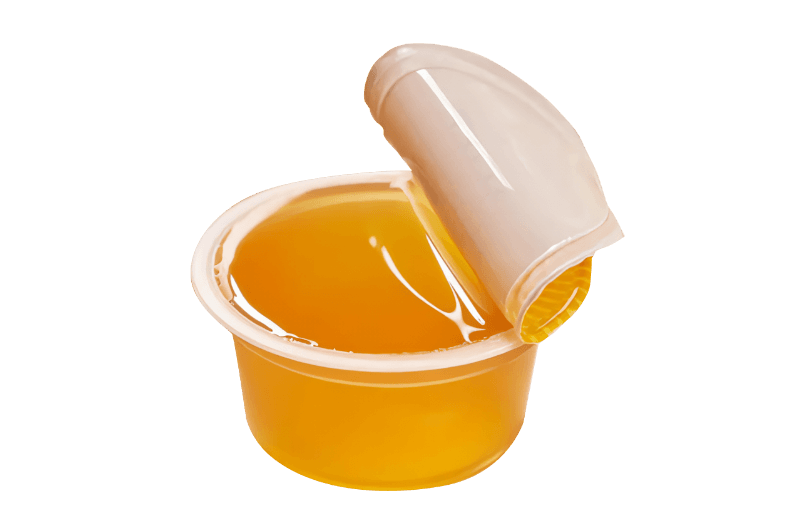
Washna® Laminate films
+ Operates with high-volume film
+ ultimate cost control
+ Good level of crystal point and black point control
+ Customizable with thickness and EVOH ratio
+ Easy-open End (EOE) functionality
+ Preserves freshness and extends shelf life
+ Odor-neutral composition
-
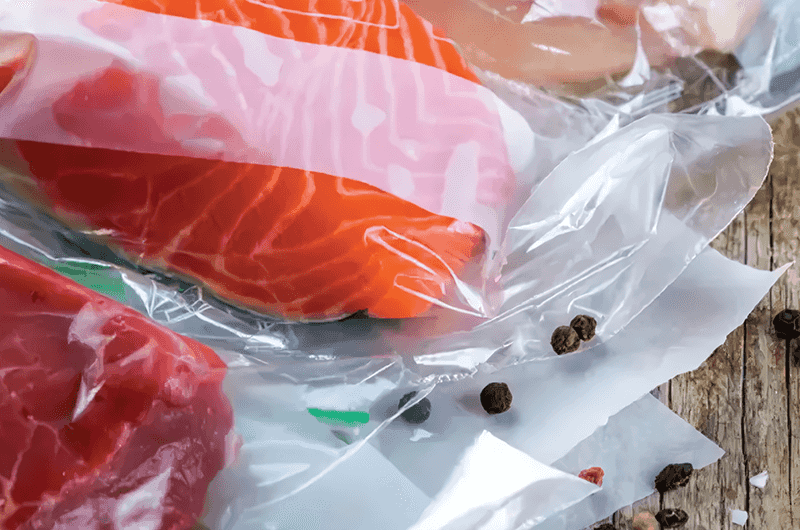
Agometa ® Frozen Vacuum Packaging Bags/Films
+ Excellent transparency
+ Good barrier against water vapor and oxygen
+ Heat sealing performance
+ Adds ultra-high barrier properties
+ high-end food market
+ stable performance, flexible and versatile
+ Good puncture resistance
Jiangsu Comers Neo Materials Co., Ltd.
No.161 Cailing Road, Linhu Town, Wuzhong District, Suzhou City, Jiangsu Province, China.
+86-0512-66558319
E-mail: [email protected]
