

 English
 中文简体
中文简体Revolutionizing Packaging: How Advanced Printing Tech Elevates EOE-Based Laminated Film Membranes
In today’s fast-paced consumer market, packaging isn’t just about protection—it’s a silent salesman, a brand ambassador, and a user experience designer all rolled into one. At the heart of this evolution lies the EOE-Based Laminated Film Membrane , a marvel of modern packaging engineering that combines functionality with visual appeal. But what truly sets this innovation apart is its seamless integration of advanced printing technologies, which transform ordinary packaging into a dynamic canvas for branding, security, and consumer engagement. Let’s dive into how cutting-edge printing techniques are pushing the boundaries of what EOE-based laminated films can achieve.
Ink-Film Compatibility: The Science Behind Durable Beauty
The marriage of high-definition printing and laminated film structures is a delicate dance of chemistry and precision. For an EOE-Based Laminated Film Membrane , the challenge lies in ensuring that vibrant inks and intricate designs don’t compromise the film’s barrier properties or structural integrity. Modern printing methods like UV flexography and digital inkjet printing have emerged as game-changers. UV-curable inks, for instance, bond instantly to the film’s surface under ultraviolet light, creating a smudge-proof, abrasion-resistant layer that maintains flexibility. This is critical for EOE-based membranes, where the film must withstand repeated handling while preserving freshness. Meanwhile, digital printing allows for micro-adjustments in color gradients and texture, enabling brands to achieve hyper-realistic graphics without over-saturating the film’s layers. The result? Packaging that pops on the shelf while safeguarding the product inside—no delamination, no fading, just pure impact.
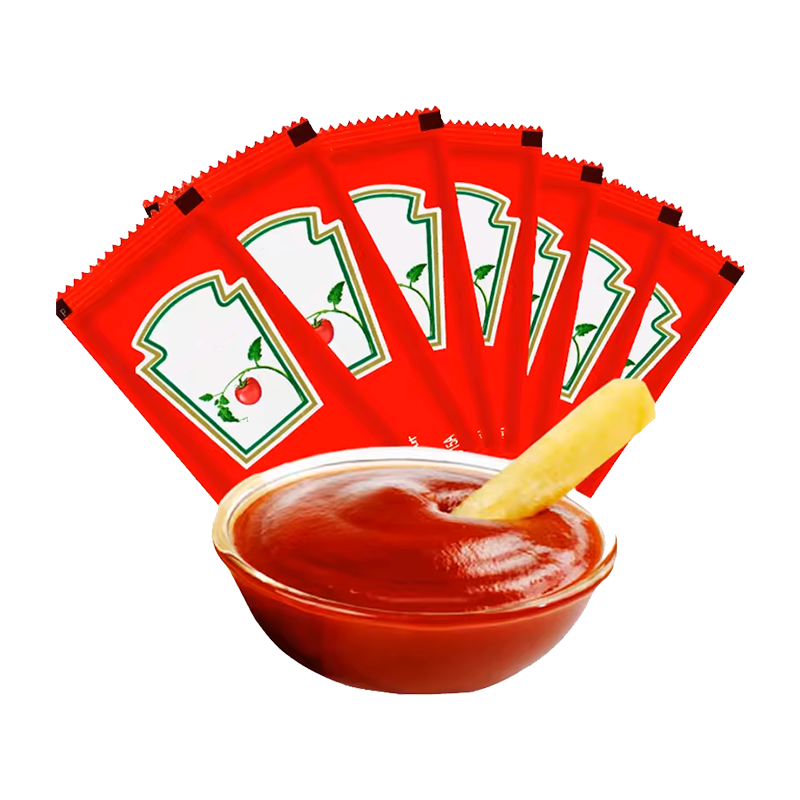
But the magic doesn’t stop at aesthetics. Advanced printing techniques also address functional demands. For example, conductive inks can be screen-printed onto EOE-based membranes to create interactive elements, such as QR codes that link to sustainability information or product tutorials. This fusion of print and purpose transforms packaging from a passive container into an active engagement tool, aligning with the growing consumer demand for transparency and tech-forward experiences.
Anti-Counterfeiting: The Secret Weapon in Brand Protection
In industries like pharmaceuticals and luxury goods, counterfeit products are a relentless threat. Here, the EOE-Based Laminated Film Membrane steps up as a guardian of authenticity. By leveraging specialized printing technologies, brands can embed covert and overt anti-counterfeiting features directly into the film. Holographic patterns, for instance, are achieved through embossing or metallized layer manipulation, creating eye-catching visual effects that are nearly impossible to replicate. Similarly, microtext—tiny text invisible to the naked eye—can be printed using laser-engraved rollers, detectable only under magnification. These features not only deter counterfeiters but also reassure consumers of the product’s legitimacy.
Even more intriguing is the rise of “smart” anti-counterfeiting. Thermochromic inks, which change color in response to temperature shifts, or photochromic inks activated by UV light, can be integrated into the EOE-based membrane’s printed layers. Imagine a pharmaceutical package that reveals a hidden logo when touched, or a premium snack pouch that displays a freshness indicator as it’s opened. Such innovations don’t just protect brands—they turn packaging into a storytelling device, enhancing trust and loyalty.
The Sustainability Angle: Balancing Beauty and Responsibility
As sustainability reshapes consumer preferences, the printing process for EOE-based laminated films is evolving too. Water-based and bio-based inks are replacing solvent-heavy alternatives, reducing volatile organic compound (VOC) emissions without sacrificing print quality. Additionally, advancements in inkjet technology minimize material waste by enabling precise, on-demand printing—perfect for small-batch or custom EOE-based membrane production.
But the real breakthrough lies in circular design. By aligning printing techniques with recyclability goals, manufacturers can ensure that even the most visually complex EOE-based laminated films stay within the circular economy. For instance, using mono-material film structures with compatible ink systems allows for easier separation during recycling, preserving the value of both the packaging and the planet.
Conclusion: The Future is Printed
The EOE-Based Laminated Film Membrane isn’t just a packaging solution—it’s a testament to how innovation in printing can elevate functionality, security, and sustainability. As brands strive to captivate consumers in an overcrowded marketplace, the ability to merge high-impact visuals with cutting-edge features will separate leaders from followers. Whether it’s through anti-counterfeiting holograms, interactive QR codes, or eco-conscious ink choices, advanced printing technologies are unlocking new possibilities for EOE-based membranes, proving that sometimes, the most revolutionary changes come in layers.
-
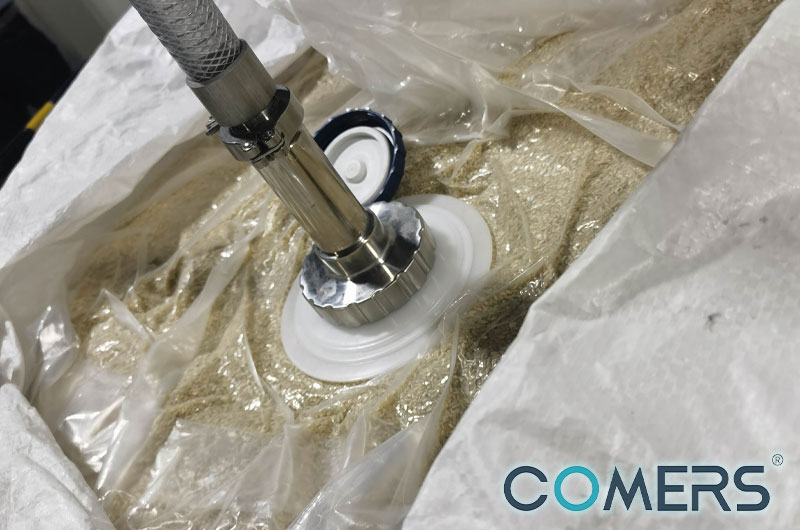
Intertram®FIBC Liners
+ Permanent anti-static / temporary anti-static
+ High barrier performance
+ Single material
+ Prevent from moisture, oxygen(low WVTR<3.0,OTR<1.0)
+ Various film types and thicknesses (Length:1M1-2M2 Thinkness:30-160um)
+ For milk powder/ coffee powder
+ Effective barrier and product protection
+ Strict quality control and safety standards
+ Highly customizable solutions
+ Durable and puncture-resistant
-
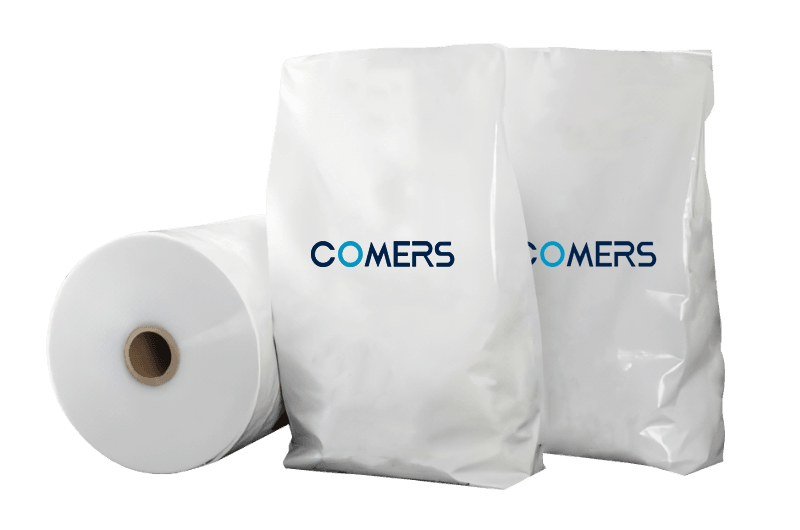
Intertram®FFS Liners
+ high barrier performance
+ prevent from moisture, oxygen(low WVTR<3.0,OTR<1.0)
+ various film types and thicknesses (Length:1M1-2M2 Thinkness:30-160um)
+ can replace Al material
+ High standard in food safety
+ Anti-static film (ATEX prevention)
+ Strict control over contaminants (BPA, Sakazaki-bacillus, etc.)
+ Tailored to customer needs
+ Enhanced product shelf life (approx. 6 months)
-
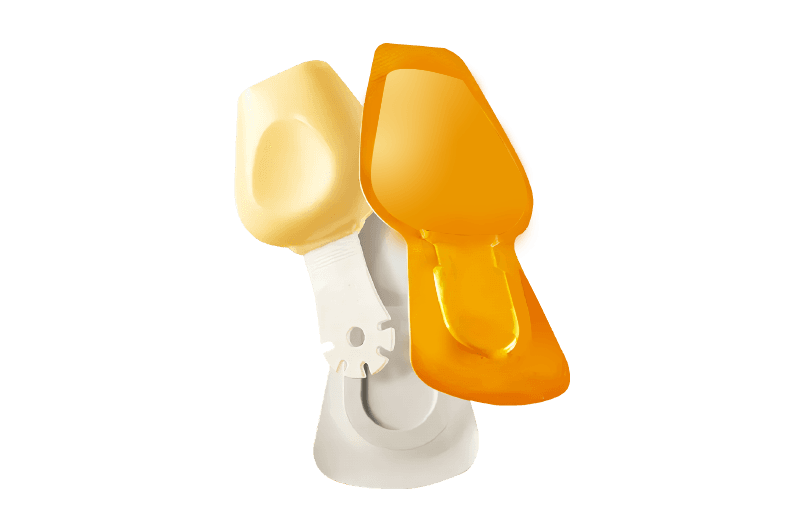
Washna ® Easy-peel films
+ prevent from moisture, oxygen(low WVTR<3.0,OTR<1.0)
+ various film types and thicknesses (Thickness:45 - 90um)
+ Clean & Safe Delamination
+ smooth sealing layer without wire drawing
+ Optimal Peel Performance
+ Good control level of black dot crystal point, in line with GB/T28117
+ Food contact safety
+ High durability
+ Superior barrier properties
+ Child-friendly opening
+ Clean, residue-free peel -
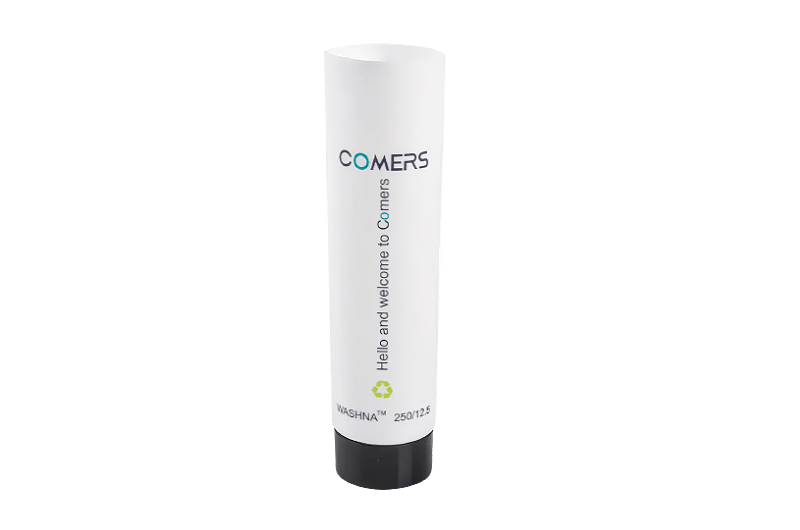
Washna® toothpaste films
+ Suitable for products in paste form
+ High stiffness and good mechanical properties
+ APR approval, Blow-molded in a single blow-molding
+ EVOH≤5%, in line with CEFLEX
+ white/transparent/ultra-white variants (customizable whiteness)
+ Precise thickness control (175−350μm±3%)
+ Excellent puncture resistance
+ Speckle-free surfaces (GB/T 28117 compliant)
+ Reduces environmental impact -
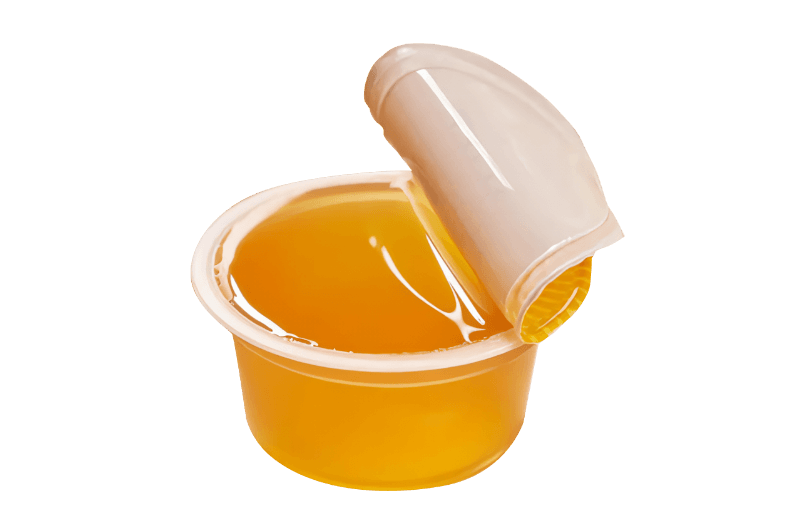
Washna® Laminate films
+ Operates with high-volume film
+ ultimate cost control
+ Good level of crystal point and black point control
+ Customizable with thickness and EVOH ratio
+ Easy-open End (EOE) functionality
+ Preserves freshness and extends shelf life
+ Odor-neutral composition
-
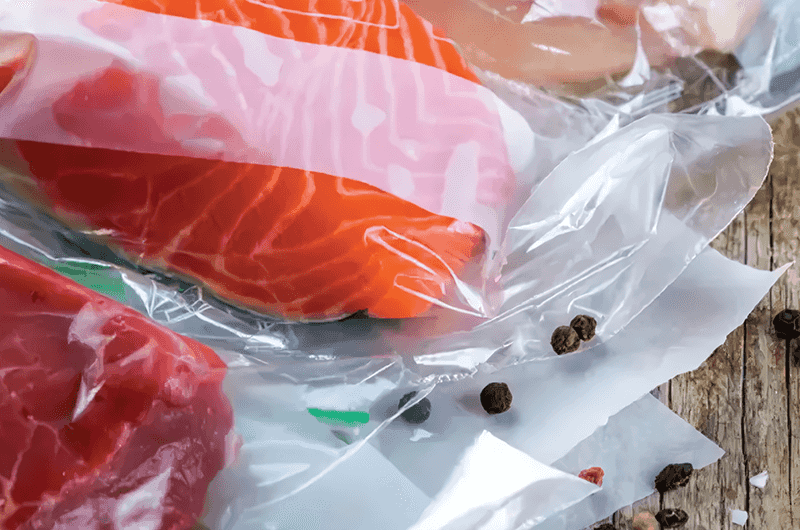
Agometa ® Frozen Vacuum Packaging Bags/Films
+ Excellent transparency
+ Good barrier against water vapor and oxygen
+ Heat sealing performance
+ Adds ultra-high barrier properties
+ high-end food market
+ stable performance, flexible and versatile
+ Good puncture resistance
Jiangsu Comers Neo Materials Co., Ltd.
No.161 Cailing Road, Linhu Town, Wuzhong District, Suzhou City, Jiangsu Province, China.
+86-0512-66558319
E-mail: [email protected]
