

 English
 中文简体
中文简体Unlocking the Science Behind EHE High-Barrier Films: Advanced Polymers and Thermoforming Mastery
In today’s rapidly evolving packaging industry, EHE high-barrier films have emerged as a game-changer, particularly for applications requiring unparalleled protection against oxygen, moisture, and other environmental factors. These films are not just another material; they represent a fusion of cutting-edge material science and engineering ingenuity. At the heart of their success lies the careful selection and blending of advanced polymers, which elevate their barrier properties to meet the stringent demands of industries like infant nutrition, pharmaceuticals, and chemical storage. But what exactly makes these polymer blends so effective, and how do manufacturers overcome the challenges of thermoforming and lamination to ensure consistent performance? Let’s dive into the fascinating world of material science behind EHE high-barrier film technology.
When it comes to creating a robust barrier, the choice of polymers is critical. Materials like ethylene vinyl alcohol (EVOH), polyamide (PA), and polyethylene terephthalate (PET) are often blended to achieve the perfect balance of flexibility, durability, and impermeability. For instance, EVOH is renowned for its exceptional gas barrier properties, while PA adds mechanical strength and puncture resistance. Together, these polymers form the backbone of EHE high-barrier films, enabling them to protect sensitive products from degradation caused by oxygen ingress or moisture exposure. However, achieving this synergy isn’t as simple as mixing ingredients in a recipe. Engineers must carefully calibrate the ratios and layering sequences to ensure that each polymer contributes its unique strengths without compromising the overall integrity of the film. This intricate process is where nanotechnology comes into play, offering an exciting frontier for enhancing the performance of high-barrier materials. By incorporating nanoparticles, such as clay or graphene, into the polymer matrix, manufacturers can create nanocomposites that further reduce permeability while maintaining flexibility—a breakthrough that positions EHE films at the forefront of innovation in sustainable packaging solutions.
But even the most advanced polymer blend is only as good as its ability to withstand the rigors of manufacturing processes like thermoforming and lamination. These steps are where many high-barrier materials falter, as the intense heat and pressure involved can degrade their protective properties or lead to delamination. For EHE high-barrier films, the challenge lies in ensuring that the layers remain tightly bonded while retaining their barrier characteristics. This is where adhesive technologies and lamination techniques come into focus. Modern adhesives, designed specifically for multi-layered structures, play a pivotal role in maintaining the cohesion of the film during thermoforming. Additionally, advancements in co-extrusion technology allow manufacturers to create seamless, multi-layered films that minimize weak points. Yet, these innovations also raise important questions about recyclability. As the demand for eco-friendly packaging grows, the industry faces the delicate task of balancing high performance with sustainability. Can EHE high-barrier films be engineered to meet both criteria without sacrificing their core advantages? It’s a question that continues to drive research and development in this space.
The versatility of EHE high-barrier films extends far beyond their material composition and manufacturing challenges. These films are increasingly being adopted in liquid packaging applications, where they are laminated with other materials to form sheets that can be blister-molded into custom shapes. This adaptability makes them a low-carbon alternative to rigid packaging solutions, aligning perfectly with the global push toward sustainability. Moreover, their lightweight nature reduces transportation costs and carbon emissions, further solidifying their appeal in the market. From protecting high-end infant milk powder to safeguarding industrial chemicals, EHE high-barrier films are proving to be indispensable across a wide range of industries. Their ability to combine advanced barrier properties with eco-conscious design ensures that they will remain a focal point of innovation for years to come.
The science behind EHE high-barrier film technology is a testament to human ingenuity and the relentless pursuit of better, smarter materials. By leveraging advanced polymer blends, nanotechnology, and cutting-edge manufacturing techniques, these films are setting new standards in packaging performance. Whether you’re exploring their potential in liquid packaging or seeking ways to enhance sustainability, EHE high-barrier films offer a compelling solution that bridges the gap between functionality and environmental responsibility. As the industry continues to evolve, one thing is clear: the future of packaging is here, and it’s wrapped in the innovative promise of EHE high-barrier films.
-
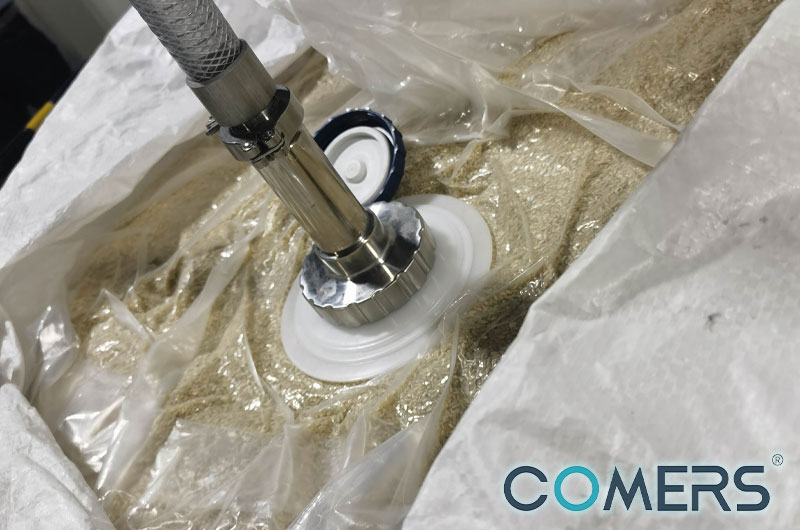
Intertram®FIBC Liners
+ Permanent anti-static / temporary anti-static
+ High barrier performance
+ Single material
+ Prevent from moisture, oxygen(low WVTR<3.0,OTR<1.0)
+ Various film types and thicknesses (Length:1M1-2M2 Thinkness:30-160um)
+ For milk powder/ coffee powder
+ Effective barrier and product protection
+ Strict quality control and safety standards
+ Highly customizable solutions
+ Durable and puncture-resistant
-
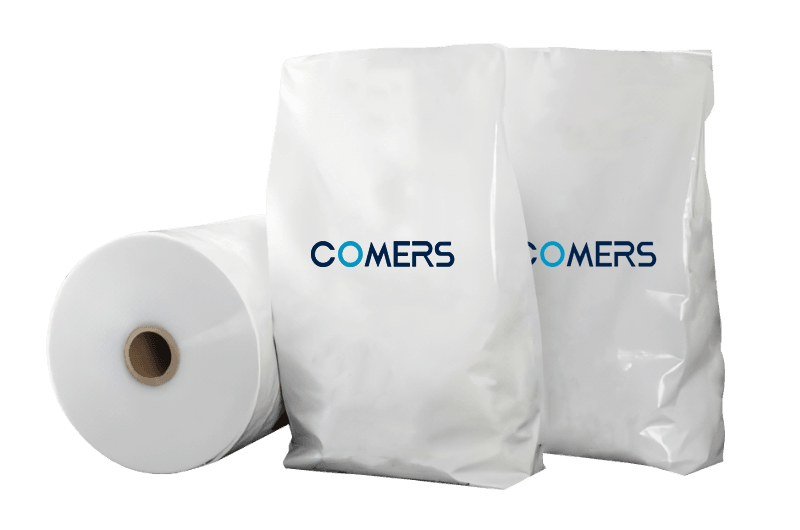
Intertram®FFS Liners
+ high barrier performance
+ prevent from moisture, oxygen(low WVTR<3.0,OTR<1.0)
+ various film types and thicknesses (Length:1M1-2M2 Thinkness:30-160um)
+ can replace Al material
+ High standard in food safety
+ Anti-static film (ATEX prevention)
+ Strict control over contaminants (BPA, Sakazaki-bacillus, etc.)
+ Tailored to customer needs
+ Enhanced product shelf life (approx. 6 months)
-

Washna ® Easy-peel films
+ prevent from moisture, oxygen(low WVTR<3.0,OTR<1.0)
+ various film types and thicknesses (Thickness:45 - 90um)
+ Clean & Safe Delamination
+ smooth sealing layer without wire drawing
+ Optimal Peel Performance
+ Good control level of black dot crystal point, in line with GB/T28117
+ Food contact safety
+ High durability
+ Superior barrier properties
+ Child-friendly opening
+ Clean, residue-free peel -
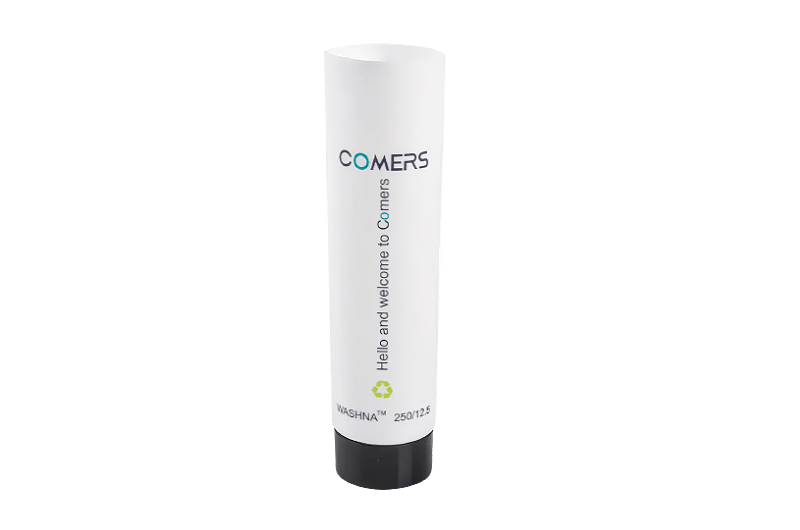
Washna® toothpaste films
+ Suitable for products in paste form
+ High stiffness and good mechanical properties
+ APR approval, Blow-molded in a single blow-molding
+ EVOH≤5%, in line with CEFLEX
+ white/transparent/ultra-white variants (customizable whiteness)
+ Precise thickness control (175−350μm±3%)
+ Excellent puncture resistance
+ Speckle-free surfaces (GB/T 28117 compliant)
+ Reduces environmental impact -
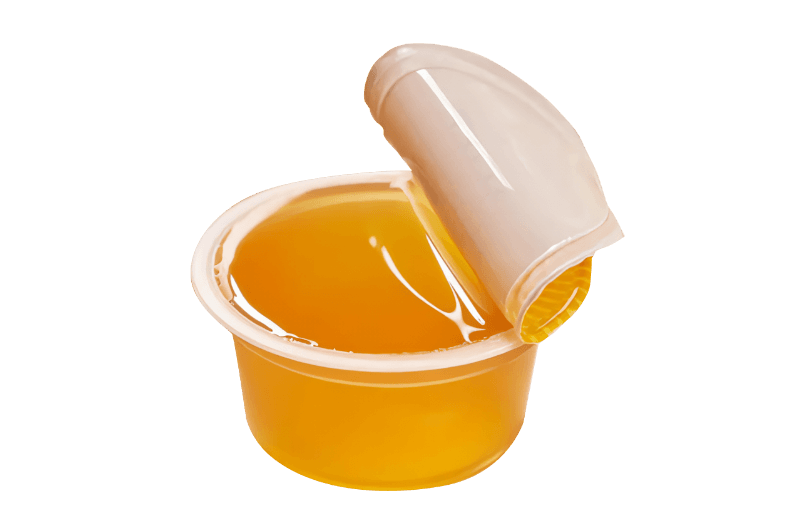
Washna® Laminate films
+ Operates with high-volume film
+ ultimate cost control
+ Good level of crystal point and black point control
+ Customizable with thickness and EVOH ratio
+ Easy-open End (EOE) functionality
+ Preserves freshness and extends shelf life
+ Odor-neutral composition
-
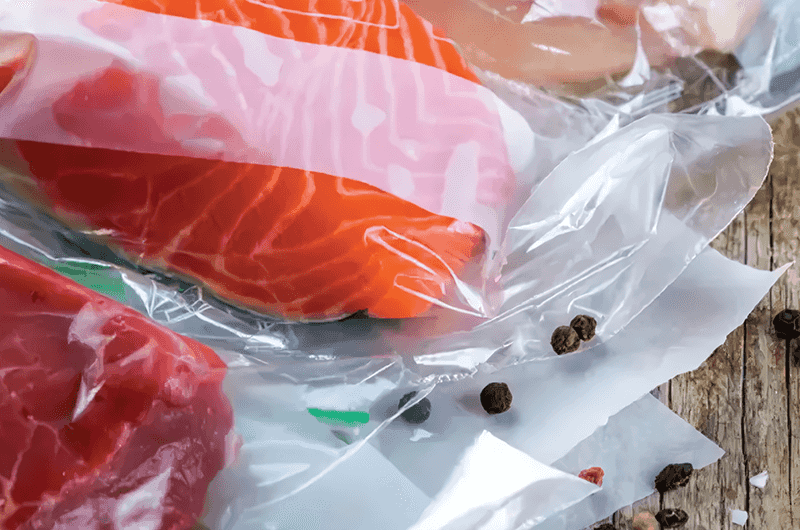
Agometa ® Frozen Vacuum Packaging Bags/Films
+ Excellent transparency
+ Good barrier against water vapor and oxygen
+ Heat sealing performance
+ Adds ultra-high barrier properties
+ high-end food market
+ stable performance, flexible and versatile
+ Good puncture resistance
Jiangsu Comers Neo Materials Co., Ltd.
No.161 Cailing Road, Linhu Town, Wuzhong District, Suzhou City, Jiangsu Province, China.
+86-0512-66558319
E-mail: [email protected]
